
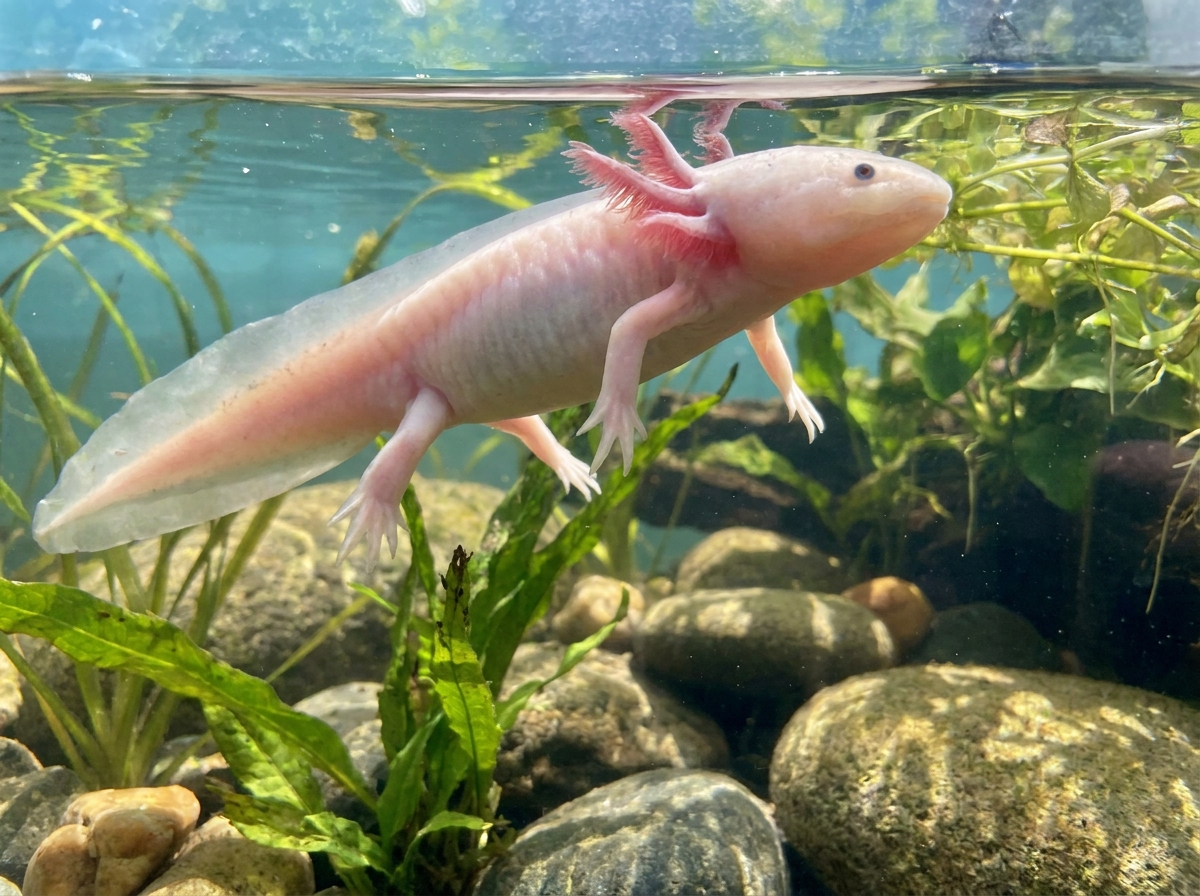
If you’ve recently noticed your axolotl floating at the surface of its tank, you might be feeling concerned. Floating can be a sign of various issues, and understanding the reasons behind this behavior is crucial for your pet’s health. In this article, we’ll explore the common causes of floating in axolotls, how to identify the problem, and what steps you can take to remedy the situation.
Axolotls, known for their unique appearance and fascinating regenerative abilities, are popular pets among aquatic enthusiasts. However, like all pets, they can experience health issues. Let’s dive into the reasons behind your axolotl’s floating behavior.
Understanding Axolotl Floating Behavior
When an axolotl floats, it can be alarming for owners. Floating is not typical behavior for these creatures, and it often indicates an underlying problem. It’s essential to observe your axolotl closely to determine whether the floating is a temporary situation or a more serious health concern. Understanding the nuances of this behavior can help you take the right steps to support your pet’s health.
Axolotls are primarily aquatic creatures that thrive in well-maintained environments. The act of floating could signal that something is wrong or, in some cases, that the axolotl is merely exhibiting a natural behavior. For instance, when they are resting or feeling relaxed, you might notice them floating at the surface. However, if this behavior persists or is accompanied by other symptoms, it could indicate a more significant issue.
Natural Buoyancy and Behavior
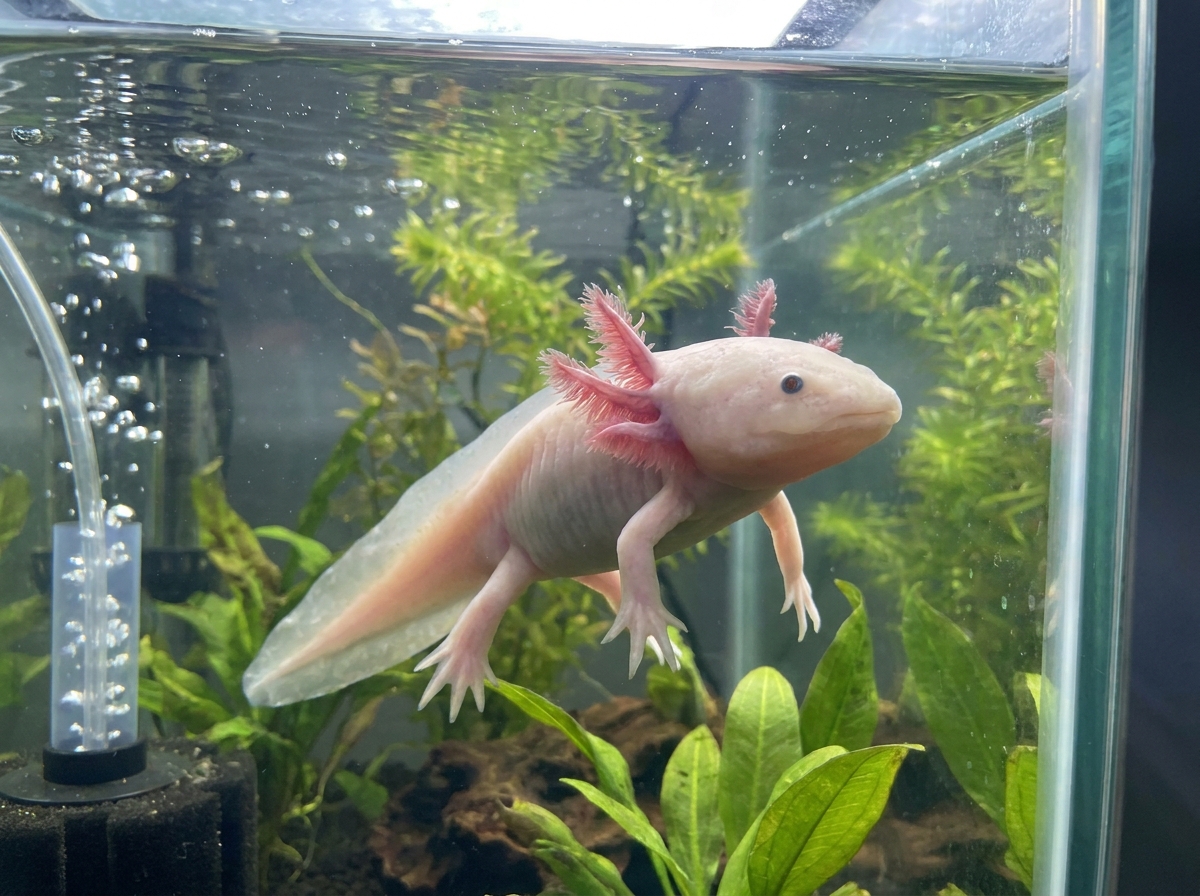
Axolotls are naturally buoyant creatures. They have a gas bladder that helps them maintain their position in the water. This adaptation is crucial for their survival as it allows them to navigate their aquatic environment effectively. However, if they are floating more than usual, it may suggest that something is amiss. Understanding the balance between their natural buoyancy and potential health issues is key.
There are several factors to consider when assessing floating behavior. For instance, their natural buoyancy can cause them to float if they are relaxed or resting after a meal. Additionally, they may float while they are actively swimming and exploring their tank, especially if they are excited. During breeding or spawning behaviors, you might also observe floating as part of their reproductive display.
- Their natural buoyancy can cause them to float if they are relaxed or resting.
- Sometimes, they may float while they are actively swimming and exploring their tank.
- Floating can also occur during breeding or spawning behaviors.
Identifying Health Issues
If your axolotl is floating more than normal, it’s crucial to assess their overall health. Various health issues may lead to this behavior, and early identification is vital for effective treatment. Look for other accompanying signs or symptoms that could help pinpoint the underlying problem.
One of the primary health concerns associated with floating is swim bladder disease, a condition that affects their ability to control buoyancy. This can be exacerbated by factors such as overfeeding or poor water quality. It’s essential to be observant and look for additional symptoms, such as lethargy or a lack of appetite. Infections or illnesses that can lead to lethargy and floating should also be taken seriously, as they can escalate quickly if not addressed.
Digestive issues, including constipation or bloat, can also cause abnormal buoyancy. These conditions can arise from feeding inappropriate foods or not providing a varied diet. It’s important to monitor your axolotl’s eating habits and behavior closely to identify any potential digestive problems.
- Swim bladder disease, which affects their ability to control buoyancy.
- Infections or illnesses that can lead to lethargy and floating.
- Digestive issues, such as constipation or bloat, can also cause abnormal buoyancy.
Environmental Factors
The tank environment plays a significant role in your axolotl’s behavior. Factors such as water quality, temperature, and tank mates can influence floating behavior. Creating an optimal environment is essential for the well-being of your axolotl and can help mitigate floating issues.
High ammonia or nitrite levels can stress your axolotl, causing them to float. It’s crucial to regularly test your water parameters to ensure they are within acceptable limits. Water temperature fluctuations can also lead to stress and buoyancy issues. Axolotls thrive in cooler water, typically between 60-68°F (15-20°C), and temperatures outside this range can affect their health and behavior.
Additionally, incompatible tank mates might cause stress, leading to abnormal behavior, including floating. It’s essential to research compatible species and ensure that your axolotl feels safe and secure in its environment.
📖 Baca juga: Unveiling the Mystery: Why Axolotl Gills Curl and Shrink
- High ammonia or nitrite levels can stress your axolotl, causing them to float.
- Temperature fluctuations can lead to stress and buoyancy issues.
- Incompatible tank mates might cause stress, leading to abnormal behavior, including floating.
Common Causes of Floating in Axolotls
Understanding the root causes of your axolotl’s floating is essential for effective treatment. Let’s explore some of the most common reasons and how they can affect your pet’s health.
Swim Bladder Disease
Swim bladder disease is one of the most frequent causes of floating in axolotls. It can stem from various factors, including overfeeding, poor water quality, or injury. Symptoms may include an inability to dive or stay submerged, floating sideways or upside down, and lethargy and lack of appetite. Each of these signs can vary in severity, and early detection is crucial for recovery.
To help your axolotl recover, consider adjusting its diet and ensuring optimal water conditions. Reducing the frequency of feedings and providing smaller portions can help alleviate overfeeding issues. Furthermore, ensuring water quality is optimal can prevent further complications related to swim bladder disease.
In some cases, a veterinarian may recommend specific treatments or adjustments to your axolotl’s environment to facilitate healing. Monitoring their behavior closely during this time will provide insight into their recovery progress.
- Inability to dive or stay submerged.
- Floating sideways or upside down.
- Lethargy and lack of appetite.
Digestive Problems
Constipation or bloat is another common issue that can lead to floating behavior. Overfeeding or feeding inappropriate foods can contribute to these problems. Signs of digestive distress include a swollen abdomen, refusal to eat, and difficulty swimming normally. Recognizing these symptoms early can help you take corrective actions before the situation worsens.
In such cases, adjusting the diet and offering the right foods can help alleviate the issue. Incorporating fiber-rich foods can aid digestion and prevent constipation. Additionally, providing a varied diet that includes both protein and vegetable sources can promote overall digestive health.
In more severe cases, a veterinarian may suggest specific interventions or treatments to address the digestive issues effectively. Regular monitoring of your axolotl’s eating habits and behavior is crucial in preventing these problems from recurring.
- Swollen abdomen.
- Refusal to eat.
- Difficulty swimming normally.
Water Quality Issues
Poor water quality is a significant stressor for axolotls and can lead to floating behavior. Regularly testing and maintaining water parameters is crucial. Here are some key factors to monitor to ensure a healthy environment for your axolotl:
Ammonia levels should be at 0 ppm, nitrite levels should also be at 0 ppm, and nitrate levels should be below 20 ppm. These measurements are vital indicators of water quality and should be checked regularly. High levels of ammonia and nitrites can be toxic and lead to health complications for your axolotl.
Frequent water changes and proper filtration can improve water quality and reduce stress on your axolotl. It’s beneficial to establish a regular cleaning schedule and consider using a high-quality filter specifically designed for the size of your tank. Additionally, introducing live plants can help naturally filter the water and provide a more stable environment.
- Ammonia levels should be at 0 ppm.
- Nitrite levels should also be at 0 ppm.
- Nitrate levels should be below 20 ppm.
Steps to Address Floating in Your Axolotl
Now that we’ve identified potential causes, let’s discuss actionable steps you can take to help your axolotl:
📖 Baca juga: Unlocking the Mystery: Why Is My Axolotl Not Eating?
Adjust the Diet
Feeding your axolotl the right diet is crucial for their health. Avoid overfeeding and consider incorporating a varied diet, including high-quality pellets, live or frozen foods like worms or small fish, and vegetables as occasional treats. A balanced diet is essential for promoting digestive health and preventing issues that can lead to floating.
It’s important to monitor how much you feed your axolotl and adjust portions based on their size and activity level. Overfeeding can lead to serious digestive problems, so providing smaller, more frequent meals is often a better approach. Additionally, consider offering foods that are appropriate for their age and size to ensure they receive the necessary nutrients.
- High-quality pellets.
- Live or frozen foods like worms or small fish.
- Vegetables as occasional treats.
Improve Water Quality
Maintaining clean water is vital. Regularly test your water parameters and perform partial water changes to keep conditions optimal. Consider using a quality filter to manage ammonia and nitrate levels, along with water conditioners to remove harmful chemicals. Consistent monitoring for any signs of stress in your axolotl is also essential.
In addition to regular testing, it’s beneficial to establish a routine for water changes—typically, a 20-30% change every week is recommended for maintaining good water quality. Furthermore, keeping an eye on the temperature and ensuring it remains stable can significantly affect your axolotl’s well-being.
- A quality filter to manage ammonia and nitrate levels.
- Water conditioners to remove harmful chemicals.
- Regular monitoring for any signs of stress in your axolotl.
Consult a Veterinarian
If your axolotl continues to float despite your efforts, it may be time to consult a veterinarian who specializes in amphibians. They can provide a thorough examination to diagnose any underlying health issues and recommend appropriate treatments. Veterinary care is important when dealing with persistent health concerns, especially when it comes to amphibians.
In addition to diagnosing any health issues, a veterinarian can provide you with tailored advice on the best care practices for your specific situation. This may include dietary recommendations, environmental adjustments, or medications to help your axolotl recover.
- A thorough examination to diagnose any underlying health issues.
- Medications or treatments appropriate for your axolotl’s condition.
- Advice on the best care practices for your specific situation.
Conclusion
Understanding why your axolotl is floating is crucial for their health and well-being. By identifying the potential causes, whether they are related to health issues, environmental factors, or diet, you can take the necessary steps to help your pet. Regular monitoring and care will ensure your axolotl remains a vibrant and healthy member of your aquatic family. If floating persists, don’t hesitate to seek professional advice to ensure your axolotl receives the best care possible.
Frequently Asked Questions (FAQ)
Why is my axolotl floating at the top of the tank?
Floating at the top can indicate various issues, including swim bladder disease, poor water quality, or digestive problems. Monitor their behavior closely and take appropriate action based on your observations.
Is it normal for an axolotl to float sometimes?
While axolotls can float occasionally, excessive floating is not typical and may signal a problem. It’s essential to investigate further to determine if there is an underlying issue contributing to this behavior.
What should I do if my axolotl won’t stop floating?
If your axolotl continues to float, assess their environment, diet, and health. If symptoms persist, consult a veterinarian for guidance and further evaluation of their condition.
Can floating be harmful to my axolotl?
Floating itself is not harmful, but if it indicates a health issue, it can lead to serious complications if left untreated. Regular monitoring and care are essential to ensure your axolotl’s health and well-being.