
Axolotls are fascinating aquatic creatures that have captured the hearts of many pet owners. However, like any pet, they can suffer from health issues, including fungal infections. Understanding how to treat axolotl fungus is crucial for maintaining their health and well-being. This article will provide you with detailed insights on identifying, treating, and preventing fungal infections in axolotls.
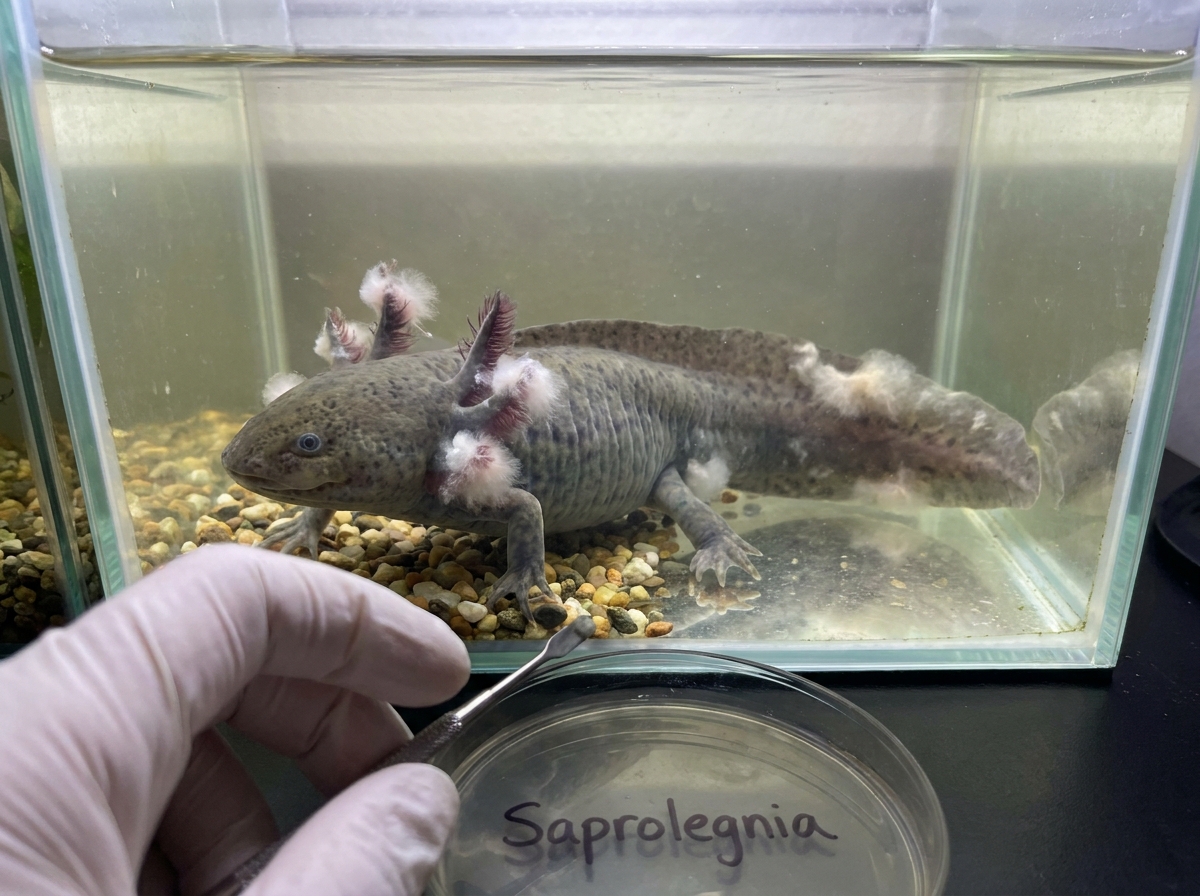
Fungal infections in axolotls often manifest as white, cotton-like growths on their skin or gills. These infections can be caused by poor water quality, stress, or injuries. Early detection and prompt treatment are essential to ensure your axolotl remains healthy. In the following sections, we will explore the symptoms, treatment options, and preventive measures for axolotl fungus.

Identifying Fungal Infections in Axolotls
Recognizing the signs of a fungal infection is the first step in ensuring your axolotl receives timely care. Fungal infections can develop rapidly, and understanding the symptoms can allow for early intervention. Here are some common symptoms to watch for:
Visible Growths on Skin
The most apparent sign of a fungal infection is the presence of white, fluffy growths on the axolotl’s skin. These growths can appear similar to cotton or mold and may spread quickly if not treated. As the infection progresses, these patches can increase in size and number, leading to more severe health complications. It’s important to regularly inspect your axolotl, especially after any stressful events or changes in their environment.
In severe cases, the fungal growths can lead to lesions or open wounds, which can further compromise the axolotl’s health. If you notice these symptoms, it is crucial to take immediate action. Furthermore, the texture of the skin may change, becoming rough or discolored, which could indicate that the infection is worsening.
Changes in Behavior
Infected axolotls may exhibit changes in behavior, such as lethargy or reduced appetite. If your axolotl is not as active or is refusing to eat, it may be a sign of an underlying health issue. Behavioral changes can also include hiding more often or being less responsive to stimuli. These changes can indicate that the axolotl is feeling unwell or is in distress due to the infection.
Monitoring your axolotl’s behavior can provide valuable insights into their health. Keeping a journal of their activity levels, feeding habits, and any visible symptoms can help you identify patterns that may require intervention. If you observe persistent lethargy or a drastic change in eating habits, it is advisable to consult a veterinarian.
Respiratory Distress
Fungal infections can also affect the gills, leading to difficulty in breathing. If you notice your axolotl is gasping at the surface or showing signs of distress, it is crucial to investigate further. Respiratory distress can manifest as rapid gill movement or an inability to stay submerged in the water. These symptoms may indicate that the infection is severe enough to impede the axolotl’s ability to take in oxygen.
In addition, the water quality can exacerbate these symptoms. High levels of ammonia or nitrites can stress the axolotl’s gills, making them more susceptible to fungal infections. Regular testing of water parameters is essential to ensure that the environment remains conducive to your axolotl’s health.
Effective Treatment Methods for Axolotl Fungus
Once you have identified a possible fungal infection, it’s time to take action. Here are some effective treatment options that can help your axolotl recover:
Medicated Baths
One of the most common treatments for axolotl fungus is a medicated bath. You can use antifungal medications specifically designed for aquatic animals. Make sure to follow the instructions on the packaging for the correct dosage and duration of the treatment. Often, these medicated baths need to be administered over several days to be effective, and it’s important to monitor your axolotl during this time for any adverse reactions.
In addition to medicated baths, some owners opt for natural remedies such as salt baths, using aquarium salt diluted in water. However, it’s essential to research and ensure that any treatment approach is safe for axolotls, as they are sensitive to changes in their environment and medications.
Improving Water Quality
Maintaining clean and well-oxygenated water is essential for your axolotl’s recovery. Regularly test the water parameters, including pH, ammonia, nitrite, and nitrate levels. Use a high-quality water conditioner to remove harmful chemicals and ensure a safe environment. A stable environment can significantly benefit your axolotl’s recovery process by reducing stress and improving their immune response.
📖 Baca juga: Unveiling the Mystery: Why Axolotl Gills Curl and Shrink
Moreover, consider implementing a filtration system that provides adequate water circulation. This helps maintain consistent water quality and prevents the accumulation of harmful substances that can contribute to fungal growth. Regular water changes and routine cleaning of the tank can also minimize the risk of future infections.
Isolation and Quarantine
If you have multiple axolotls, it’s advisable to isolate the infected one to prevent the spread of the fungus. Place the affected axolotl in a separate tank with appropriate conditions for recovery. Quarantine tanks should be set up with optimal water parameters and minimal stressors, such as hiding spots and gentle filtration. This will help the infected axolotl to recover without the risk of transmitting the infection to healthy tank mates.
During the quarantine period, observe the affected axolotl closely for any changes in symptoms. This allows for timely adjustments to treatment if necessary. Additionally, ensure that any equipment used in the quarantine tank is separate from the main tank to avoid cross-contamination.

Preventing Fungal Infections in Axolotls
Prevention is always better than cure. Here are some strategies to minimize the risk of fungal infections:
Regular Tank Maintenance
Keeping your axolotl’s tank clean is vital. Perform regular water changes and clean the substrate to prevent the buildup of harmful bacteria and fungi. Establish a routine for tank maintenance to keep the environment healthy, which includes vacuuming the substrate and cleaning decorations. This routine can help create a stable living environment that supports your axolotl’s health.
Additionally, consider the type of substrate you use. Some substrates can harbor harmful bacteria, while others are easier to clean. Sand or bare-bottom tanks are often recommended for axolotls, as they reduce the risk of injury and make cleaning simpler.
Monitoring Stress Levels
Stress can weaken your axolotl’s immune system, making them more susceptible to infections. Ensure that your axolotl has a suitable habitat, with hiding spots and minimal disturbances. Avoid overcrowding and sudden changes in water conditions. Stressors can include loud noises, sudden changes in lighting, or aggressive tank mates. Understanding your axolotl’s behavior and preferences can help you create a more comfortable environment.
Regularly observe your axolotl for signs of stress, such as increased hiding or erratic swimming patterns. Addressing stress factors promptly can help maintain a healthier axolotl that is less prone to infections.
Proper Nutrition
A well-balanced diet is essential for your axolotl’s health. Provide high-quality food that meets their nutritional needs, including live or frozen foods like earthworms and brine shrimp. A healthy diet will support their immune system and overall well-being. Additionally, consider providing a varied diet to ensure that your axolotl receives all necessary nutrients, which can help bolster their defenses against infections.
Feeding schedules can vary based on age and size, so adjust the frequency of feeding accordingly. Juvenile axolotls may require more frequent feedings, while adults can thrive on a less frequent schedule. Monitor their weight and health to adapt their diet as needed.
When to Seek Veterinary Help
While many fungal infections can be treated at home, there are times when professional help is necessary. If your axolotl’s condition does not improve with treatment, or if you notice severe symptoms such as open wounds or excessive lethargy, consult a veterinarian who specializes in aquatic animals. Early intervention can significantly affect the outcome, making it crucial to act swiftly if the situation worsens.
Understanding the Role of a Veterinarian
A qualified veterinarian can provide a thorough examination and may recommend additional treatments or medications that are not available over the counter. They can also assist in diagnosing any underlying health issues that may be contributing to the fungal infection. Having access to a veterinarian with experience in aquatic animals can be invaluable, as they can offer tailored advice based on your axolotl’s specific condition.
📖 Baca juga: Unlocking the Mystery: Why Is My Axolotl Not Eating?
Furthermore, veterinarians can conduct tests to rule out other potential diseases or infections that may be complicating the treatment of fungal infections. This comprehensive approach allows for a more effective treatment plan.
Importance of Early Intervention
Early intervention is key to successful treatment. The sooner you recognize the signs of a fungal infection and take action, the better the chances of recovery for your axolotl. Delaying treatment can lead to more severe complications, including systemic infections or even death. Always err on the side of caution if you are unsure about your axolotl’s health.
Keeping an eye on your axolotl’s health and behavior can help you catch issues before they escalate. Having a protocol for when to intervene can help you respond quickly. Regular check-ups with a veterinarian can also help catch potential issues before they become serious.
Follow-Up Care
After treatment, continue to monitor your axolotl’s health closely. Make sure to maintain optimal water conditions and provide a stress-free environment to prevent future infections. Follow-up care is crucial, as some infections may recur if the initial cause is not addressed.
Regular health checks, consistent tank maintenance, and avoiding stressors can help ensure your axolotl remains healthy after treatment. Keeping a log of any changes in behavior or appearance can also assist in early detection of any future health issues. Overall, a proactive approach can significantly improve your axolotl’s quality of life.
Conclusion
Treating axolotl fungus requires vigilance, prompt action, and a commitment to maintaining a healthy environment. By understanding the signs of infection, implementing effective treatment methods, and practicing preventive care, you can help your axolotl thrive. Remember, your pet’s health is in your hands, so take the necessary steps to ensure they live a happy and healthy life.
Pertanyaan Umum (FAQ)
What causes fungus in axolotls?
Fungal infections in axolotls are often caused by poor water quality, stress, or injuries that compromise their immune system. Factors such as high ammonia levels, fluctuations in pH, and overcrowding can create an environment conducive to fungal growth.
Can I treat axolotl fungus at home?
Yes, many fungal infections can be treated at home with medicated baths and improved water quality, but monitoring is crucial. Always ensure that any treatments used are appropriate for axolotls, as some medications can be harmful if misapplied.
How can I prevent fungal infections in my axolotl?
Regular tank maintenance, monitoring stress levels, and providing proper nutrition are essential steps in preventing fungal infections. Creating a stable and clean environment will significantly reduce the likelihood of infection.
When should I take my axolotl to the vet?
If your axolotl shows severe symptoms or does not improve with home treatment, it is advisable to consult a veterinarian. Early intervention can make a significant difference in the outcome of your axolotl’s health.