
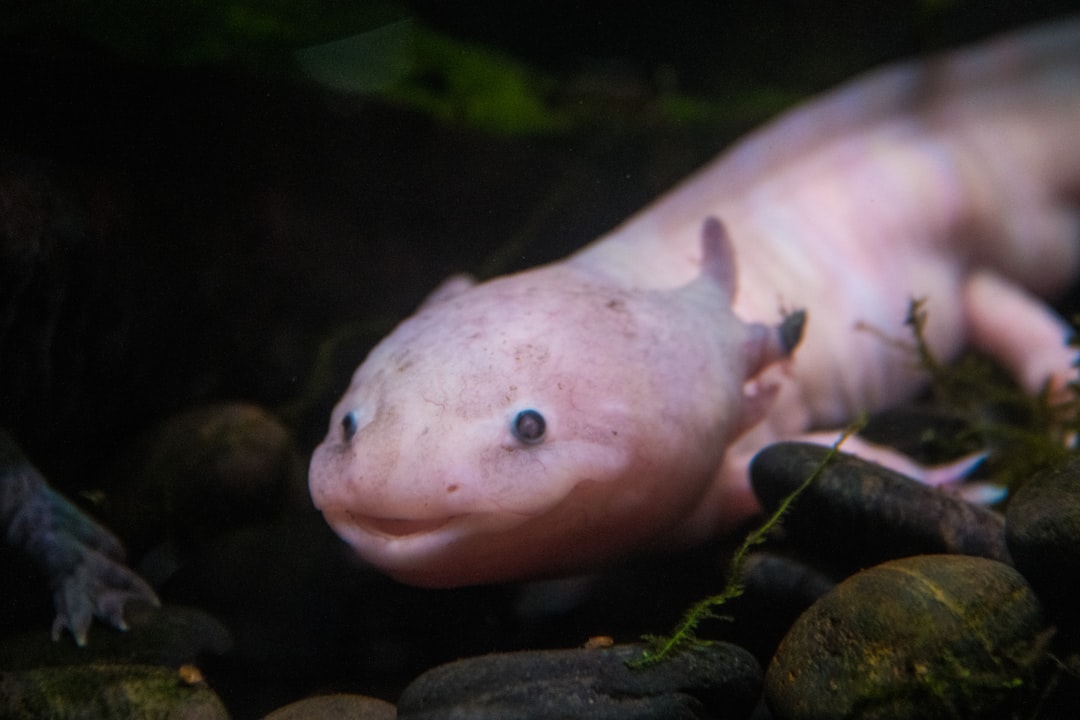
When it comes to keeping axolotls, ensuring their environment is clean and healthy is paramount. One essential tool that many axolotl enthusiasts swear by is the sponge filter. This efficient filtration system not only helps to maintain water clarity but also provides a safe and stable habitat for these unique creatures. In this article, we will explore the benefits of sponge filters, how they work, and why they are an excellent choice for your axolotl tank.
Sponge filters are popular among aquarists for several reasons. They are easy to maintain, provide biological filtration, and are particularly gentle for delicate species like axolotls, which can be sensitive to strong currents. Understanding how to use and care for sponge filters can greatly enhance the health and longevity of your axolotl.
Whether you are a novice or an experienced keeper, this guide will cover everything you need to know about sponge filters specifically for axolotls, helping you create the ideal aquatic environment for your pet.
Benefits of Using Sponge Filters for Axolotls
Before diving into the specific tips for using sponge filters, let’s first discuss the numerous benefits they offer for your axolotl’s habitat. Sponge filters stand out due to their unique design and operational advantages that cater to the needs of aquatic animals.
Sponge filters utilize a sponge as the primary filtration medium, which serves multiple functions. The sponge not only acts as a physical barrier to trap debris but also supports beneficial bacteria that are crucial for biological filtration. This balance is essential for keeping ammonia and nitrite levels low, creating a safer environment for your axolotl. In fact, the presence of these beneficial bacteria helps establish a nitrogen cycle, which is vital for any aquarium ecosystem.
Additionally, sponge filters create a gentle current in the water, which is ideal for axolotls that prefer calmer conditions. This natural flow mimics their habitat in the wild, where they inhabit slow-moving waters. The gentle filtration also means that axolotls can thrive without the stress of strong water currents, which can otherwise lead to health issues such as exhaustion or injury. With these benefits in mind, let’s explore the practical aspects of using sponge filters in your axolotl tank.
Easy Maintenance and Cleaning of Sponge Filters for Axolotls
One of the most significant advantages of sponge filters is their ease of maintenance. Unlike traditional filters that often require complicated setups and frequent cartridge replacements, sponge filters can be cleaned quickly and easily. Regular maintenance involves rinsing the sponge in tank water to remove debris while preserving the beneficial bacteria.
To clean your sponge filter, simply remove it from the tank and gently squeeze it in a bucket of tank water. Avoid using tap water, as it can kill the beneficial bacteria necessary for proper filtration. After cleaning, reinsert the sponge filter into the tank and ensure it is functioning correctly. This simple cleaning method not only reduces the risk of introducing harmful chemicals but also ensures the ongoing effectiveness of the filter.
Moreover, maintaining a consistent cleaning schedule, such as every few weeks, can help keep your axolotl’s habitat in optimal condition. This diligence in care helps prevent the buildup of harmful substances in the aquarium, ensuring a healthy environment for your pet.
Cost-Effective Solution: Sponge Filters for Axolotls
Sponge filters are generally more affordable compared to other filtration systems. They require less energy to operate, which can result in lower electricity bills over time. This cost-effectiveness makes sponge filters an excellent choice for those on a budget or anyone looking to maintain multiple tanks.
In addition to being inexpensive to purchase, sponge filters typically have a longer lifespan than traditional filters due to their simple design and fewer moving parts. This longevity means that you won’t need to replace them as frequently, further saving you money in the long run. For aquarists who own multiple tanks, the affordability and efficiency of sponge filters can significantly ease the financial burden of aquarium maintenance.
Furthermore, the low operational cost of sponge filters can encourage more responsible aquarium keeping, allowing enthusiasts to focus on providing better habitats for their axolotls without breaking the bank.
Ideal for Breeding and Fry: Sponge Filters in Axolotl Care
If you plan on breeding axolotls or keeping young fry, sponge filters are especially beneficial. The gentle filtration prevents young axolotls from being sucked into the filter, reducing stress and injury risk. This feature creates a safe environment for both fry and adult axolotls.
Breeding axolotls can be a rewarding experience, but it comes with its own set of challenges. The safety of the fry is crucial, as they are particularly vulnerable during their early life stages. Sponge filters provide a safe haven for these young axolotls, allowing them to swim freely without the fear of being trapped or injured. This gentle filtration also helps maintain optimal water conditions, which are critical for the health and growth of the fry.
 📖 Read also:
Discover the Best Filter for Axolotl Tank: The Ultimate Guide You Need!
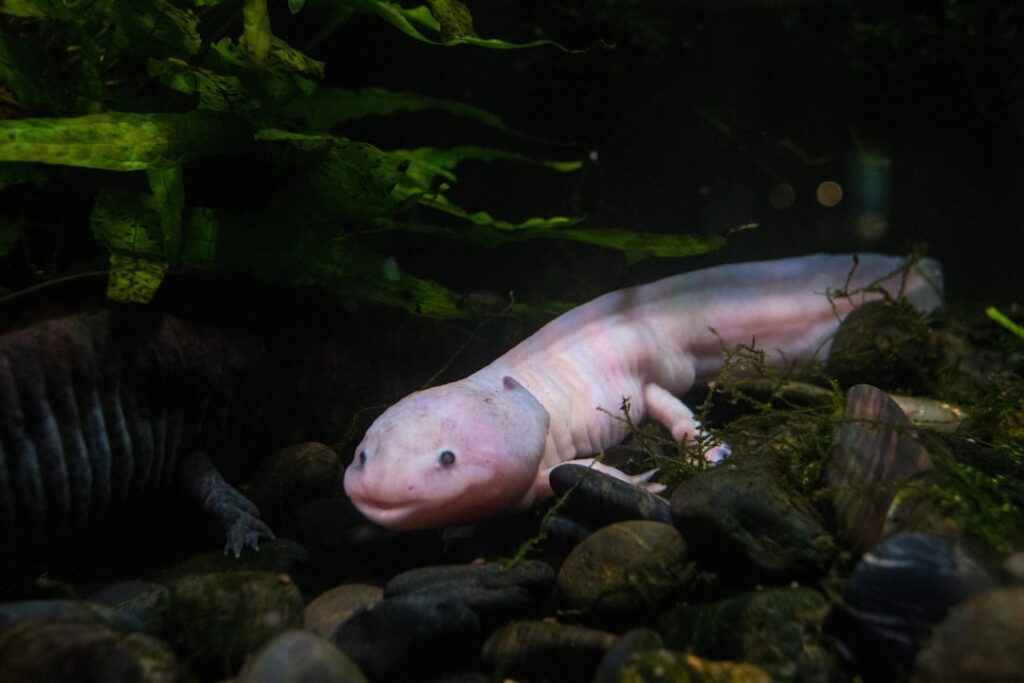
Additionally, using sponge filters in breeding setups allows for the easy transfer of beneficial bacteria, further supporting the health of both fry and adults. This biological balance is essential for creating a thriving aquatic environment where axolotls can grow and develop healthily.
Setting Up Your Sponge Filter for Axolotl Tanks
Setting up a sponge filter for your axolotl tank is straightforward. Here’s a step-by-step guide to help you get started.
Choosing the Right Sponge Filter for Your Axolotl
First, select a sponge filter appropriate for your tank size. Ensure that the filter you choose has a flow rate suitable for axolotls, as they do not thrive in strong currents. A filter rated for a larger tank can often be adjusted to suit smaller setups, providing versatility.
When selecting a sponge filter, consider the type of sponge being used. Some sponges are designed specifically for biological filtration, while others may provide more mechanical filtration. It’s essential to choose a sponge filter that balances both aspects to maintain a healthy environment for your axolotl.
Additionally, look for sponge filters that come with adjustable air flow. This feature allows you to customize the water movement in your tank, ensuring that it remains gentle enough for your axolotl while still effectively filtering the water. A well-chosen sponge filter can significantly contribute to the overall health and well-being of your aquatic friends.
Installation Steps for Your Sponge Filter
1. Begin by placing the sponge filter in the desired location within the tank.
2. Attach an air pump to the sponge filter using airline tubing. Make sure the pump is adequately sized for the filter.
3. Plug in the air pump and ensure that the sponge filter begins to draw water through the sponge.
4. Allow the filter to run for at least 24 hours before adding your axolotl to ensure that it is properly cycled. This cycling process is crucial as it allows beneficial bacteria to establish themselves in the sponge, creating a stable environment for your axolotl.
During this initial setup phase, monitor the sponge filter to ensure it is functioning correctly. Check for any blockages or issues with the air pump to guarantee optimal performance before introducing any aquatic life to the tank.
Monitoring Water Quality with Sponge Filters
Once your sponge filter is set up and running, it’s crucial to monitor your water quality regularly. Test for ammonia, nitrite, and nitrate levels using a reliable aquarium test kit. Keeping water quality in check is essential for the health of your axolotl.
Regular water testing will help you identify any imbalances in your aquarium’s ecosystem, allowing you to take corrective action before any serious health issues arise. Maintaining stable water parameters is particularly important for axolotls, as fluctuations can lead to stress and illness.
In addition to testing for chemical levels, pay attention to physical indicators of water quality, such as clarity and odor. If the water appears cloudy or has an unpleasant smell, it could signal a problem that needs to be addressed immediately. By staying proactive about water quality, you can ensure a safe and healthy environment for your axolotl.
Common Mistakes to Avoid with Sponge Filters for Axolotls
While sponge filters are generally user-friendly, there are common pitfalls that beginners may encounter. Being aware of these mistakes can save you time and ensure a healthier environment for your axolotl.
 📖 Read also:
The Ultimate Guide to Axolotl Filter Setup: Ensure a Healthy Aquarium with These Tips!
Over-Cleaning the Filter: A Common Mistake
Many aquarists make the mistake of cleaning their sponge filter too frequently. While it’s essential to remove debris, over-cleaning can disrupt the beneficial bacteria that aid in biological filtration. Aim to clean your sponge filter every few weeks rather than weekly.
By allowing a stable colony of beneficial bacteria to flourish in the sponge, you can enhance the efficiency of your filter and contribute to a healthier tank environment. Remember that these bacteria take time to establish, so a careful approach to cleaning is necessary to prevent unnecessary die-off.
Additionally, consider monitoring the sponge for signs of clogging. If you notice decreased water flow, it may be time for a cleaning, but be mindful not to overdo it. A balanced approach will ensure that your sponge filter remains effective without compromising the health of your axolotl.
Using Tap Water for Cleaning Sponge Filters
As previously mentioned, using tap water to clean your sponge filter can kill beneficial bacteria. Always use water from your aquarium for cleaning to maintain a healthy balance of bacteria.
Using treated or dechlorinated water may be necessary if you do not have enough tank water available. The goal is to avoid introducing harmful chemicals that can disrupt the delicate balance within your aquarium.
Moreover, establishing a dedicated bucket or container for cleaning purposes can help streamline the process and ensure that you always have a safe method for rinsing off debris from your sponge filter.
Ignoring Water Quality Tests: A Critical Error
Failing to regularly test the water quality can lead to unmanageable ammonia spikes or other harmful conditions. Take the time to monitor your axolotl’s environment to ensure it remains safe and healthy.
Neglecting this aspect of tank maintenance can result in a rapid decline in your axolotl’s health. Regular testing allows you to detect problems early and implement solutions before they escalate into serious issues.
Utilizing a water testing log can help you keep track of your results and identify trends over time. This information can be invaluable in understanding how different factors, such as feeding habits or filter maintenance, impact your tank’s water quality.
Conclusion: The Importance of Sponge Filters for Axolotls
Sponge filters are an excellent choice for maintaining a clean and safe habitat for your axolotl. With their ease of maintenance, cost-effectiveness, and gentle filtration, they cater perfectly to the needs of these unique aquatic creatures. By following the tips outlined in this guide, you can create an ideal environment for your axolotls, ensuring their health and happiness for years to come.
As you embark on your journey of axolotl care, consider incorporating a sponge filter into your setup. Your axolotl will thank you with vibrant colors and lively behavior!
Frequently Asked Questions (FAQ)
What is a sponge filter?
A sponge filter is a type of aquarium filter that uses a sponge as a medium for both mechanical and biological filtration, providing a safe environment for aquatic life.
How often should I clean my sponge filter?
It is recommended to clean your sponge filter every few weeks to avoid disrupting the beneficial bacteria while still maintaining cleanliness.
Can I use a sponge filter for other types of fish?
Yes, sponge filters are suitable for many types of fish, especially those that prefer calm waters, making them ideal for breeding and raising fry.
1 thought on “Discover the Benefits of Sponge Filter Axolotl: Essential Tips in This Comprehensive Guide”