Axolotls, known for their unique regenerative abilities and striking appearance, have fascinated both scientists and pet owners alike. One of the intriguing aspects of these aquatic creatures is the behavior of their gills. Many axolotl owners notice that their axolotl’s gills can curl or shrink at times, leading to questions about the health and well-being of these remarkable amphibians. Understanding why this happens is essential for anyone looking to keep axolotls healthy and thriving.
In this article, we will delve into the reasons behind axolotl gills curling or shrinking, the implications it has for their health, and what you can do to ensure your axolotl remains in optimal condition. Let’s explore this fascinating topic!

Understanding Axolotl Gills
Axolotl gills are external structures that play a crucial role in respiration. Unlike many other amphibians, axolotls retain their juvenile features throughout their lives, a phenomenon known as neoteny. Their feathery gills allow them to absorb oxygen directly from the water, making them specially adapted to their aquatic environment. This unique adaptation not only allows them to thrive in their natural habitat but also makes them an interesting subject of study in the field of evolutionary biology.
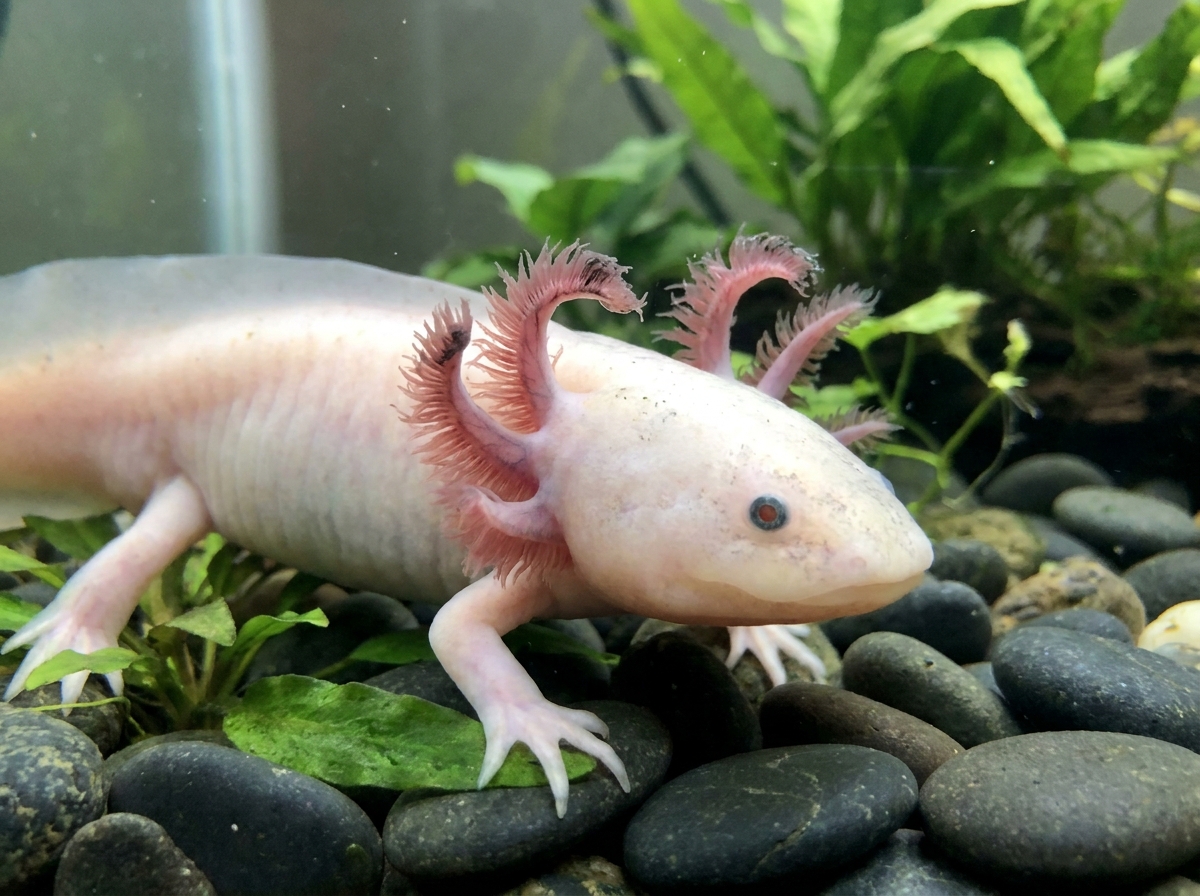
These gills are not only functional but also serve as a visual indicator of the axolotl’s health. Healthy gills are typically vibrant and fully extended, showcasing their beautiful frills. The color and condition of the gills can reflect the overall health of the axolotl, as they are sensitive to changes in their environment. For instance, vibrant pink or red gills indicate good oxygenation and health, while dull or shriveled gills can signal potential problems. Understanding the structure and function of these gills is crucial for any axolotl owner.
Why Gills Curl or Shrink
There are several reasons why axolotl gills may curl or shrink. Understanding these factors can help owners take appropriate action to ensure their pet’s health:
- Water Quality: Poor water quality is one of the primary causes of gill curling. High levels of ammonia, nitrites, or nitrates can irritate the gills, causing them to curl as a defensive response. In a natural setting, axolotls are accustomed to clean, fresh water. However, in captivity, the accumulation of waste products can lead to toxic conditions. Regular water testing and maintenance are vital in preventing this issue.
- Stress: Stress from environmental changes, such as sudden temperature fluctuations or aggressive tank mates, can lead to gill curling. A stressed axolotl may exhibit a range of symptoms, including a change in gill appearance. Stress can also weaken the immune system, making them more susceptible to diseases. Therefore, identifying and mitigating stressors in the environment is essential for maintaining healthy gills.
- Health Issues: Diseases or infections can also cause gills to curl or shrink. Bacterial infections, parasites, or fungal issues may lead to inflammation or damage, resulting in noticeable changes. These health issues can be exacerbated by poor water quality or stress, creating a cycle that can be difficult to break without intervention.

Signs of Healthy Gills
To gauge the health of your axolotl, it’s important to know what healthy gills look like. Here are some characteristics of healthy axolotl gills:
- Bright coloration: Vibrant pink or red gills indicate good oxygenation and health. This color is a sign that the gills are functioning properly and absorbing the necessary oxygen from the water.
- Fully extended: Healthy gills should be fully spread out, resembling feathery frills. This full extension allows for maximum surface area to absorb oxygen, which is essential for the axolotl’s respiration.
- Minimal curling: While some natural variation may occur, excessive curling or shriveling is a cause for concern. If the gills appear to be curling frequently or excessively, it may indicate underlying health issues that need to be addressed.
How to Maintain Healthy Gills
Ensuring your axolotl has healthy gills involves maintaining a stable and clean environment. Here are some practical tips for promoting gill health:
Regular Water Changes
Frequent water changes are essential to keep the tank clean and reduce harmful chemical levels. It is recommended to change 20-30% of the water weekly to maintain optimal water quality. Always use a water conditioner to eliminate chlorine and other harmful substances. Additionally, utilizing a high-quality filtration system can help maintain water clarity and quality between changes.
📖 Baca juga: Unlocking the Mystery: Why Is My Axolotl Not Eating?
It is also important to monitor the temperature of the water during changes, as sudden changes can stress the axolotl. Maintaining a stable temperature in the range of 16-18°C (60-64°F) is ideal for axolotls. Keeping a thermometer in the aquarium can help ensure that the water remains at a consistent temperature.
Monitor Water Parameters
Regularly test the water for ammonia, nitrite, and nitrate levels using a quality aquarium test kit. Keeping these levels within safe limits (ammonia and nitrite at 0 ppm, nitrates below 20 ppm) is crucial for your axolotl’s health. Consistent monitoring allows you to catch any potential issues early and take corrective action before they escalate into more significant problems.
In addition to these parameters, it’s also important to monitor pH levels, which should ideally be between 6.5 and 8.0. A stable pH helps ensure that the axolotl’s gills function properly and reduces the risk of stress or irritation.
Provide a Stress-Free Environment
Creating a calm environment for your axolotl is vital. Avoid sudden changes in water temperature and provide hiding spots using plants or decorations to help reduce stress. Axolotls naturally prefer environments where they can hide and feel secure, so incorporating caves, plants, and other forms of cover can help them feel more at ease.
Additionally, choose tank mates carefully, as certain species may stress axolotls. Ideally, axolotls should be kept alone or with non-aggressive species that do not compete for food or territory. Observing their behavior can provide insight into their stress levels; signs of stress include hiding excessively or displaying aggressive behaviors.

When to Seek Veterinary Care
If you notice your axolotl’s gills curling or shrinking persistently, it’s important to take action. Here are some signs that indicate a need for veterinary care:
Persistent Symptoms
If the curling or shrinking of gills does not improve despite changes in water quality or environment, it may indicate an underlying health issue that requires professional attention. Delaying intervention can lead to worsening conditions, making it critical to seek advice from a vet who specializes in aquatic animals.
📖 Baca juga: Essential Guide to Axolotl Water Parameters: Temperature, pH, and Ammonia Levels
Other Health Issues
Accompanying signs, such as lethargy, loss of appetite, or unusual swimming behavior, may suggest that your axolotl is unwell. In such cases, seeking a veterinarian who specializes in aquatic animals is essential. Early diagnosis and treatment can make a significant difference in recovery outcomes.
Infections or Injuries
If you observe any unusual growths, discoloration, or wounds on the gills, consult a veterinarian. Timely intervention can make a significant difference in the outcome of treatment. Infections can spread quickly in aquatic environments, so addressing them promptly is vital to your axolotl’s health.
Conclusion
Understanding why axolotl gills curl or shrink is vital for any owner wishing to maintain the health and well-being of their pet. By keeping a close eye on water quality, stress levels, and overall health, you can help ensure that your axolotl thrives. Regular monitoring and proactive care are key to preventing gill-related issues and ensuring that your axolotl remains a vibrant and healthy companion. Providing a stable environment and being attentive to changes will enable you to enjoy the fascinating presence of these remarkable creatures for years to come.
Frequently Asked Questions (FAQ)
What does it mean when axolotl gills curl?
Curling gills can indicate poor water quality, stress, or health issues. It’s important to assess the environment and overall health of the axolotl. Taking swift action can help mitigate any potential complications.
How can I improve my axolotl’s gill health?
Maintaining clean water, monitoring water parameters, and providing a stress-free environment are essential for promoting healthy gills in axolotls. Additionally, providing proper nutrition and ensuring a balanced diet can support overall health.
When should I take my axolotl to the vet?
If you notice persistent gill curling, lethargy, or any unusual symptoms, it’s recommended to seek veterinary care as it may indicate a serious health issue. Early intervention can lead to better outcomes for your axolotl.
Can axolotls recover from gill issues?
Yes, with proper care and intervention, many axolotls can recover from gill issues, especially if the underlying cause is addressed promptly. Consistent monitoring and a proactive approach are key to their recovery.