
Seeing your axolotl refuse food can be concerning for any pet owner. These fascinating amphibians are known for their unique appearance and captivating behavior, but when they suddenly stop eating, it can be a red flag. Understanding the reasons behind this behavior is crucial for ensuring the health and well-being of your axolotl. In this article, we will explore several potential causes for your axolotl’s lack of appetite and provide actionable tips to help you address this issue.
Understanding the Common Causes of Appetite Loss
There are numerous reasons why an axolotl might not be eating. Identifying the underlying cause can help you take effective measures to encourage your pet to start eating again. Here are some common factors to consider:

Stress Factors
Stress is a significant factor that can affect an axolotl’s appetite. Changes in their environment, such as moving to a new tank, aggressive tank mates, or fluctuations in water conditions, can all contribute to stress. It is essential to monitor the environment closely to ensure it is stable and conducive to your axolotl’s well-being. Stressors can range from simple changes, like the introduction of new decorations, to more complex issues such as overcrowding.
Additionally, axolotls can be sensitive to sudden changes in temperature. Keeping the water temperature within the recommended range of 16-18°C (60-64°F) can help minimize stress and encourage feeding. If the temperature spikes or drops too quickly, your axolotl may refuse to eat. A good practice is to invest in a reliable aquarium heater and thermometer to maintain consistent temperatures in the tank.
Lastly, any disturbances in their habitat, such as loud noises or frequent handling, can also lead to stress. Providing a quiet and stable environment is crucial for reducing anxiety in your axolotl. Creating hiding spots with plants or rocks can help your axolotl feel more secure, thereby reducing stress levels and potentially restoring their appetite.
Water Quality Issues
Poor water quality is another common reason for appetite loss in axolotls. High levels of ammonia, nitrites, or nitrates can be harmful and may cause your axolotl to stop eating. Regularly testing the water parameters is essential to maintain a healthy environment. Tools like liquid test kits or digital testers can provide accurate readings of your tank’s chemical composition, which is vital for your axolotl’s health.
Make sure to perform regular water changes to keep the tank clean. A general rule of thumb is to change 20-30% of the water weekly, but this may vary depending on the size of your tank and the number of axolotls you have. In tanks with high bioloads, such as those with multiple axolotls, more frequent changes might be necessary. Using a quality water conditioner can also help neutralize harmful chemicals in tap water before it enters the tank.
Also, ensure that the filtration system is adequately functioning and that you are using a dechlorinator if you are using tap water. Addressing any water quality issues promptly can help restore your axolotl’s appetite. Regular maintenance of the filter, including cleaning and replacing filter media, is crucial to ensure optimal water conditions. Pay attention to any algae growth or cloudiness in the water, as these can also indicate poor water quality.
Health Concerns
Underlying health problems may also be a reason why your axolotl is not eating. Common health issues include infections, parasites, or gastrointestinal problems. If you notice other symptoms such as lethargy, bloating, or unusual swimming behavior, it’s crucial to consult a veterinarian who specializes in aquatic animals. Recognizing these signs early can be the key to successful treatment, as many health issues can progress quickly in axolotls.
📖 Baca juga: Essential Guide to Axolotl Water Parameters: Temperature, pH, and Ammonia Levels
In some cases, axolotls may experience stress due to illness, which can further exacerbate their lack of appetite. A thorough health check can help identify any potential issues and allow for early intervention. This may include checking for visible signs of illness, such as discoloration, lesions, or abnormal gill movement. Keeping a close eye on your axolotl’s behavior and physical condition can provide valuable insight into their health and help you take appropriate action if needed.
It is also beneficial to familiarize yourself with common ailments that can affect axolotls, such as fungal infections or skin irritations. Having a basic understanding of these conditions can help you take proactive measures in maintaining your axolotl’s health and ensuring they receive timely care.
Feeding Habits and Preferences
Understanding your axolotl’s feeding habits and preferences is vital for ensuring they receive proper nutrition. Here are some tips to encourage your axolotl to start eating again:
Offer a Variety of Foods
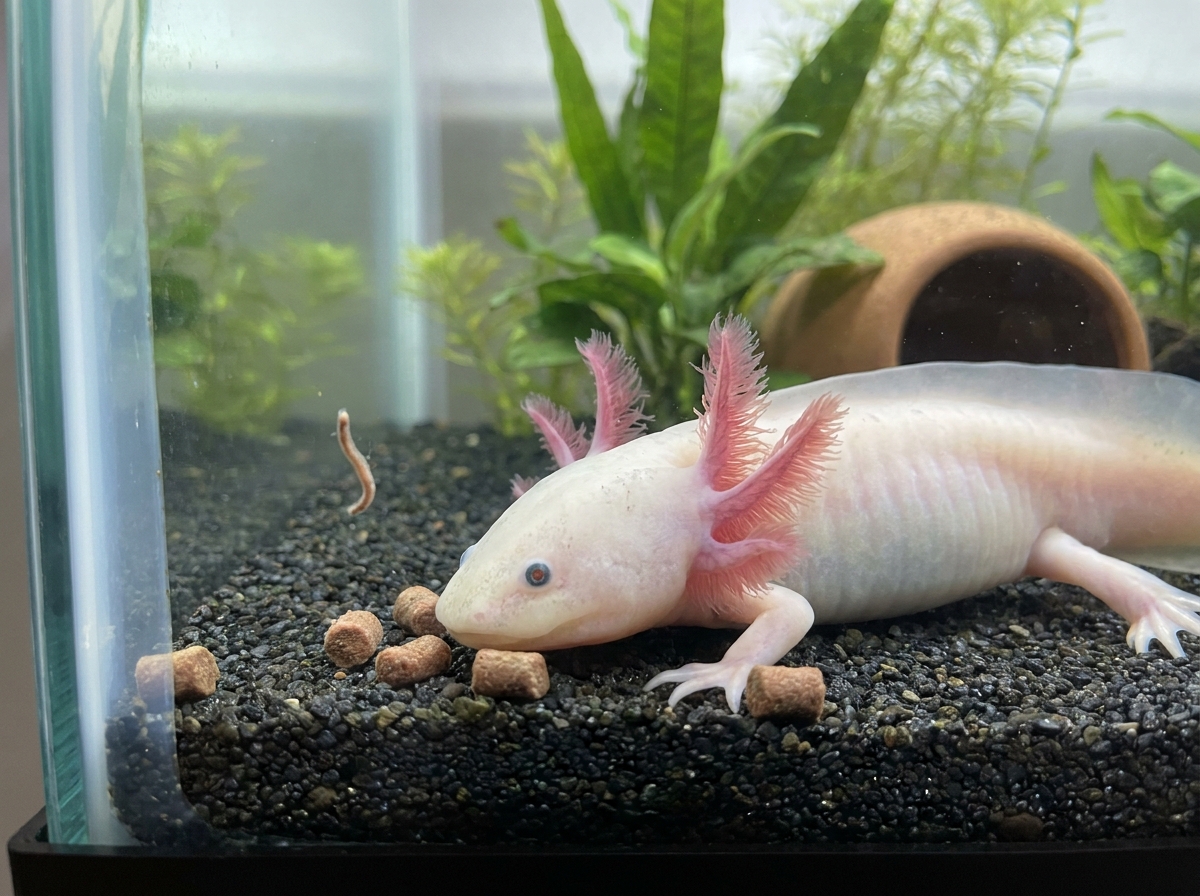
Axolotls are carnivorous and thrive on a diet that includes a variety of protein sources. If your axolotl is refusing food, try offering different types of food such as:
- Worms (earthworms or bloodworms)
- Pellets designed for axolotls
- Small pieces of fish or shrimp
Sometimes, offering a different food type can stimulate their appetite and encourage them to eat. However, avoid overfeeding, as this can lead to further health issues. It’s also beneficial to consider the size and shape of the food; smaller pieces may be more appealing to a hesitant eater. Additionally, ensuring that the food is fresh and free from contaminants is crucial, as spoiled food can deter them from eating.
Feeding Schedule
Establishing a consistent feeding schedule can help your axolotl develop a routine, which may encourage them to eat. Most axolotls do well with being fed every 2-3 days. Monitor their response to the feeding schedule and adjust as necessary. Keeping a feeding log can help you track their eating habits and preferences over time, which can be useful in identifying patterns or changes in behavior.
If you notice that your axolotl is still not eating after a few days, it might be time to investigate other potential issues. It’s important to avoid force-feeding, as this can cause additional stress and harm. Instead, give them time and adjust their environment and food offerings as needed.
Temperature Considerations
The water temperature plays a significant role in your axolotl’s feeding behavior. If the water is too cold or too warm, it can affect their metabolism and appetite. As mentioned earlier, keeping the water temperature between 16-18°C (60-64°F) is ideal. If the water temperature is outside this range, consider adjusting it gradually to avoid shocking your axolotl. Use a heater with a built-in thermostat for optimal temperature control and stability.
Additionally, ensure that your axolotl has access to areas in the tank where they can regulate their temperature. Providing a cooler spot can help them feel more comfortable and encourage them to eat. Additionally, consider the lighting conditions; bright lights can be stressful for axolotls, so using subdued lighting may help create a more inviting atmosphere for feeding.
📖 Baca juga: Discover What Do Axolotls Eat? Essential Feeding Guide & Schedule You Need to Know!
When to Seek Professional Help
If your axolotl continues to refuse food for an extended period, it is essential to seek professional help. A veterinarian with experience in aquatic animals can provide a thorough examination and recommend appropriate treatments. Early intervention can be critical, as prolonged refusal to eat can lead to further health complications.
Be prepared to provide details about your axolotl’s behavior, environment, and any changes you have noticed. This information can help the veterinarian diagnose the issue more effectively. Additionally, keeping records of your axolotl’s feeding habits, water parameters, and any observed symptoms can aid the veterinarian in making an accurate diagnosis.
In cases of severe health problems, early intervention can make a significant difference in your axolotl’s recovery and overall well-being. Don’t hesitate to reach out for help if you sense something is wrong; your axolotl’s health is paramount.
Conclusion
In summary, if you’re wondering, “Why is my axolotl not eating?”, it’s crucial to consider various factors including stress, water quality, health concerns, and feeding habits. By addressing these issues, you can help restore your axolotl’s appetite and ensure they remain healthy and happy. Remember to maintain a stable environment, provide a balanced diet, and seek professional help if necessary. Your axolotl’s well-being depends on your attentiveness and care.
Pertanyaan Umum (FAQ)
What should I do if my axolotl hasn’t eaten for a week?
If your axolotl hasn’t eaten for a week, it’s essential to assess their environment and health. Check water quality, temperature, and look for any signs of stress or illness. If issues persist, consult a veterinarian.
Can stress cause my axolotl to stop eating?
Yes, stress is a common reason for appetite loss in axolotls. Factors like changes in environment, tank mates, or water conditions can lead to stress and result in reduced feeding.
How often should I feed my axolotl?
Axolotls should typically be fed every 2-3 days. However, this may vary based on their age and size. Monitor their appetite and adjust the feeding schedule as needed.
Is it normal for axolotls to go through periods of not eating?
While it’s not uncommon for axolotls to have brief periods of reduced appetite, consistent refusal to eat can indicate underlying issues. Monitor their behavior closely and seek veterinary advice if necessary.