
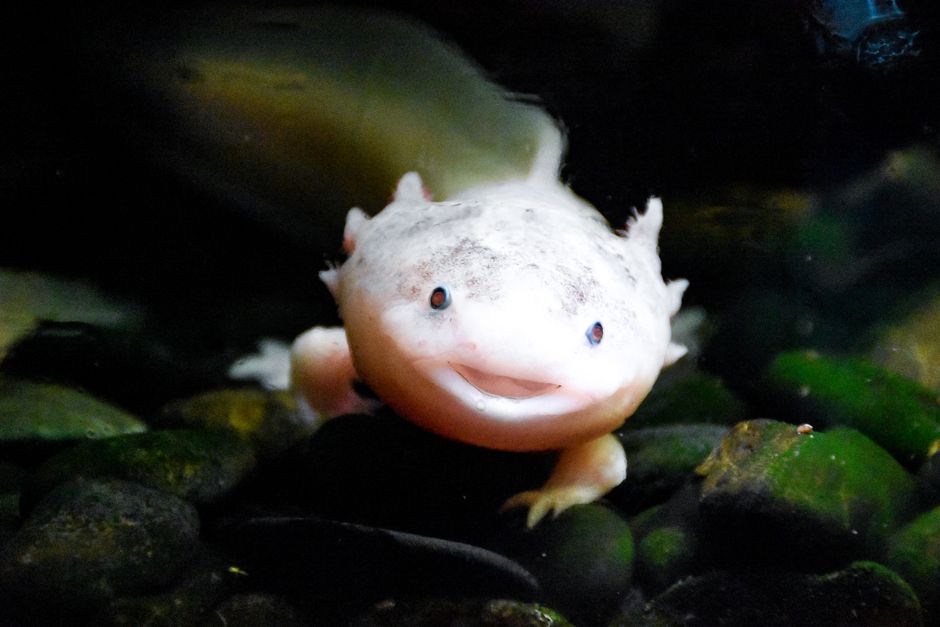
Axolotls are fascinating creatures that have captured the hearts of many pet owners. Known for their unique appearance and regenerative abilities, they also have specific dietary needs that are crucial for their health and well-being. If you’re wondering what do axolotls eat, this comprehensive feeding guide and schedule will provide you with all the information you need to ensure your axolotl thrives.
Understanding the dietary requirements of axolotls is essential for their growth, development, and overall health. In this guide, we will explore the types of food suitable for axolotls, feeding schedules, and tips for maintaining their diet. So, let’s dive in and learn how to properly feed your axolotl!

Axolotls are carnivorous amphibians, which means their diet primarily consists of protein-rich foods. This dietary requirement is important for their growth and regenerative capabilities. In the wild, axolotls feed on a variety of small prey, including insects, crustaceans, and small fish. When kept as pets, it’s essential to replicate this diet as closely as possible. By doing so, you not only support their health but also encourage natural behaviors and instincts.
Protein is a critical component of an axolotl’s diet, and it can come from various sources. Some common food options include live worms (such as earthworms and blackworms), pelleted axolotl or fish food, frozen or live brine shrimp, bloodworms, and small pieces of fish or shrimp. Each of these foods provides essential nutrients that support growth, energy levels, and overall vitality. However, it’s important to balance their diet, as relying too heavily on one type of food can lead to nutritional deficiencies.
It’s important to ensure that the food you provide is appropriately sized for your axolotl. Young axolotls require smaller food items, while adults can handle larger prey. Always monitor your axolotl’s eating habits to ensure they are consuming their food and not experiencing any issues. In addition, varying the diet can help prevent boredom and encourage more active feeding behavior, which is beneficial for their mental stimulation.
Types of Food for Axolotls
When it comes to feeding your axolotl, there are several types of food you can consider. Each type has its benefits and potential drawbacks that are worth analyzing to ensure your pet gets the best nutrition possible.
Live Food
Live food such as worms and brine shrimp can stimulate your axolotl’s natural hunting instincts. They are often more nutritious compared to processed foods, providing a range of vitamins and minerals crucial for development. Live food not only encourages exercise through hunting but also mimics the axolotl’s natural diet in the wild, leading to better overall health. However, sourcing live food can sometimes be challenging and may require more effort to maintain a consistent supply. Additionally, live food can introduce parasites or diseases if not sourced from reliable providers, so exercise caution.
Frozen Food
Frozen food like bloodworms and brine shrimp are convenient and readily available options for axolotl owners. They often retain nutritional value similar to live food, making them a safe alternative, provided you thaw them properly before feeding. Frozen foods are easy to store and can be purchased in bulk, allowing you to have a steady supply on hand. However, it’s crucial to check the ingredient list to avoid any fillers or non-nutritive substances that could harm your axolotl’s health.
📖 Baca juga: The Ultimate Guide to Axolotl Tank Setup: Create a Perfect Home!
Pelleted Food
Pellets specifically designed for axolotls or fish can be a great staple in their diet. They are easy to store and portion out, which makes feeding more convenient. Just make sure to choose high-quality pellets that are rich in protein and free from artificial additives. Many pellets also include essential vitamins and minerals that support overall health. However, relying solely on pellets may not provide the variety that axolotls benefit from, so it’s advisable to incorporate live or frozen food into their diet regularly.
Feeding Schedule for Axolotls
Establishing a feeding schedule is crucial to maintaining your axolotl’s health. A consistent routine helps regulate their metabolism and ensures they receive adequate nutrition. Generally, younger axolotls require more frequent feedings compared to adults, as their growth rates are much higher and they expend more energy.
Feeding Young Axolotls
Young axolotls, typically under six months old, should be fed daily. You can provide them with small amounts of food that they can consume within a few minutes. This frequent feeding is essential for their rapid growth and development. It’s also a great opportunity to observe their feeding behavior and preferences, which can guide you in selecting the right types of food. Monitor their growth and adjust the feeding amount as necessary. As they grow, you may notice that their appetite increases, requiring you to provide slightly larger portions or more food items.
Feeding Adult Axolotls
Adult axolotls can be fed every other day. This frequency allows them to digest their food properly while preventing overfeeding, which can lead to health complications. It’s also important to vary their diet to prevent boredom and ensure they receive a wide range of nutrients. Adult axolotls can handle larger prey, so you may also introduce new food items or larger portions to accommodate their dietary needs. Keep an eye on their weight and body condition to adjust feeding amounts as necessary, ensuring they remain healthy and active.

Signs of Overfeeding
It’s essential to avoid overfeeding your axolotl, as this can lead to health issues. Signs of overfeeding include floating or bloating, foul-smelling waste, and refusal to eat. These symptoms indicate digestive distress and may require immediate adjustments to their diet and feeding schedule. If you notice these signs, reduce the amount of food you provide and adjust the feeding frequency accordingly. This may also involve temporarily fasting your axolotl to allow their digestive system to reset. Regular monitoring of their behavior and health is key to preventing overfeeding.
Tips for Feeding Axolotls
Feeding axolotls can be a rewarding experience, but there are some tips to keep in mind to ensure that your feeding routine is effective and healthy:
Maintain Cleanliness
Always keep the feeding area clean. Remove any uneaten food after a few hours to prevent water quality issues. Leftover food can decompose and affect water parameters, leading to harmful conditions for your axolotl. Regular cleaning also helps reduce the risk of bacteria buildup that could harm your axolotl. Establish a cleaning routine that includes weekly water changes and substrate maintenance to promote a healthy environment.
Monitor Water Quality
Water quality is essential for the health of your axolotl. Regularly test the water parameters, including pH, ammonia, nitrite, and nitrate levels, to ensure a safe environment for feeding. Maintaining optimal water conditions will not only support your axolotl’s health but also enhance their feeding behavior. Poor water quality can lead to stress and a lack of appetite, so investing in a quality water testing kit is advisable. Additionally, consider using a good filtration system to help maintain clean water.
📖 Baca juga: The Ultimate Axolotl Care Guide for Beginners: Unlock the Secrets to Happy Pets!
Consult a Veterinarian
If you’re unsure about your axolotl’s diet or if they exhibit any unusual behavior, consult a veterinarian who specializes in aquatic animals. They can provide tailored advice specific to your axolotl’s needs and help diagnose any underlying health issues. Regular check-ups can also ensure your axolotl remains healthy, allowing you to catch any potential problems early on. A vet can also recommend dietary supplements if necessary, ensuring your pet receives comprehensive nutrition.
Conclusion
In conclusion, understanding what axolotls eat and how to create a proper feeding schedule is vital for their health and well-being. By providing a balanced diet rich in protein and establishing a consistent feeding routine, you can help your axolotl thrive. Remember to keep an eye on their eating habits and maintain clean water conditions to ensure a happy and healthy pet. With the right knowledge and care, your axolotl will not only survive but thrive in its aquatic environment!
Providing a varied and nutritious diet, along with regular monitoring and adjustments, is the key to a long and healthy life for your axolotl. By following the guidelines in this guide, you can become a knowledgeable and responsible axolotl owner, creating a joyful environment for your pet.
Frequently Asked Questions (FAQ)
What is the best food for axolotls?
The best food for axolotls includes live worms, pellets specifically designed for them, and frozen food like bloodworms and brine shrimp. It’s essential to provide a varied diet for optimal health. Incorporating different food sources ensures that your axolotl receives all necessary nutrients for growth and vitality.
How often should I feed my axolotl?
Young axolotls should be fed daily, while adults can be fed every other day. Adjust the frequency based on their age and eating habits. Keeping a consistent schedule will help regulate their metabolism and contribute to their overall health.
Can I overfeed my axolotl?
Yes, overfeeding can lead to health issues such as bloating and floating. Monitor their eating habits and adjust the feeding amount as necessary. Being mindful of portion sizes and frequency can help prevent these complications.
What should I do if my axolotl refuses to eat?
If your axolotl refuses to eat, check water quality and temperature. If conditions are ideal and they still won’t eat, consult a veterinarian. A refusal to eat can indicate stress or health issues that may require professional attention.