
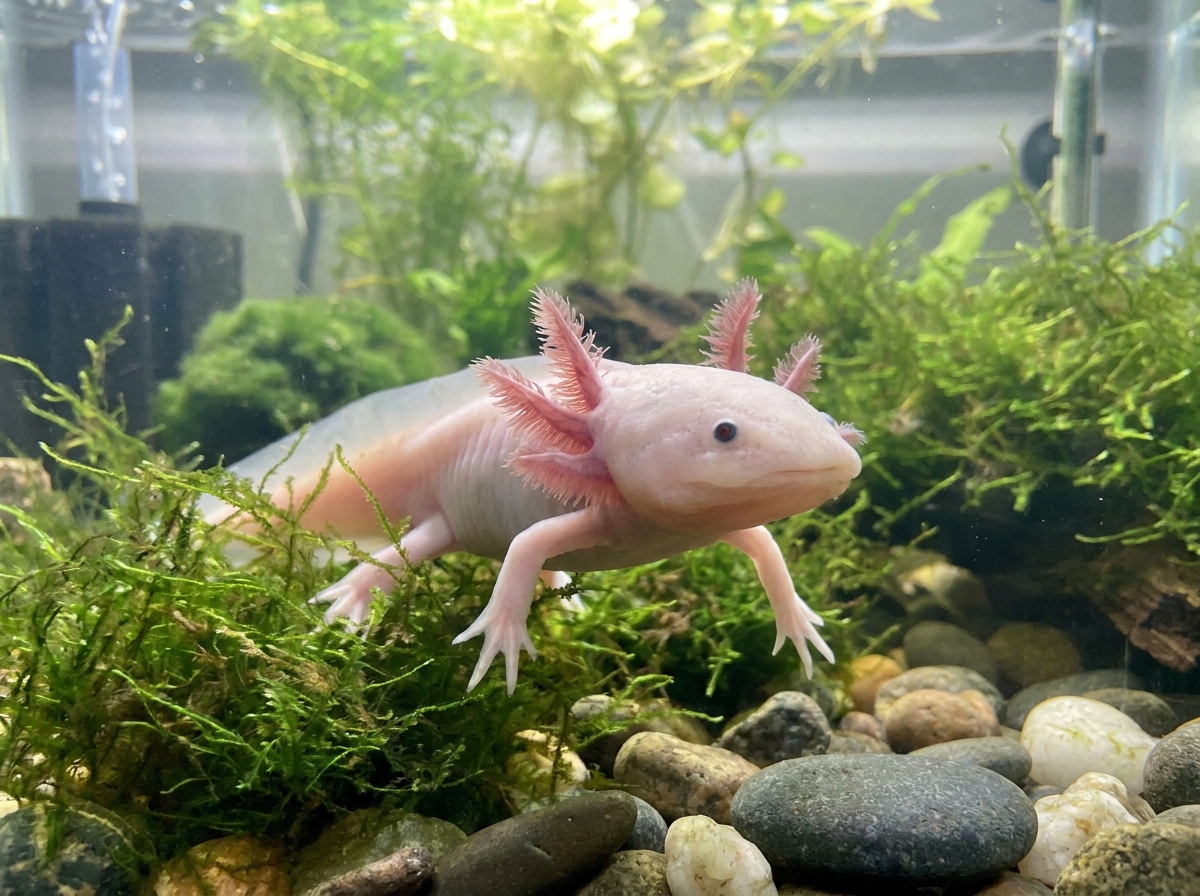
If you own an axolotl and notice it lying still in its tank, you might find yourself worrying about its health. The question often arises: is your axolotl dead or merely sleeping? Understanding the behavior of these unique creatures can help you determine their well-being. In this article, we will explore the signs to look for, what to do when your axolotl is not moving, and how to ensure its health.
Understanding Axolotl Behavior
Axolotls are fascinating amphibians known for their regenerative abilities and unique appearances. These creatures are often referred to as “Mexican walking fish”, although they are not fish but rather amphibians. Understanding their behavior is essential for new owners, as it allows you to recognize what is normal and what may indicate a problem. Axolotls have specific patterns of activity and rest, and knowing these can help you monitor their health effectively.
Typically, an axolotl’s behavior can vary based on factors such as age, health, and environmental conditions. Younger axolotls tend to be more active as they explore their surroundings, while older ones may adopt a more sedentary lifestyle. It’s essential to familiarize yourself with your axolotl’s normal behavior so that any changes can be quickly identified. Observing them closely will help you determine whether they are just resting or if there might be an underlying issue.

Normal Activity Levels
Axolotls are primarily nocturnal creatures, meaning they are most active during the evening and night. In their natural habitat, they spend time swimming, hunting, and interacting with their environment. During daylight hours, it is common for them to rest or hide among decorations in the tank. This behavior is entirely normal and should not cause alarm. However, if your axolotl is not moving for an extended period during its active hours, it’s crucial to assess their condition.
It’s also important to note that factors such as water temperature and tank conditions can affect an axolotl’s activity levels. An ideal water temperature for axolotls is typically between 60°F to 64°F (15°C to 18°C). Temperatures that are too high can lead to lethargy and stress. Therefore, maintaining optimal environmental conditions is vital for keeping your axolotl active and healthy.
Signs of a Healthy Axolotl
A healthy axolotl will exhibit specific behaviors that indicate good health. Regular swimming, exploring their tank, and showing interest in food are positive signs. A healthy axolotl often displays bright colors, clear skin, and active gills. Additionally, they may display curiosity by interacting with their environment, such as moving rocks or plants and investigating any changes in their surroundings.
Healthy axolotls should also have a robust appetite. If your axolotl eagerly approaches food when offered, this is a strong indicator that it is in good health. Regular feeding, along with observing their interest in food, contributes to their overall well-being. If an axolotl suddenly loses interest in eating or starts to hide more than usual, it may be a cause for concern and warrants further investigation.
Recognizing Signs of Distress
If your axolotl is inactive for longer than usual, it is important to look for other signs of distress. Common indicators may include discoloration of the skin, swelling in certain areas, or unusual postures such as floating or lying on the bottom without moving. These signs could suggest health issues that may require immediate attention. For example, if your axolotl’s gills appear pale or shriveled, this could indicate stress or poor water quality.
Additionally, look out for any unusual behavior such as scratching against tank surfaces, which may suggest irritation or infection. Monitoring for these signs is crucial, as early detection of potential health issues can lead to better outcomes. Keeping a journal of your axolotl’s behavior can also help in identifying any significant changes over time.

Is Your Axolotl Dead or Sleeping?
To determine whether your axolotl is dead or simply sleeping, you can perform a few checks. Observing specific physical signs can help clarify the situation. When you are concerned about your axolotl’s inactivity, it’s vital to approach the situation calmly and systematically.
Physical Checks to Perform
1. **Check for Gills Movement**: Gills should move rhythmically if the axolotl is breathing. If they are still, it may indicate a serious issue. Observing gill movement can give you immediate feedback on whether your axolotl is alive. A healthy axolotl typically has gills that pulse gently as they take in water and oxygen.
📖 Baca juga: Unlocking the Mystery: Why Is My Axolotl Not Eating?
2. **Touch the Axolotl Gently**: A light touch can help ascertain if the creature responds. A healthy axolotl should react to gentle prodding, either by moving away or turning towards the stimulus. If there is no response, this could indicate that the axolotl is unwell or possibly deceased.
3. **Observe for Any Movement**: Even slight movements can be a good sign. If your axolotl twitches its limbs or shifts position, it is likely still alive. If it remains completely still for an extended period without any signs of life, further investigation is necessary. In such cases, check for any additional signs of life, such as the movement of the eyelids or the curling of the tail.
Environmental Factors
Sometimes, the environment can impact an axolotl’s activity level. Ensure that water quality is optimal, with appropriate temperature and pH levels. Stress from poor water conditions can lead to lethargy. Regularly test the water parameters, including ammonia, nitrite, nitrate, and pH levels, to ensure they are within safe ranges. A sudden change in water conditions can shock your axolotl and lead to inactivity.
Additionally, consider the tank’s habitat. Axolotls thrive in environments that mimic their natural habitat, with plenty of hiding spots and gentle filtration. Overcrowding, excessive noise, or sudden movements around the tank can also stress your axolotl, causing it to retreat or become inactive. Creating a peaceful environment is essential for fostering a healthy and active axolotl.
Common Misconceptions
Many axolotl owners mistakenly believe that their pet’s inactivity is always a bad sign. In reality, axolotls can have periods of rest that mimic signs of being unwell. Understanding these differences is crucial for responsible pet ownership. It is normal for axolotls to have variations in their activity levels, and periods of rest should not necessarily lead to panic.
Moreover, new owners may not fully understand the unique biology and behavior of axolotls. For example, while fish are often seen swimming constantly, axolotls may choose to remain still, observing their surroundings before making a move. This behavior is part of their hunting strategy and should not be misconstrued as a sign of ill health. Educating yourself about these nuances will help you become a more confident and informed axolotl owner.

What to Do if Your Axolotl is Not Moving
If you suspect that your axolotl is not moving due to health issues, there are steps you can take to assist it. Knowing how to react can make a significant difference in your axolotl’s recovery and overall health.
Immediate Actions to Take
1. **Check Water Conditions**: Test the water parameters such as ammonia, nitrite, nitrate, and pH. Adjust accordingly to create a more suitable environment. If the water quality is poor, perform a partial water change to help improve conditions. Clean water is vital for the health of your axolotl, as it can prevent a range of health issues.
2. **Isolate the Axolotl**: If you have multiple axolotls, consider isolating the inactive one to monitor its behavior without interference. Isolation can also help prevent potential spread of diseases if the inactivity is due to illness. Use a separate tank with the same water conditions to ensure consistency.
3. **Consult a Veterinarian**: If there are no signs of improvement after taking initial action, consulting a vet experienced with aquatic animals can provide insights and treatment options. A professional can conduct a health assessment and recommend appropriate treatments based on their findings. Don’t hesitate to seek help; professional advice can be invaluable in ensuring the well-being of your axolotl.
📖 Baca juga: 5 Surprising Reasons Why Is My Axolotl Floating? Discover Solutions to Keep Them Healthy!
Long-Term Care Tips
To prevent future occurrences of inactivity, ensure your axolotl’s habitat is clean and well-maintained. Regular water changes and monitoring of their environment can significantly enhance their health. Establishing a routine for tank maintenance can help keep the water conditions stable, which is crucial for your axolotl’s health.
Additionally, pay attention to the tank’s decorations and plants. Ensure that they are safe for axolotls and do not pose a risk of injury. Regularly check for any debris or waste that may accumulate, as this can lead to poor water quality. A well-maintained habitat will encourage your axolotl to remain active and healthy.
Nutrition and Diet
Providing a balanced diet is essential for keeping your axolotl healthy. High-quality pellets, live food, and occasional treats can help maintain their energy levels and overall health. Axolotls are carnivorous and thrive on a diet that includes protein-rich foods such as worms, shrimp, and small fish. Offering a variety of food can also stimulate their interest and promote natural foraging behavior.
Proper feeding practices are also important. Ensure that you feed your axolotl an appropriate amount, avoiding overfeeding, which can lead to water quality issues and obesity. Monitor their eating habits closely; if they begin to refuse food, it may be a sign of stress or health problems. By providing a nutritious diet and maintaining good feeding practices, you can help your axolotl thrive.
Conclusion
In conclusion, if your axolotl is not moving, it could be sleeping or it may indicate a health issue. By observing its behavior and checking for physical signs, you can determine its condition. Remember to maintain a clean environment and provide proper nutrition to ensure your axolotl thrives. If in doubt, consulting a veterinarian is always the best course of action. Your axolotl depends on your attentive care, and being proactive will lead to a happier, healthier pet.
Pertanyaan Umum (FAQ)
What should I do if my axolotl is not moving?
Check the water quality, isolate the axolotl, and seek veterinary advice if necessary.
How can I tell if my axolotl is dead?
Look for signs such as lack of gill movement, lack of response to touch, and overall stillness for an extended period.
Are axolotls active during the day?
Axolotls are primarily nocturnal and may rest during the day, so inactivity during this time can be normal.
What are the signs of a healthy axolotl?
Active swimming, bright coloration, and interest in food are all signs of a healthy axolotl.