
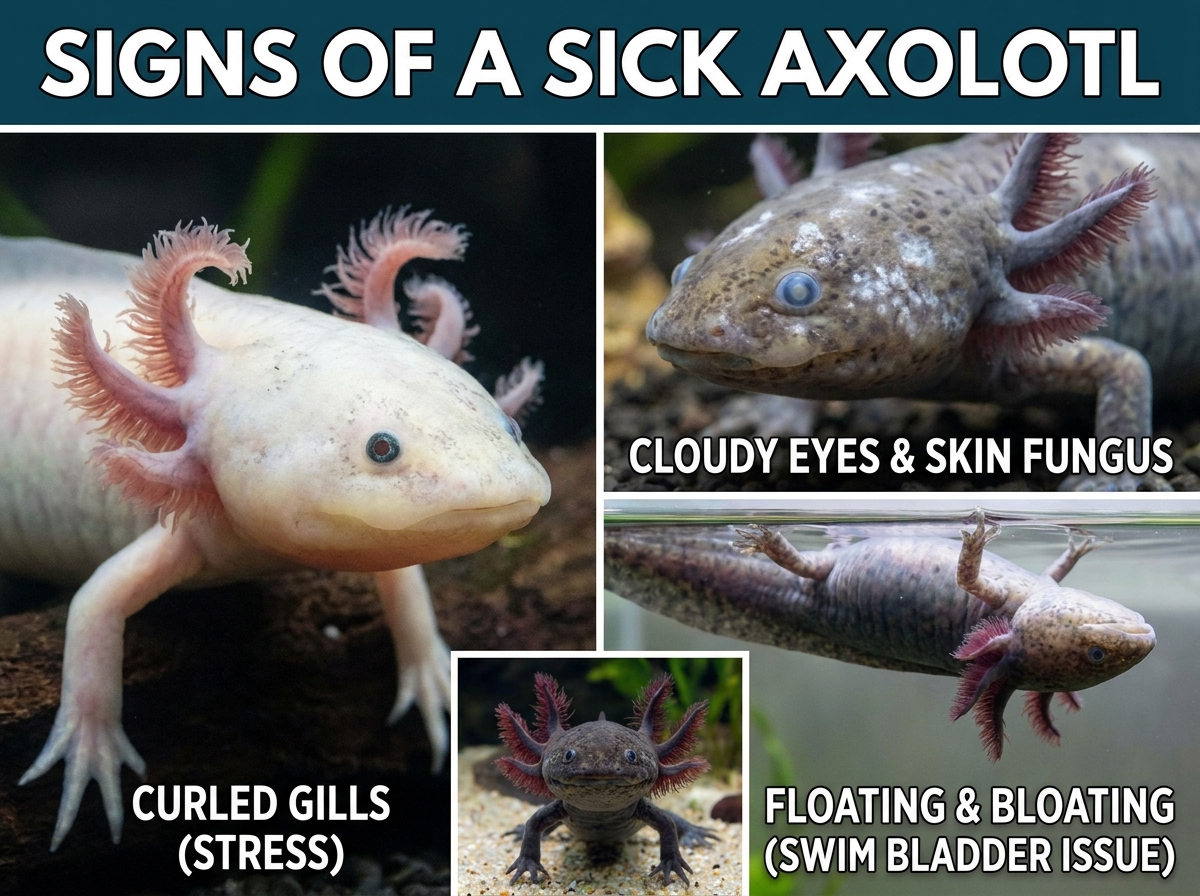
Axolotls are fascinating creatures known for their unique appearance and regenerative abilities. However, like any pet, they can experience health issues. Recognizing the signs of a sick axolotl is crucial for ensuring their well-being. This article will delve into the common symptoms you should watch for, helping you take timely action should your axolotl fall ill.
Understanding your axolotl’s behavior and health can be tricky, especially if you’re new to caring for them. This guide will equip you with the knowledge to identify potential health problems, ensuring your aquatic friend remains healthy and happy.
Here, we will explore ten key signs that indicate your axolotl may be unwell. By being attentive and proactive, you can provide the best care for your beloved pet.
Unusual Behavior and Activity Levels
One of the first signs of a sick axolotl is a noticeable change in their behavior. Healthy axolotls are usually active and curious, frequently exploring their environment. If your axolotl is suddenly lethargic, hiding more than usual, or not responding to stimuli, this could signal an underlying health issue. Being observant of your axolotl’s routine is crucial; any abrupt changes should not be overlooked.
Additionally, axolotls are known to display specific behaviors that can indicate their emotional state. For instance, a healthy axolotl may swim around the tank or interact with their surroundings. If you notice your axolotl spending excessive time at the bottom of the tank or in hiding places, it may be time to evaluate their health and environmental conditions more closely. Stress factors like water quality, temperature fluctuations, or tank mates can significantly influence their behavior.

Reduced Appetite
A significant drop in appetite is a common symptom of illness in axolotls. If your axolotl shows little interest in food or refuses to eat altogether for several days, it is essential to investigate further. A healthy axolotl should have a consistent feeding routine, and any deviation could indicate stress or disease. For example, if you typically feed your axolotl live worms or pellets and they suddenly turn away from these, it might be a sign of an underlying issue.
Moreover, decreased appetite can stem from various causes, including changes in water temperature, stress from tank mates, or even early signs of a bacterial infection. Observing their eating habits closely will help you detect these changes early. It’s also beneficial to track their feeding patterns over time, noting any changes in behavior or interest in food, as this can provide critical information for diagnosing potential health problems.
Increased Hiding Behavior
While it’s normal for axolotls to seek shelter or hide occasionally, excessive hiding can be a red flag. If your axolotl spends most of its time hidden and avoids interaction, it might be experiencing stress or health problems. Monitor their behavior closely and consider any recent changes in their environment that might be affecting them. For instance, if you’ve recently introduced new decorations or tank mates, these changes could be contributing to their stress levels.
It’s also important to note that axolotls may hide due to fluctuations in water parameters. For example, rising ammonia or nitrite levels can cause distress, prompting your axolotl to seek refuge. Regular water testing and maintaining stable conditions are crucial for their mental and physical health. If hiding persists despite stable conditions, it may warrant further investigation into their health.
Physical Changes to Observe
In addition to behavioral changes, physical symptoms can provide insight into your axolotl’s health. Pay close attention to any alterations in their appearance, as these can often indicate illness. Physical changes can manifest in various ways, and recognizing them early can make a significant difference in treatment outcomes.
For instance, the appearance of unusual spots, lesions, or swelling can indicate potential infections or infestations. Regular visual assessments are important; checking for any changes in skin texture or gill condition should be part of your routine care. If you notice anything unusual, documenting these changes can help you communicate more effectively with a veterinarian.

Skin and Gills Discoloration
Healthy axolotls typically have bright, vibrant colors. If you notice any fading, discoloration, or unusual patches on their skin, it could suggest a health issue. Additionally, the gills of a healthy axolotl should be bright red and fluffy. If they appear pale, shriveled, or damaged, medical attention may be necessary. Skin discoloration can be attributed to various factors such as poor water quality, stress, or parasitic infections.
📖 Baca juga: Is Your Axolotl Not Moving? Discover If It’s Dead or Just Sleeping!
Furthermore, axolotls are sensitive to environmental changes, and fluctuations in water parameters can lead to gill damage. For example, high levels of ammonia can cause gill burn, resulting in discoloration. Regular testing and monitoring of water quality, alongside maintaining a clean tank, can significantly reduce the risks of such issues arising.
Swelling or Bloating
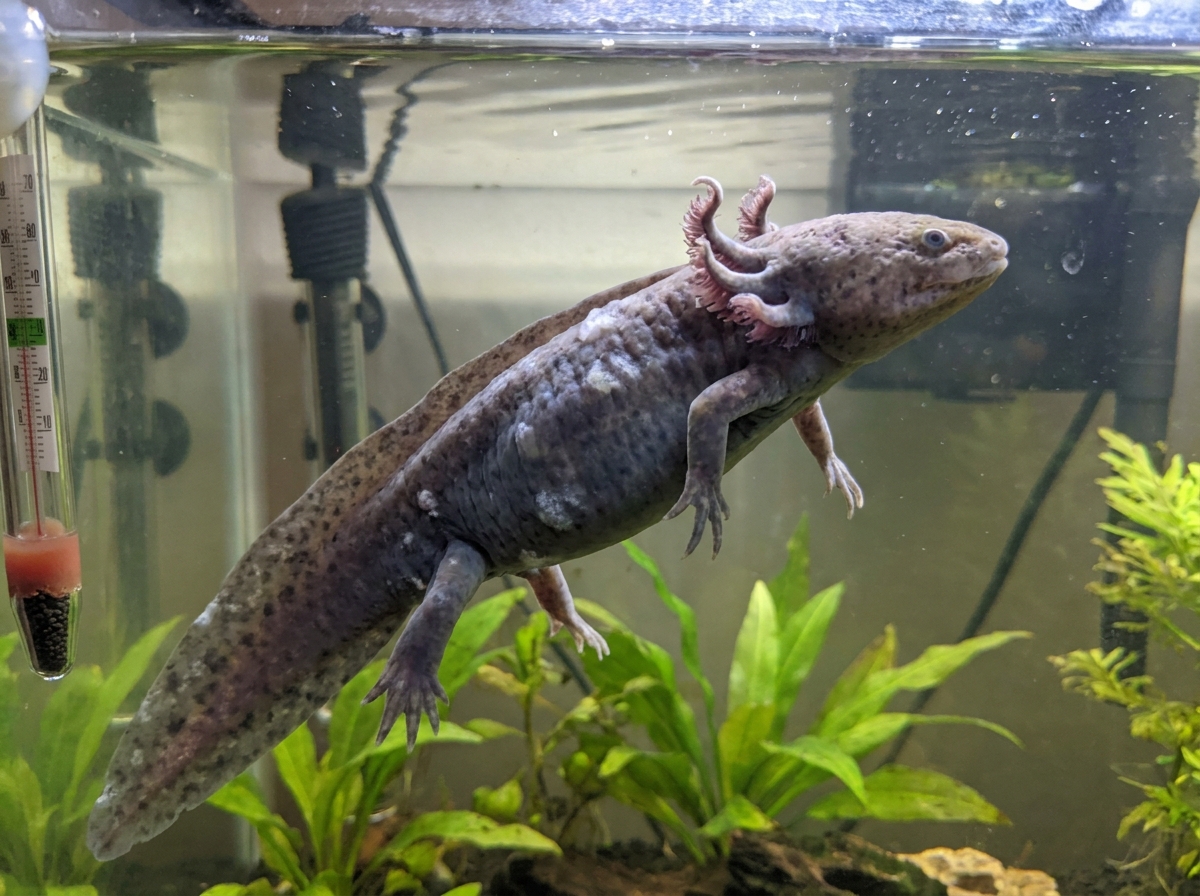
Any noticeable swelling in your axolotl’s body can be a sign of illness. This could indicate various issues, including infections or problems with their digestive system. If you observe any bloating or abnormal swelling, it’s crucial to consult with a veterinarian experienced in aquatic animals. Swelling could also indicate issues such as constipation, which is not uncommon in axolotls, particularly if they are fed a diet high in protein without sufficient fiber.
In some cases, bloating may result from water retention due to kidney issues or other internal problems. Keeping a close eye on your axolotl’s feeding habits and their stool output can provide valuable insights into their digestive health. If your axolotl’s belly appears swollen and they are not passing waste as usual, seek veterinary assistance promptly.
Respiratory Distress Indicators
Respiratory problems can be critical for axolotls. Monitoring their breathing is essential, as any difficulty in respiration can indicate serious health concerns. Proper oxygenation and water quality are vital for their survival, and any signs of distress in breathing should be addressed immediately.
Axolotls rely on their gills for oxygen extraction from the water, and any issues with gill function can lead to severe health consequences. Familiarizing yourself with your axolotl’s normal breathing patterns is helpful; any deviations may require immediate action. Regular monitoring can help you catch potential problems before they escalate.
Rapid Gills Movement
If you notice that your axolotl is moving its gills rapidly or struggling to breathe, this could indicate a lack of oxygen in the water or other respiratory issues. Check the water quality and ensure proper aeration, as poor water conditions can lead to stress and health problems. It’s crucial to maintain optimal water conditions with proper filtration and aeration systems to support their respiratory health.
In addition, rapid gill movement can also be a sign of stress due to high water temperatures or poor water quality. Regular water changes and monitoring temperature can help mitigate these risks. If the rapid gill movement persists despite adequate water conditions, further investigation may be needed to determine underlying health issues.
Surface Breathing
Healthy axolotls will typically stay submerged. If your axolotl is frequently swimming to the surface to gulp air, this might indicate that they are having trouble obtaining oxygen from the water. This behavior can be a sign of poor water quality or other health issues that require immediate attention. Surface breathing can also be exacerbated by overcrowding in the tank or the presence of aggressive tank mates.
Monitoring the frequency of surface breathing can provide valuable insights into your axolotl’s health. If the behavior is observed regularly, it may indicate the need for immediate water testing and potential adjustments to their environment. Consulting with an aquatic veterinarian can provide guidance on addressing the root causes of these respiratory issues.
Behavioral Signs of Stress
Stress can significantly affect an axolotl’s health. Various factors can contribute to stress in these creatures, and recognizing these signs is vital for their well-being. Stress can originate from different sources, including environmental changes, tank mates, or health problems, and identifying these factors is essential for effective management.
Understanding the signs of stress can help you create a more conducive environment for your axolotl. It’s also important to note that stress can lead to a weakened immune system, making your axolotl more susceptible to diseases and infections. Being proactive in managing stress can significantly improve your axolotl’s overall health.
📖 Baca juga: 5 Surprising Reasons Why Is My Axolotl Floating? Discover Solutions to Keep Them Healthy!
Flicking or Rubbing Against Surfaces
If your axolotl is frequently rubbing against the tank’s surfaces or flicking its body, this could indicate irritation or discomfort, potentially from poor water quality or parasites. Observing your axolotl’s behavior can provide valuable clues about their health and environment. Flicking can also signify that your axolotl is trying to remove irritants from their skin, which can be a response to poor water conditions.
It is crucial to identify the cause of this behavior as it can lead to more serious health issues if left unaddressed. If you suspect poor water quality, conducting water tests and making necessary adjustments is a priority. Additionally, examining your axolotl for visible signs of parasites or skin infections can help determine appropriate treatment options.
Increased Aggression
While axolotls are generally peaceful, increased aggression towards tank mates can be a sign of stress or discomfort. If your axolotl is displaying aggressive behavior, it may be time to reevaluate their living conditions or consider potential health issues that could be causing this change in behavior. Aggression can stem from overcrowding or competition for resources, which can increase stress levels in your axolotl.
In some cases, aggression may also be a response to health problems. For instance, if an axolotl is not feeling well, it may become more irritable and defensive. Observing interactions with tank mates and assessing the overall tank environment can help you determine the root cause of this behavioral change. Implementing measures to reduce stress, such as providing more hiding spots or adjusting tank mates, can help restore peace in the tank.
Conclusion: Taking Action for Your Axolotl’s Health
Recognizing the signs of a sick axolotl is essential for any owner. By being observant and proactive, you can ensure that your pet receives the best care possible. If you notice any of the symptoms discussed, it’s important to take action immediately. Regularly monitoring your axolotl’s health and environment can help prevent illness and promote a happy, healthy life.
Remember, if you are ever in doubt about your axolotl’s health, consulting with a veterinarian who specializes in aquatic animals is the best course of action. Your axolotl depends on you for their health and well-being! Educating yourself continually about their needs and potential health issues can empower you to provide the best care possible.
Frequently Asked Questions (FAQ)
What are the common signs of a sick axolotl?
Common signs include lethargy, reduced appetite, skin discoloration, and respiratory distress. Monitoring these symptoms closely can help in early diagnosis.
How can I improve my axolotl’s water quality?
Regularly change the water, use a good filtration system, and test for ammonia, nitrite, and nitrate levels to maintain optimal water quality.
When should I take my axolotl to the vet?
If you notice persistent symptoms such as lethargy, loss of appetite, or changes in appearance that do not resolve quickly, it’s best to consult a veterinarian.
Can axolotls recover from illness?
Yes, with proper care and treatment, many axolotls can recover from illness. Early detection and intervention are key to their successful recovery.