
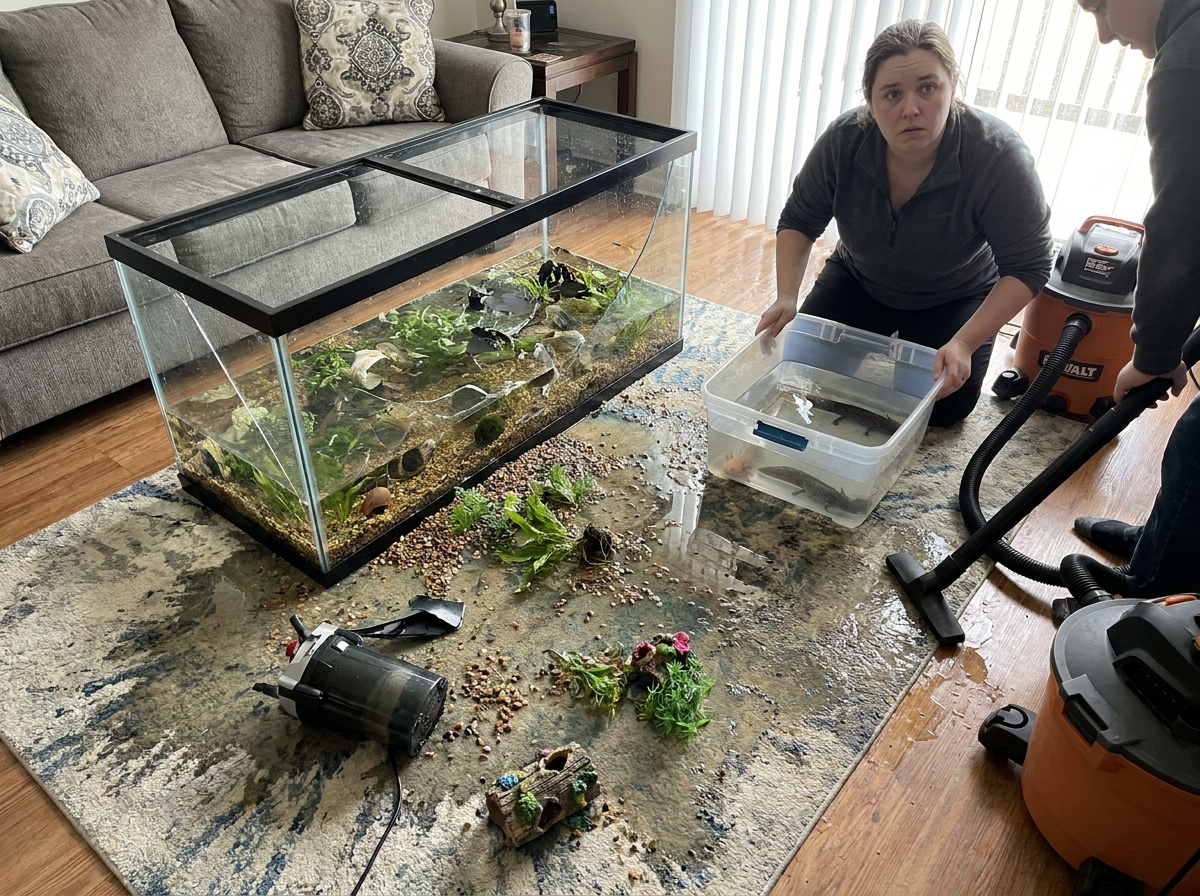
When a disaster strikes your axolotl tank, it can be a moment of panic and confusion. Understanding how to effectively respond to a tank crash is crucial for the health and safety of your aquatic pets. In this article, we will guide you through the emergency recovery steps needed to restore your axolotl’s habitat and ensure their well-being.
Whether it’s a filtration failure, water quality issues, or a complete tank collapse, knowing the right actions to take can make all the difference. Let’s dive into the essential recovery steps that every axolotl owner should be aware of.
Assessing the Situation
The first step in recovering from an axolotl tank crash is to assess the situation. This involves checking the physical condition of your tank, water parameters, and the health of your axolotls. Taking a systematic approach to this assessment will provide clarity and direction for the recovery process.
Start by visually inspecting the tank for any obvious signs of damage or malfunction. This includes not only the glass but also the equipment and any decorations within the tank. A thorough examination can reveal issues that might not be immediately apparent but could significantly impact your axolotls’ health.

Checking for Damage
Examine your tank for any visible damage. Look for cracks in the glass, broken equipment, or any leaks that may have caused the crash. If the tank is damaged, you may need to transfer your axolotls to a temporary holding container while repairs are made. It’s important to handle the axolotls carefully during this process to minimize stress.
In addition to visible cracks, check the seals of the tank where the glass meets the frame. Sometimes, leaks can develop in these areas without obvious signs. If you find any damage, assess whether it can be repaired or if a replacement tank is necessary. In some cases, using aquarium-safe silicone to patch small leaks may be sufficient.
Testing Water Parameters
Next, check the water parameters such as temperature, pH, ammonia, nitrite, and nitrate levels. A tank crash often leads to fluctuations in these parameters, which can be harmful to your axolotls. Use a reliable aquarium test kit to get accurate readings. It’s critical to address any anomalies in these readings as they can indicate an immediate threat to your axolotls’ health.
For instance, elevated ammonia or nitrite levels can be toxic and potentially fatal to your axolotls. If you find these levels are high, consider performing a partial water change immediately to dilute these harmful substances. Additionally, maintaining a stable temperature is essential, as axolotls are sensitive to temperature fluctuations.
Evaluating the Health of Your Axolotls
Inspect your axolotls for any signs of stress or illness. Look for symptoms like lethargy, unusual swimming patterns, or changes in color. Stress can manifest in various ways, including hiding more than usual or refusing to eat. If you notice any concerning signs, it may be necessary to consult with an aquatic veterinarian for further advice.
It’s also beneficial to keep a close eye on their gills and skin for any signs of infection or disease. Changes in coloration or unusual growths can indicate health issues that need to be addressed promptly. Documenting any changes in their behavior or appearance can provide valuable information for a veterinarian if needed.

Immediate Recovery Actions
After assessing the situation, it’s time to take immediate recovery actions to stabilize your tank environment and protect your axolotls. Quick and effective responses during this phase can significantly reduce long-term damage.
Acting promptly can also help to minimize stress for your axolotls. Creating a calm environment during the recovery process is essential to their well-being. This can involve dimming the lights or reducing noise levels around the tank.
Performing a Partial Water Change
To quickly address water quality issues, perform a partial water change of about 25-50%. This will help dilute any harmful substances that may have accumulated in the water. Be sure to use dechlorinated water at a similar temperature to the existing tank water to avoid shocking your axolotls. Temperature discrepancies can lead to additional stress or health complications.
When performing a water change, take care to gently remove any debris or uneaten food from the substrate as well. This can help improve water quality and reduce the risk of further issues. Consider using a siphon to remove waste efficiently while minimizing disturbances to your axolotls.
📖 Baca juga: The Ultimate Guide to Axolotl Tank Setup: Create a Perfect Home!
Installing Backup Equipment
If the tank crash was due to equipment failure, consider installing backup systems. For instance, having an extra filter or heater on hand can prevent future disasters. If your primary equipment is damaged, immediately replace it to ensure a stable environment.
Additionally, consider investing in a water quality monitor or an automated system that can alert you to changes in tank conditions. This proactive approach can help you catch potential issues before they escalate. Regularly check that all equipment is functioning correctly, and keep spare parts available for quick replacements.
Providing Temporary Housing
If your tank is severely damaged, temporarily house your axolotls in a clean container with dechlorinated water. Ensure the container is large enough and equipped with an aeration system to maintain adequate oxygen levels. The temporary housing should mimic their original environment as closely as possible to reduce stress.
Adding some familiar decorations or substrate from the original tank can help your axolotls feel more secure in their temporary home. Monitor them closely during this time to ensure they are adapting well and showing no signs of distress.
Long-Term Recovery Plan
Once immediate actions have been taken, it’s essential to develop a long-term recovery plan to restore your axolotl’s habitat and prevent future incidents. A well-structured plan can provide peace of mind and a clear roadmap for recovery.
Consider the recovery plan as a comprehensive strategy that encompasses not just repairs but also ongoing maintenance and education to improve your skills as an axolotl caregiver.

Regular Monitoring of Tank Conditions
Implement a routine schedule for monitoring water parameters, ideally on a weekly basis. This will help you catch any fluctuations early and address them before they escalate into more significant problems. Regular testing will also help you gauge the success of any changes made during the recovery process.
In addition to water parameters, visually inspect your axolotls regularly. Keeping a journal of your observations can help you identify trends or issues over time. If you notice consistent problems, this documentation can also be useful when seeking advice from experienced aquarists or professionals.
Rebuilding the Tank Ecosystem
After repairing or replacing damaged tank components, consider re-establishing the tank ecosystem slowly. Introduce beneficial bacteria to help cycle the tank efficiently, and avoid overstocking the tank with axolotls too quickly. A careful approach can help prevent another crash and promote a stable environment for your aquatic pets.
Consider adding live plants or natural filtration options to improve the tank’s biological filtration. These additions can enhance water quality and create a more natural habitat for your axolotls, further supporting their health and wellbeing.
Educating Yourself on Best Practices
Finally, take the time to educate yourself on best practices for axolotl care. Joining online forums or local groups can provide valuable insights and support from other axolotl owners who have experienced similar situations. Engaging with a community can also keep you informed about the latest care techniques and equipment recommendations.
Participating in workshops or reading articles and books on aquatic care can deepen your understanding of the unique needs of axolotls. Knowledge is a powerful tool in preventing future issues and ensuring a thriving environment for your pets.
Preventive Measures for Future Incidents
To minimize the risk of future tank crashes, there are several preventive measures you can implement in your aquarium maintenance routine. Proactive steps can make a significant difference in the longevity and health of your tank ecosystem.
📖 Baca juga: 10 Warning Signs That Your Axolotl Might Be Sick
Creating a structured routine not only helps in maintaining water quality but also builds familiarity with your tank’s needs, making it easier to spot potential problems early.
Investing in Quality Equipment
Investing in high-quality aquarium equipment can significantly reduce the chances of failure. Look for reliable brands that offer warranties and have good reviews from other aquarists. Quality filters and heaters are essential for maintaining stable conditions in your axolotl tank.
Researching products before purchasing can save you from future headaches. Consider asking for recommendations from experienced aquarists or reading reviews on dedicated aquarium forums. Quality equipment is often more durable and efficient, ultimately providing a better environment for your axolotls.
Regular Maintenance Schedule
Establish a regular maintenance schedule that includes cleaning the tank, checking equipment, and monitoring water quality. Consistent upkeep can prevent minor issues from turning into major disasters. Create a checklist that outlines all necessary tasks, including water changes, filter cleaning, and equipment checks.
Incorporate seasonal deep cleans into your routine, where you can thoroughly scrub decorations, clean the substrate, and inspect all equipment in detail. This proactive approach ensures that everything is functioning optimally and reduces the risk of future tank crashes.
Creating a Backup Plan
Having a backup plan in place can save you from panic during an emergency. Keep emergency supplies like water conditioners, extra filters, and a holding container readily available for quick access. Being prepared can help you respond swiftly and effectively in case of any issues.
Consider creating a checklist of emergency contacts, including local aquatic veterinarians and trusted aquarist friends. Knowing who to reach out to in a crisis can provide reassurance and guidance when you need it most.
Conclusion
Experiencing a tank crash with your axolotl can be distressing, but with the right knowledge and prompt actions, recovery is possible. By assessing the situation, taking immediate recovery steps, and implementing long-term preventive measures, you can ensure a safe and healthy environment for your axolotls. Remember, preparation and education are key to successfully managing your aquarium.
Frequently Asked Questions (FAQ)
What should I do first after my axolotl tank has crashed?
First, assess the damage to the tank and check the water parameters to determine the immediate actions needed to stabilize the environment. Document your findings for future reference.
How can I tell if my axolotls are stressed after a tank crash?
Signs of stress in axolotls include lethargy, unusual swimming patterns, and changes in color. Monitor them closely after a tank crash, and take notes on their behavior for reference.
Is it safe to perform a water change immediately after a tank crash?
Yes, performing a partial water change can help improve water quality quickly. Just ensure the new water is dechlorinated and at a similar temperature to the existing water to minimize shock.
What preventive measures can I take to avoid future tank crashes?
Invest in quality equipment, establish a regular maintenance schedule, and create a backup plan for emergencies to minimize the risk of future incidents. Engage with the aquatic community for ongoing support and knowledge.