

Setting up an axolotl tank can be an exciting venture for any aquatic enthusiast. One of the most crucial aspects to consider is the substrate you choose. The right substrate not only enhances the aesthetic appeal of the tank but also plays a significant role in the health and well-being of your axolotl. In this guide, we will explore various types of substrates, their benefits, and how to select the best one for your axolotl tank.
Axolotls are unique creatures that require specific care to thrive. Their habitat must mimic their natural environment as closely as possible, which includes selecting the right substrate. From sand to bare-bottom tanks, each option has its advantages and disadvantages. Let’s dive deeper into the various choices available.
Understanding Axolotl Needs
Before selecting a substrate, it’s essential to understand the needs of your axolotl. These amphibians are sensitive to water quality, and the substrate can impact that significantly. A proper substrate choice will help in maintaining optimal water conditions and ensuring your axolotl’s health. Understanding their natural habitat can give insights into what will work best in a tank setting.
In the wild, axolotls inhabit lakes and canals in Mexico, where the substrate is primarily soft sediment. This environment allows them to burrow and feel secure. Mimicking this in captivity is crucial; therefore, the choice of substrate should reflect these natural conditions. Moreover, axolotls thrive in cooler water temperatures, and the substrate can play a role in temperature regulation as well, creating a microhabitat that supports their needs.
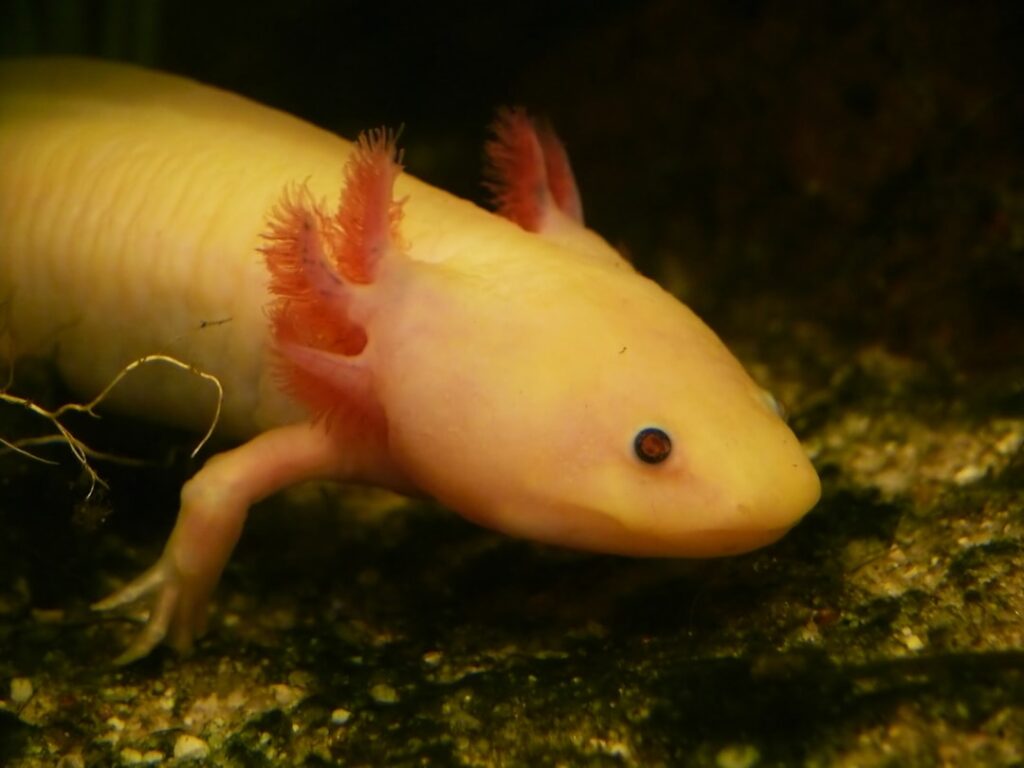
Axolotls thrive in a tank environment that is clean, spacious, and safe. Their delicate skin can easily be harmed by sharp or rough substrates. Therefore, choosing a substrate that is gentle on their skin is paramount. Additionally, axolotls are known to ingest small particles, which could cause health issues if the substrate is not appropriate. Providing a safe substrate minimizes the risk of injury and promotes a healthier living environment.
Factors to Consider
When selecting a substrate, consider the following factors:
- Safety for the axolotl
- Ease of cleaning
- Impact on water quality
Each of these factors plays a crucial role in ensuring a healthy environment for your axolotl. For instance, a safe substrate will prevent any injuries, while an easy-to-clean option will help maintain a hygienic tank. Additionally, consider how the substrate affects water parameters, as certain materials can leach substances that alter pH or introduce toxins.
Another important aspect is the texture of the substrate. Smooth, rounded particles are preferable as they are less likely to harm your axolotl’s sensitive skin. The size of substrate particles is also essential; very fine materials can lead to compaction and reduced water flow, while larger particles can present a choking hazard if ingested. Therefore, striking a balance in substrate size and shape is key to creating a safe and healthy tank.
Popular Substrate Options for Axolotl Tanks
There are several popular substrate options available for axolotl tanks, each with its unique characteristics. Let’s explore some of the most common substrates used by axolotl owners.
Sand Substrate
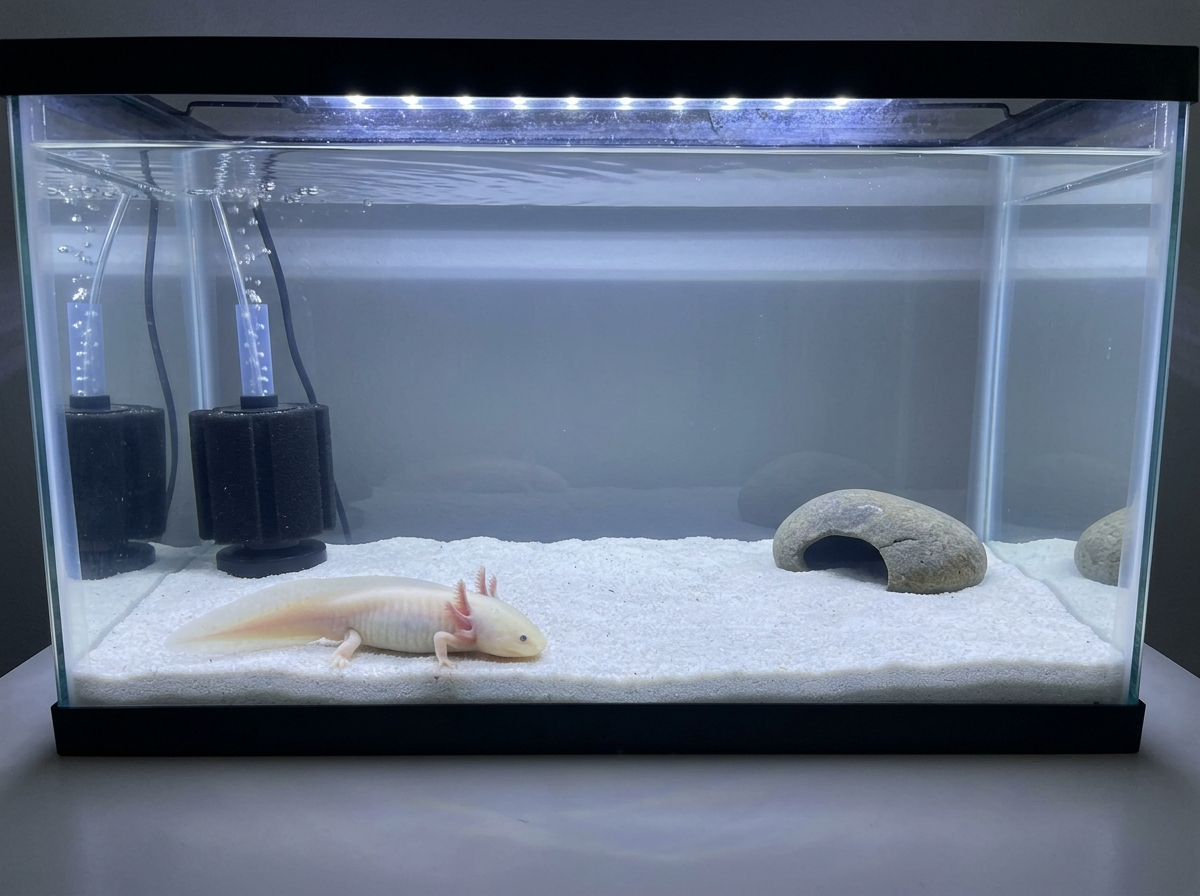
Sand is one of the most favored substrates for axolotl tanks. It is soft, gentle on the axolotl’s skin, and provides a natural look that many aquarium enthusiasts appreciate. Additionally, sand allows for the natural behavior of axolotls, who enjoy burrowing and sifting through the substrate.
However, it’s important to choose the right type of sand. Fine sand is preferred as it minimizes the risk of ingestion. When selecting sand, ensure that it is aquarium-safe and free from harmful chemicals or additives. Natural river sand or pool filter sand can be excellent options, but always rinse it thoroughly before adding it to the tank to remove any dust or contaminants.
Sand allows for easy cleaning and helps maintain water quality, making it an excellent choice for axolotl habitats. While it may require more frequent stirring and siphoning to prevent detritus buildup, the aesthetic appeal and suitability for axolotls make it worthwhile. Additionally, a layer of sand can act as a natural filter, helping to create beneficial bacteria colonies that contribute to a stable tank environment.
📖 Baca juga: Unveiling the Secrets of Axolotl Color Morphs Explained (Guide + Visual) – A Must-Read for Enthusiasts!
Gravel Substrate
Gravel is another common substrate choice. While it comes in various sizes and colors, it’s essential to choose gravel pieces that are large enough to prevent ingestion. Small gravel can pose a choking hazard and lead to serious health issues. When selecting gravel, opt for smooth stones to avoid scratching the axolotl’s skin.
One advantage of gravel is that it provides a solid base for plants and decorations. Many aquarium plants thrive in gravel, allowing you to create a lush, natural environment. However, it’s important to note that gravel can be more challenging to clean compared to sand, as debris can get trapped between the stones. Regular vacuuming is necessary to maintain cleanliness and prevent waste from accumulating.
Additionally, gravel can affect water quality by trapping organic matter that can decompose and release toxins. To mitigate this, consider using larger gravel pieces and regularly cleaning the substrate. Proper maintenance will ensure that gravel remains a viable substrate option for your axolotl tank.
Bare Bottom Tanks
A bare bottom tank is a substrate-free option that many axolotl owners prefer. This setup allows for easy cleaning and maintenance, as there are no particles to disturb. Maintaining a clean environment is crucial for the health of your axolotl, and a bare bottom tank can simplify this process significantly.
While a bare bottom tank may not look as aesthetically pleasing, it provides the best environment for monitoring waste and maintaining water quality. Additionally, it eliminates the risk of accidental ingestion of substrate. This is particularly beneficial for younger axolotls, who are more prone to swallowing small particles.
Furthermore, bare bottom tanks can be easily customized with decorations or tiles, allowing for a more visually appealing setup while still keeping maintenance straightforward. Using decorations that are anchored securely will prevent any accidents and ensure the safety of your axolotl. Overall, the bare bottom option may be the best choice for those prioritizing cleanliness and ease of care.
Tips for Maintaining Substrate Health
Regardless of the substrate you choose, maintaining its health is vital for your axolotl’s well-being. Here are some tips to ensure your substrate remains clean and safe. Regular maintenance routines can prevent problems before they arise.
Regular Cleaning Schedule
Establish a regular cleaning schedule to remove waste and debris. For sand substrates, gently stir the sand to allow waste to rise to the surface, making it easier to siphon out. This method not only keeps the surface clean but also aerates the sand, promoting beneficial bacteria growth.
For gravel, consider using a gravel vacuum to remove trapped debris. This tool helps to maintain the cleanliness of the gravel without requiring a complete substrate replacement. Regularly check for any signs of algae growth or waste accumulation, and address these issues promptly to prevent water quality deterioration.
In addition to regular cleaning, consider performing partial water changes weekly. This will help to dilute any toxins that may build up in the water and contribute to a healthier environment. A clean substrate combined with routine water changes will significantly enhance the quality of life for your axolotl.
Avoid Overfeeding
Overfeeding can lead to excess waste in the tank, which can accumulate in the substrate. Make sure to feed your axolotl an appropriate amount to minimize waste production. Monitoring their feeding habits is crucial; a good rule of thumb is to offer food that they can consume within a few minutes.
📖 Baca juga: Essential Steps to Recover After Your Axolotl Tank Crashed
Additionally, consider the type of food you are providing. High-quality pellets or live food are excellent options that promote health without excessive waste. Be cautious with treats, as they can contribute to overfeeding if not balanced with their regular diet.
Keeping a close eye on your axolotl’s eating habits can also indicate their health. Changes in appetite can signal stress or illness, prompting you to investigate water quality or tank conditions more closely. By managing their diet, you ensure that your axolotl remains healthy and vibrant.
Monitor Water Quality
Regularly test the water quality to ensure that it remains within optimal parameters. A substrate can affect water parameters, so keeping an eye on pH, ammonia, and nitrite levels is essential for your axolotl’s health. Investing in a reliable water testing kit will help you stay informed about your tank’s conditions.
Be aware that different substrates can leach substances into the water, influencing its quality. For example, certain types of gravel may raise pH levels, while sand may help maintain more stable conditions. Understanding the interaction between your substrate and water quality will help you make informed decisions when selecting your axolotl’s environment.
In addition to testing, consider using activated carbon or other filtration methods to help maintain water quality. Regular maintenance of your filtration system will also ensure that the water remains clean and clear, supporting the overall health of your axolotl.
Conclusion: Choosing the Right Substrate
Choosing the best substrate for your axolotl tank is a crucial decision that impacts both the tank’s aesthetics and your axolotl’s health. Whether you opt for sand, gravel, or a bare bottom tank, ensure that your choice aligns with the specific needs of your axolotl. Remember to consider the safety, ease of cleaning, and impact on water quality when making your decision.
It’s important to regularly assess your tank conditions and make adjustments as necessary. Each substrate has its pros and cons, and being informed about these will help you create a thriving habitat for your axolotl. By prioritizing their health and happiness, you will enjoy a rewarding experience as an axolotl owner.
Frequently Asked Questions (FAQ)
What is the best substrate for axolotls?
The best substrate for axolotls is fine sand, as it is gentle on their skin and minimizes the risk of ingestion. Bare bottom tanks are also a popular choice for easy maintenance.
Can I use gravel in an axolotl tank?
Yes, you can use gravel, but make sure the pieces are large enough to prevent ingestion. Small gravel can cause health issues for axolotls.
How often should I clean the substrate?
It is recommended to clean the substrate at least once a week to maintain a hygienic environment for your axolotl.
Is a bare bottom tank suitable for axolotls?
Yes, a bare bottom tank is suitable for axolotls. It makes cleaning easier and helps monitor water quality effectively.