
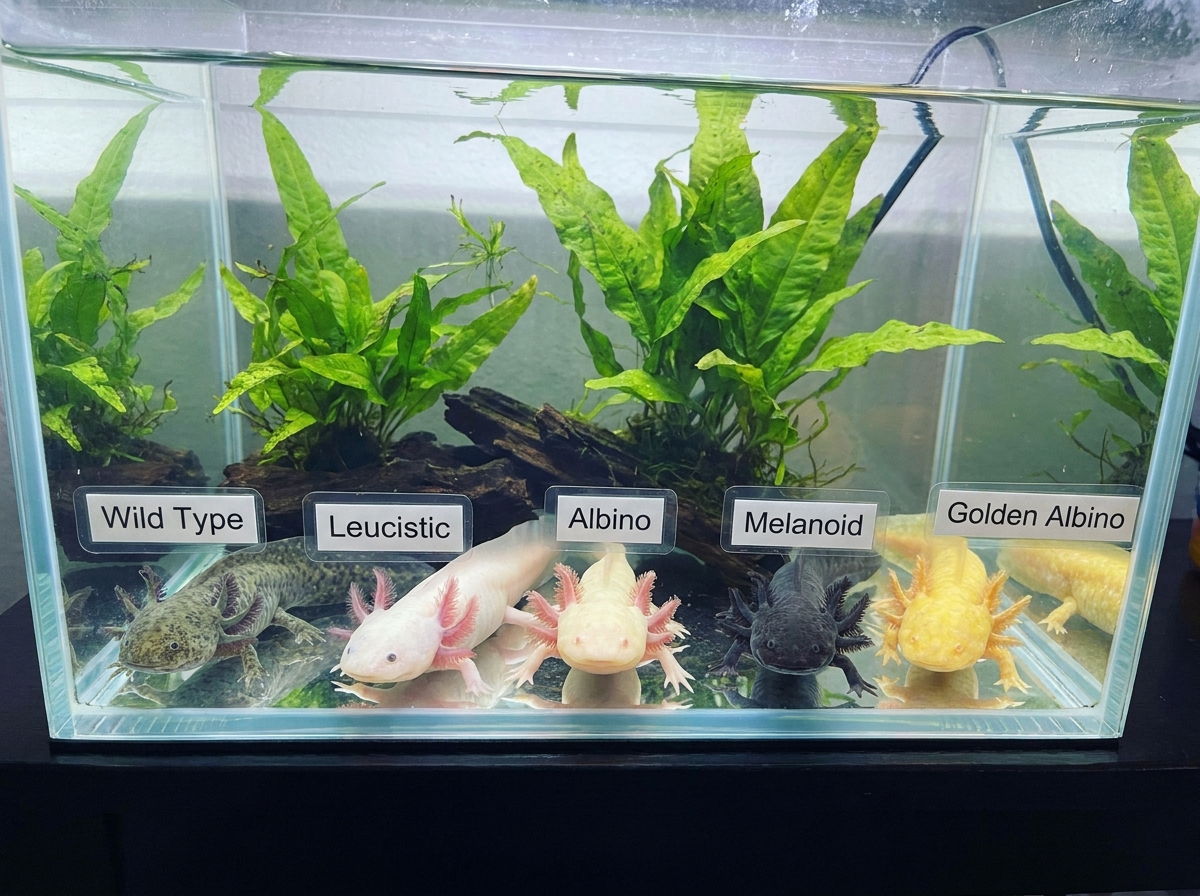
The axolotl, a unique and captivating amphibian, has captured the hearts of many enthusiasts around the world. With its distinct appearance and remarkable regenerative abilities, the axolotl is not just a scientific marvel but also a beloved pet. One of the most intriguing aspects of axolotls is their color morphs. In this article, we will explore the various axolotl color morphs in detail, providing you with a thorough guide and visual aids for better understanding.
Understanding axolotl color morphs is essential for both enthusiasts and potential owners. These color variations not only enhance their beauty but also reflect genetic diversity. As you delve into this guide, you’ll learn about the different types of morphs, their characteristics, and how to care for them. So let’s dive into the colorful world of axolotls!
What are Axolotl Color Morphs?
Axolotl color morphs refer to the different color variations that these creatures can exhibit due to genetic factors. The primary morphs include leucistic, albino, golden, and wild-type, each with unique traits. Understanding these morphs is crucial for breeding and caring for axolotls effectively. Each morph is a result of specific genetic mutations that affect the pigmentation in their skin. For example, leucistic axolotls have a mutation that reduces melanin production, leading to their pale coloration.
Color morphs are determined by the presence of specific pigments in the skin. For instance, leucistic axolotls lack melanin, which gives them a pale appearance with pinkish tones. On the other hand, wild-type axolotls have a darker pigmentation that helps them blend into their natural habitat. The wild-type morph is actually the most common form of axolotl found in the wild, which showcases a mottled appearance, allowing them to camouflage effectively among the rocks and vegetation of their aquatic environment.
These color variations are not just aesthetically pleasing; they also play a role in the health and adaptability of axolotls in captivity and the wild. Knowing about these morphs can help owners make informed decisions about breeding, care, and habitat setup. For example, certain morphs may be more resilient to specific environmental conditions, influencing how they should be housed and fed in captivity.
Leucistic Axolotls
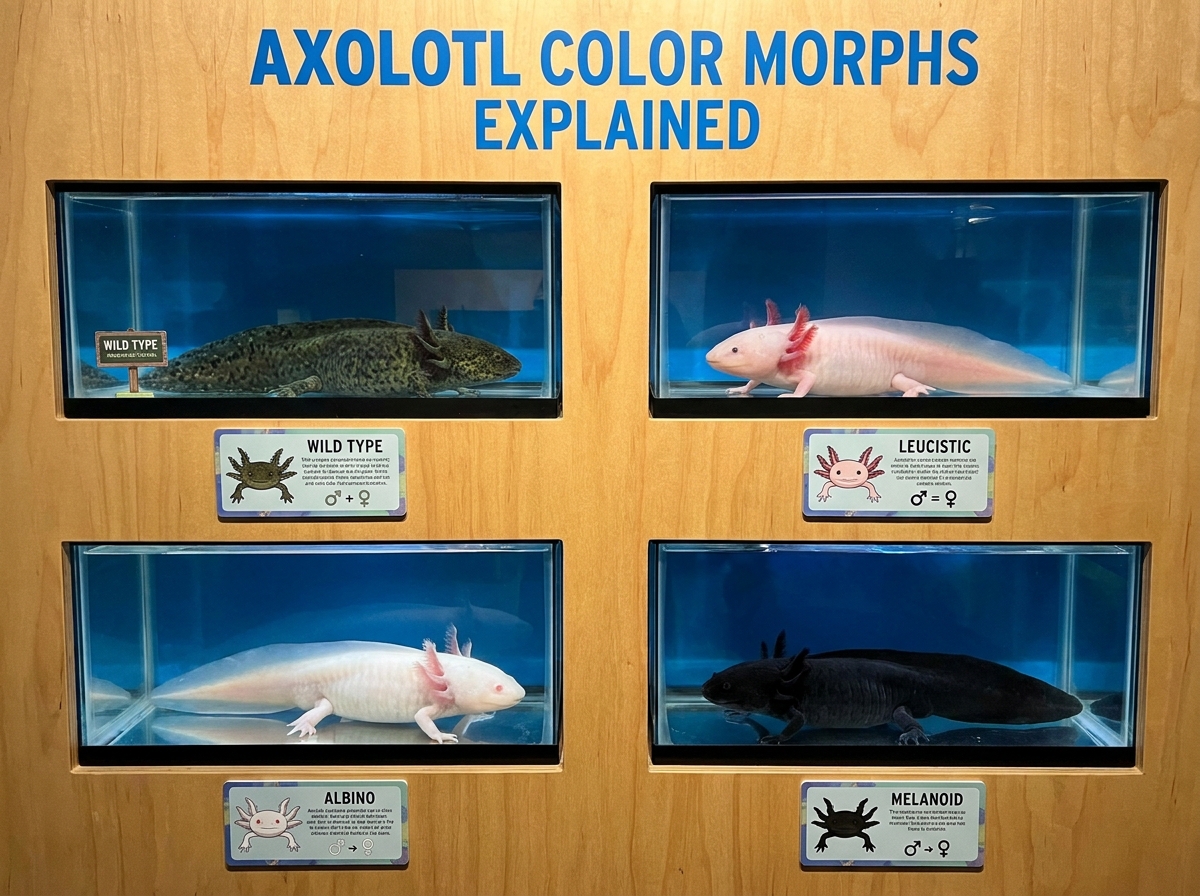
Leucistic axolotls are one of the most popular morphs due to their striking appearance. They typically have a white or pale pink body with translucent skin, allowing their internal organs to be visible. This morph is often mistaken for albino, but the key difference lies in the presence of pigmentation in their eyes, which are usually dark. Leucistic axolotls are celebrated not only for their beauty but also for their intriguing genetic background, which has made them a subject of interest in genetic research.
This morph is known for its gentle temperament and adaptability, making it a favorite among pet owners. They thrive in a well-maintained aquatic environment and require a balanced diet rich in protein. Leucistic axolotls are often more tolerant of varying water conditions compared to some other morphs, which can make them easier to care for, especially for novice owners. Regular monitoring of water quality and temperature is still essential to keep them healthy.
Leucistic axolotls are also sought after for breeding purposes, as they can produce various offspring, depending on the other morphs involved in the breeding process. Breeders often appreciate leucistic axolotls for their ability to produce a range of color morphs when paired with different types, making them versatile in breeding programs. Their clear skin allows for easy observation of any health issues, which can be a significant advantage in a breeding setup.
Albino Axolotls
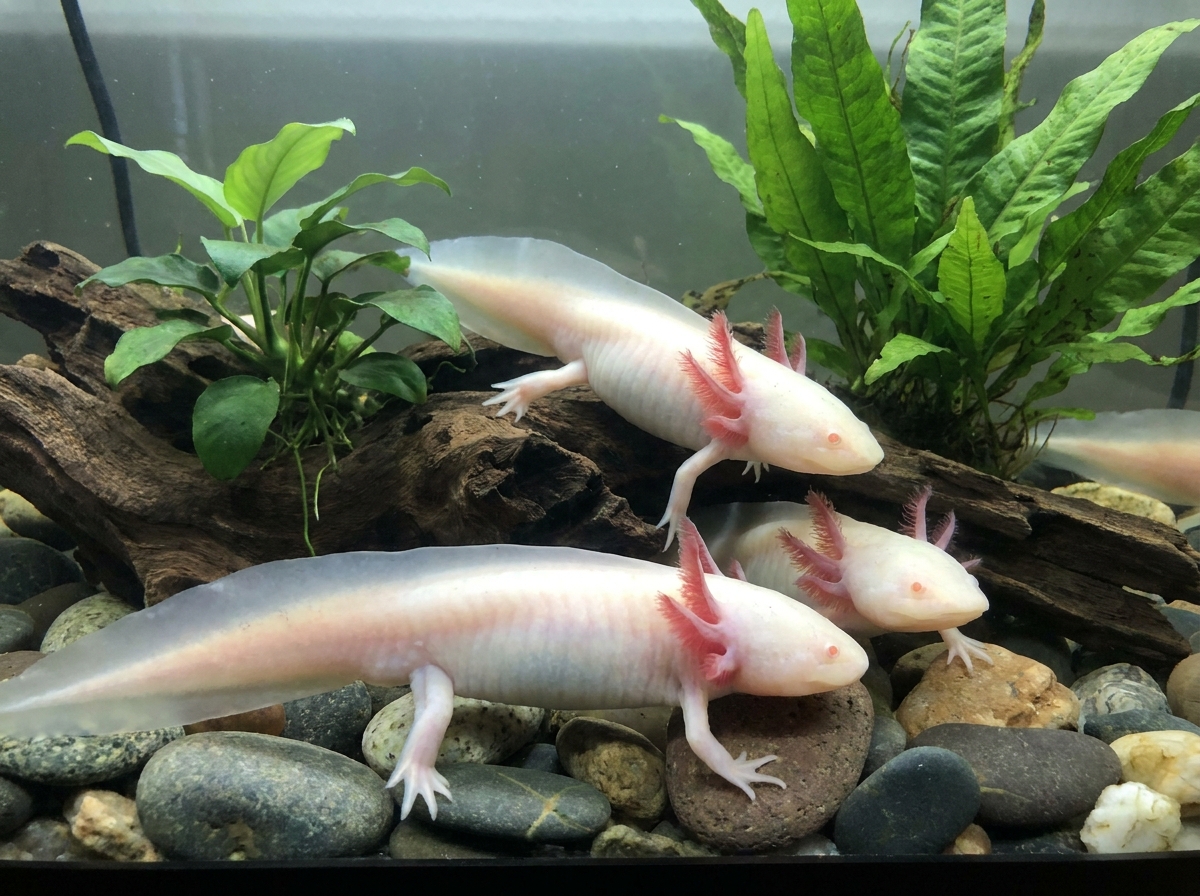
Albino axolotls are characterized by their lack of pigmentation, resulting in a completely white body and striking red or pink eyes. This morph is particularly vulnerable to bright light, so it’s essential to provide them with a suitable habitat that minimizes exposure to direct sunlight. Their sensitivity to light can lead to stress, making it crucial to create an environment that mimics their natural habitat as closely as possible, often utilizing darker substrates and plants to provide cover.
📖 Baca juga: The Fascinating Meaning Behind Axolotl Smiling: What You Need to Know
Despite their sensitivity, albino axolotls are just as friendly and social as their leucistic counterparts. They require similar care, including a diet of high-quality pellets and occasional live food. Albino axolotls can also exhibit unique behaviors, and many owners find them to be quite interactive. Their striking appearance makes them popular among aquarists, and they can often be seen swimming playfully in their tanks.
Albino axolotls are also popular among breeders due to their unique appearance, and they can produce various color morphs in their offspring when paired with other morphs. Breeding albino axolotls with wild-types, for example, can yield a diverse range of offspring, making the breeding process both exciting and unpredictable. Their genetic makeup can introduce new traits, enhancing the genetic diversity of axolotl populations.
Golden Axolotls
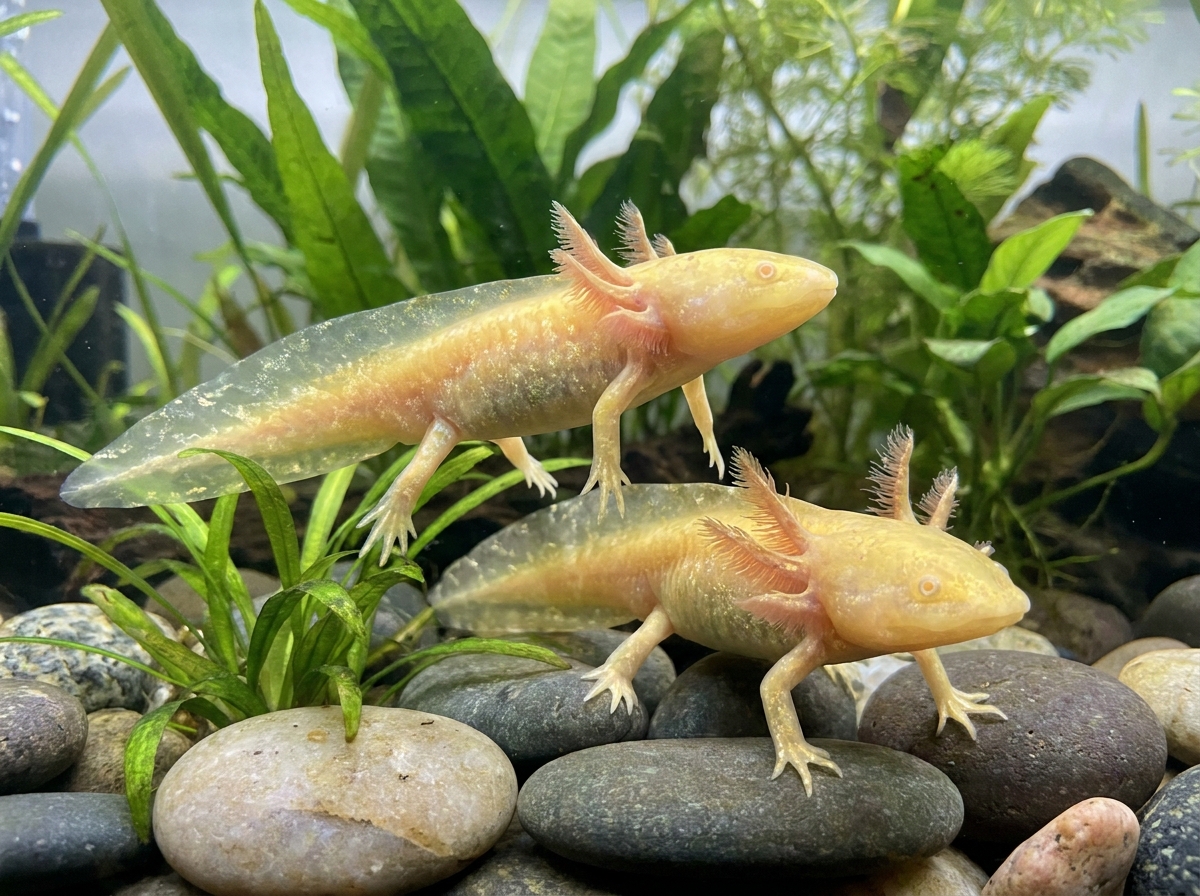
Golden axolotls are a rare and stunning morph known for their bright golden-yellow coloration. This morph is less common in the pet trade but is gaining popularity due to its vibrant appearance. Golden axolotls have a similar body structure to other morphs but stand out with their eye-catching color. Their golden hue is a result of specific genetic variations that affect pigmentation, making them a fascinating example of genetic diversity in axolotls.
Caring for golden axolotls involves the same principles as other morphs, including maintaining water quality and providing a balanced diet. They thrive in similar environments and are generally hardy creatures. Golden axolotls are known to be resilient and can adapt well to various conditions, which is an appealing trait for potential owners. However, like all axolotls, they still require careful monitoring of their habitat to ensure optimal health.
This morph’s rarity makes it a fascinating choice for collectors and enthusiasts seeking to diversify their axolotl collections. The striking appearance of golden axolotls can also lead to increased interest in conservation efforts, as their unique coloration draws attention to the species as a whole. Many enthusiasts seek to breed golden axolotls specifically to contribute to the genetic diversity and preservation of this captivating morph.
Caring for Different Axolotl Morphs
Caring for axolotls, regardless of their color morph, involves understanding their specific needs to ensure they thrive in captivity. Here are some essential care tips that apply to all axolotl morphs:
- Maintain optimal water conditions: Axolotls require clean, cool water with a temperature range of 16-18°C (60-64°F). Regular water changes and quality testing are crucial. Monitoring pH levels and ammonia concentrations is essential, as axolotls are sensitive to poor water quality. Using a high-quality water conditioner can help mitigate harmful chemicals.
- Provide a balanced diet: Axolotls are carnivorous and thrive on a diet of high-quality pellets, worms, and occasional live food. It is important to provide a varied diet to ensure they receive all necessary nutrients. Some owners also incorporate freeze-dried foods and specially formulated axolotl diets to cater to their dietary needs.
- Avoid bright lighting: Since some morphs, like albinos, are sensitive to light, it’s essential to provide a dimly lit environment to reduce stress. Utilizing LED lights with adjustable brightness or placing the tank in a shaded area can help create a comfortable living space for your axolotl.
By following these guidelines, you can create a suitable habitat for your axolotl, regardless of its color morph. Understanding the specific needs of each morph helps ensure their health and happiness. Additionally, providing enrichment opportunities such as hiding spots, plants, and structures for exploration can enhance their overall well-being.
Breeding Axolotl Color Morphs
Breeding axolotls can be a rewarding experience, especially if you are interested in producing different color morphs. To successfully breed axolotls, it is essential to understand the genetics behind color morphs and how they interact. Each morph has a unique genetic makeup that determines the traits of the offspring, and understanding these interactions can lead to exciting results.
When breeding axolotls, pairing different morphs can yield various offspring with unique colorations. For instance, breeding a leucistic with a wild-type axolotl may produce a mix of offspring with both color traits. Understanding the genetic makeup of each morph is critical for predicting the potential outcomes of breeding. Resources such as genetic charts and breeding guides can aid in making informed pairing decisions, enhancing the chances of producing desired traits.
📖 Baca juga: Understanding the Bouncy Behavior of Your Axolotl: Why Does My Axolotl Jump or Hop?
Additionally, proper care during the breeding process is essential. Ensure that both the male and female axolotls are healthy and well-fed prior to breeding. Creating a suitable breeding environment by providing hiding spots and maintaining optimal water conditions encourages successful reproduction. It is best to observe the axolotls during the breeding process, as they may exhibit courtship behaviors and require ample space to interact without stress.
Common Myths About Axolotl Color Morphs
Despite the popularity of axolotls, several myths surrounding their color morphs persist. It’s essential to debunk these myths to promote a better understanding of these fascinating creatures. Myths can often lead to misconceptions that affect how axolotls are cared for and appreciated, so it is important to clarify the facts.
Myth: All Axolotls Can Change Color
One common misconception is that all axolotls can change color like chameleons. In reality, axolotls have fixed color morphs determined by their genetics. While their color may appear to change slightly due to environmental factors or stress, they do not have the ability to change colors dramatically. This myth can lead to confusion among owners who expect their axolotls to shift colors, which can result in unnecessary concern if such changes don’t occur.
Myth: Color Morphs Affect Lifespan
Another myth is that certain color morphs have shorter lifespans. In truth, the lifespan of an axolotl is more dependent on factors such as water quality, diet, and overall care rather than their color morph. Proper habitat maintenance and regular health check-ups are vital for all axolotls, regardless of their appearance. Owners should focus on providing optimal conditions to ensure a long and healthy life for their pet.
Myth: Wild-Type Axolotls Are Less Fragile
Some believe that wild-type axolotls are hardier than other morphs. While wild-types are adapted to survive in natural environments, all axolotls require proper care to thrive. Each morph has its unique needs, and neglecting these can lead to health issues regardless of their wild or captive-bred status. Understanding the specific requirements of each morph is crucial for ensuring their well-being, and owners should avoid assuming that one type is inherently more robust than another.
Conclusion: Embrace the Diversity of Axolotl Color Morphs
Understanding axolotl color morphs is crucial for anyone interested in these remarkable creatures. With their diverse appearances and unique characteristics, each morph offers something special. From the striking leucistic to the rare golden, axolotls are a testament to nature’s beauty and diversity. Appreciating these differences not only enhances the ownership experience but also highlights the importance of conservation efforts for the species.
By educating yourself on the different morphs and their care requirements, you can ensure a healthy and fulfilling life for your axolotl. Whether you’re a seasoned owner or considering bringing one into your home, embracing the diversity of axolotl color morphs will enrich your experience. Engaging with the axolotl community through forums and social media can provide additional insights and support, further enhancing your journey as an axolotl owner.