
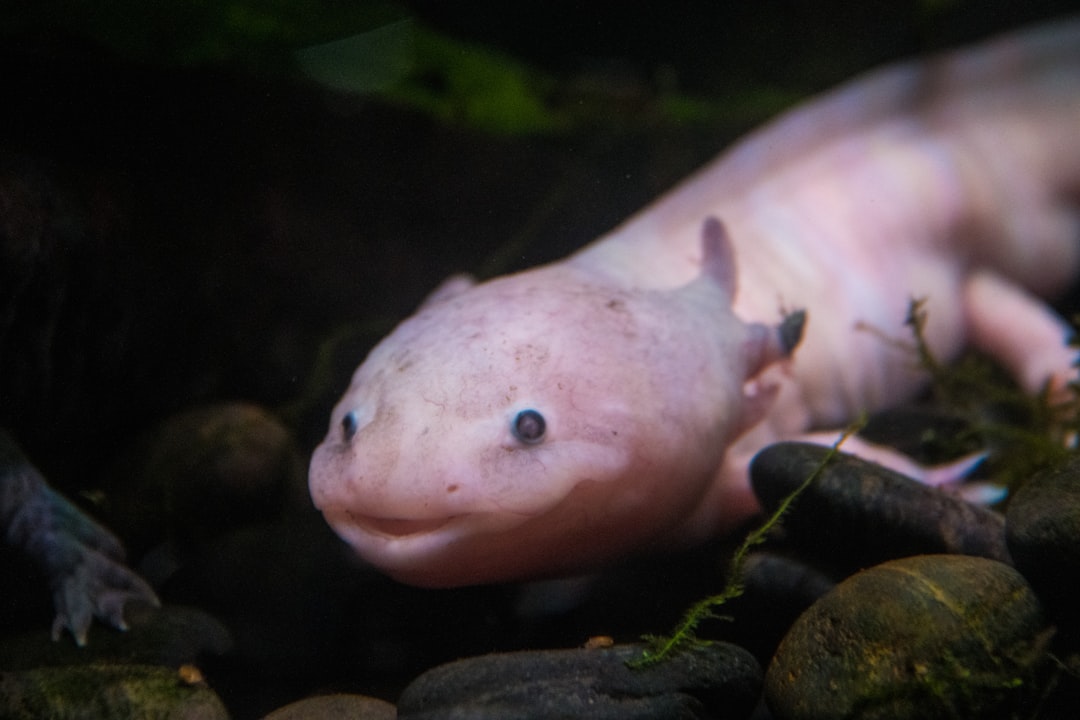
Axolotls, often referred to as “Mexican walking fish,” are fascinating creatures that have captured the hearts of many aquarium enthusiasts. Their unique appearance and regenerative abilities make them a popular choice for pet owners looking for something different. However, before diving into the world of axolotl ownership, it’s essential to understand the costs involved in caring for these remarkable amphibians. In this article, we will explore the various expenses associated with owning an axolotl, from initial purchase price to ongoing care.
Understanding the Purchase Price of Axolotls
When considering how much does an axolotl cost, the first expense to look at is the initial purchase price. The price of an axolotl can vary significantly based on several factors, including its age, color, and where you buy it from. Generally, you can expect to pay between $20 to $100 for a healthy axolotl. However, this is just the tip of the iceberg when it comes to the total cost of ownership.
Notably, the prices can fluctuate based on the geographical location and the demand for axolotls in your area. In regions where axolotls are less common, you might find that prices are on the higher end of the spectrum. Conversely, in areas where they are bred more frequently, you may encounter lower prices. It’s also worth noting that many breeders offer guarantees on their axolotls, ensuring that you receive a healthy and disease-free pet, which can justify a higher price.
Factors Influencing Axolotl Prices
Several elements can influence the cost of an axolotl, and understanding these can help you make an informed decision:
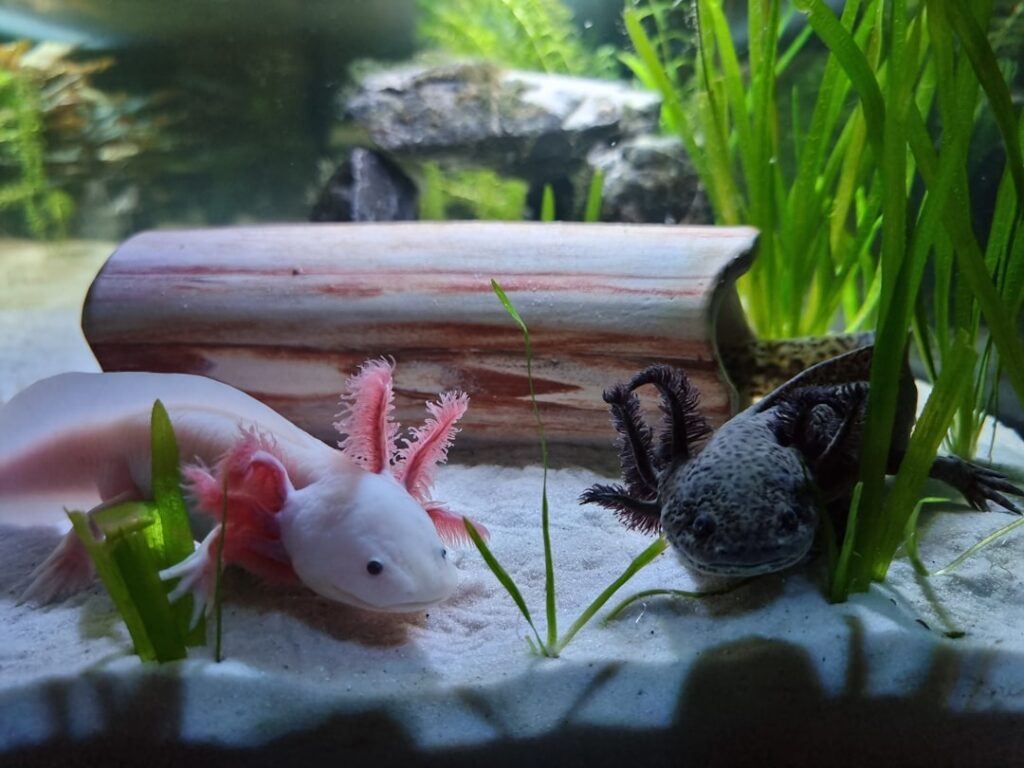
- Color Variations: Axolotls come in various colors, including leucistic, golden albino, and wild type. Rare color morphs, such as the piebald or the blue axolotl, can command higher prices due to their unique appearance and limited availability. Collectors and enthusiasts often seek out these rare variants, which can significantly increase the cost.
- Age: Younger axolotls are usually less expensive than adults. However, adult axolotls may be more appealing for those looking for a pet that is already established. Adults are often easier to care for, as they have reached a stable size and are less prone to health issues commonly faced by juvenile axolotls.
- Breeder Reputation: Purchasing from a reputable breeder who ensures the health and genetic quality of their axolotls can lead to higher prices, but often results in healthier pets. A good breeder will also provide you with information about the axolotl’s lineage, which can be crucial for ensuring you are not inadvertently contributing to genetic issues in captive populations.
Where to Buy Axolotls
Axolotls can be purchased from various sources. Each option comes with its own set of advantages and disadvantages:
- Pet Stores: While convenient, pet stores may not always have the healthiest axolotls, and prices can vary. It’s essential to inspect the axolotls closely and ask about their care history before making a purchase. Additionally, pet store employees may not always have comprehensive knowledge about axolotl care, which can lead to misinformation.
- Breeders: Buying directly from breeders can ensure better health and variety in color. Reputable breeders often provide a health guarantee and can offer valuable advice on care and maintenance. Connecting with local or online axolotl communities can help you find trusted breeders who prioritize the well-being of their animals.
- Online Retailers: Many online platforms offer axolotls, but be wary of shipping conditions and seller credibility. Ensure that the seller has positive reviews and a track record of customer satisfaction. It’s crucial to understand the shipping process, as axolotls can be sensitive to temperature changes during transit, which may affect their health.
Setting Up an Axolotl Habitat
The next significant cost in owning an axolotl is setting up its habitat. Axolotls require specific conditions to thrive, and creating an ideal environment can be an investment. A well-designed habitat not only supports the axolotl’s health but also contributes to its overall well-being and longevity.
In addition to the physical setup, consider the long-term maintenance of the habitat. Regular cleaning and monitoring of water quality are essential to prevent diseases and ensure your axolotl remains healthy. Failing to maintain a proper environment can lead to stress for the axolotl, which may result in health complications over time.
📖 Baca juga: Understanding the Bouncy Behavior of Your Axolotl: Why Does My Axolotl Jump or Hop?
Aquarium and Equipment Costs
Here are the essential items needed for an axolotl habitat:
- Aquarium: A minimum of a 20-gallon tank is recommended for one axolotl, which can cost between $50 to $150. Larger tanks are preferable as they provide more water volume, which helps stabilize temperature and water quality. Consider investing in a larger tank if you plan to keep more than one axolotl or if you want to include additional decorations and hiding spots.
- Filtration System: A quality filter is crucial for maintaining clean water, costing around $30 to $100. It’s important to choose a filter that is appropriate for the tank size and provides adequate water circulation without creating strong currents, as axolotls prefer calmer waters.
- Heater and Thermometer: While axolotls prefer cooler water, having a heater can help maintain stable temperatures. Expect to spend about $20 to $50. A thermometer is essential for monitoring water temperature, ensuring it stays within the ideal range of 60-68°F (15-20°C), as fluctuations can stress the axolotl.
Substrate and Decorations
Choosing the right substrate and decorations is important for your axolotl’s health:
- Substrate: Sand or bare bottom is recommended, with costs ranging from $10 to $30. Avoid gravel or small pebbles, as these can be ingested and lead to serious health issues. Sand provides a comfortable surface for axolotls to navigate while allowing for easy cleaning.
- Decorations: Hiding spots and plants can enhance the habitat, costing an additional $20 to $50. Live or artificial plants, caves, and other structures provide enrichment, allowing axolotls to explore their environment, which is crucial for their mental stimulation.
Ongoing Care Costs
Besides the initial setup, there are ongoing costs associated with caring for an axolotl. Understanding these can help you budget effectively and ensure that you are prepared for the long-term commitment that comes with axolotl ownership.
Regular monitoring and maintenance of the axolotl’s habitat, as well as attention to its diet and health, are essential components of responsible ownership. These ongoing costs can add up over time, so it’s important to plan accordingly to provide the best care possible.
Feeding Expenses
Axolotls are carnivorous and require a diet rich in protein. Common food options include:
- Worms: Nightcrawlers or earthworms are great options, costing around $5 to $10 weekly. Feeding axolotls a variety of worms can help ensure they receive the necessary nutrients for growth and health.
- Pellets: Special axolotl pellets are available, costing approximately $10 for a month’s supply. These pellets are formulated to meet the dietary needs of axolotls and can provide a balanced diet when used alongside live food.
- Live Food: Some owners opt for live food like brine shrimp, which can add to the cost. While live food can be nutritious and stimulating for axolotls, it requires additional care and maintenance to ensure a constant supply.
Health Care and Maintenance
Regular health checks and maintenance are vital:
📖 Baca juga: Essential Guide: How to Treat Axolotl Fungus Effectively
- Water Testing Kits: Essential for monitoring water quality, costing about $15 to $30. These kits help you keep track of ammonia, nitrite, and nitrate levels, which are critical for maintaining a healthy environment for your axolotl.
- Vet Visits: Although axolotls are hardy, occasional vet visits can cost $50 or more if issues arise. Finding a veterinarian with experience in treating amphibians is crucial, as they can provide specialized care if your axolotl shows signs of illness.
- Water Conditioners: These can help maintain a safe environment, costing $10 to $20 monthly. Conditioners are important for detoxifying tap water and ensuring that it is safe for your axolotl.
Conclusion: Is Owning an Axolotl Worth the Investment?
In conclusion, the question of how much does an axolotl cost goes beyond the purchase price. While the initial investment may seem manageable, ongoing costs can add up over time. However, for many, the joy of owning such a unique pet far outweighs the financial commitment. Potential owners should carefully consider all aspects of axolotl care and make sure they are prepared for both the initial investment and ongoing expenses.
Owning an axolotl can be a rewarding experience, provided you are ready for the responsibilities that come with it. They offer companionship and a unique glimpse into the fascinating world of amphibians. By understanding the full scope of the costs associated with axolotl ownership, you can ensure that you are well-prepared to provide a loving and healthy home for these extraordinary creatures.
Frequently Asked Questions (FAQ)
What is the average lifespan of an axolotl?
Axolotls can live up to 10-15 years with proper care, making them a long-term commitment for pet owners. Their longevity can be influenced by factors such as diet, habitat maintenance, and overall health management.
Do axolotls require a special diet?
Yes, axolotls need a protein-rich diet, which can include worms, pellets, and live food options. Providing a varied diet is important to meet their nutritional needs and support their growth and health.
Can I keep multiple axolotls together?
It is generally not recommended to keep multiple axolotls in the same tank due to potential aggression and territorial behavior. If you choose to house more than one axolotl, ensure the tank is spacious and has plenty of hiding spots to minimize stress and aggression.
How often should I change the water in the axolotl tank?
Regular water changes of 20-30% weekly are recommended to maintain water quality and ensure the health of your axolotl. Consistent monitoring of water parameters and cleanliness will help prevent any health issues related to poor water quality.