
Axolotls are fascinating creatures that have captured the hearts of pet enthusiasts around the world. Known for their unique appearance and regenerative abilities, many wonder if they can coexist harmoniously with other fish in an aquarium setting. This article delves into the compatibility of axolotls with various fish species, offering insights and practical tips for aquarists.
Before we explore the compatibility of axolotls with other fish, it’s essential to understand the natural habitat and behavior of these amphibians. Axolotls, native to the lakes of Mexico, are typically bottom-dwelling creatures that prefer cooler water temperatures. As we discuss their interaction with fish, we will consider their unique needs and temperaments, which play a crucial role in determining suitable tank mates.
In this guide, we will cover key aspects of keeping axolotls with other fish, including potential challenges, suitable tank mates, and essential care tips to ensure a peaceful coexistence. By the end of this article, you will have a comprehensive understanding of how to maintain a balanced aquarium with axolotls and other aquatic life.

Understanding Axolotl Behavior and Needs
Habitat Preferences
Axolotls thrive in cool, freshwater environments, typically requiring a temperature range of 16-18°C (60-64°F). This preference for cooler water is crucial when selecting tank mates, as many tropical fish require warmer temperatures. Therefore, understanding the thermal requirements of potential fish companions is vital for the health of all inhabitants in the aquarium.
Additionally, axolotls are sensitive to water quality. They thrive in well-filtered tanks with regular water changes to maintain optimal conditions. This requirement for clean water means that any fish introduced into the tank must also be able to adapt to these conditions. Moreover, the presence of organic waste from fish can deteriorate water quality, further emphasizing the need for careful selection of tank mates.
Dietary Considerations
Axolotls are carnivorous and primarily eat worms, small fish, and other protein-rich foods. This dietary preference is important to note when considering tank mates. Introducing fish that may compete for food or pose a threat to the axolotl’s diet can lead to stress and aggression. For instance, if smaller fish are introduced, they might consume the food intended for the axolotl, resulting in malnourishment.
It’s essential to ensure that any fish introduced into the tank do not have similar dietary needs or aggressive feeding behaviors that could conflict with the axolotl’s feeding patterns. Additionally, feeding strategies can play a significant role in preventing competition; for example, feeding axolotls at times when fish are less active can help ensure both species receive adequate nutrition.
Behavioral Traits
Axolotls are generally peaceful creatures but can exhibit territorial behaviors, especially during breeding season. They may also become stressed if housed with overly aggressive or fast-swimming fish. Understanding these behavioral traits is key to creating a harmonious aquarium environment. For instance, during mating, male axolotls may display increased territoriality, which can escalate conflicts with tank mates.
Furthermore, axolotls are known to react to their surroundings; changes in their environment can lead to stress. This sensitivity highlights the importance of maintaining a stable habitat, including consistent water parameters and minimal disturbances. Observing their behavior regularly can provide insights into their comfort levels within the aquarium.

Potential Challenges of Housing Axolotls with Fish
Size Differences
One of the primary challenges when keeping axolotls with fish is the size difference. Axolotls can grow quite large, often reaching lengths of up to 30 cm (12 inches). Introducing smaller fish into the same tank can pose a risk, as axolotls may see them as food. It’s crucial to choose tank mates that are larger than the axolotl’s mouth size to prevent accidental predation. For example, small guppies or neon tetras could easily become a meal for a hungry axolotl.
Additionally, larger fish may not always be suitable companions. Some larger species can be aggressive or territorial, which could lead to stress or injury for the axolotl. Therefore, careful selection based on size, temperament, and compatibility is essential to create a balanced aquarium environment.
Water Quality and Compatibility
As mentioned earlier, axolotls are sensitive to water quality. Fish that thrive in different water conditions may introduce stress to the axolotl. For instance, fish that prefer higher temperatures or more acidic conditions are not suitable companions. Ensuring compatibility in water conditions is essential for the health of both axolotls and fish. Fish like bettas or cichlids, which often prefer warmer and more acidic water, can create an unsuitable environment for axolotls.
Moreover, the introduction of fish that produce high levels of waste can negatively impact water parameters. Regular monitoring of pH, ammonia, nitrite, and nitrate levels is crucial to maintaining a healthy environment. Investing in a quality filtration system and performing regular water changes will help ensure the well-being of all tank inhabitants.
📖 Baca juga: How Long Do Axolotls Live? Discover the Secrets Behind Their Lifespan!
Aggression and Territorial Behavior
Some fish species can be aggressive or territorial, which can lead to conflicts with axolotls. Fish that are known to nip at fins or exhibit aggressive behaviors should be avoided. It’s important to research potential tank mates thoroughly to ensure they are compatible with the axolotl’s peaceful nature. Fish like tiger barbs or some cichlids can be particularly problematic due to their nippy tendencies.
In addition, the introduction of new fish into an established tank can disrupt the existing hierarchy, resulting in increased aggression. It is advisable to introduce new tank mates gradually and monitor their interactions closely, especially during the initial adjustment period. This proactive approach can help identify any signs of stress or aggression early on.
Best Fish Companions for Axolotls
Suitable Tank Mates
While it can be challenging to find the right fish to house with axolotls, some species are known to coexist peacefully. These include:
- Golden or White Cloud Mountain Minnows
- Corydoras Catfish
- Some species of Snails (like Mystery Snails)
- Guppies (if they are large enough)
- Other non-aggressive bottom dwellers
Choosing these species can help create a balanced and peaceful aquarium environment. The minnows are small and quick enough to avoid being eaten while still thriving in similar water conditions. Corydoras catfish are bottom dwellers that share the same cooler water preferences, making them ideal companions.
It’s essential to monitor interactions closely, especially during the initial introduction phase. Observing how different species interact can provide valuable insights into their compatibility and help prevent potential conflicts. Additionally, maintaining a proper ratio of axolotls to fish can help reduce stress and aggression.
Creating a Balanced Aquarium
A well-planned aquarium setup can significantly enhance the chances of harmonious cohabitation. Consider the following tips:
- Provide plenty of hiding spots using rocks, plants, and decorations.
- Avoid overcrowding the tank to reduce stress among residents.
- Maintain regular water quality checks to ensure a healthy environment.
By following these guidelines, aquarists can foster a peaceful coexistence between axolotls and other fish. Incorporating live plants not only enhances the aesthetic appeal of the aquarium but also provides additional hiding spots and improves water quality by absorbing excess nutrients.
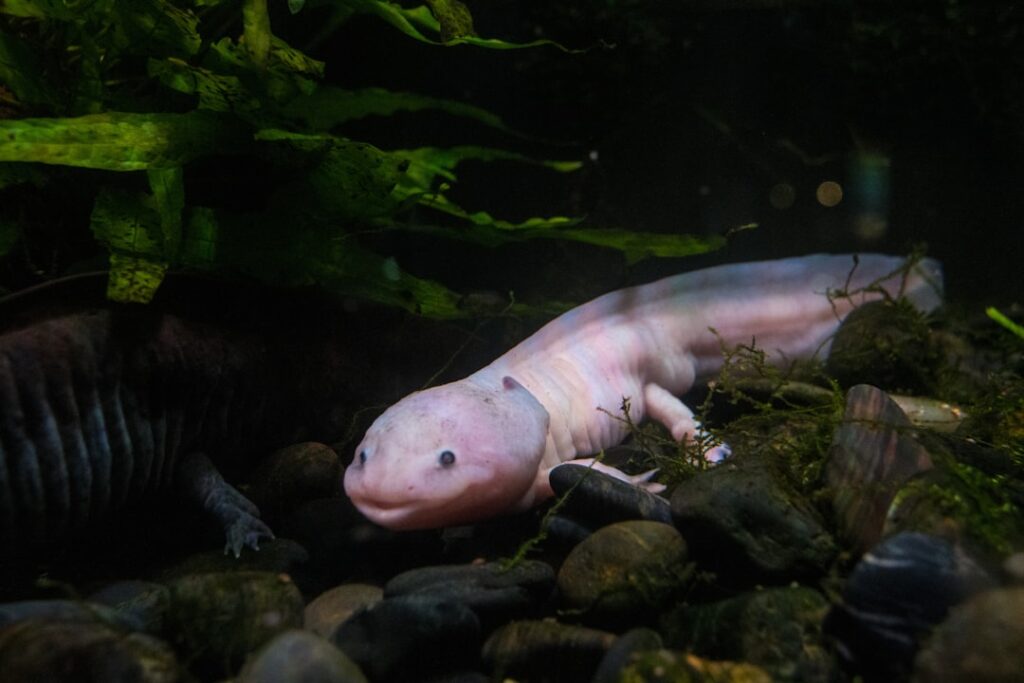
Furthermore, creating distinct areas within the tank can help reduce territorial disputes and provide fish with safe zones where they can retreat if they feel threatened. This careful design can make a significant difference in the overall harmony of the tank.
Feeding Strategies for Mixed Tanks
When keeping axolotls with fish, managing feeding times is crucial. To prevent competition and ensure that both axolotls and fish receive adequate nourishment, consider these strategies:
- Feed axolotls during specific times when fish are less active.
- Use feeding dishes to target feed axolotls, minimizing food competition.
- Observe feeding behaviors to ensure all inhabitants are receiving their fair share of food.
Implementing these feeding strategies can help maintain peace in the tank and ensure all species thrive. For instance, using sinking pellets or food that reaches the bottom can ensure that axolotls have access to their meals without interference from faster, more agile fish.
Additionally, varying the diet of axolotls can keep them healthy and satisfied, thereby reducing the likelihood of aggressive behaviors related to hunger. Providing a variety of protein sources, including earthworms and specially formulated axolotl pellets, can contribute to their overall health and well-being.
Signs of Stress in Axolotls and Fish
Behavioral Indicators
Understanding the signs of stress in both axolotls and fish is essential for maintaining a healthy aquarium. Common indicators include:
- Reduced activity or lethargy
- Loss of appetite
- Unusual hiding behavior
If you notice any of these signs, it may indicate that the tank environment is not suitable for one or more inhabitants. Promptly addressing these issues can prevent further stress and potential health problems. For example, if an axolotl begins to hide excessively, it may be a sign of stress due to aggressive tank mates or poor water quality.
📖 Baca juga: Discover the Amazing World of Axolotls: 10 Fun Facts You Didn’t Know!
Regular monitoring and observation of all tank inhabitants can help aquarists detect stress early. Keeping a journal of behaviors and changes in the aquarium can also aid in identifying patterns and potential triggers for stress.
Physical Signs of Distress
In addition to behavioral changes, physical signs can also indicate stress or illness. Look for:
- Faded coloration
- Visible injuries or wounds
- Unusual swimming patterns
Regularly observing your aquarium inhabitants will help you identify any potential issues early on. Faded coloration can indicate stress or poor water quality, while visible injuries may suggest conflicts with other fish. Unusual swimming patterns, such as erratic movements or floating, can also indicate underlying health issues.
Taking Action
If you observe signs of stress, consider taking the following actions:
- Isolate any aggressive fish to reduce stress on axolotls.
- Adjust tank conditions, such as temperature and pH, to suit all inhabitants.
- Consult with an aquatic specialist for further guidance if needed.
Taking prompt action can help restore harmony within the tank and ensure the health of all aquatic life. For example, if aggressive fish are identified, moving them to a different tank can significantly reduce stress levels in axolotls, allowing them to regain their natural behavior.
Moreover, making gradual changes to tank conditions can help all inhabitants acclimate effectively, reducing the risk of shock or additional stress. By maintaining a proactive approach, aquarists can create a thriving environment for their pets.
Conclusion: Can Axolotls Live with Other Fish?
In conclusion, while axolotls can potentially live with certain fish species, careful consideration must be given to their unique needs and behaviors. By choosing suitable tank mates, creating a balanced aquarium environment, and being vigilant about signs of stress, aquarists can successfully maintain a peaceful coexistence. Additionally, understanding the dynamics of the aquarium and the interactions between species is crucial for long-term success.
Ultimately, understanding the compatibility of axolotls with other fish requires thorough research and observation. With the right approach, it is possible to enjoy the beauty of both axolotls and compatible fish together in one tank, creating a unique and vibrant aquatic community.
Frequently Asked Questions (FAQ)
Can axolotls eat fish?
Axolotls are carnivorous and can eat small fish, but it’s not recommended to feed them fish regularly due to potential health risks from fishy diets. Fish can carry parasites or diseases that may harm axolotls, making it safer to stick with their preferred foods.
What fish can live with axolotls?
Peaceful species like Corydoras Catfish and larger minnows can coexist with axolotls, but smaller or aggressive fish should be avoided. It’s crucial to assess the temperament and size of potential tank mates to ensure compatibility.
Do axolotls require special tank conditions?
Yes, axolotls require cool water temperatures, low current, and good water quality to thrive in a community tank. Maintaining these conditions is essential for their health and longevity.
How can I tell if my axolotl is stressed?
Signs of stress in axolotls include hiding, lethargy, and loss of appetite. Observing their behavior regularly can help detect issues early on, allowing for timely intervention and care.