
Welcoming a baby axolotl into your home can be an exciting journey filled with unique challenges and rewards. These adorable aquatic creatures, known for their regenerative abilities and whimsical appearance, require specific care to thrive. In this guide, we will explore the essential aspects of baby axolotl care, ensuring your new pet grows up healthy and happy.
Understanding the needs of your baby axolotl is crucial for their development and well-being. From tank setup to feeding habits, every detail counts. This article will provide you with in-depth knowledge and practical tips to create the perfect environment for your little friend.
Creating the Ideal Habitat for Baby Axolotls
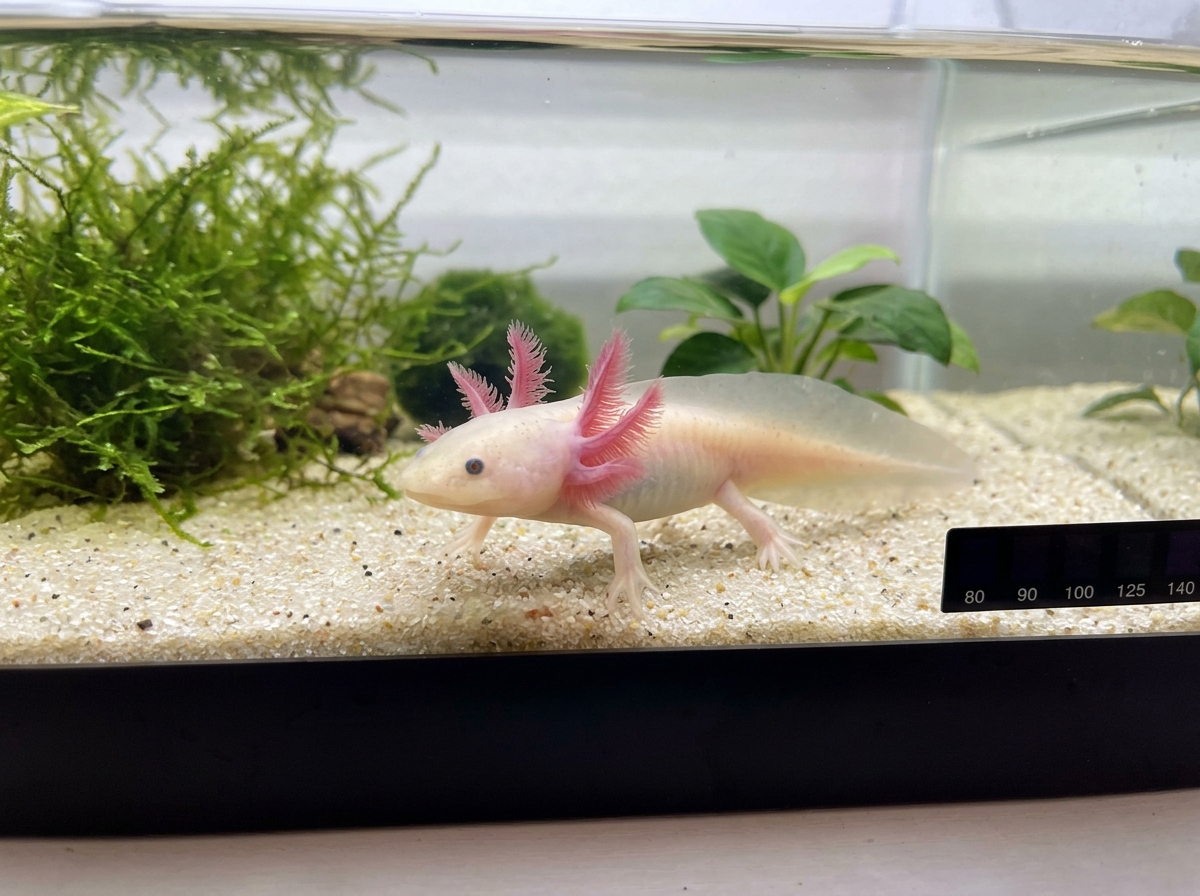
The first step in caring for your baby axolotl is to set up an appropriate habitat. Axolotls are aquatic animals and thrive in a well-maintained tank. Here are some key considerations when creating their habitat:
Choosing the Right Tank Size
For baby axolotls, a tank size of at least 10 gallons is recommended. A larger tank allows for better water quality and gives your axolotl room to grow. Remember, axolotls can reach up to a foot in length, so planning for the future is essential. A 20-gallon tank could be an ideal choice if you plan to keep multiple axolotls or want to ensure ample space for your pet to roam. This extra space helps distribute waste and reduces the concentration of toxins in the water.
In addition to size, consider the tank’s shape as well. A taller tank can provide more swimming space, while a longer tank offers a larger surface area for gas exchange, which is crucial for maintaining healthy oxygen levels in the water. Always ensure that the tank is sturdy and has a secure lid to prevent your curious axolotl from jumping out.
Water Quality and Temperature
Maintaining optimal water conditions is vital. Baby axolotls prefer cool water temperatures between 60°F and 68°F (15°C to 20°C). Use a reliable aquarium heater with a thermostat to keep the temperature stable. Sudden temperature fluctuations can lead to stress and health issues, so invest in a good thermometer to monitor the temperature accurately. In addition, it’s important to ensure the water is dechlorinated and filtered to provide a clean environment. Using a sponge filter can be beneficial, as it offers both filtration and gentle water movement, mimicking the axolotl’s natural habitat.
You should also be aware of the importance of maintaining stable pH levels. Ideally, the pH should be between 6.5 and 7.5. Frequent testing with a water testing kit can help you monitor these parameters, ensuring a safe living environment for your axolotl.
Substrate and Decorations
When choosing substrate, opt for fine sand or bare-bottom tanks to prevent ingestion. Axolotls are notorious for accidentally swallowing gravel, which can lead to serious health issues. Fine sand allows them to dig and explore without risk, while bare-bottom tanks make cleaning easier. If you choose to use sand, ensure it is smooth and free of sharp edges.
Add decorations like rocks and plants, but ensure they are smooth and free of sharp edges to avoid injury. Hiding spots are essential, as they provide security for your axolotl. Use caves, PVC pipes, or live plants to create a comfortable environment. Live plants, such as Anubias or Java Fern, can also help oxygenate the water and provide additional hiding spots.
Feeding Your Baby Axolotl
Proper nutrition is crucial for the growth and health of your baby axolotl. Understanding their dietary needs will ensure they thrive in their new home. A balanced diet will not only promote healthy growth but also enhance their coloration and vitality.
What to Feed Baby Axolotls
Baby axolotls are carnivorous and require a protein-rich diet. Suitable foods include:
- Bloodworms
- Brine shrimp
- Commercial axolotl pellets
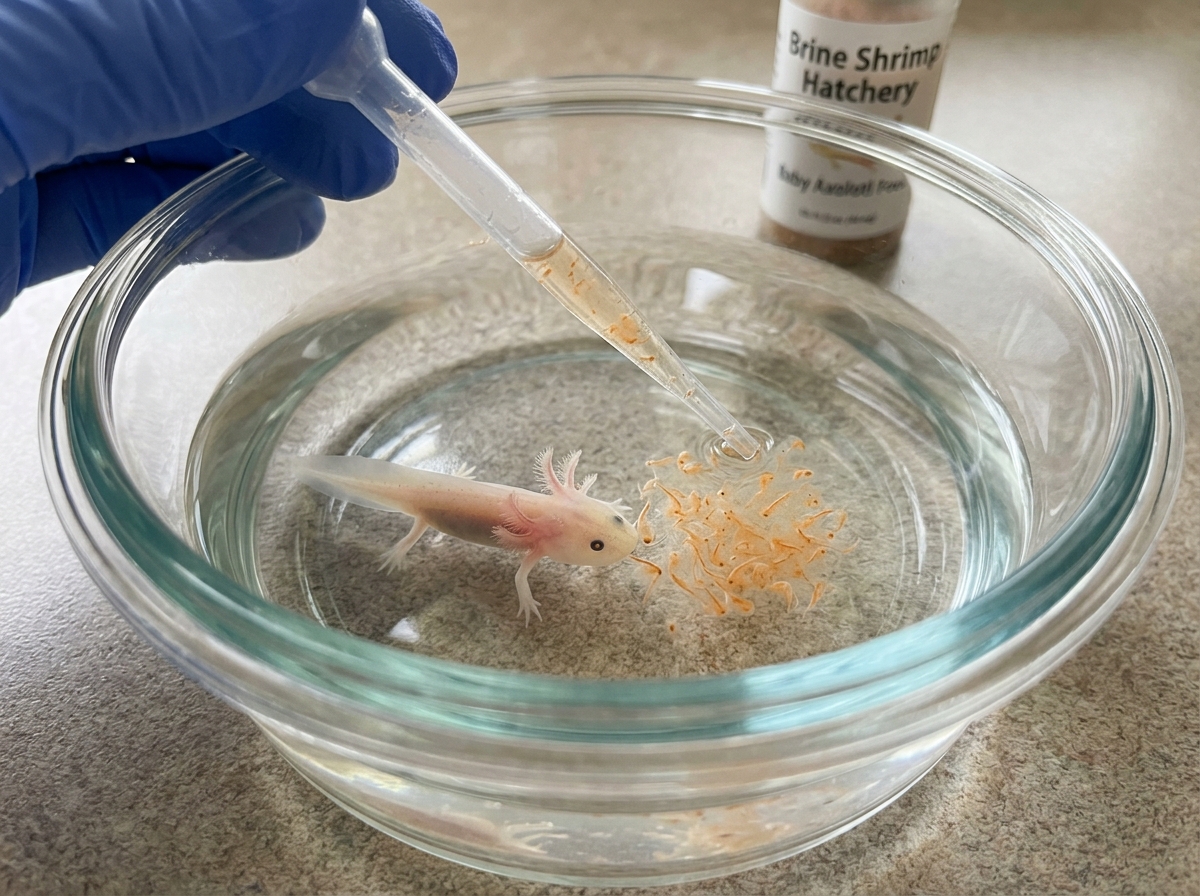
Bloodworms are a popular choice due to their high protein content and palatability. They can be fed in either frozen or live form, but ensure they are appropriately sized for your baby axolotl. Brine shrimp are not only nutritious but also stimulate natural hunting behaviors. Commercial axolotl pellets provide a balanced diet if chosen from reputable brands. Always check the ingredient list to ensure high-quality protein sources.
Feed them small amounts several times a day to avoid overfeeding, which can lead to water quality issues. Overfeeding can result in uneaten food decomposing in the tank, raising ammonia levels and potentially harming your axolotl.
📖 Baca juga: The Ultimate Axolotl Care Guide for Beginners: Unlock the Secrets to Happy Pets!
Feeding Frequency and Techniques
For baby axolotls, feeding 2-3 times a day is ideal. Observe their eating habits to determine the right amount. You can use feeding tongs to present food directly in front of them, making it easier for them to eat. This method can also help you monitor their eating behavior, ensuring they are consuming food effectively.
As your axolotl matures, you may need to adjust their diet to include larger food items or reduce feeding frequency. It’s essential to transition them gradually to ensure they adapt without stress. Always keep an eye on their growth and adjust portion sizes accordingly.
Monitoring Growth and Health
Keep an eye on your axolotl’s growth and behavior. A healthy baby axolotl should be active and show interest in food. If you notice any changes in appetite or behavior, it may be a sign of health issues that require attention. Look for signs of bloating, lethargy, or unusual swimming patterns, as these can indicate underlying health problems.
Regularly check their gills; they should be bright and fluffy. Dull or discolored gills can signal stress or illness. Keeping a journal of your axolotl’s growth and behavior can be helpful in identifying any changes over time.

Maintaining Water Quality
Water quality is one of the most critical factors in baby axolotl care. Regular maintenance and monitoring will help prevent disease and ensure a healthy environment. A clean tank is essential for your axolotl’s overall health and longevity.
Regular Water Changes
Perform partial water changes of about 20-30% weekly to maintain water quality. This practice helps remove toxins and keeps the environment stable. Always use dechlorinated water to refill the tank. It’s best to use a water conditioner that neutralizes chlorine and chloramines, making the water safe for your axolotl.
In addition to regular water changes, consider using a gravel vacuum to clean the substrate during water changes. This will help remove uneaten food and waste that may accumulate, further improving water quality.
Testing Water Parameters
Regularly test the water for ammonia, nitrite, and nitrate levels. The ideal parameters for axolotls are:
- Ammonia: 0 ppm
- Nitrite: 0 ppm
- Nitrate: below 40 ppm
Use an aquarium test kit to monitor these levels, ensuring your axolotl remains healthy. If you notice any readings outside the ideal range, take immediate action to rectify the problem, such as performing a larger water change or checking your filtration system.
Controlling Temperature and pH
Maintain the water temperature and pH levels between 6.5 and 7.5. Sudden changes can stress your axolotl, so make adjustments gradually. Use a thermometer to monitor the temperature accurately. If the temperature fluctuates too much, consider investing in a more reliable heater or a cooling fan to maintain consistent conditions.
For pH control, consider using pH buffers specifically designed for aquarium use. Be cautious with chemical additives, as they can sometimes cause more harm than good. Regular water testing will help you understand your tank’s natural pH levels and make informed decisions about adjustments.
Handling and Interacting with Your Baby Axolotl
While axolotls are relatively easy to care for, handling them requires some considerations. Understanding how to interact with your pet can enhance your bond and ensure their safety. While axolotls are fascinating to watch, they are not pets that enjoy handling like cats or dogs.
When to Avoid Handling
It’s best to avoid handling your baby axolotl unless absolutely necessary. Their delicate skin can absorb harmful substances from human hands. If you need to handle them, ensure your hands are clean and wet to minimize stress. Avoid any lotions, soaps, or perfumes that could harm your axolotl when handling them.
📖 Baca juga: The Ultimate Guide to Choosing the Best Substrate for Your Axolotl Tank
If you must move your axolotl, consider using a net or a container with water from their tank. This method reduces stress and keeps them in a familiar environment during the transfer. Minimizing handling is key to ensuring your axolotl remains healthy and happy.
Signs of Stress in Axolotls
Be observant of your axolotl’s behavior. Signs of stress may include:
- Flicking gills
- Hiding frequently
- Loss of appetite
If you notice these signs, consider if environmental factors may be causing stress and adjust accordingly. Check the water parameters, tank mates, and any recent changes in their environment that could lead to stress.
Additionally, monitor for any physical signs, such as discoloration or lesions on their skin, which may indicate illness or injury. If stress persists, consult with a veterinarian experienced with amphibians to ensure your axolotl receives appropriate care.
Creating a Bond with Your Pet
While axolotls may not be as interactive as some pets, you can still create a bond by observing them regularly. Spend time near their tank to familiarize them with your presence, and they may become more comfortable over time. You can also enhance their environment with toys or plants to stimulate their curiosity.
Consider using a gentle voice when talking to them; while they may not understand, the sound can help them associate your presence with a calm environment. Regular feeding times can also help create a routine, allowing your axolotl to recognize you and anticipate food, building a sense of trust.
Conclusion: Ensuring a Happy Life for Your Baby Axolotl
Caring for a baby axolotl requires attention to detail and commitment. By creating the right habitat, ensuring proper nutrition, maintaining water quality, and understanding how to interact with your pet, you can provide a loving environment for your axolotl to thrive. Remember, a happy axolotl is a healthy axolotl, so take the time to learn and adapt to their needs as they grow.
As you embark on this journey, remember that patience and observation are key. Each axolotl has its personality and preferences, and by paying attention to their behavior and needs, you will become a more knowledgeable and responsible pet owner.
Frequently Asked Questions (FAQ)
How often should I feed my baby axolotl?
Feed your baby axolotl 2-3 times a day in small amounts to ensure they receive adequate nutrition without overfeeding.
What is the ideal water temperature for baby axolotls?
The ideal water temperature for baby axolotls is between 60°F and 68°F (15°C to 20°C).
Can I keep multiple baby axolotls together?
While it’s possible to keep multiple baby axolotls together, be mindful of their size differences and space to prevent aggression.
What should I do if my axolotl is not eating?
If your axolotl is not eating, check water quality, temperature, and other environmental factors. If problems persist, consult a veterinarian.