
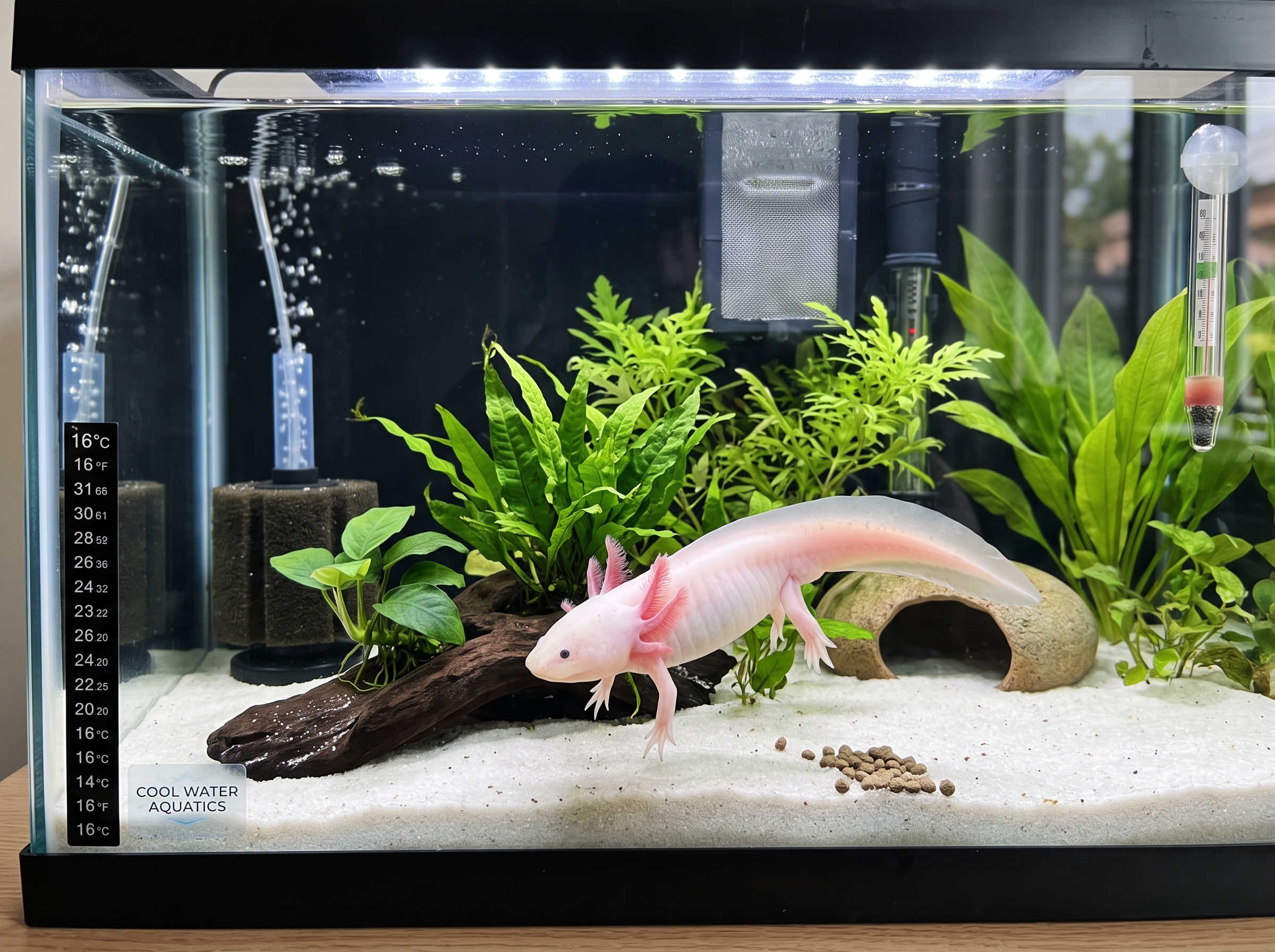
The leucistic axolotl has captivated many with its striking appearance and intriguing biology. As a rare variant of the well-known axolotl, this creature is not just visually stunning but also has fascinating traits that make it a subject of interest for both scientists and enthusiasts alike. In this article, we will explore what makes the leucistic axolotl unique, how to care for them, and their significance in scientific research.
Leucistic axolotls are characterized by their pale skin, which can range from a white to a pink hue, and their dark eyes. This color variation is due to a genetic mutation that affects pigmentation, resulting in their distinctive look. Unlike the more common wild-type axolotls, which are dark and mottled, leucistic axolotls present a striking contrast that makes them a popular choice for aquarists and researchers.
Understanding the leucistic axolotl begins with its origin and habitat. Native to the canals of Xochimilco in Mexico City, these amphibians are critically endangered in the wild. However, their popularity in captivity has led to a growing interest in breeding and conservation efforts. In the following sections, we will delve deeper into the biology, care, and conservation of leucistic axolotls.

What is a Leucistic Axolotl?
The term leucistic refers to a condition where there is a reduced pigmentation in an organism, resulting in lighter coloring compared to typical specimens. In the case of axolotls, leucism leads to their unique pale appearance. This genetic trait is different from albinism, as leucistic animals still have some pigmentation, particularly in their eyes. This distinction is crucial for understanding the genetic diversity and health of axolotls, as many breeders aim to preserve these unique traits while avoiding genetic bottlenecks.
These axolotls are not just a pretty face; they possess remarkable regenerative abilities, a feature that has made them a significant subject of scientific research. They can regenerate limbs, spinal cord, heart, and even parts of their brain without forming scars, a trait that scientists are eager to understand for potential medical applications in humans. Additionally, their regenerative capabilities are influenced by various factors such as age, environmental conditions, and the extent of injury, making them a versatile model for studying regeneration.
Leucistic axolotls are often confused with albino axolotls, but the differences are notable. While albino axolotls have completely white skin and pink eyes, leucistic axolotls maintain their dark eyes and can exhibit slight pigmentation in other areas. This difference is not merely cosmetic; it indicates variations in genetic expression that can be critical for breeding programs focused on conservation and biodiversity.

Care Tips for Leucistic Axolotls
Caring for leucistic axolotls requires a specific environment and diet to ensure their health and well-being. Here are some essential care tips for keeping these unique creatures in captivity. Proper care not only enhances their lifespan but also promotes their natural behaviors, contributing to their overall health.
Tank Setup
Leucistic axolotls thrive in cool, well-aerated water. The ideal temperature for their habitat ranges from 16 to 18 degrees Celsius (60 to 64 degrees Fahrenheit). It’s crucial to avoid high temperatures, as they can lead to stress and health issues. A stable temperature is vital, as fluctuations can compromise their immune system and increase susceptibility to diseases.
When setting up a tank, ensure it has adequate filtration to maintain water quality. Axolotls produce a significant amount of waste, so a reliable filtration system is essential. Additionally, use a substrate that is gentle on their sensitive skin, such as sand or smooth rocks. Avoid gravel, as it can be ingested and lead to digestive blockages. Regular maintenance of the tank, including weekly water changes and cleaning of the filter, will help maintain a healthy living environment.
Providing hiding spots and plants in the tank can help reduce stress for your axolotl. They like to have places to retreat to, which mimics their natural habitat and allows them to feel secure. Live plants not only enhance the aesthetics of the aquarium but also contribute to the water quality by absorbing harmful nitrates and providing oxygen. Moreover, incorporating decorations like caves or PVC pipes can create additional shelter, promoting natural behaviors like exploration and resting.
📖 Baca juga: Ultimate Guide to Baby Axolotl Care: Essential Tips for Happy Pets
Feeding Your Leucistic Axolotl
Leucistic axolotls are carnivorous and require a diet rich in protein. Their diet mainly consists of:
- Worms (earthworms are a favorite)
- Small fish (ensure they are appropriate for their size)
- Pellets specifically formulated for axolotls
Feeding them 2-3 times a week is sufficient, and it’s important to remove any uneaten food to maintain water quality. Additionally, be cautious with the size of the food, as axolotls can choke on large prey. It’s also beneficial to vary their diet occasionally with other protein sources, such as shrimp or bloodworms, to ensure they receive a balanced intake of nutrients.
Young axolotls, or larvae, have different dietary needs and may require smaller food items, such as brine shrimp or finely chopped worms, until they grow larger. Monitoring their growth and adjusting their diet accordingly is essential for their development. Proper nutrition not only supports growth but also aids in maintaining their striking coloration and overall vigor.
Health and Common Issues
While leucistic axolotls are relatively hardy, they can encounter health issues if not properly cared for. Common problems include:
- Infections (often due to poor water quality)
- Skin lesions (can occur from rough substrates or tank mates)
- Gilling issues (if the water is not adequately aerated)
Regular water changes and monitoring their environment are crucial for preventing these issues. Be observant of their behavior and physical condition to catch any problems early. Signs of stress or illness may include loss of appetite, lethargy, or unusual swimming patterns, which should prompt immediate attention.
It’s also important to quarantine new axolotls before introducing them to an established tank to prevent the spread of diseases. Regular health checks, including examining their gills, skin, and overall demeanor, can help identify issues before they become severe. Maintaining a stable environment and ensuring proper husbandry practices are key factors in promoting longevity and health in leucistic axolotls.

The Significance of Leucistic Axolotls in Research
Leucistic axolotls play an essential role in scientific research, particularly in the fields of regenerative medicine and genetics. Their ability to regenerate lost limbs and organs serves as a model for understanding similar processes in humans. Scientists are investigating the biochemical pathways and genetic factors that enable this remarkable regeneration, which could eventually lead to breakthroughs in healing human injuries and degenerative diseases.
Researchers study the molecular and genetic basis of regeneration in axolotls, hoping to unlock secrets that could lead to advancements in healing severe injuries or diseases. Their unique genetic makeup allows scientists to investigate how certain genes can influence regeneration and healing. For instance, studies have shown that specific growth factors and signaling pathways are crucial in initiating and promoting regeneration in axolotls, providing valuable insights into potential therapeutic approaches for humans.
Moreover, the conservation status of the axolotl has prompted research into biodiversity and habitat conservation. Understanding the challenges these creatures face in the wild can lead to more effective conservation strategies, benefiting not only axolotls but also the ecosystems they inhabit. Efforts to restore their natural habitats and mitigate threats from pollution and invasive species are crucial for ensuring their survival, highlighting the importance of integrating scientific research with conservation initiatives to protect this unique species.
📖 Baca juga: The Ultimate Guide to Choosing the Best Substrate for Your Axolotl Tank

Leucistic Axolotls in Popular Culture
Beyond their scientific significance, leucistic axolotls have made their mark in popular culture. Their unique appearance and charming nature have inspired a variety of merchandise, from plush toys to art. Many aquarists and pet enthusiasts are drawn to them for their beauty and the joy of keeping such a rare animal. This fascination has contributed to a growing community of axolotl lovers who share their experiences and knowledge through social media platforms.
Social media platforms are filled with photos and videos showcasing these fascinating creatures, further elevating their status as a beloved pet. This visibility has helped raise awareness about their endangered status in the wild, prompting efforts for conservation and education. Various campaigns and fundraisers have emerged to support the conservation of axolotls and their habitats, emphasizing the role of public engagement in wildlife preservation.
As a result, leucistic axolotls have become ambassadors for their species, encouraging people to learn more about amphibians and the importance of protecting their natural habitats. Their popularity serves as a gateway for broader discussions about biodiversity, conservation, and the ecological challenges facing many amphibians worldwide, fostering a greater appreciation for wildlife and the need for sustainable practices.
Conclusion
The leucistic axolotl is a remarkable creature with unique characteristics that make it a fascinating subject for both hobbyists and researchers. Its striking appearance, combined with its incredible regenerative abilities, has positioned it as a vital species in scientific studies and conservation efforts. By understanding how to care for these animals and recognizing their importance in research, we can contribute to their preservation and appreciation.
As we continue to explore the mysteries of the leucistic axolotl, we not only gain insights into this unique amphibian but also enhance our understanding of biology and conservation. Embracing these creatures in our homes and supporting their conservation in the wild can lead to a brighter future for the leucistic axolotl. As stewards of the environment, we have a responsibility to ensure that future generations can appreciate and learn from these extraordinary animals.
Frequently Asked Questions (FAQ)
What is the lifespan of a leucistic axolotl?
Leucistic axolotls can live for 10 to 15 years in captivity if properly cared for, with some even reaching up to 20 years with optimal conditions. This longevity is a testament to the importance of proper husbandry and stable living environments.
Can leucistic axolotls breed?
Yes, leucistic axolotls can breed with both leucistic and wild-type axolotls, resulting in a mix of offspring with various colorations. This genetic diversity is crucial for maintaining healthy populations and can aid in conservation efforts.
Are leucistic axolotls good pets?
Leucistic axolotls can make excellent pets for those who are prepared to meet their specific care requirements, including a suitable tank environment and diet. Their unique characteristics and engaging behaviors can provide a rewarding experience for dedicated pet owners.
Why are leucistic axolotls endangered?
Leucistic axolotls are endangered primarily due to habitat loss, pollution, and the introduction of invasive species in their native environment in Mexico. Conservation efforts are critical to addressing these threats and ensuring their survival in the wild.