
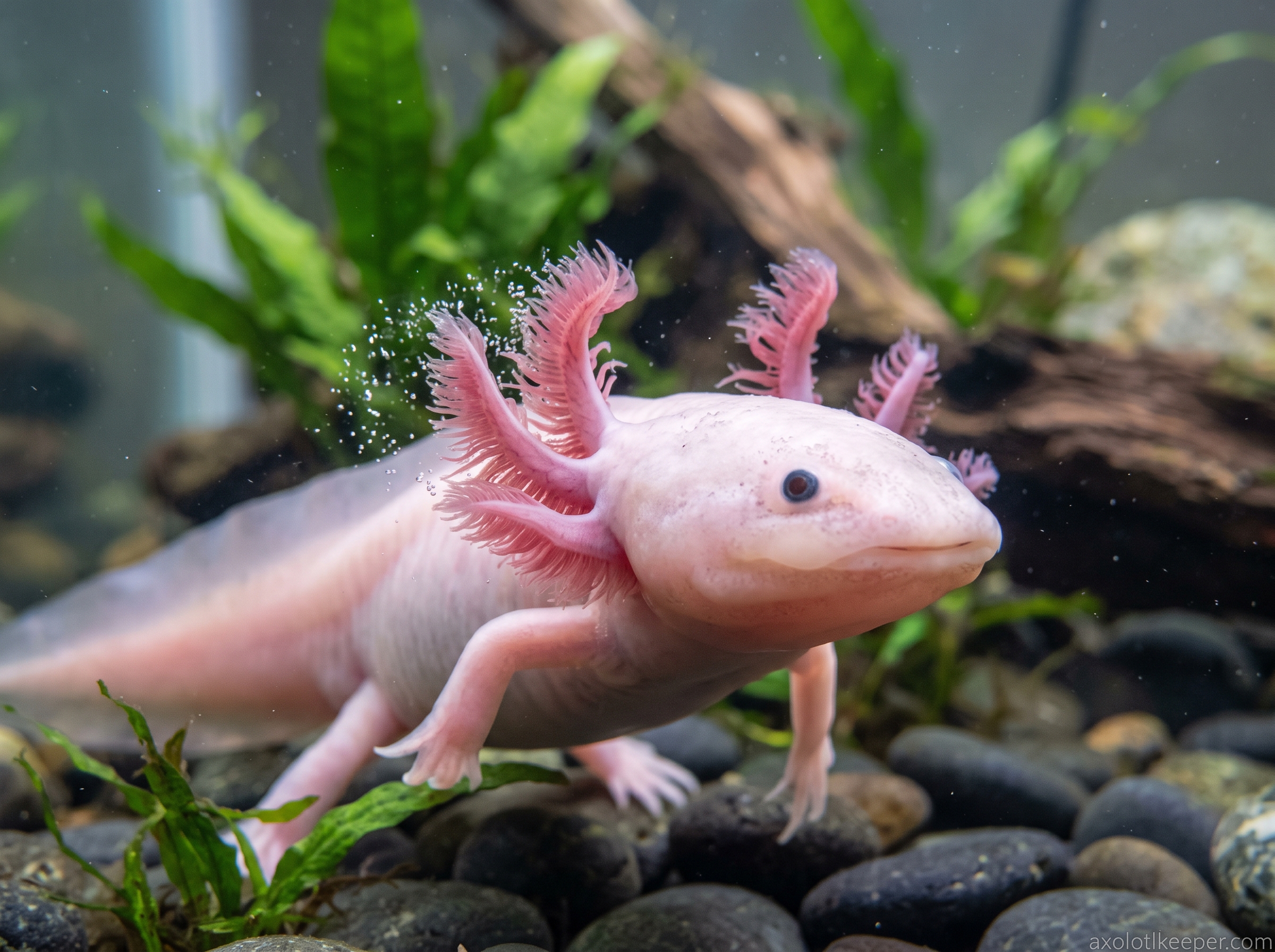
The axolotl, a remarkable amphibian native to Mexico, is well-known for its unique regenerative abilities and its striking appearance. One of the most intriguing behaviors of the axolotl is its gill flicking, a fascinating phenomenon that captivates both researchers and animal enthusiasts alike. In this article, we will explore the reasons behind axolotl flicking gills, its significance, and what it reveals about their biology.
Gills in axolotls are not just for breathing; they also play a crucial role in communication and health. Understanding this behavior can provide insights into the overall well-being of these remarkable creatures. Join us as we dive into the mechanics and implications of gill flicking in axolotls!
The Importance of Gill Flicking in Axolotls
Gill flicking in axolotls is a behavior that serves several purposes. This action can indicate various states, from stress to excitement. Observing gill flicking can help owners and researchers gauge the health and emotional state of an axolotl. Below, we will discuss five key aspects related to gill flicking that highlight its significance.
Firstly, gill flicking can be a sign of environmental awareness. Axolotls that are exposed to changes in their surroundings may flick their gills as a way to assess their habitat. This behavior could be a response to water currents, changes in light, or even the presence of other creatures, indicating that the axolotl is actively engaging with its environment.
Secondly, the frequency of gill flicking might vary based on the time of day. For instance, axolotls are generally more active during the evening, and an increase in gill flicking during these hours could suggest heightened alertness and activity levels. Understanding these patterns can help owners create a more conducive environment for their pets, allowing them to thrive.

Understanding the Anatomy of Axolotl Gills
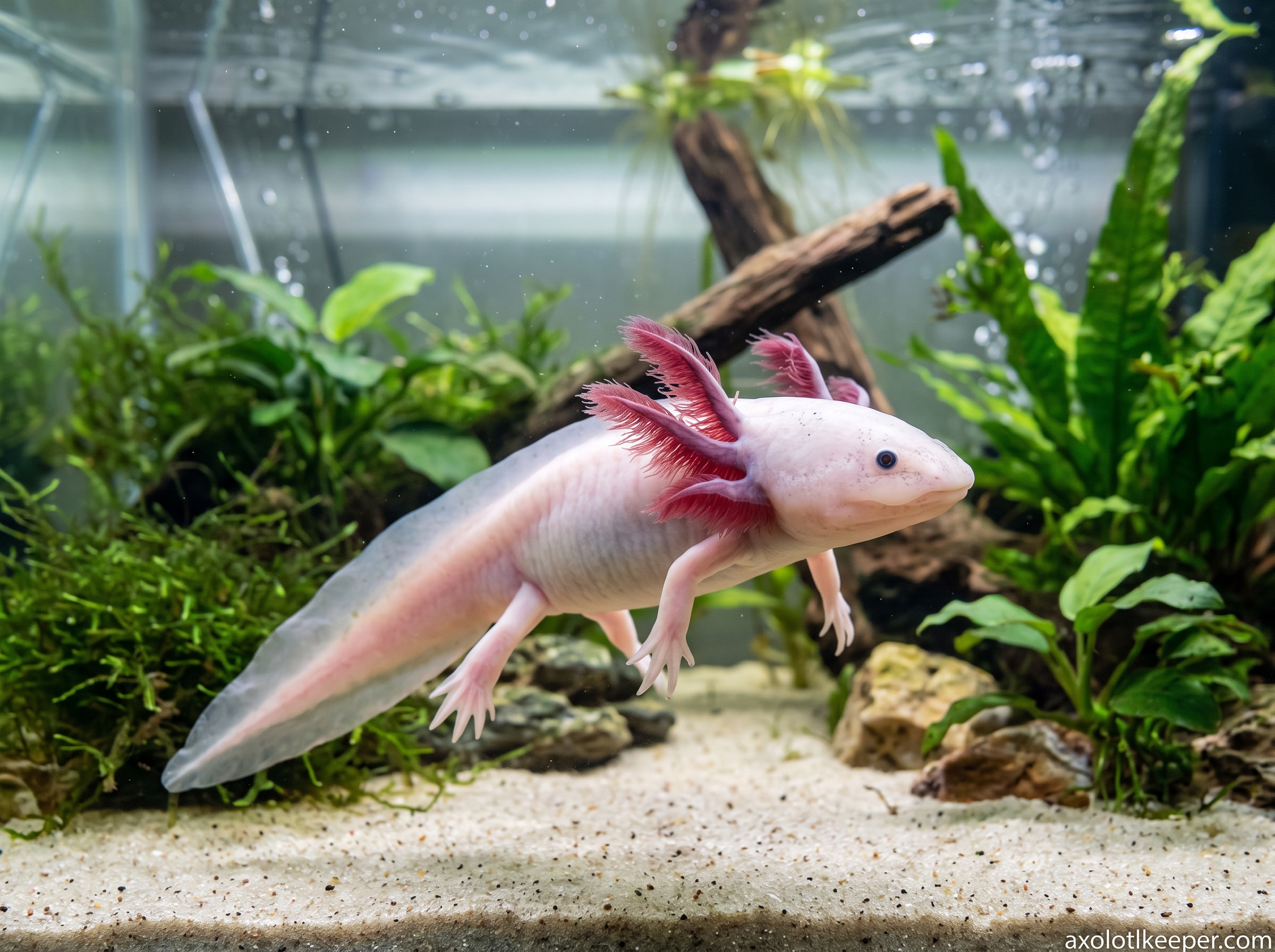
The gills of an axolotl are feathery structures that extend from the sides of its head. These gills are essential for gas exchange, allowing the axolotl to breathe underwater. When an axolotl flicks its gills, it may be adjusting the flow of water over these delicate structures to optimize oxygen intake. This anatomical feature is particularly important given that axolotls are often found in environments with varying oxygen levels, such as stagnant ponds.
Additionally, the gills are not just for respiration; they have a rich blood supply and are directly involved in regulating the axolotl’s body temperature. By flicking their gills, axolotls can help maintain their internal temperature, which is crucial for their overall metabolic processes. The intricate design of these gills enables axolotls to thrive in their aquatic habitats, showcasing their evolutionary adaptations.
Gill Flicking as a Communication Tool
Axolotls use gill flicking as a form of non-verbal communication. This behavior can signal to other axolotls about their mood or health status. For instance, rapid gill flicking may indicate agitation or excitement, while slow movements might suggest relaxation or contentment. Understanding this aspect of their behavior is key for researchers studying social interactions among axolotls.
Moreover, gill flicking can serve as an indicator of hierarchy within a group of axolotls. Dominant individuals may exhibit more pronounced flicking patterns, while subordinate axolotls might adopt more subdued movements. Observing these interactions can provide insights into their social structures and the dynamics of their communities in both wild and captive settings.
Health Indicators Through Gill Flicking
Monitoring gill flicking can also serve as a health indicator. Changes in the frequency or intensity of flicking could signal stress or illness. For example, if an axolotl is flicking its gills excessively, it might be experiencing discomfort due to water quality issues or other environmental stressors. Recognizing these signs early can be crucial for the timely intervention and care of the axolotl.
Additionally, certain health conditions can be linked to changes in gill flicking behavior. For instance, infections or parasites may cause an axolotl to flick its gills more frequently as it attempts to alleviate irritation. Owners and researchers must pay close attention to these behavioral changes, as they can lead to more serious health issues if left unaddressed.
📖 Read also: Unveiling the Mystery: Why Axolotl Gills Curl and Shrink
Factors Influencing Gill Flicking Behavior
Several factors can influence the frequency and intensity of gill flicking in axolotls. Environmental conditions, health status, and social interactions all play a role in this intriguing behavior. Let’s explore these factors in more detail.
Environmental conditions are perhaps the most significant influencers of gill flicking. The water quality and temperature can significantly impact an axolotl’s gill flicking frequency. Poor water conditions, such as high levels of ammonia or low oxygen, can lead to increased gill flicking as the axolotl struggles to breathe. Maintaining optimal water conditions is crucial for the health of these creatures. Regular testing of water parameters like pH, ammonia, nitrites, and nitrates can help ensure a stable and healthy environment.
In addition to water quality, temperature fluctuations can cause stress, prompting more frequent gill flicking. Axolotls thrive in cooler water, typically around 16-18°C (60-64°F). If the temperature rises beyond this range, axolotls may exhibit signs of distress, including increased gill flicking. This behavior serves as a reminder for pet owners to maintain stable temperature conditions to promote the well-being of their axolotls.
Social Interactions
Interactions with other axolotls can also influence gill flicking. In a communal tank, an axolotl may flick its gills more frequently during periods of interaction with tank mates. This behavior can be a response to perceived threats or simply a way to engage with other axolotls. For instance, during feeding time, axolotls may flick their gills excitedly, indicating their eagerness for food as well as their social dynamics.
Furthermore, when introduced to new axolotls, established individuals may display increased gill flicking as a way to assert dominance or communicate their presence. Understanding these social cues can help owners manage group dynamics more effectively, ensuring that all axolotls coexist harmoniously in a shared habitat.
Health Status
Illness or stress can manifest through increased gill flicking. If an axolotl is experiencing health issues, it may flick its gills more often as a coping mechanism. Observing changes in this behavior can alert owners to potential health problems that require attention. For example, if an axolotl suddenly begins to flick its gills frequently after previously exhibiting calm behavior, this could indicate underlying health concerns that warrant further investigation.
In addition to monitoring gill flicking behavior, owners should consider other health indicators, such as appetite and activity levels. A combination of these factors can provide a more comprehensive understanding of an axolotl’s health status. Regular check-ups with a veterinarian experienced in amphibian care can also help ensure that any potential health issues are addressed promptly.
Behavioral Observations in Captivity
For axolotl enthusiasts and pet owners, understanding gill flicking behavior is essential for ensuring the well-being of these fascinating creatures. By observing their gill movements, one can gain insights into their emotional state and overall health. Captive axolotls often exhibit unique behaviors that may differ from their wild counterparts due to the controlled environment.
One key aspect of behavioral observations is recognizing the impact of habitat setup on gill flicking. Creating an ideal habitat for axolotls is crucial for minimizing stress and promoting healthy behaviors. This includes maintaining clean water, providing hiding spots, and ensuring stable temperatures. A well-maintained environment can lead to more natural gill flicking behaviors, which are vital for the axolotl’s emotional well-being.
Setting Up an Optimal Habitat
Creating an ideal habitat for axolotls involves several important factors. Firstly, the tank size should be appropriate for the number of axolotls, as overcrowding can lead to increased stress and subsequently more frequent gill flicking. A larger tank allows for greater swimming space and minimizes territorial disputes among axolotls.
📖 Read also: The Fascinating Curling Tail of Axolotls: Nature’s Wonder
In addition to tank size, the substrate, decorations, and filtration system play significant roles in the overall environment. Using a substrate that is safe and easy to clean can help maintain water quality, while decorations like plants and hiding spots provide axolotls with areas to explore and feel secure. A reliable filtration system is essential to keep the water clean and stable, which in turn affects gill flicking behavior.
Interpreting Gill Flicking in Different Contexts
Observing gill flicking in various contexts can help owners interpret what their axolotl may be experiencing. For instance, gill flicking during feeding may indicate excitement, while flicking in response to sudden movements may suggest stress. Understanding these contexts can enhance the owner-axolotl bond. For example, if an owner notices that their axolotl flicks its gills rapidly when they approach the tank, it could signify that the axolotl has learned to associate them with feeding time.
Furthermore, gill flicking can also occur during play or exploration. Axolotls are curious creatures, and observing them flick their gills while exploring new decorations or interacting with their environment can be a positive sign of engagement. This playful behavior reflects their adaptive nature and willingness to explore their surroundings.
Monitoring Health Through Behavior
Regularly monitoring gill flicking behavior can be a proactive way to assess the health of an axolotl. Any sudden changes in gill flicking patterns should prompt further investigation into potential underlying issues, enabling timely interventions. For example, if an axolotl that typically flicks its gills slowly begins to flick rapidly without any apparent cause, this could be a red flag indicating stress or illness.
In addition to gill flicking, monitoring other behaviors such as feeding habits, swimming patterns, and overall activity levels can provide a more comprehensive picture of an axolotl’s health. Keeping a journal or log of these observations can help owners track changes over time and recognize patterns that may indicate health concerns. Early detection of any issues can significantly improve the chances of successful treatment and recovery.
Conclusion: The Marvel of Axolotl Gill Flicking
Axolotl flicking gills is not just a fascinating behavior; it is a critical aspect of their biology that provides essential information about their health and well-being. By understanding the significance of this behavior, owners and researchers can better appreciate the complexities of these remarkable creatures. Whether you are a pet owner or a biologist, observing axolotl gill flicking can enhance your understanding and appreciation of these extraordinary amphibians.
In summary, axolotl flicking gills serves multiple purposes, from respiration to communication and health monitoring. By paying attention to this behavior, we can ensure these creatures thrive in their environments. The more we learn about axolotls and their behaviors, the better equipped we are to protect and care for them, both in captivity and in the wild.
Frequently Asked Questions (FAQ)
What does gill flicking indicate in axolotls?
Gill flicking in axolotls can indicate various states, such as excitement, stress, or discomfort. Monitoring this behavior can help assess their emotional and physical health.
How can water quality affect gill flicking?
Poor water quality can lead to increased gill flicking as axolotls struggle to breathe. Maintaining optimal water conditions is crucial for their well-being.
Is gill flicking normal behavior for axolotls?
Yes, gill flicking is a normal behavior for axolotls. However, changes in the frequency or intensity of flicking may warrant further investigation into their health or environment.