
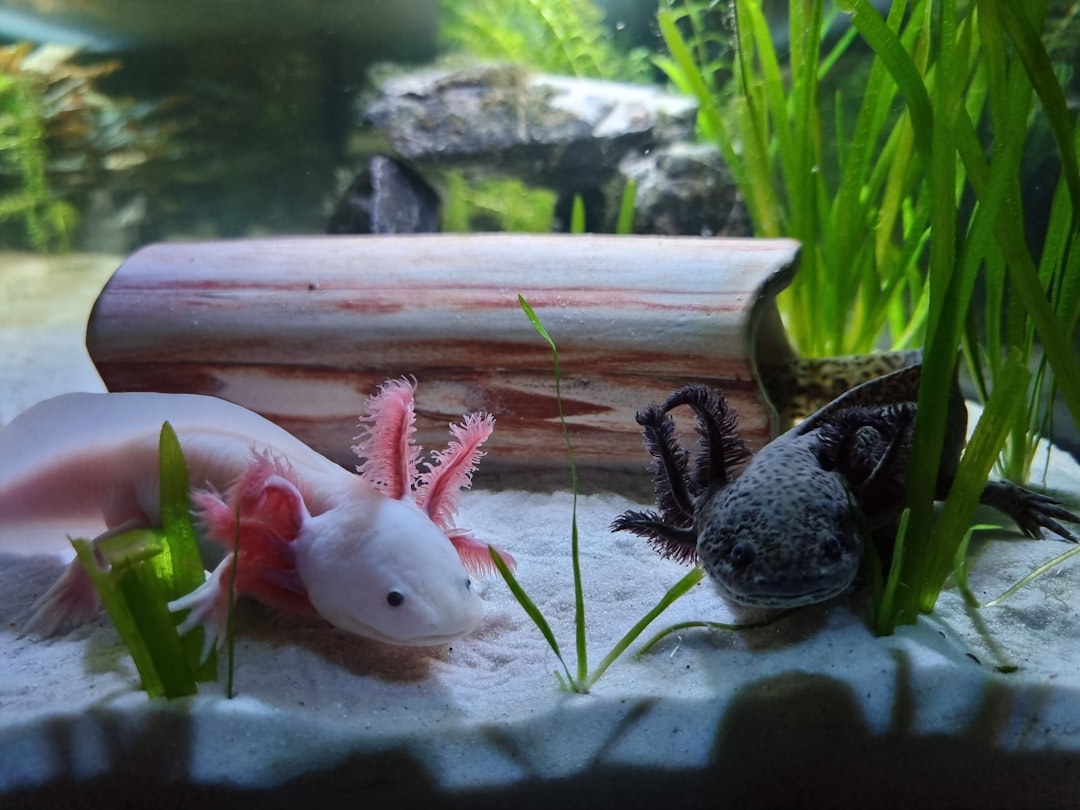
Axolotls, often dubbed as the “Mexican walking fish”, are not just known for their unique appearance but also for their intriguing behaviors. One of the most captivating aspects of these amphibians is their curling tail. This characteristic not only serves functional purposes but also contributes to their charm. In this article, we will explore the reasons behind the axolotl’s curling tail, its significance in their life, and some quirky facts about this remarkable creature.
Axolotls are a type of neotenic salamander, meaning they retain their larval features throughout their lives. This unique trait contributes to their distinct curling tail, which plays a critical role in their swimming mechanics and overall health. Understanding how and why axolotls curl their tails can provide deeper insights into their biology and behavior.
Let’s dive into the various aspects of this fascinating phenomenon.
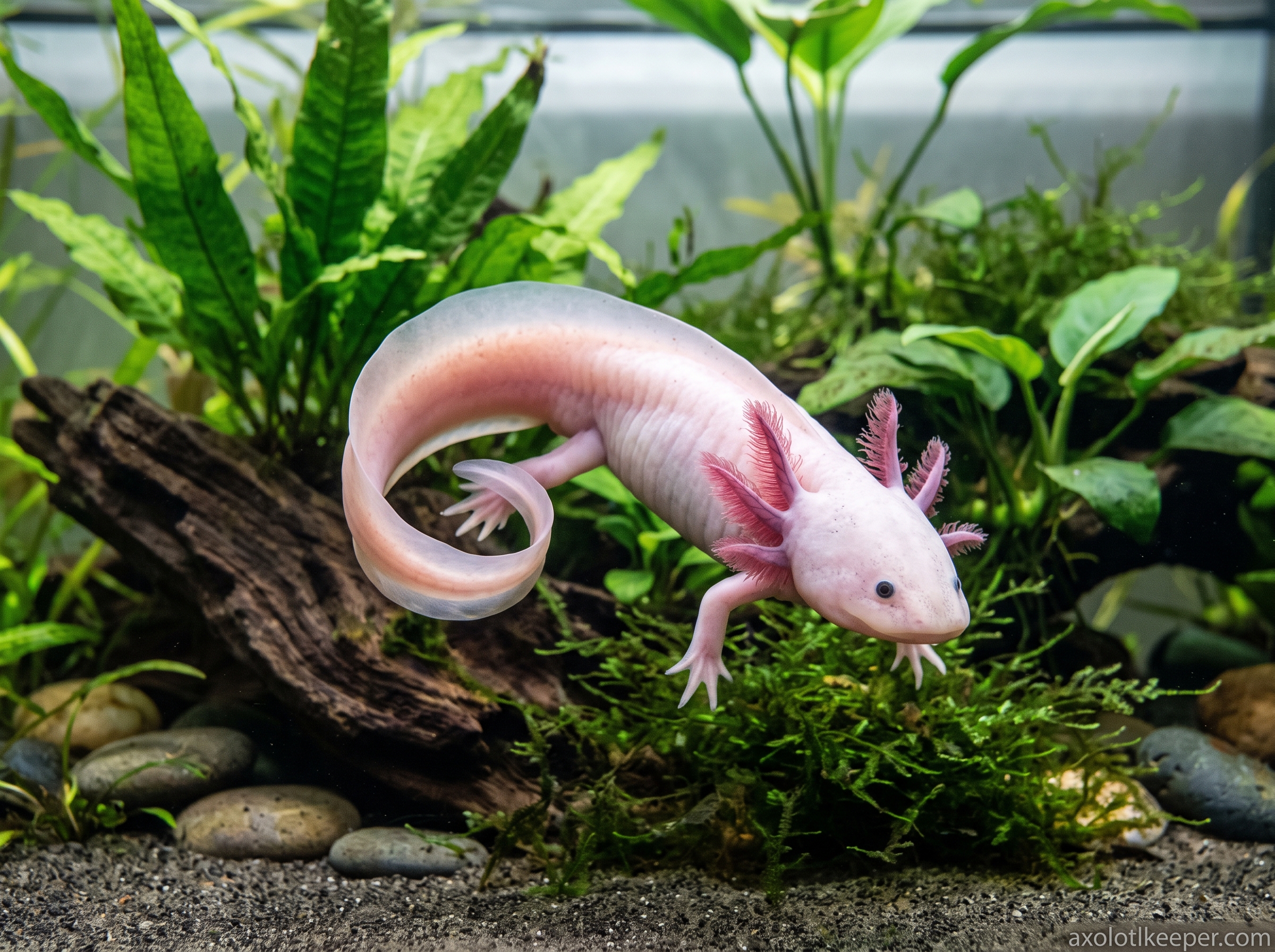
Understanding the Curling Tail of Axolotls
The curling tail of axolotls is not just an aesthetic feature; it serves several important functions. Primarily, it aids in their locomotion, helping them navigate their aquatic environments more efficiently. The tail’s curling action can also indicate health and emotional states. Here, we will explore some key points that highlight the significance of the curling tail in axolotls.
In addition to its role in movement, the curling tail of axolotls is essential for their overall survival in the wild. The unique structure of the tail allows for agile movements, enabling them to swiftly evade predators. This agility is crucial, especially in their natural habitat, where they share waters with various other species, including fish that may pose a threat. The curling motion provides a quick response mechanism that is vital for their survival.
Furthermore, the tail’s versatility extends beyond just swimming. It can also be used in various social interactions among axolotls. For instance, during mating rituals or territorial disputes, the way an axolotl curls its tail can send significant signals to others. This multi-faceted function of the tail underscores its importance in the lives of these fascinating creatures.
Locomotion and Swimming Efficiency
One of the primary functions of the axolotl’s tail is to facilitate movement through water. The tail acts as a powerful paddle, allowing these creatures to propel themselves forward. The curling action enhances the surface area, providing better thrust and maneuverability. This is particularly important in their natural habitat, where they need to evade predators and catch prey.
The mechanics of swimming in axolotls involve a unique undulating motion of the tail. When they swim, the tail curls and un-curls rhythmically, creating a wave-like motion that propels them efficiently through the water. This method of swimming is not only effective but also energy-efficient, allowing axolotls to cover considerable distances without exhausting themselves. In laboratory settings, studies have shown that axolotls can swim at varying speeds depending on their tail movements, showcasing the adaptability of their locomotion strategies.
Moreover, the curling tail aids in their ability to navigate complex underwater environments. In habitats filled with plants and rocks, the ability to maneuver swiftly is crucial for both foraging for food and avoiding potential dangers. The axolotl’s tail, therefore, is an evolutionary adaptation that enhances their survival in diverse aquatic ecosystems.
📖 Read also: The Fascinating World of Axolotls: Why They Walk on Tank Floors

Communication and Social Interaction
Axolotls are known for their unique ways of communicating with each other, and the positioning of their tails plays a significant role in this interaction. A curled tail can signal various emotional states, such as stress or excitement. Observing their tail movements can provide valuable insight into their social behaviors and well-being.
For example, during mating season, male axolotls exhibit elaborate tail movements to attract females. The way a male curls his tail can indicate his readiness to mate, and females may respond with their own tail movements. This form of communication is essential for reproductive success, allowing both parties to gauge interest and readiness for mating.
Additionally, when axolotls feel threatened, they may curl their tails in a defensive posture. This curling may serve as a warning signal to other axolotls in the vicinity, indicating potential danger. Understanding these tail signals is crucial for anyone studying or caring for axolotls, as it can help in recognizing their emotional states and responding appropriately to their needs.
Health Indicators
The condition of an axolotl’s tail can also serve as an indicator of its overall health. A curling tail may suggest stress or discomfort, while a straight, well-maintained tail often indicates a happy and healthy axolotl. Regular observation of tail behavior is essential for axolotl enthusiasts and caretakers to ensure their pets are thriving.
For instance, if an axolotl’s tail appears frayed or damaged, it could indicate that the animal is experiencing stress due to environmental factors such as water quality or temperature fluctuations. Conversely, a vibrant and well-formed tail suggests that the axolotl is in good health, receiving proper care, and thriving in its environment. This correlation between tail condition and health status emphasizes the importance of monitoring axolotls closely.
Moreover, research has shown that axolotls can experience changes in tail curling behavior in response to their surroundings. For example, in a stable and enriched environment, axolotls tend to exhibit more relaxed tail movements, whereas those in less favorable conditions may show more erratic or rigid tail positions. Understanding these nuances can help caretakers create optimal living conditions for these extraordinary creatures.

Quirky Facts About Axolotls and Their Tails
Axolotls are indeed remarkable creatures with several quirky traits related to their tails that many people may not be aware of. These facts can deepen our appreciation for these unique amphibians and their adaptations.
One fascinating aspect of axolotls is their remarkable ability to regenerate lost body parts, including their tails. If an axolotl loses its tail due to injury or stress, it can regrow it over time. This regeneration process is a subject of scientific research, as it could provide insights into healing mechanisms applicable to humans. Researchers are particularly interested in the molecular and cellular processes involved in tail regeneration, as understanding these mechanisms may one day lead to advancements in regenerative medicine for humans.
Additionally, the regeneration of the axolotl’s tail is not just about replacing lost tissue; it also involves restoring functionality. When an axolotl regrows its tail, the new tail is often fully functional, allowing the axolotl to swim and maneuver just as effectively as before. This ability to regenerate is a key factor in their survival, as it allows them to recover from injuries that would be detrimental to other species.
📖 Read also: Unlocking the Secrets: Understanding Axolotl Personality Differences
Color Variations and Tail Appearance
Axolotls come in various colors, including leucistic, golden albino, and wild-type, each displaying unique tail characteristics. The colors and patterns can influence how their tails appear curled, adding to the visual diversity of these fascinating creatures. For instance, leucistic axolotls have a pale pink coloration with translucent skin, making their curled tails appear almost ethereal in water.
This color variation is not only aesthetically pleasing but also has implications for their survival. In the wild, camouflaged axolotls may have a better chance of evading predators, while more brightly colored individuals may be more vulnerable. Understanding these color dynamics adds another layer to the study of axolotl behavior and adaptation.
Moreover, the appearance of their tails can also be influenced by environmental factors, such as water conditions and diet. Healthy axolotls with balanced diets tend to have vibrant tails, which can curl beautifully. This connection between diet, health, and tail appearance highlights the importance of proper care for axolotls, especially in captivity.
Cultural Significance
In Mexican culture, axolotls hold significant importance as symbols of resilience and adaptability. Their unique appearance and tail curling behavior have inspired various artistic expressions, ranging from literature to visual arts. In many indigenous cultures, the axolotl is revered not only for its fascinating features but also for its association with myths and legends.
For instance, in Aztec mythology, the axolotl is often linked to the god Xolotl, who is associated with fire and lightning. This cultural connection highlights the axolotl’s significance beyond its biological attributes, embedding it deeply in the cultural fabric of Mexico. Artists and writers have drawn inspiration from this unique creature, creating works that celebrate its beauty and the lessons it embodies about resilience.
Furthermore, the axolotl’s status as an endangered species has raised awareness about conservation efforts in Mexico. As their natural habitats face threats from urbanization and pollution, the axolotl has become a symbol of the need to protect biodiversity. This cultural significance, combined with their scientific intrigue, makes axolotls valuable both as subjects of study and as icons of environmental stewardship.

Conclusion: The Marvel of the Curling Tail
In summary, the curling tail of axolotls is a multifaceted feature that plays crucial roles in their locomotion, communication, and health. By understanding this unique aspect of axolotls, we can better appreciate their adaptability and the wonders of nature. Whether you are a pet owner, a biologist, or simply an admirer of these incredible creatures, the axolotl’s curling tail is a remarkable example of evolutionary adaptation.
As we continue to explore the mysteries of the natural world, let us not forget the importance of preserving habitats for species like the axolotl, ensuring that future generations can enjoy their beauty and uniqueness. Through education and conservation efforts, we can contribute to the survival of this extraordinary amphibian and the ecosystems it inhabits.