
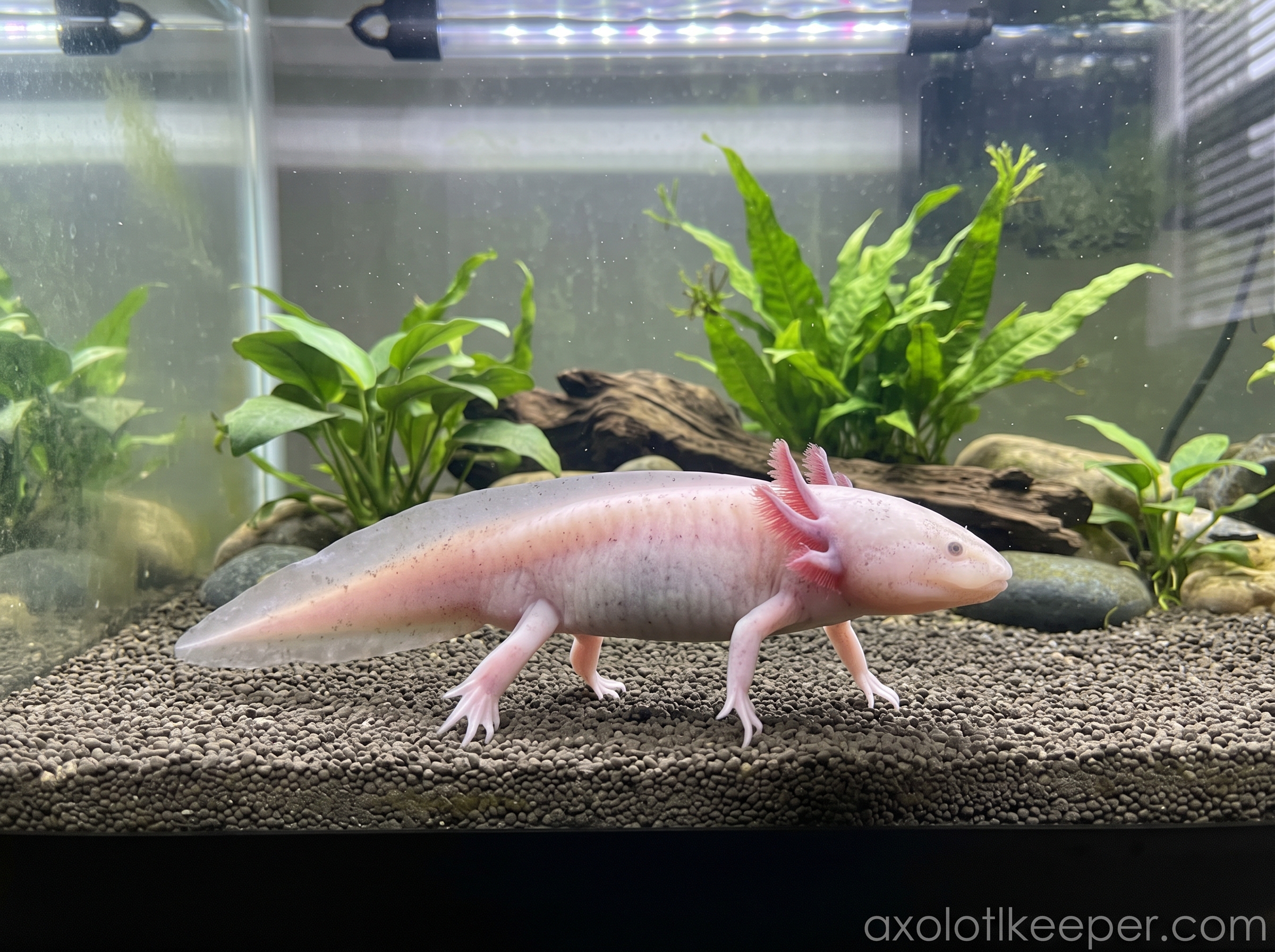
The axolotl, a unique amphibian native to Mexico, is renowned for its remarkable regenerative abilities and its unusual habit of walking on the floor of its tank. This intriguing behavior has sparked curiosity among aquarists and animal enthusiasts alike. Understanding why axolotls walk on the tank floor not only enhances our appreciation of these captivating creatures but also informs better care practices for their habitat.
In this article, we will explore the reasons behind this behavior, the significance of their tank environment, and how to create an optimal living space for your axolotl. By considering the natural instincts and needs of axolotls, enthusiasts can ensure these extraordinary animals thrive in captivity.

Reasons Why Axolotls Walk on Tank Floors
Axolotls are fascinating creatures that exhibit a variety of behaviors. One of the most interesting is their tendency to walk on the bottom of their tanks. This behavior can be attributed to several factors, including their natural instincts, environmental conditions, and social interactions. Understanding these reasons can help axolotl owners create a more suitable habitat for their pets.
Here are some key factors that explain why axolotls walk on the tank floor:
Natural Instincts and Behavior
Axolotls are naturally bottom-dwelling animals. In their native habitat, they primarily inhabit lakes and canals where they spend most of their time on the substrate. This instinctual behavior is carried over into captivity, where they often feel more comfortable exploring and moving along the tank floor. The axolotl’s morphology is adapted for this lifestyle; they possess a flat body and feathery gills that help them navigate their aquatic environment while remaining close to the bottom.
Additionally, axolotls are opportunistic feeders. They tend to forage for food along the bottom, which encourages them to walk and explore this area. This natural scavenging instinct is vital for their overall health and well-being. For instance, in a well-maintained tank, axolotls can be seen sifting through the substrate, searching for food remnants or small organisms, which mimics their behavior in the wild and promotes a natural feeding pattern.
Tank Environment and Conditions
The environment in which axolotls are kept plays a significant role in their behavior. Factors such as water quality, substrate type, and tank layout can impact how often they walk on the tank floor. For instance, if the water is too deep or the tank lacks hiding spots, axolotls may feel insecure and retreat to the bottom. In the wild, axolotls typically inhabit shallow waters where they can easily access the substrate for food and shelter, so replicating these conditions in captivity is essential.
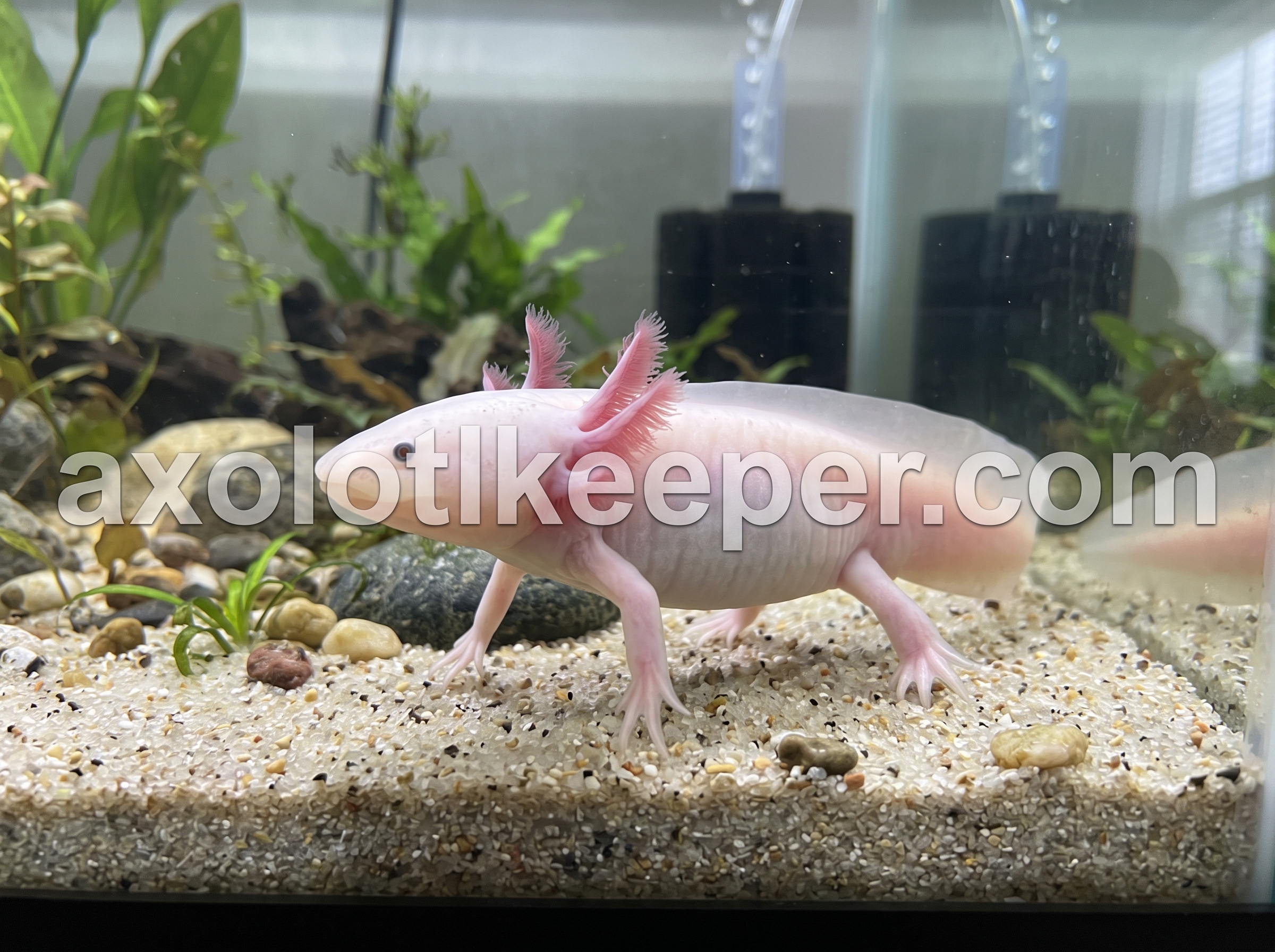
Moreover, axolotls prefer tanks with a soft substrate where they can easily walk without discomfort. Sand or smooth gravel is ideal, as it mimics their natural environment and encourages them to explore. In contrast, sharp or rough materials may discourage movement and lead to stress. The tank’s decor, such as rocks and plants, should also be arranged to create a stimulating environment that allows them to feel secure while promoting exploration.
Social Interactions and Tank Mates
Axolotls are often solitary animals, but they can exhibit social behavior when housed with compatible tank mates. When interacting with other axolotls or suitable species, they may be more inclined to move around the tank floor to establish territory or engage in playful behavior. This dynamic can lead to an increase in activity levels, as they explore their surroundings in response to the presence of others.
📖 Read also: Unveiling the Fascinating Journey of Axolotls in Their New Tank
However, it is essential to ensure that tank mates do not pose a threat to their well-being. Aggressive or overly active fish can stress axolotls, leading them to retreat to the bottom more frequently. Understanding the social dynamics within the tank can help in creating a harmonious environment. It is recommended to house axolotls with non-aggressive species that do not compete for food or space, allowing them to feel safe and secure while still being active.
Creating an Ideal Habitat for Axolotls
To ensure that axolotls thrive in captivity, it is essential to create a suitable habitat that caters to their needs. An ideal tank setup will encourage natural behaviors, including walking on the tank floor. Here are some key elements to consider:
Tank Size and Shape
When selecting a tank for axolotls, size matters. A larger tank provides ample space for movement and exploration, reducing stress. A minimum tank size of 20 gallons is recommended for a single axolotl, with additional space for each additional animal. This space allows them to establish their territory, which is crucial for their comfort and well-being.
The shape of the tank also affects their behavior. A longer, wider tank allows for more horizontal movement, which is more natural for axolotls. Avoid tall tanks, as they may feel insecure in deeper water. A spacious, low-profile tank layout encourages them to utilize the entire area, promoting increased activity levels and healthier behaviors.
Water Quality and Temperature
Maintaining clean, high-quality water is crucial for axolotl health. Regular water changes and filtration help keep the environment stable and free from harmful toxins. The ideal water temperature for axolotls is between 60-68°F (15-20°C), as higher temperatures can stress them and lead to health issues. Monitoring water parameters, including pH levels and ammonia concentration, is essential to ensure a safe and healthy environment for these delicate creatures.
It is also important to consider the tank’s water flow. Axolotls prefer gentle water movement, as strong currents can make them feel threatened and lead to a decrease in activity. Utilizing a sponge filter or adjusting the filter’s flow rate can help create a calm environment that is conducive to their natural behaviors.
Substrate and Decor
As mentioned earlier, the substrate plays a vital role in the comfort of axolotls. A soft, smooth substrate like sand or fine gravel is recommended. Additionally, providing hiding spots, such as caves or plants, can reduce stress and encourage natural behaviors. These hiding spots offer axolotls a sense of security, allowing them to retreat when they feel threatened or need rest, which is essential for their overall health.
Decorations should be selected carefully to ensure they do not have sharp edges that could harm axolotls. Natural materials and aquatic plants can create a stimulating environment for them to explore. Avoid artificial decorations with harsh surfaces, as these can cause injuries. Instead, focus on creating a naturalistic setting that mimics their habitat in the wild, promoting both comfort and curiosity.
Common Myths About Axolotl Behavior
There are several myths surrounding axolotl behavior, especially regarding their movement and habitat preferences. Addressing these misconceptions can help axolotl owners provide better care.
📖 Read also: Unlocking the Secrets of Axolotl Tank Lids: Your Ultimate Guide
Myth: Axolotls Are Lazy
One common myth is that axolotls are lazy creatures. In reality, they are quite active, especially when their environment is enriched. If an axolotl is seen walking on the tank floor, it is likely exploring its territory rather than being lazy. They thrive in environments that provide stimulation, and their activity levels can increase significantly when provided with appropriate hiding spots and decor.
Myth: Axolotls Don’t Need Space
Another misconception is that axolotls do not require much space. In fact, they thrive in larger tanks where they can swim and explore freely. Providing enough space is crucial for their physical and mental well-being. A cramped environment can lead to stress and health issues, ultimately affecting their behavior and overall happiness.
Myth: Axolotls Prefer Deep Water
Many believe that axolotls prefer deep water, but they are more comfortable in shallower environments. A tank with ample floor space and shallow water allows them to exhibit natural behaviors, including walking on the bottom. This setup not only aligns with their natural instincts but also promotes a healthier lifestyle by reducing stress and encouraging active foraging behavior.
Conclusion
Understanding why axolotls walk on the tank floor enriches our knowledge of these extraordinary creatures. By creating an ideal habitat that caters to their natural instincts, axolotl owners can foster a healthy and active lifestyle for their pets. With proper care and attention, these fascinating amphibians can thrive and continue to captivate us with their unique behaviors. The key to successful axolotl care lies in recognizing their natural tendencies and providing an environment that promotes their well-being.
Frequently Asked Questions (FAQ)
What do axolotls eat?
Axolotls are carnivorous and primarily eat live or frozen food such as worms, small fish, and specially formulated pellets. It’s important to provide a varied diet to ensure their health. Additionally, monitoring their feeding habits and adjusting the quantity based on their size and activity level can help maintain their health and prevent obesity.
How often should I clean the axolotl tank?
Regular maintenance is essential for an axolotl tank. It’s recommended to perform partial water changes weekly and clean the substrate and decorations to prevent harmful buildup. Keeping a consistent cleaning schedule not only helps maintain water quality but also supports the overall health of your axolotl.
Do axolotls need a filter?
Yes, a filter is crucial for maintaining water quality in an axolotl tank. A gentle filter helps keep the water clean without creating strong currents that can stress the axolotls. Selecting the right filtration system, such as a sponge filter, can ensure that the water remains clean while providing a calm environment for your axolotl.
Can axolotls live with other fish?
Axolotls can live with certain species of fish, but caution is needed. It’s best to avoid aggressive or fast-moving fish that may harass or outcompete them for food. Ensuring compatibility and monitoring interactions can help create a peaceful tank environment that allows all inhabitants to thrive.