
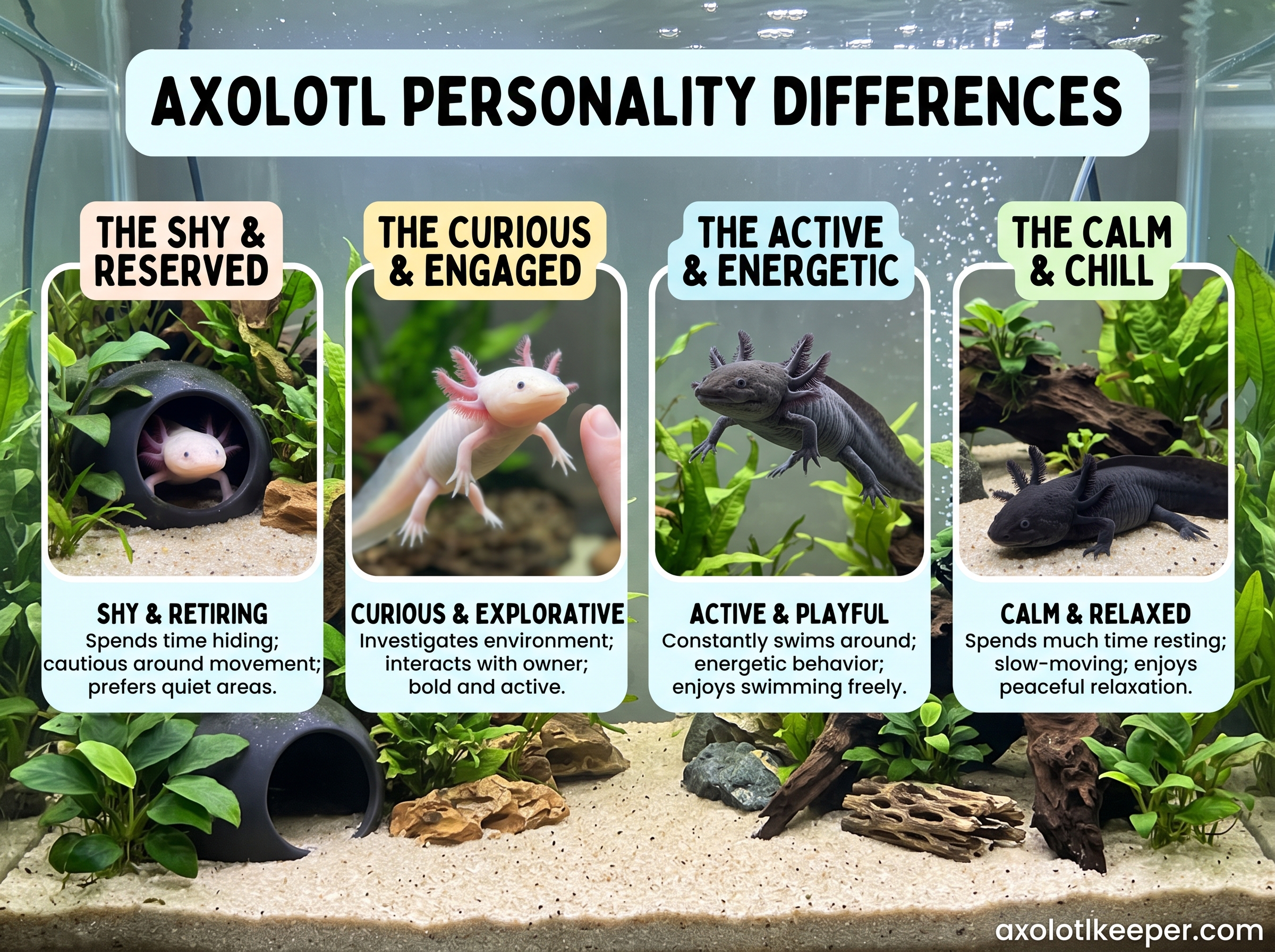
Axolotls are fascinating creatures, not only for their unique appearance but also for their intriguing personalities. These aquatic salamanders exhibit a range of behaviors that vary significantly from one individual to another. Understanding these personality differences can enhance our appreciation for these remarkable animals and improve their care in captivity. In this article, we will explore the various personality traits of axolotls, how these traits manifest in their behavior, and what it means for their well-being.
The axolotl, or Ambystoma mexicanum, is a neotenic salamander that remains aquatic throughout its life. As such, they are often kept as pets and studied for their regenerative abilities. However, just like humans and other animals, axolotls have distinct personalities that can affect their interactions with one another and their environment. Whether you’re a seasoned axolotl owner or just curious about these creatures, understanding their personality differences is crucial.
In the following sections, we will delve into the different personality traits observed in axolotls, providing insights that can help in their care and understanding.
Exploring Axolotl Personality Differences
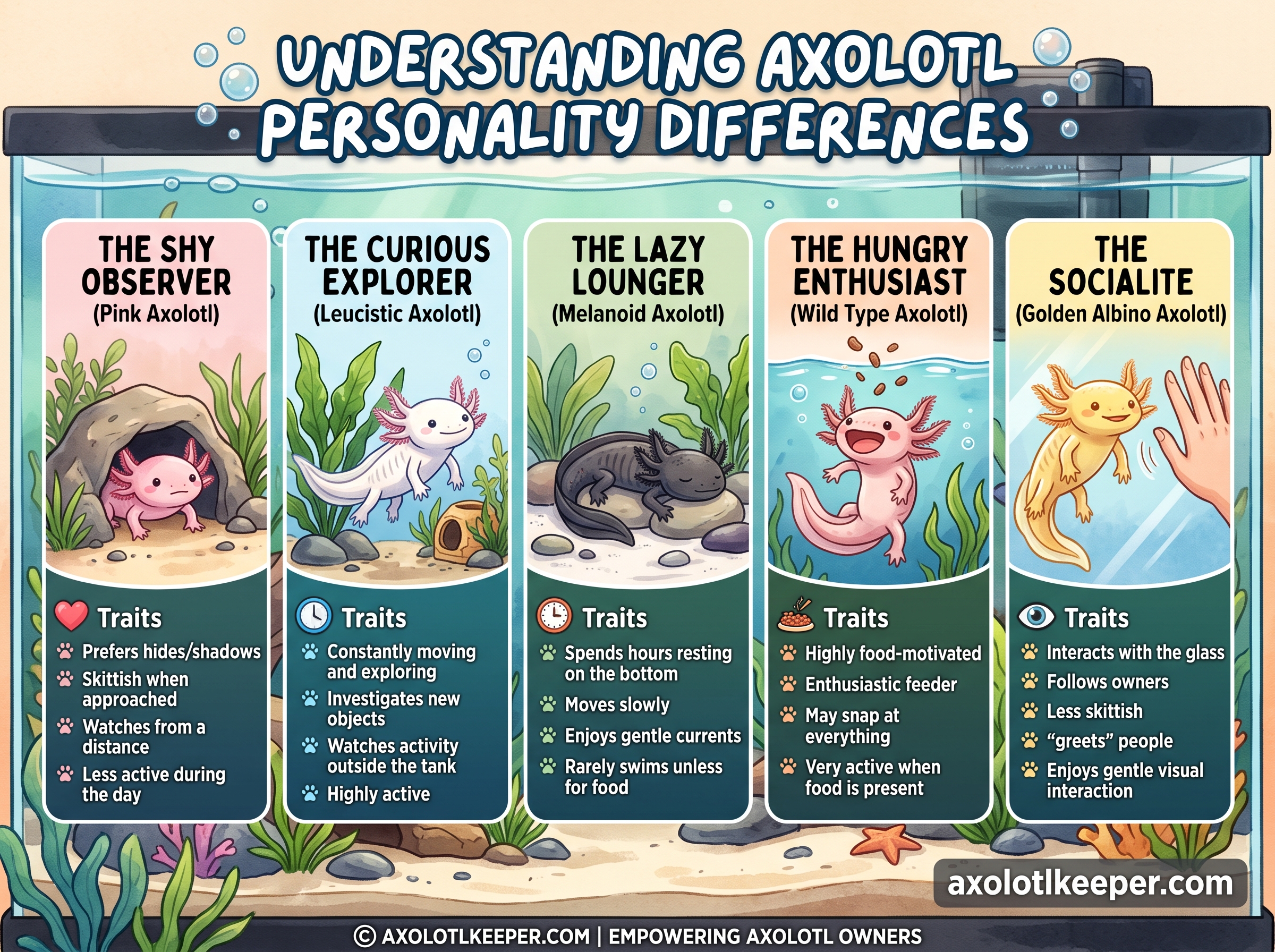
Personality differences among axolotls can be quite pronounced. Some individuals may be more social and curious, while others tend to be shy and reclusive. Recognizing these traits can help you create a suitable environment for them. Below, we will examine several key personality traits that are commonly observed in axolotls.
These personality traits are not just random quirks; they are influenced by a combination of genetics, environmental factors, and individual experiences. Understanding these nuances can help axolotl owners cater to their pets’ specific needs. By observing your axolotl’s behavior and responses, you can better appreciate the unique character of each individual, which can lead to a more fulfilling experience for both the pet and the owner.
The Curious Explorer
Some axolotls exhibit a high level of curiosity about their surroundings. These individuals are often seen exploring their tank, interacting with decorations, and showing interest in their human caretakers. They may approach the glass when they see people nearby, indicating a level of social interaction. Providing a stimulating environment with plenty of hiding spots and interesting structures can cater to these curious axolotls.
Curious axolotls might also engage in behaviors such as investigating new objects in their habitat. For example, adding a new plant or decoration can provoke a thorough investigation, showcasing their inquisitive nature. It’s important to ensure that any new additions are safe and appropriate for their environment to promote healthy exploration.
Moreover, these axolotls can benefit from interactive elements in their tank, such as water currents created by filters or gentle water flow from decorations. This dynamic environment can stimulate their curiosity further, encouraging them to explore and engage more actively with their surroundings.
The Shy Observer
On the other hand, some axolotls prefer to stay hidden and observe their surroundings from a safe distance. These individuals may be less inclined to explore and often retreat to their hiding spots when they sense movement or disturbances. Understanding their need for security is essential, and ensuring they have adequate hiding places can help them feel more comfortable in their environment.
Shy axolotls can often be seen peeking out from behind rocks or plants, watching the environment with cautious interest. This behavior indicates a desire to observe without the risk of exposure. Providing ample hiding spots not only helps them feel secure, but it also allows them to exhibit natural behaviors that promote their well-being.
Additionally, it’s crucial to maintain a calm atmosphere around shy axolotls. Sudden noises or movements can cause stress, leading to increased hiding behavior. Creating a serene environment can help these individuals feel more at ease and gradually encourage them to explore more over time.
The Aggressive Defender
A few axolotls can display territorial or aggressive behaviors, particularly when they feel threatened or during mating season. These individuals may chase away other tank mates or show signs of aggression during feeding times. It’s important to monitor their interactions with other axolotls and provide ample space to prevent stress and injury.
Behavioral signs of aggression can include gaping, chasing, or even biting, particularly if they feel their territory is being encroached upon. Understanding these behaviors can help owners manage their axolotls’ interactions and ensure that they are kept in a safe environment. Providing sufficient space and avoiding overcrowding in the tank can significantly reduce aggressive interactions.
📖 Read also: Axolotl vs Mudpuppy: Discover the Key Differences You Didn’t Know
Furthermore, it’s essential to consider the dynamics of the axolotls’ relationships with each other. Some individuals may coexist peacefully, while others may require separation to prevent stress. Observing their interactions can provide insights into how to best manage their habitats to promote harmony and well-being.

Understanding the Impact of Environment on Personality
The environment in which axolotls are kept can significantly influence their personalities. Factors such as tank size, water quality, temperature, and tank mates play crucial roles in shaping their behavior. A well-maintained and spacious tank can reduce stress and allow axolotls to express their personalities more freely.
For instance, axolotls kept in cramped or dirty conditions may exhibit more aggressive or anxious behaviors. In contrast, those in spacious, well-filtered tanks tend to be more relaxed and exploratory. Regular maintenance and providing suitable conditions can enhance the overall temperament of axolotls. The importance of clean water cannot be overstated; poor water quality can lead to health issues that may affect their behavior and personality.
Additionally, the tank’s design can also influence their behavior. A tank that mimics a natural habitat with plenty of hiding spots, plants, and open areas for swimming can encourage a more relaxed and exploratory personality. Investing time in creating an enriching environment can yield significant benefits for axolotl well-being.
The Role of Tank Mates
When considering tank mates for axolotls, it’s crucial to choose compatible species. Some fish or other aquatic animals may provoke stress in axolotls, leading to shy or aggressive behaviors. It’s advisable to keep axolotls with other axolotls or peaceful species that won’t stress them. Observing interactions among tank mates can provide insights into an axolotl’s personality.
Peaceful tank mates, such as certain types of snails or shrimp, can coexist with axolotls without causing stress or aggression. However, it’s essential to avoid species known to nip at axolotls’ gills or fins, as this can lead to injury and behavioral changes. Regularly monitoring the dynamics within the tank can help ensure a harmonious environment.
Moreover, the social structure among tank mates can also reflect the personalities of the axolotls. Some individuals may take on dominant roles, while others may remain submissive. Understanding these dynamics can help owners make informed decisions about tank arrangements and the types of interactions that may arise.
Temperature and Water Quality
Temperature fluctuations and poor water quality can also affect axolotl behavior. Axolotls thrive in cooler water temperatures, ideally between 16-18°C (60-64°F). Higher temperatures can lead to stress and respiratory issues, causing them to become lethargic or anxious. Keeping the water clean and at a stable temperature will promote healthier personalities.
Water quality is paramount; regular testing for ammonia, nitrites, and nitrates is essential to ensure a healthy environment. High levels of toxins can lead to stress behaviors, impacting the axolotl’s personality. Implementing a regular maintenance schedule, including water changes and filtration checks, can vastly improve the living conditions for these creatures.
In addition to monitoring temperature and water quality, it’s beneficial to consider water movement. Axolotls generally prefer calm waters, so using gentle filtration systems can help maintain an appropriate environment that does not cause undue stress. This attention to detail in their habitat can foster more relaxed and confident personalities.
The Importance of Socialization
Socialization plays a vital role in the development of an axolotl’s personality. Interacting with humans and other axolotls can help them become more confident and less fearful. Regular feeding times can be an excellent opportunity for social interaction, allowing axolotls to associate human presence with positive experiences.
Building a relationship with your axolotl requires patience and gentle handling. Regular, calm interactions can lead to a more trusting relationship, which is beneficial for both the owner and the pet. As axolotls become accustomed to human presence, they may exhibit more curious behaviors and engage more readily during feeding or maintenance routines.
However, it’s essential to approach them gently and avoid sudden movements that may startle them. Creating a consistent routine can help axolotls feel more secure and encourage a more interactive experience. Over time, owners may notice their axolotls becoming more comfortable and responsive to their presence.
📖 Read also: How Axolotls Recognize Humans as Food: Fascinating Insights
Feeding as a Social Activity
Feeding can be transformed into a social event. By hand-feeding your axolotl or using feeding tongs, you can create a bond and encourage them to be more interactive. This approach can help reduce shyness in more timid individuals and promote a sense of security.
Hand-feeding can also serve as an excellent way to monitor your axolotl’s eating habits and overall health. By observing their feeding behaviors closely, you can gauge their comfort level and adjust your interactions accordingly. This method of feeding can foster a stronger connection between you and your axolotl, making them feel more at ease in your presence.
Furthermore, using a variety of foods during feeding can help stimulate their interest and encourage them to engage more actively. Experimenting with different types of food, such as worms or specialized pellets, can lead to more enthusiastic feeding responses and promote a more interactive personality.
Observation and Interaction
Spending time observing your axolotl can also reveal much about their personality. Take note of their behavior during different activities, such as feeding, exploring, or resting. This observation can help you understand their preferences and adapt their environment to suit their personality better.
Documenting your observations can provide valuable insights into their habits and preferences. For instance, noting how they react to different stimuli, such as light changes or the introduction of new objects, can help you tailor their environment to maximize comfort and reduce stress. This attentive approach can significantly enhance the quality of life for your axolotl.
Additionally, engaging with your axolotl during observation can create opportunities for interaction. Simple actions like speaking softly or gently tapping the glass can encourage them to approach and explore their surroundings. This engagement can further enrich their experience and strengthen your bond.
Conclusion: Embracing Axolotl Personalities
Understanding axolotl personality differences is essential for their care and overall well-being. By recognizing and catering to their unique traits, you can create a nurturing environment that allows them to thrive. Whether your axolotl is a curious explorer, a shy observer, or an aggressive defender, each personality adds to the charm of these captivating creatures.
By fostering a positive environment and engaging with your axolotl, you can enhance their happiness and strengthen your bond. Embrace their personalities, and you’ll find that each axolotl has a unique story to tell. The journey of understanding and connecting with these remarkable creatures is both rewarding and enlightening, enhancing the experience of owning an axolotl.
Frequently Asked Questions (FAQ)
What are the common personality traits of axolotls?
Common personality traits of axolotls include curiosity, shyness, and aggression. Each axolotl may exhibit different behaviors based on their environment and socialization.
Can the environment affect an axolotl’s personality?
Yes, the environment plays a significant role in shaping an axolotl’s personality. Factors like tank size, water quality, and tank mates can influence their behavior.
How can I encourage my axolotl to be more social?
To encourage social behavior, engage in regular feeding routines, provide a comfortable environment, and spend time observing them to build trust.
Are axolotls aggressive towards each other?
Some axolotls can display aggressive behaviors, particularly when feeling threatened or during mating. It’s essential to monitor their interactions and provide sufficient space.