
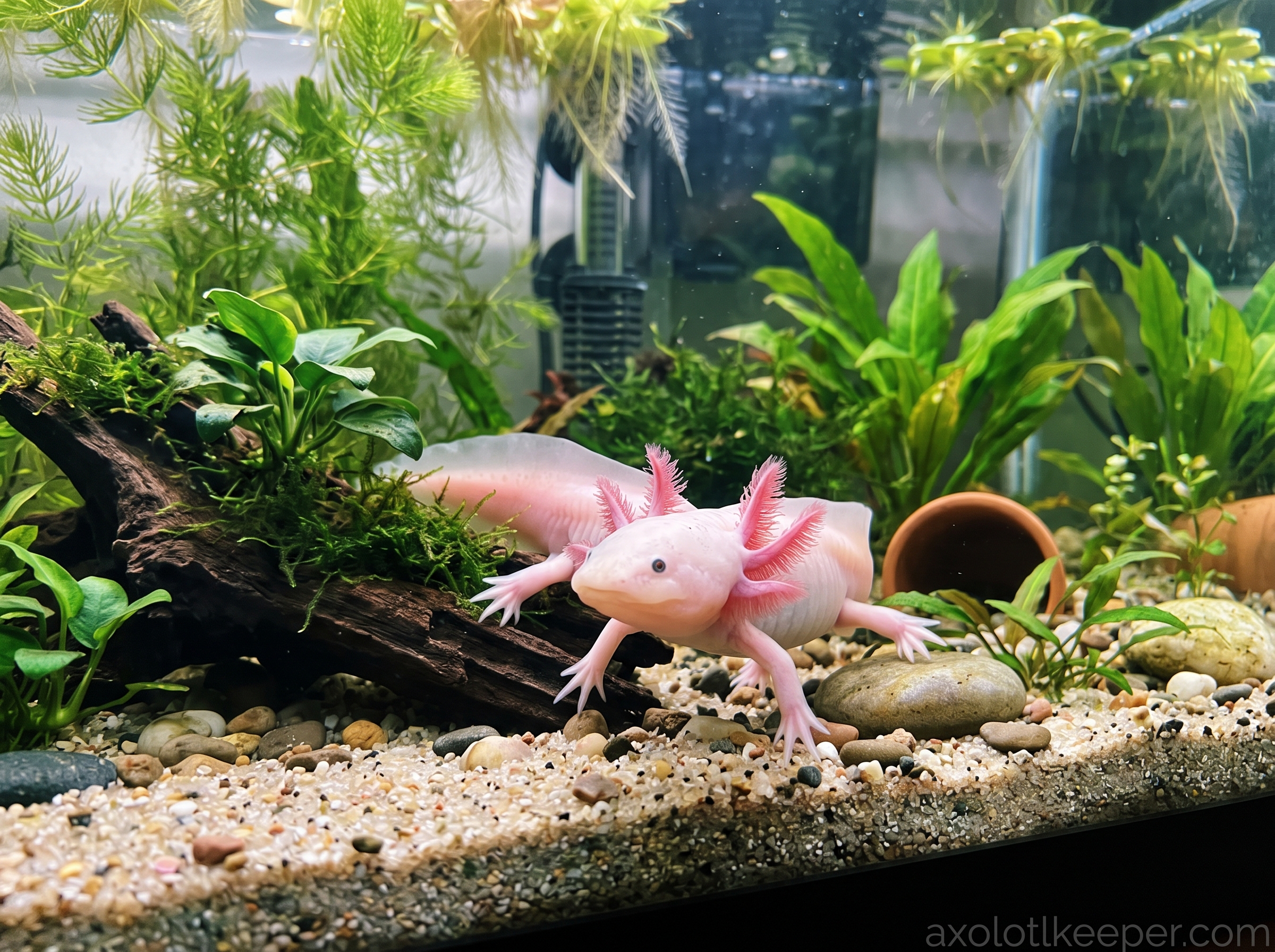
Have you ever wondered how axolotls adapt to their new environment? These unique amphibians, with their mesmerizing external gills and playful nature, embark on a journey filled with exploration and curiosity when introduced to a new tank. Understanding their behavior can not only enhance your experience as a pet owner but also improve their well-being.
As aquatic creatures, axolotls require specific conditions to thrive, making it essential to provide them with an optimal tank setup. Their exploration is not just about finding food; it’s also about familiarizing themselves with their surroundings, which plays a significant role in their health and happiness. In this article, we will delve into the various aspects of how axolotls explore their new tank, what behaviors to observe, and tips for creating an ideal habitat for them.

Understanding Axolotl Exploration Habits
Axolotls are naturally curious creatures, and their exploration behavior is a vital part of their adaptation process. When placed in a new environment, they exhibit several behaviors that indicate their comfort level and willingness to explore. By understanding these behaviors, you can better cater to their needs and create a nurturing environment. For instance, axolotls often start by cautiously swimming around their new tank, inspecting every corner and hiding spot. They use their sensitive skin and gills to gather information about their surroundings, which helps them assess their new home. This exploration can take several days, depending on the individual axolotl and the tank’s setup.
During the exploration phase, axolotls may display varying levels of activity. Some may dart around excitedly, while others may take a more measured approach. This variance is normal and reflects their individual personalities. It’s important to remember that every axolotl is unique; some may take longer to adapt than others. Additionally, the tank’s layout and the presence of decorations or hiding spots can significantly influence their exploration behavior. A well-structured tank can encourage more active exploration, while a sparse environment may lead to more timid behavior.
Behavioral Signs of Exploration
During their exploration, axolotls may display various behavioral signs that can help you understand how they are adapting to their new tank. Here are some common behaviors to look out for:
- Cautious Swimming: Initially, axolotls may swim slowly and cautiously, pausing frequently to examine their surroundings. This behavior indicates that they are gathering information and assessing their environment.
- Hiding: They might seek shelter in plants or decorations, indicating they are feeling insecure. Hiding is a natural response to stress, so it’s important to provide adequate hiding spots to help them feel safe.
- Curious Interactions: Axolotls will often nudge or investigate tank decorations, showing their curiosity. This behavior is essential for them to learn about their new home and can lead to more confidence in their environment.
These behaviors are essential for their adaptation process and can signal how comfortable they feel in their new home. The more they explore, the better they can acclimate to their surroundings. Encouraging exploration can be as simple as ensuring that their tank has a variety of textures and items to investigate.

Creating an Ideal Exploration Environment
To facilitate a positive exploration experience for your axolotl, consider the following tips when setting up their tank:
- Provide Hiding Spots: Use plants, rocks, and decorations to create safe hiding spots for your axolotl. Live or artificial plants can offer both aesthetic appeal and protection, allowing your axolotl to feel secure while exploring.
- Maintain Water Quality: Ensure the water parameters are optimal for axolotls, including temperature and pH levels. Regular water testing and maintenance are crucial for their health. Ideal water temperature should be between 60°F to 68°F, and the pH should be around 6.5 to 7.5.
- Avoid Overcrowding: Give your axolotl enough space to swim freely without feeling threatened by tank mates. A larger tank allows for more exploration and reduces stress, as overcrowding can lead to territorial disputes and anxiety.
By incorporating these elements, you can enhance your axolotl’s exploration experience and overall well-being in their new tank. Additionally, consider arranging the tank decor in a way that encourages exploration, such as creating pathways or open spaces that axolotls can swim through comfortably.
The Importance of Tank Familiarization
Familiarization with their tank is crucial for axolotls as it helps reduce stress and promotes healthy behaviors. When axolotls become accustomed to their environment, they tend to exhibit more playful behaviors, such as swimming around and interacting with their surroundings. This not only benefits their mental health but also encourages physical activity, which is vital for their overall well-being.
📖 Read also: Unlocking the Secrets of Axolotl Tank Lids: Your Ultimate Guide
Moreover, a familiar environment allows them to feel secure enough to engage in natural behaviors, such as hunting for food and exploring their territory. Stress can lead to health issues, so it’s vital to help them adapt effectively. A well-familiarized axolotl is likely to be more confident and curious, leading to a more fulfilling life in captivity.
Creating a routine around feeding and maintenance can also contribute to their sense of familiarity. Performing tank maintenance at the same time each week, for example, can help your axolotl anticipate changes and reduce stress. Over time, they will learn to associate your presence with positive experiences, making them more comfortable in their environment.
Signs of Successful Familiarization
As your axolotl becomes familiar with its new tank, you may notice several positive signs:
- Active Swimming: A well-adapted axolotl will swim actively and explore different areas of the tank. They may also dart around playfully, indicating a high level of comfort.
- Regular Feeding: They will show interest in food and eagerly hunt for it. If your axolotl begins to recognize feeding times and approaches you when they see you, this is a great sign of adaptation.
- Reduced Hiding: Once comfortable, they will spend less time hiding and more time exploring. This change can be gradual, but it is a clear indicator of their growing confidence in the tank.
Recognizing these signs can help you understand when your axolotl has successfully adapted to its new environment, allowing you to monitor their health and happiness effectively. Observing their behavior regularly will provide insights into their well-being and help you identify any potential issues early on.

Common Challenges in Tank Exploration
While axolotls are generally curious, they may face challenges as they explore a new tank. These challenges can stem from environmental factors, stress, or even the presence of other tank mates. It is essential to be aware of these issues to address them promptly. For instance, if an axolotl feels threatened by aggressive tank mates or encounters sudden changes in water quality, it may exhibit signs of stress, such as excessive hiding or lethargy. Recognizing these signs early can help you take action to rectify the situation.
Additionally, sudden changes in the tank environment, such as alterations in water temperature or pH levels, can significantly impact their comfort and willingness to explore. Axolotls are sensitive to fluctuations in their habitat, so maintaining stable conditions is crucial for their well-being. If they perceive their environment as hostile, they may retreat into hiding, which can further hinder their exploration and adaptation process.
Other factors such as lighting and tank cleanliness can also affect their exploration. Bright lights may stress them out, while a dirty tank can lead to poor water quality, making them reluctant to explore. Therefore, ensuring a balanced and clean environment is essential for creating a comfortable habitat.
Addressing Exploration Challenges
Here are some strategies to help your axolotl navigate challenges during their exploration:
📖 Read also: Unlocking the Secrets of Axolotl Tank Lighting: A Complete Guide
- Monitor Tank Conditions: Regularly check water parameters and make adjustments as necessary. Use reliable test kits to monitor pH, ammonia, nitrite, and nitrate levels, ensuring they remain within safe limits for axolotls.
- Choose Compatible Tank Mates: If adding other fish or amphibians, ensure they are peaceful species that won’t stress your axolotl. Research potential tank mates thoroughly to avoid aggressive species that may cause stress or harm.
- Limit Handling: Minimize handling of your axolotl to reduce stress during the initial adjustment period. If handling is necessary for tank maintenance, do so gently and quickly.
By addressing these challenges proactively, you can create a more conducive environment for your axolotl to explore and thrive. Regular observation and adjustments based on their behavior will help ensure they feel secure and happy in their new home.
Conclusion: Embracing the Axolotl Adventure
Understanding the journey of axolotls exploring their new tank can significantly enhance your experience as a pet owner. By observing their behaviors and providing an optimal environment, you contribute to their well-being and happiness. Remember, every axolotl is unique, and their exploration process may vary, but with patience and care, you can ensure they thrive in their new home.
As you embark on this adventure with your axolotl, embrace the opportunity to learn and grow alongside them. Your efforts in creating a nurturing environment will undoubtedly lead to a rewarding experience for both you and your aquatic friend. Observing their unique personalities and behaviors will deepen your bond and enhance your understanding of these fascinating creatures.

Frequently Asked Questions (FAQ)
What is the ideal tank size for axolotls?
The ideal tank size for an axolotl is at least 20 gallons for one adult axolotl. This provides ample space for swimming and exploring. Larger tanks are recommended for multiple axolotls, ensuring they have enough room to establish their territories.
How often should I change the water in my axolotl’s tank?
It is recommended to change 20-30% of the water weekly to maintain water quality and ensure a healthy environment for your axolotl. Regular water changes are vital to prevent the buildup of harmful toxins.
Can axolotls live with other fish?
Axolotls can live with some peaceful fish species, but it is crucial to avoid aggressive fish that may stress or harm them. Always research potential tank mates to ensure compatibility.
How can I tell if my axolotl is stressed?
Signs of stress in axolotls include excessive hiding, lethargy, and loss of appetite. Monitoring their behavior can help you identify any issues early. If you notice these signs, reassess their environment and make necessary adjustments.