
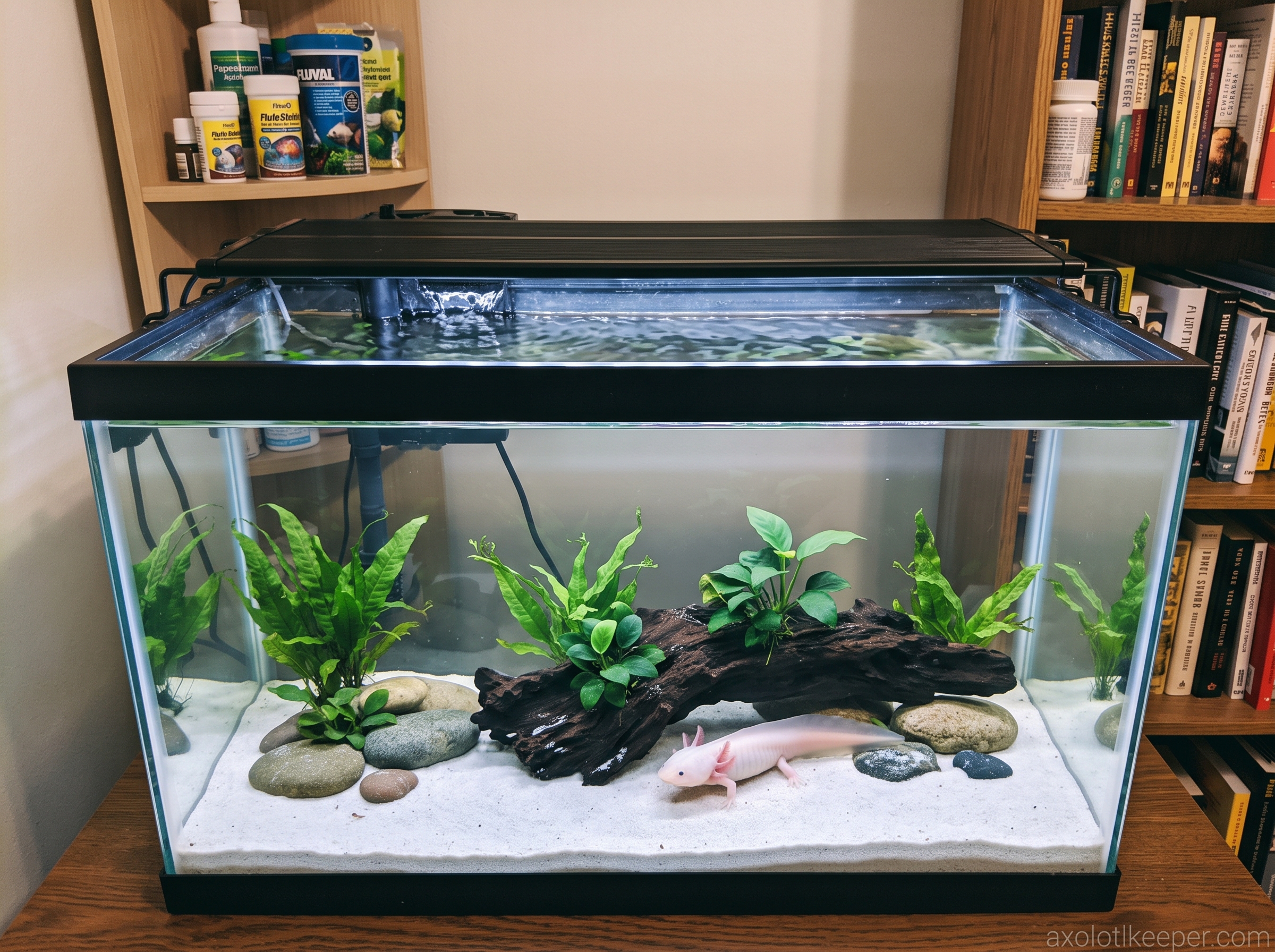
When it comes to keeping axolotls, lighting is often overlooked, yet it plays a crucial role in their overall health and well-being. Understanding the right type of lighting can help enhance the beauty of your tank while ensuring your axolotls thrive. In this article, we will dive into the essentials of axolotl tank lighting, covering everything from the types of lights to use, their benefits, and tips for setting up the ideal environment.
Axolotls are unique creatures, and their habitat requires specific conditions to mimic their natural environment. Lighting can influence their behavior, feeding patterns, and even their coloration. Therefore, it’s essential to choose the right lighting setup for your aquarium. Let’s explore the critical factors you need to consider when setting up lighting for your axolotl tank.

Choosing the Right Lighting for Your Axolotl Tank
When selecting lighting for your axolotl tank, there are several factors to consider. The type of lighting, its intensity, and the duration of exposure all play significant roles in creating a suitable habitat for these fascinating creatures. Here are some key points to keep in mind:
Understanding Lighting Types
There are various types of lighting available for aquariums, and each has its advantages and disadvantages. LED lights are popular for their energy efficiency and low heat output, making them ideal for axolotl tanks. They provide a bright, clear light that allows for easy viewing of your axolotls and their environment. Additionally, LEDs are long-lasting, which can save you money in the long run.
Fluorescent lights are another option, providing good illumination but can generate more heat. While they can be beneficial for plant growth if you have live plants in your tank, it’s important to monitor the temperature closely. If you decide to use fluorescent lighting, consider using a fixture that allows you to control the intensity or position them further from the water’s surface to mitigate heat issues.
Light Intensity and Spectrum
Axolotls do not require intense lighting. In fact, too much brightness can cause stress and discomfort. A moderate light intensity is sufficient to enhance the tank’s aesthetics without overwhelming its inhabitants. This means you should aim for a balance where the tank is well-lit but not blinding. Using dimmers or adjustable fixtures can help you manage this effectively.
Additionally, the light spectrum matters; axolotls benefit from full-spectrum lighting that mimics natural sunlight. This type of lighting can help them flourish and display vibrant colors. Research has shown that certain wavelengths can enhance the visibility of their unique pigmentation, which not only makes your tank more visually appealing but can also contribute to the overall health of the axolotls by supporting their natural behaviors.
Duration of Lighting
The duration of light exposure is equally important. A consistent light schedule that mimics day and night cycles will help regulate your axolotl’s biological clock. A typical recommendation is to provide 10 to 12 hours of light followed by 12 to 14 hours of darkness. This pattern supports their natural behaviors, including feeding and resting.
Establishing a routine can also help in monitoring your axolotl’s health. If you notice changes in their activity levels or feeding habits, adjusting the light duration could be a simple yet effective way to re-establish balance. Additionally, using automatic timers can ensure that the lighting schedule remains consistent even when you are not available to manage it manually.

Setting Up Your Axolotl Tank Lighting
Once you have chosen the appropriate type of lighting, it’s time to set it up correctly. Proper installation not only ensures the health of your axolotls but also enhances the overall appearance of your aquarium. Here are some steps to help you set up your lighting effectively:
Positioning the Lights
Position the lights above the tank, ensuring they are securely mounted and not too close to the water surface. This prevents overheating and allows for a gentle illumination that doesn’t disturb the axolotls. Consider using a hood or cover to minimize evaporation and maintain a consistent temperature. A well-positioned light fixture can also reduce glare and shadows, which can be unsettling for your pets.
Moreover, the angle of the lights can affect how the tank looks. Lights positioned at different angles can create interesting reflections and shadows, adding depth to the aquarium. Experimenting with different placements can help you find the setup that works best for both your aesthetic preferences and your axolotls’ comfort.
📖 Read also: Transform Your Axolotl Tank: The Benefits of Fake Plants
Using Timers
Investing in a timer for your lighting system can help maintain a consistent light schedule without manual intervention. Timers can be set to automatically turn the lights on and off, mimicking natural light cycles and relieving you of the daily task. This consistency is crucial for your axolotls as it helps them to maintain their natural rhythms.
In addition to standard timers, consider smart timers that allow for programming and remote control via smartphone apps. These advanced devices can offer more flexibility, such as adjusting light intensity based on the time of day or monitoring energy usage, which can be beneficial if you are conscientious about energy consumption.
Monitoring Water Temperature
Regularly check the water temperature when using artificial lighting. If you notice a rise in temperature due to the lights, consider adjusting their intensity or duration. Maintaining a stable temperature is crucial for the health of your axolotls. A sudden increase in temperature can stress axolotls, leading to health issues.
Using a reliable aquarium thermometer can help you keep track of the water temperature effectively. Additionally, consider placing the thermometer in a location within the tank that is not directly affected by the lights to get a more accurate reading of the overall water temperature.

Common Mistakes to Avoid with Axolotl Tank Lighting
While setting up lighting for your axolotl tank, there are common pitfalls that many aquarists face. Being aware of these mistakes can help you create a healthier environment for your pets.
Overusing Bright Lights
One of the most common mistakes is using overly bright lights. This can cause stress and discomfort for your axolotls. Always opt for moderate lighting that provides visibility without overwhelming the animals. If you find that your tank is too bright, consider using a lower wattage bulb or adjusting the height of the light fixture.
In some cases, using colored filters or diffusers can help soften the light. These tools can create a more soothing environment for your axolotls while still providing the necessary illumination for tank aesthetics and maintenance.
Neglecting the Light Schedule
Failing to maintain a regular light schedule can disrupt your axolotl’s day-night cycle. Make sure to adhere to a consistent schedule to promote natural behaviors and overall health. A fluctuating light schedule can confuse your axolotls, leading to irregular feeding and breeding behaviors.
To avoid this, educate yourself about your axolotl’s natural habits and preferences. Tailoring your light schedule to align with their natural rhythms can enhance their quality of life. Additionally, keeping a log of your light schedule can help you track any changes in behavior that may be linked to lighting conditions.
Ignoring Heat Levels
Always monitor the heat output of your lighting system. Excessive heat can be detrimental, as axolotls thrive in cooler waters. If your lights generate too much heat, consider switching to cooler alternatives or adjusting their placement. Monitoring heat levels is particularly important in warm climates or during summer months when ambient temperatures rise.
Consider using cooling fans or water chillers if you live in an area with higher temperatures to maintain the ideal environment. Regularly checking the temperature not only keeps your axolotls healthy but also supports any plants or other aquatic life in your tank.
📖 Read also: The Ultimate Guide to Live Plants for Your Axolotl Tank
Benefits of Proper Axolotl Tank Lighting
Implementing the right lighting for your axolotl tank is not just about visibility; it offers several benefits that contribute to the well-being of your pets. Here are some advantages:
Enhances Aesthetics
Proper lighting showcases the vibrant colors and unique features of axolotls, making your aquarium more visually appealing. This enhances your enjoyment of the tank and can be particularly beneficial if you plan to showcase your aquarium. A well-lit tank allows for the full display of the axolotl’s unique physical characteristics, such as their frills and coloration.
Additionally, lighting can help highlight any decorations, plants, or substrates in the tank, creating a more immersive and inviting environment. Visitors will appreciate a beautifully lit aquarium, and it can serve as a wonderful conversation starter.
Promotes Healthy Growth
A well-lit tank supports healthy growth and development in axolotls. The right lighting conditions mimic their natural habitat, encouraging normal behaviors and reducing stress. Proper lighting can also stimulate appetite, leading to better feeding habits and overall health.
Moreover, if you include live plants in your aquarium, proper lighting will aid their growth, creating a more balanced ecosystem. Healthy plants can provide additional hiding spots for your axolotls and improve water quality by absorbing excess nutrients.
Helps with Feeding
Good lighting can also improve your ability to monitor feeding. With adequate illumination, you can ensure that your axolotls are eating properly and identify any health concerns that may arise. Observing your axolotls during feeding times can provide valuable insights into their behavior and health status.
Furthermore, proper lighting can help you see uneaten food or waste in the tank, allowing for timely clean-up. Keeping the tank tidy not only benefits the axolotls but also reduces the risk of water quality issues, which can arise from decomposing organic matter.
Conclusion
Understanding and implementing proper axolotl tank lighting is essential for maintaining a healthy environment for these unique creatures. By selecting the right lighting, adjusting light intensity and duration, and avoiding common mistakes, you can create an optimal habitat that supports their well-being. Remember, the key is to mimic their natural environment as closely as possible, ensuring that your axolotls thrive in their aquatic home.
Frequently Asked Questions (FAQ)
What type of lighting is best for axolotl tanks?
LED lighting is often recommended for axolotl tanks due to its energy efficiency and low heat output. Fluorescent lights can also be used, but ensure they do not overheat the water.
How long should I keep the lights on for my axolotl tank?
A typical light schedule for axolotls is 10 to 12 hours of light followed by 12 to 14 hours of darkness to mimic natural light cycles.
Can too much light harm my axolotls?
Yes, excessive light can cause stress and discomfort in axolotls. It is essential to maintain moderate light intensity to promote a healthy environment.
How can I monitor the heat in my axolotl tank?
Regularly check the water temperature using a reliable thermometer to ensure it remains within the appropriate range for axolotls, which is typically between 16°C to 18°C (60°F to 64°F).