
Have you ever witnessed the mesmerizing sight of axolotls twirling gracefully in water? These unique amphibians, with their striking external gills and playful personalities, have captivated the hearts of many. But what exactly is behind this twirling behavior? In this article, we will explore the reasons why axolotls engage in this fascinating movement, the science behind their locomotion, and the vital role they play in their ecosystem.
Axolotls, native to the lakes of Mexico, are not just popular in aquariums; they also have significant scientific importance due to their regenerative abilities. Observing their twirling behavior can provide insights into their health, happiness, and environmental needs. This article will delve into these aspects and explain why understanding axolotl behavior is crucial for both enthusiasts and researchers alike.
Understanding Axolotl Twirling Behavior
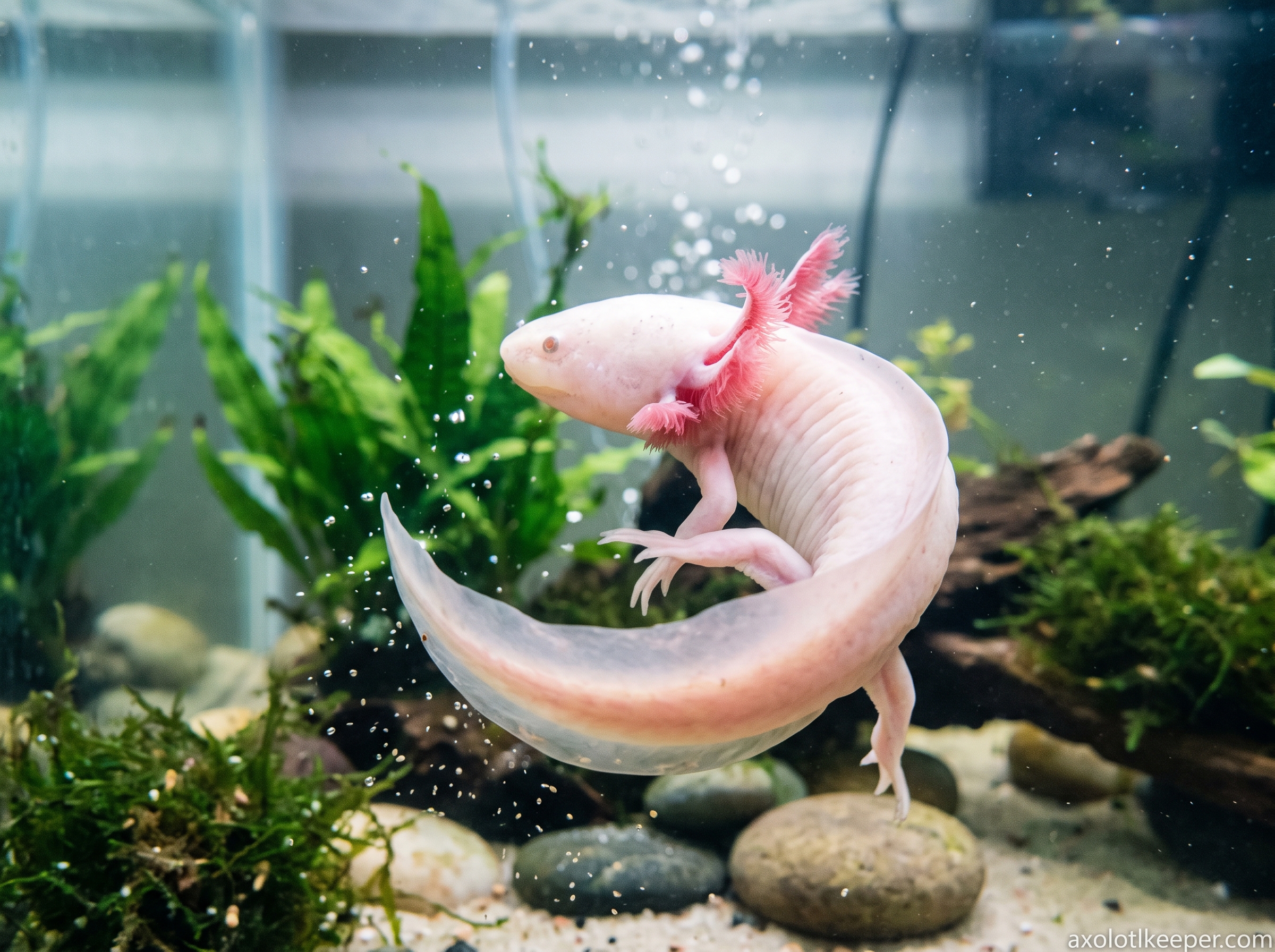
Twirling is a common behavior observed in axolotls, but it often raises questions about its purpose and implications for their well-being. Unlike other aquatic creatures that might swim in straight lines or hover, axolotls exhibit this unique form of movement that can seem playful yet serves important functions. The twirling motion is not just a whimsical display; it is a complex behavior that reflects their state of mind and environmental interactions.
One of the primary reasons axolotls twirl in water is to communicate their state of happiness or excitement. In a well-maintained habitat, axolotls will often display this behavior as a sign of comfort. When they feel safe and content, they are more likely to engage in playful twirling, which can also be a way to explore their environment. This behavior can also help them interact with their surroundings, investigate potential food sources, or simply enjoy the currents of water. In fact, many aquarists note that observing these playful twirls can be one of the most rewarding aspects of keeping axolotls as pets.
Furthermore, twirling can also serve as a social signal among axolotls, particularly in a community setting. When multiple axolotls are housed together, the twirling may help establish social hierarchies or simply signify that an individual is in a non-threatening mood. Understanding this aspect of their behavior can enhance the way we care for and observe these fascinating creatures, as it highlights their social intelligence and adaptability.
The Role of Environment in Twirling
The environment plays a crucial role in the twirling behavior of axolotls. Factors such as water quality, temperature, and the presence of hiding spots can significantly impact their mood and activity levels. For instance, clean, well-oxygenated water encourages axolotls to be more active and engage in behaviors like twirling. Poor water conditions, on the other hand, can lead to lethargy and stress, which may diminish the frequency of twirling.
Additionally, axolotls thrive in environments that mimic their natural habitats, which include soft substrates and plenty of hiding spaces. If they are kept in a sterile or crowded environment, they may exhibit stress-related behaviors instead of twirling. This highlights the importance of creating a suitable habitat that allows axolotls to express their natural behaviors fully. The addition of plants, rocks, and other decor can not only enhance their living space but also encourage them to explore and engage in playful twirling.
Moreover, temperature is a critical factor that influences axolotl behavior. Axolotls prefer cooler water temperatures, typically between 16 to 18 degrees Celsius (60 to 64 degrees Fahrenheit). At higher temperatures, they may become stressed and less active, leading to a decline in their playful twirling. Therefore, maintaining an optimal temperature and providing a stimulating environment is essential for promoting their well-being and encouraging the delightful twirls that captivate so many.
Health Indicators Through Twirling
Observing how often and how energetically an axolotl twirls can also provide valuable insights into its health. A healthy axolotl will twirl with enthusiasm and grace, while a lack of movement or sluggishness can indicate potential health issues. This behavior can serve as an early warning sign for owners to monitor their pets more closely. Additionally, changes in their twirling frequency or style may signal distress or discomfort, prompting further investigation into their living conditions.
In addition to twirling, other signs of good health in axolotls include vibrant coloration and active feeding behaviors. Healthy axolotls exhibit bright colors, which indicate good health and proper care. If an axolotl’s coloration starts to fade or if it stops eating, these could be signs of illness. Owners can become attuned to their pet’s habits, and any significant changes can prompt a visit to a veterinarian specializing in exotic pets. Regular health checks and maintaining a stable environment will help ensure that axolotls remain happy and playful.
The Science Behind Axolotl Locomotion
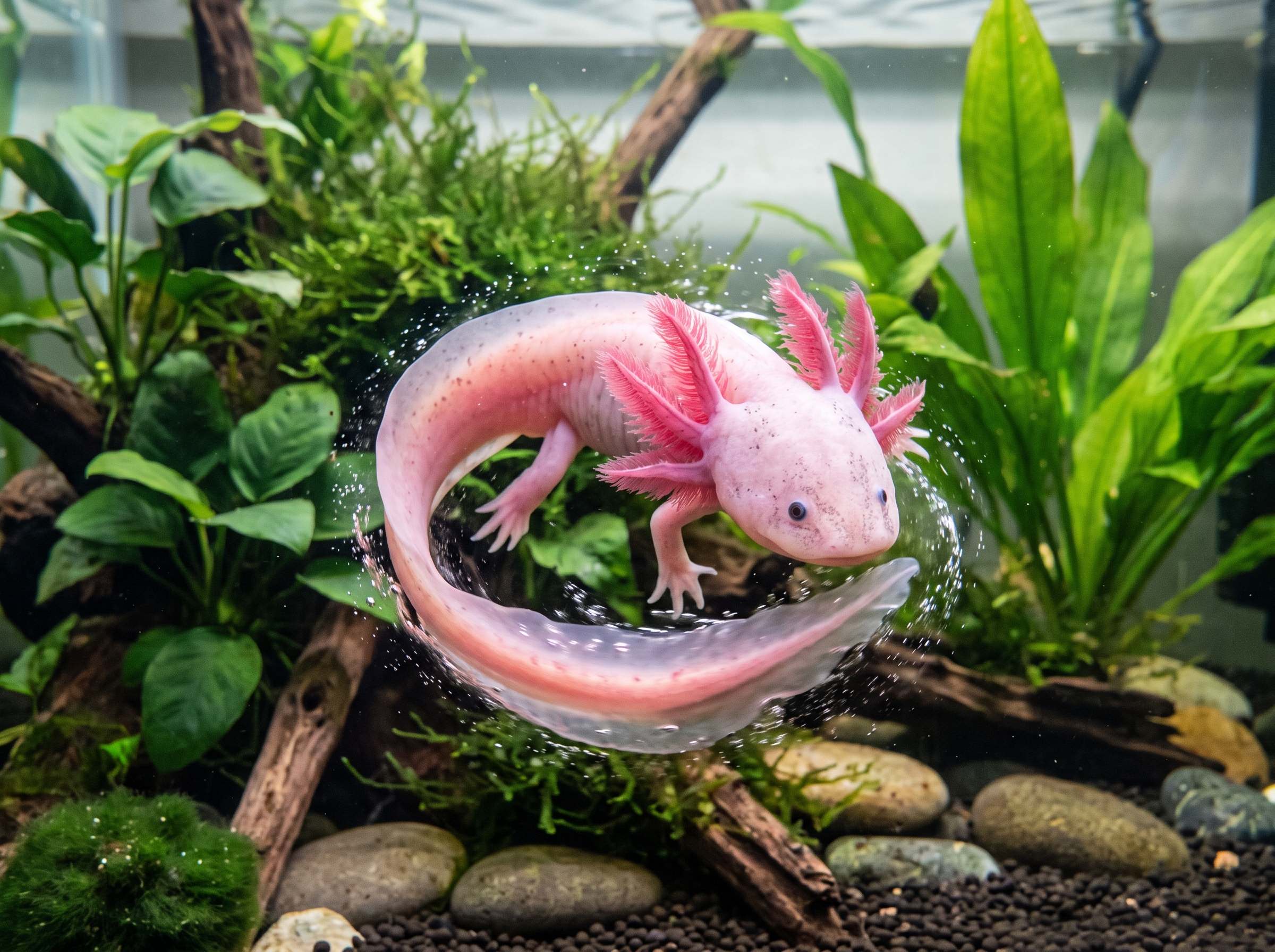
Understanding the mechanics of how axolotls swim and twirl is equally fascinating. Unlike fish, axolotls use a unique style of locomotion that involves their limbs and body movements. Their muscular bodies are designed for both swimming and walking on the substrate, making them versatile creatures. This adaptability is crucial for their survival in various habitats, allowing them to evade predators and navigate complex environments.
Axolotls possess a streamlined body that aids in their swimming abilities. When they twirl, they utilize a combination of circular movements and slight thrusts from their limbs. This movement is not just for show; it allows them to navigate through the water efficiently, dodge potential predators, and explore their environment. The ability to perform such intricate movements is a testament to their evolutionary adaptations, showcasing the complex interplay between anatomy and behavior.
📖 Read also: 7 Creative Axolotl Aquascape Ideas for Your Underwater Paradise
Moreover, axolotls have a unique buoyancy control system. The presence of their external gills during swimming is not just for respiration; they also play a role in buoyancy control. By adjusting their position in the water column, axolotls can enhance their twirling movements, showcasing their agility and grace. This ability to control their buoyancy effectively allows them to perform intricate maneuvers, making their twirling behavior even more impressive.
Muscle Structure and Movement
The muscle structure of axolotls enables them to perform these graceful movements. Their bodies are composed of various muscle fibers that can contract and relax quickly, allowing for rapid changes in direction while swimming. The coordination between their limb movements and body position during twirling illustrates their evolutionary adaptations to life in water. This intricate relationship between muscle structure and movement highlights the remarkable capabilities of axolotls as amphibians.
In addition to muscle composition, the neurological control of their movements plays a vital role in their swimming and twirling behavior. Axolotls possess a well-developed nervous system that allows for precise coordination of their limbs and body. This coordination is essential for executing the complex twirls that have become their signature movement. Understanding these biological mechanisms not only sheds light on the axolotl’s locomotion but also contributes to the broader understanding of amphibian movement and evolution.
Comparison with Other Aquatic Species
While many aquatic species have their unique swimming styles, axolotls stand out due to their playful twirling behavior. For instance, most fish rely primarily on their fins for propulsion, while axolotls utilize both their limbs and bodies. This difference highlights their distinct evolutionary path and adaptations to their environment. Their ability to combine various forms of movement allows them to thrive in diverse ecological niches.
Moreover, unlike many aquatic creatures that tend to avoid human interaction, axolotls often exhibit curiosity, sometimes approaching their keepers. This behavior further enhances their charm and appeal to aquarists and scientists alike. Their engaging personalities contribute to their popularity as pets and research subjects, fostering a greater interest in their conservation and well-being.
In contrast, species such as goldfish or bettas exhibit different swimming styles that prioritize speed and agility over the playful twirling seen in axolotls. This distinction underscores the unique adaptations of axolotls and their evolutionary strategies. By studying these differences, researchers can gain insights into the broader spectrum of aquatic life and the various adaptations that have emerged in response to environmental pressures.
Why Axolotl Twirling Matters
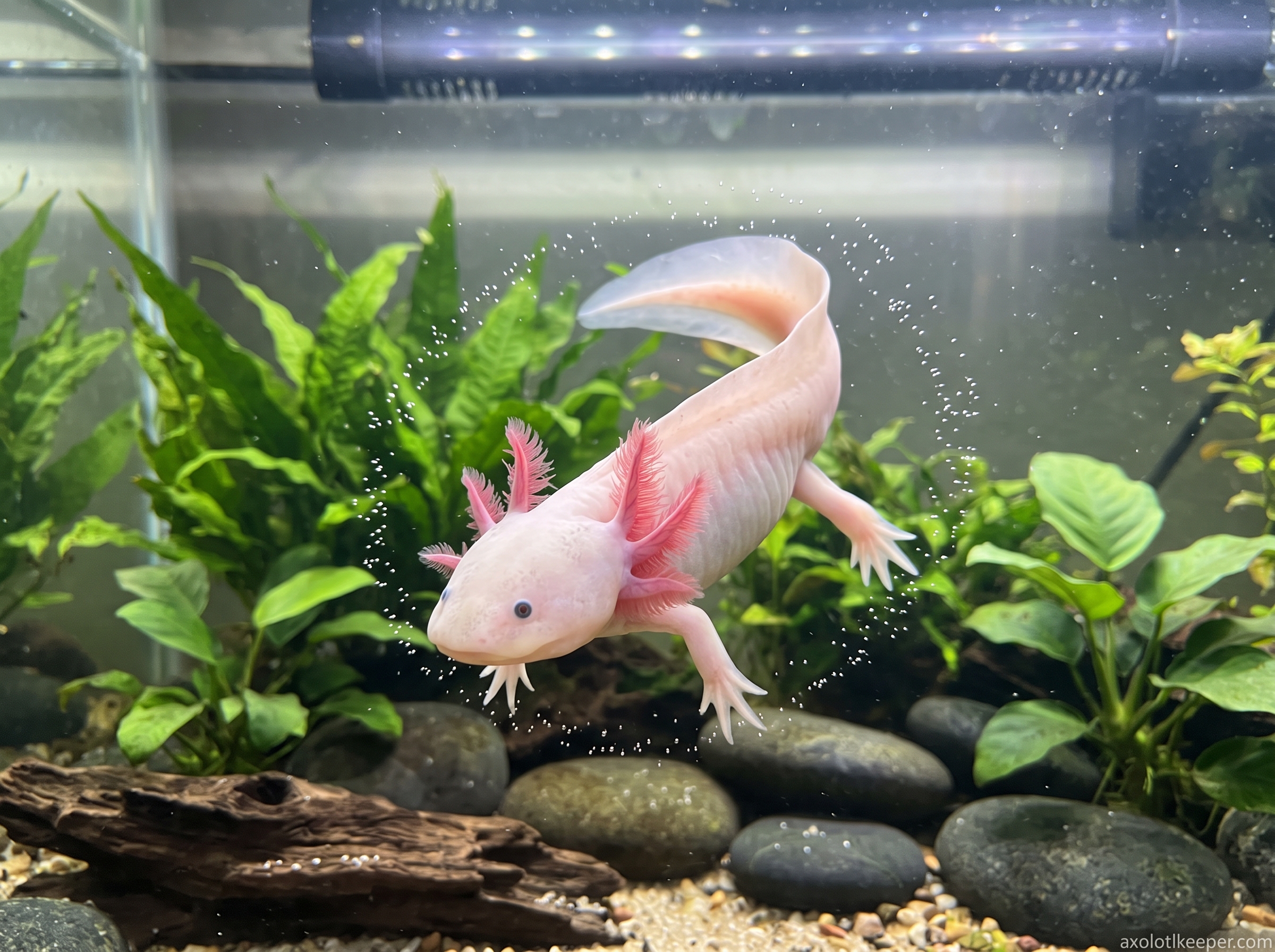
Understanding the twirling behavior of axolotls is not just a matter of curiosity; it has broader implications for conservation and ecological studies. As the axolotl population declines in the wild due to habitat loss and pollution, studying their behavior in captivity can provide crucial information for their preservation. By observing how these creatures respond to various environmental conditions, researchers can devise strategies that may aid in their survival.
Conservationists can learn from captive axolotl behaviors to develop better strategies for habitat restoration and species protection. By understanding how these creatures thrive and what environmental conditions they prefer, we can take steps to ensure their survival in the wild. This knowledge can also inform breeding programs aimed at increasing population numbers and genetic diversity, which are essential for long-term species viability.
Furthermore, the study of axolotl behavior can provide insights into the broader ecological impacts of environmental changes. By monitoring how twirling behavior correlates with water quality and habitat conditions, researchers can identify early warning signs of ecological degradation. This information is vital for implementing timely conservation measures to protect not only axolotls but also the ecosystems in which they reside.
Conservation Efforts and Education
Many organizations are working tirelessly to conserve axolotl populations and their natural habitats. Educating the public about the importance of axolotls and their unique behaviors can foster greater appreciation and support for conservation efforts. Engaging with communities through workshops and exhibits can help raise awareness about the threats facing these amphibians. By sharing knowledge about their ecological role and the challenges they face, we can inspire action and advocacy for their protection.
Additionally, promoting responsible pet ownership and encouraging individuals to adopt axolotls can also aid in their conservation. By providing a proper habitat and care, pet owners can contribute to the well-being of axolotls and help raise awareness about their plight. Sharing best practices for axolotl care and fostering community support can create a network of informed owners who prioritize the health and happiness of their pets.
📖 Read also: Essential Guide to Axolotl Water Parameters: Temperature, pH, and Ammonia Levels
Moreover, collaboration between researchers, conservationists, and the public is essential for successful conservation efforts. By sharing data and resources, we can develop comprehensive strategies that address the multifaceted challenges facing axolotls and their habitats. This collaborative approach can enhance the effectiveness of conservation initiatives and ensure a brighter future for these remarkable creatures.
Future Research Directions
Future research on axolotls may delve deeper into the intricacies of their behaviors, including twirling. Understanding the genetic and environmental factors that influence these movements could provide valuable insights into their biology and ecology. For instance, exploring the genetic basis of their locomotion may reveal evolutionary adaptations that have enabled axolotls to thrive in their specific environments.
Moreover, studying the physiological aspects of twirling could lead to new discoveries about amphibian locomotion and its evolution. As scientists continue to explore the complexities of axolotls, they may uncover further mysteries that can benefit both the species and the broader field of biology. This research could pave the way for advancements in regenerative medicine, as understanding their unique biology may offer clues for developing therapies for humans.
Additionally, integrating technology into axolotl research, such as using motion tracking and behavioral analysis tools, can enhance our understanding of their movements. By employing advanced techniques, researchers can gather more precise data on how axolotls navigate their environments, respond to stimuli, and engage in behaviors like twirling. This innovative approach promises to expand our knowledge of axolotl biology and contribute to ongoing conservation efforts.
Conclusion
The twirling behavior of axolotls in water is not just a charming display; it is a reflection of their health, happiness, and adaptability. By understanding the factors that influence this unique movement, we can better care for these remarkable creatures and contribute to their conservation. As axolotls continue to capture our imaginations, let us ensure that their future remains as vibrant as their playful twirls in the water.
In conclusion, the twirling of axolotls symbolizes more than just playful antics; it is a vital indicator of their well-being and an essential part of their ecological identity. By fostering a deeper understanding of their behavior, we not only enhance our appreciation for these fascinating amphibians but also strengthen our commitment to their preservation. The enchanting dance of axolotls serves as a reminder of the importance of biodiversity and the need to protect the delicate ecosystems that support such extraordinary life forms.
Frequently Asked Questions (FAQ)
What does it mean when an axolotl twirls in water?
Twirling in water typically indicates that an axolotl is happy and comfortable in its environment. It is a playful behavior that reflects their overall well-being. In a natural setting, this behavior can also serve as a way to communicate with other axolotls.
How can I encourage my axolotl to twirl more?
Providing a clean, spacious habitat with plenty of hiding spots and good water quality can encourage your axolotl to engage in twirling behavior. Regular water changes and maintaining optimal temperatures will help keep your axolotl healthy and engaged.
Is twirling a sign of stress in axolotls?
While twirling is usually a positive behavior, if it is accompanied by other signs of distress, it could indicate stress. Monitoring your axolotl’s overall behavior is essential for assessing its health. Look for changes in appetite, coloration, or activity levels as indicators of potential stress.
Can all axolotls twirl, or is it specific to certain individuals?
Most axolotls have the ability to twirl, but the frequency and enthusiasm of the behavior can vary based on individual personality, health, and environmental conditions. Some may twirl more frequently than others, reflecting their unique temperaments.