
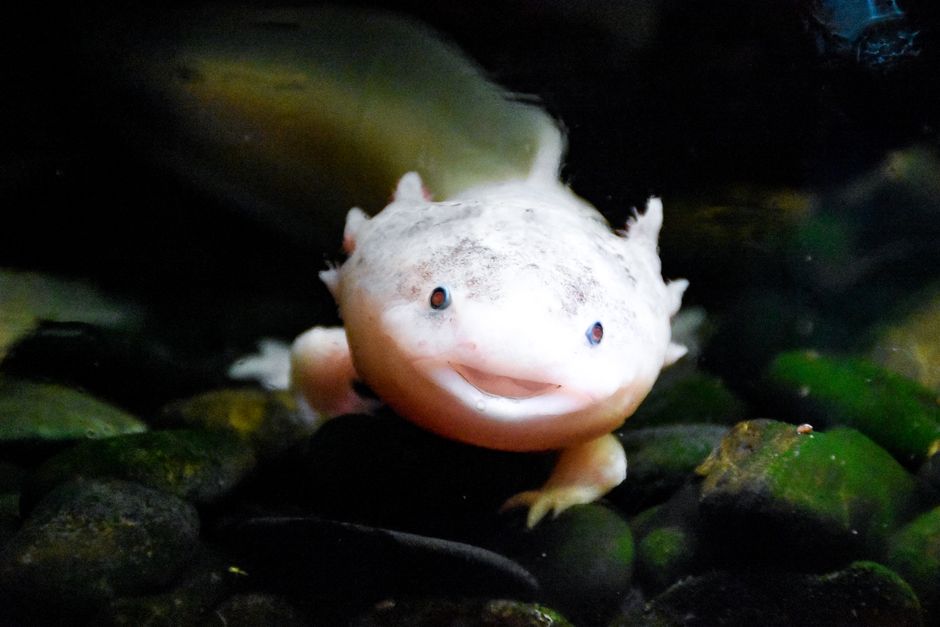
What Makes Axolotls Move Slowly?
Axolotls, the captivating aquatic salamanders, are known for their unique features and slow movements. While they may appear sluggish, their slow pace serves various purposes. Understanding the reasons behind their languid movements can enhance our appreciation of these extraordinary creatures. Let’s delve into the factors that contribute to this behavior.
One of the primary reasons for the axolotl’s slow movement is its habitat. Native to the lakes of Mexico, axolotls live in an environment where they have little need to rush. The calm waters of their natural habitat provide ample time to search for food, evade predators, and explore their surroundings without the urgency that might be seen in other animals. These serene conditions allow axolotls to thrive without the constant pressure of competition, which is often prevalent in faster-moving ecosystems.
Additionally, the anatomy of axolotls plays a significant role in their movement. Unlike many other amphibians, axolotls have a unique limb structure and a body designed for gliding rather than fast swimming. Their musculature is adapted for slow, deliberate movements, allowing them to conserve energy and remain stealthy as they hunt or avoid threats. This anatomical design is a product of evolutionary adaptations that have favored survival in their specific aquatic habitats.
Reasons for Slow Movements in Axolotls
Now, let’s explore the specific reasons contributing to the slow movements of axolotls. Understanding these factors can provide insights into their behavior and survival strategies. Here are the notable reasons:
1. Energy Conservation
Axolotls are ectothermic, meaning their body temperature relies on the surrounding environment. This trait causes them to conserve energy by moving slowly. Rapid movements would require more energy than their environment can provide. By moving at a leisurely pace, they can maintain their energy levels over longer periods. This energy conservation is especially crucial in their natural habitat, where food may not always be abundant.
Moreover, the slow movements of axolotls help them to use their energy efficiently. In a stable environment like that of the lakes, being energy-efficient is a significant advantage. Instead of depleting their energy reserves through fast-paced activity, axolotls can engage in a more strategic approach to their lifestyle. They are able to spend more time foraging and exploring without the immediate risk of exhaustively chasing prey or escaping predators.
2. Foraging Strategy
As predominantly carnivorous creatures, axolotls feed on small aquatic animals such as worms, insects, and small fish. Their slow movements allow them to sneak up on prey without alarming it. Quick movements could scare away potential food sources, making it advantageous for axolotls to adopt a more deliberate approach while hunting. This stealthy approach not only increases their chances of successfully capturing prey but also allows them to utilize their environment to their advantage.
Additionally, the axolotl’s hunting strategy reflects its adaptation to its surroundings. For instance, in the murky waters where visibility is limited, a rapid movement could easily disturb sediment, obscuring their vision and potentially alerting prey. By moving slowly, they can effectively navigate through complex environments, increasing their effectiveness as hunters. This calculated hunting method highlights the axolotl’s ability to thrive within their ecological niche.
📖 Read also: Unlocking the Mystery of Axolotl’s Darting Movement: Fascinating Insights
3. Predator Evasion
In the wild, axolotls face various predators, including birds and larger fish. Their slow movements can be a strategic defense mechanism. By moving slowly and blending into their surroundings, they reduce their visibility to predators. This behavior enhances their chances of survival in a habitat where threats are ever-present. The ability to remain unnoticed is a key survival trait in any species, and for axolotls, it plays a vital role in their day-to-day existence.
Furthermore, the axolotl’s coloration and texture also aid in this evasive strategy. Their ability to match their environment helps them to remain hidden from predators, complementing their slow movements. The combination of these traits allows axolotls to thrive in an ecosystem where predation is a constant threat. Their slow, deliberate movements not only serve a purpose in capturing prey but also in evading those who would hunt them.
4. Environmental Adaptation
The lakes where axolotls are found are often murky, with limited visibility. In such environments, swift movements are not as beneficial. Instead, slow and steady movements allow axolotls to navigate through their habitat without the risk of colliding with obstacles or losing balance. This careful navigation is essential for their survival, as it helps them avoid potential hazards that could threaten their well-being.

Moreover, the axolotl’s slow movement is also a response to the unique conditions of their environment, including temperature fluctuations and water quality. These factors can impact their overall health and behavior. By adapting their movement to be more cautious and deliberate, axolotls can maintain a stable existence in their challenging habitat. Their ability to thrive in such conditions highlights their resilience and adaptability as a species.
5. Breathing Mechanism
Axolotls have a unique respiratory system that relies on external gills. Rapid movements can disrupt their breathing pattern and increase stress levels. By moving slowly, they can maintain a calm state, ensuring that their gills function effectively for oxygen intake. This is particularly important in their murky habitats, where oxygen levels can fluctuate, and efficient breathing becomes crucial for survival.
Additionally, the way axolotls breathe is closely linked to their overall activity levels. When they move slowly, it reduces the demand for oxygen, allowing them to utilize their respiratory system more efficiently. This efficiency is critical, especially in environments where oxygen levels may not be optimal. Thus, their slow movements are not just a behavioral trait but are intertwined with their physiological needs, showcasing the intricate relationship between behavior and biology.
Conclusion
In summary, the slow movements of axolotls are a result of various factors, including energy conservation, foraging strategies, predator evasion, environmental adaptation, and their unique breathing mechanism. Understanding these aspects reveals how well-adapted axolotls are to their environment. Their languid pace is not just a quirk; it is a vital part of their survival strategy in the wild.
📖 Read also: Discover the Fascinating World of Axolotl Flicking Gills
As we continue to study these fascinating creatures, we gain deeper insights into their behavior and the delicate balance of their ecosystems. Axolotls remind us that slow and steady can indeed win the race, particularly in the intricate dance of life beneath the water’s surface. Their evolutionary journey highlights the importance of adaptation and resilience in the face of changing environmental conditions, making them a remarkable subject of study for biologists and nature enthusiasts alike.
Frequently Asked Questions (FAQ)
Why do axolotls move so slowly?
Axolotls move slowly primarily to conserve energy, allowing them to thrive in their unique aquatic environment while effectively foraging for food and avoiding predators.
Are axolotls slow due to any health issues?
No, their slow movements are not indicative of health issues. It is a natural behavior adapted to their lifestyle and environment.
Do axolotls ever move quickly?
While axolotls are generally slow movers, they can exhibit quick bursts of speed if startled or when trying to escape from a threat.
How does their environment affect their movement?
The murky waters of their natural habitat influence axolotls’ movement patterns, making slow, deliberate movements more advantageous for navigation and hunting.