
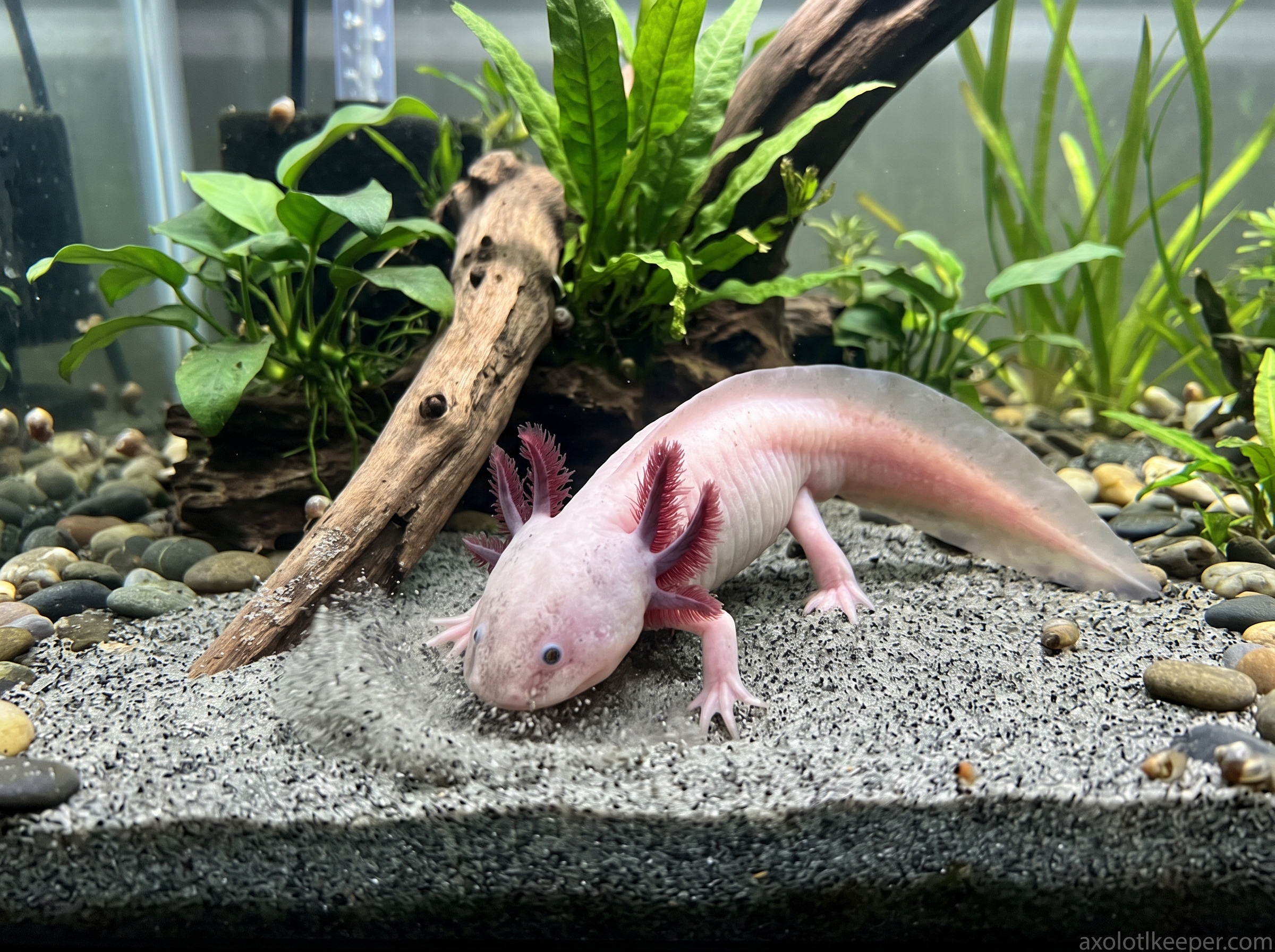
Axolotls, the fascinating aquatic creatures known for their regenerative abilities, have an intriguing behavior when it comes to interacting with their substrate. This behavior not only reflects their natural instincts but also plays a crucial role in their overall well-being. Understanding how axolotls dig and interact with their substrate can enhance their habitat and ensure a healthier life for these unique animals.
In this article, we will explore the various aspects of axolotl digging behavior, including the reasons behind this activity and how to choose the right substrate for your pet. This knowledge is important for any axolotl owner, as it can significantly impact their health and happiness.
Let’s dive into the world of axolotl digging and discover how you can create a suitable environment for these amazing creatures.

Understanding Axolotl Digging Behavior
Axolotls are naturally inclined to dig and burrow in their habitat, a behavior stemming from their evolutionary adaptations. In the wild, they inhabit lakes and canals where they often encounter varied substrate types. This digging behavior serves several purposes, including creating shelters, foraging for food, and maintaining their environment.
Digging is not merely a recreational activity for axolotls; it is essential for their mental stimulation and physical health. By engaging in this behavior, axolotls can exhibit natural instincts that contribute to their overall well-being. However, the type of substrate you provide plays a pivotal role in how effectively they can express this behavior.
Now, let’s look at some specific reasons why axolotls dig in their substrate. One critical aspect to consider is that digging can also be a response to environmental stressors. For example, if axolotls feel threatened or uncomfortable, they may dig more fervently as a means of seeking refuge. This behavior is a direct reflection of their instinctual need to find security in their surroundings.
Creating Shelter
One of the primary reasons axolotls dig is to create shelter. In their natural habitat, they often hide under rocks or within the substrate to avoid predators and other threats. By providing a suitable substrate, you can encourage your axolotl to dig and create a safe space, mimicking their natural environment. This behavior can be particularly important for younger axolotls, who are more vulnerable to predation and may rely heavily on digging to find safe areas.
In addition to safety from predators, creating a shelter through digging allows axolotls to establish their territory. Territorial behavior is common in many species, and for axolotls, having a designated area to retreat to can reduce stress and promote a sense of security. This is especially relevant in community tanks where multiple axolotls are housed together; providing adequate substrate for digging can help minimize territorial disputes.
Foraging for Food
Axolotls are opportunistic feeders, and digging helps them search for food. In the wild, they may unearth small invertebrates and other prey hidden in the substrate. By allowing them to dig, you are enabling them to exhibit natural foraging behaviors, which is vital for their psychological health. This natural behavior can stimulate their senses and encourage them to engage with their environment, leading to a more active and healthy lifestyle.
Furthermore, to mimic their natural foraging habits, consider incorporating live food into their diet. This will not only provide nutrition but also encourage them to dig and explore more as they seek out these live prey. Additionally, providing a varied diet can enhance their overall well-being, as it ensures they receive the necessary nutrients to thrive.
Maintaining a Clean Environment
Another important aspect of digging behavior is that it helps axolotls maintain a clean living environment. As they stir up the substrate, they can help aerate it and prevent the buildup of waste and harmful bacteria. This natural behavior contributes to a healthier aquarium ecosystem. The act of digging can also disturb detritus and leftover food particles, making it easier for beneficial bacteria to break them down and contribute to the tank’s health.
📖 Read also: 6 Surprising Substrates Axolotls Can’t Eat and Why They Matter
Moreover, a well-aerated substrate allows for better gas exchange, which is crucial in maintaining a balanced aquarium environment. Poor substrate conditions can lead to anaerobic spots that may produce harmful gases, so axolotls’ digging helps mitigate this risk. Therefore, encouraging this behavior is not just beneficial for the axolotl itself but also for the overall health of the aquarium.
Choosing the Right Substrate for Axolotls
Selecting the appropriate substrate for your axolotl is crucial for their health and happiness. The right substrate not only allows them to dig effectively but also ensures their safety. Here are some popular substrate options and their benefits:
Sand
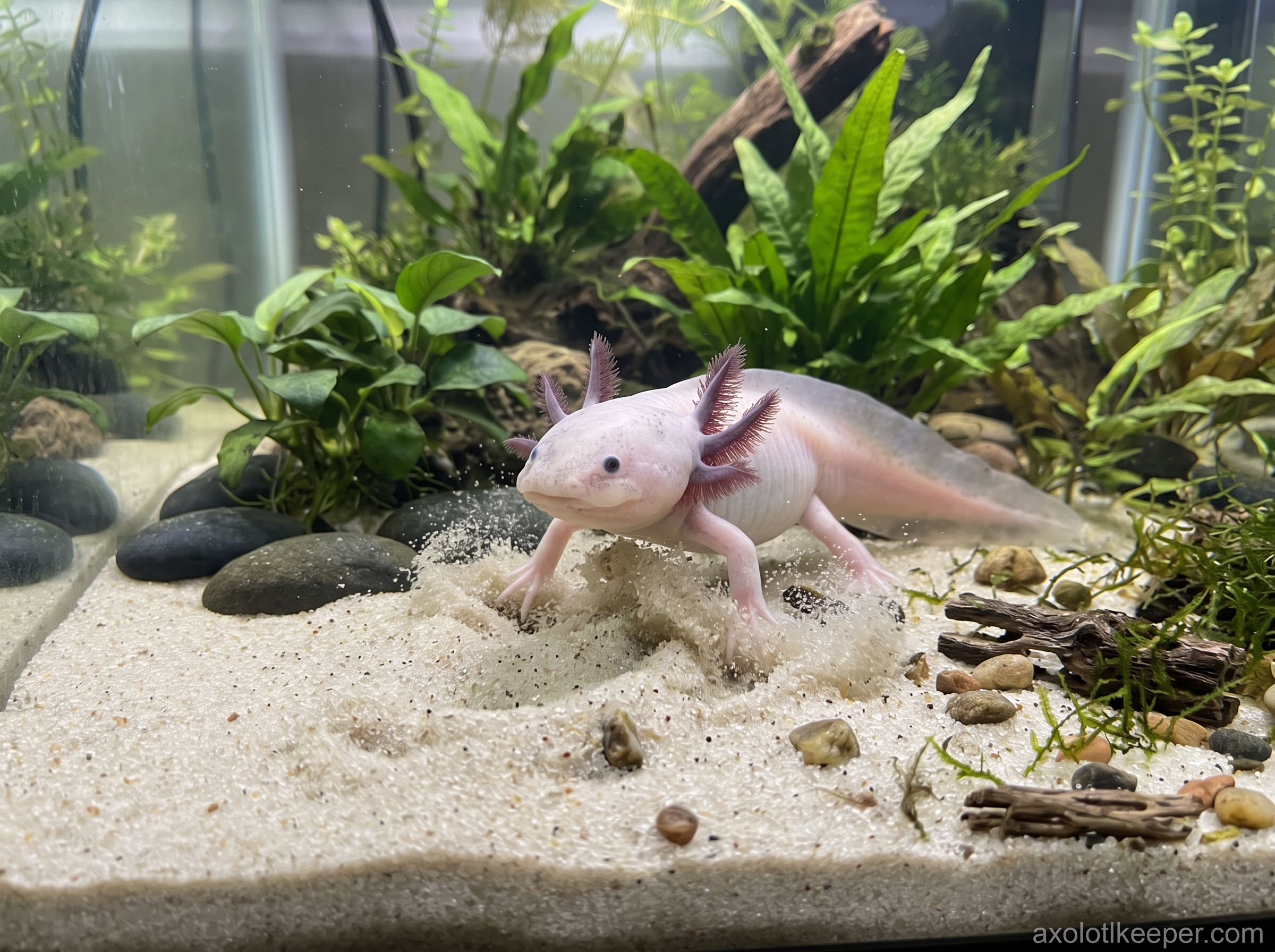
Sand is often considered one of the best substrates for axolotls. It allows them to dig easily while being safe for their delicate bodies. When choosing sand, ensure it is fine and free of sharp edges. This substrate also helps keep the tank clean, as it does not trap waste as easily as other materials. Additionally, fine sand can mimic the natural riverbeds and lake bottoms that axolotls would encounter in the wild.
When using sand, it’s essential to monitor its condition regularly. Over time, sand can compact, which may inhibit the axolotl’s ability to dig effectively. Therefore, stirring the sand occasionally can help maintain its loose texture, allowing for more natural digging behavior. Some owners also opt to create slight slopes or areas of varying depths in the sand to encourage exploration.
Gravel
While some axolotl owners opt for gravel, it is essential to choose larger, smooth pieces to prevent ingestion. Gravel can be more challenging for axolotls to dig in, but it can still provide a natural look to the aquarium. Always supervise your axolotl to ensure they do not accidentally swallow small gravel pieces. In addition, gravel can trap waste more easily than sand, so it requires more frequent cleaning to maintain water quality.
If you choose gravel, consider creating a mixture with sand or placing larger rocks strategically to provide digging areas. This way, you can still maintain the aesthetic appeal of gravel while offering your axolotl the chance to engage in natural digging behavior. Also, the combination of textures can create an enriching environment that stimulates exploration.
Bare Bottom
A bare-bottom tank is another option, especially for those who prioritize ease of cleaning over natural behavior. While it doesn’t allow for digging, it can facilitate better water quality and make maintenance easier. However, consider adding decorations and hiding spots to keep your axolotl engaged. Using a bare bottom can also make it easier to monitor the axolotl’s health by providing clear visibility of any waste or uneaten food.
To enhance a bare-bottom tank, incorporate various structures such as rocks, driftwood, or artificial plants that encourage climbing and exploration. This can help simulate a more natural environment, even without substrate. Additionally, regular interaction and enrichment activities, such as varying feeding methods or introducing new hiding spots, can keep your axolotl mentally stimulated.

Enhancing Your Axolotl’s Environment
Beyond substrate, there are several ways to enhance your axolotl’s environment to encourage digging and exploration:
Provide Hiding Spots
Include rocks, caves, or aquatic plants in the tank to create hiding spots. These additions can stimulate your axolotl’s natural behaviors, encouraging them to explore their surroundings and dig in search of shelter. Using various materials can also provide different textures and sizes, catering to your axolotl’s preferences.
📖 Read also: 5 Essential Reasons to Choose Axolotl Sand Substrate for Your Tank
Moreover, hiding spots can reduce stress by giving axolotls a sense of security, especially during the day when they may feel more vulnerable. You can also rotate or rearrange these hiding spots periodically to provide a novel experience for your axolotl, encouraging them to explore and engage with their environment actively.
Maintain Water Quality
Good water quality is essential for your axolotl’s health. Regularly test the water parameters and perform water changes to keep the environment clean. A healthy environment will make your axolotl more active and encourage natural digging behaviors. High ammonia or nitrite levels can lead to stress and illness, negatively impacting their digging behavior and overall happiness.
Utilizing a good filtration system can also help maintain water quality. Additionally, consider using a water conditioner to neutralize harmful chemicals and add beneficial bacteria to the tank. This will create a stable environment that promotes digging and foraging behaviors, contributing to the health and well-being of your axolotl.
Monitor Temperature
Ensure that the water temperature is suitable for axolotls, typically between 16-18°C (60-64°F). A stable temperature helps maintain their metabolism and encourages active behaviors, including digging. Fluctuations in temperature can lead to stress and lethargy, making it vital to monitor and maintain consistent conditions.
Using a reliable aquarium heater or chiller, depending on your environment, can help achieve and stabilize the desired temperature range. Additionally, placing thermometers at different tank levels can give a better understanding of the temperature gradient, ensuring your axolotl can find a comfortable spot to thrive.
Conclusion
Understanding axolotl digging behavior and providing an appropriate substrate is critical for their health and happiness. By creating an environment that allows for natural behaviors, you can ensure your axolotl thrives in captivity. Remember to choose the right substrate, enhance their habitat with hiding spots, and maintain water quality to support their well-being.
With these insights, you can create a thriving space for your axolotl, allowing them to express their natural behaviors and live a fulfilling life. Ultimately, a well-cared-for axolotl will display more vibrant colors, engage more actively in its environment, and exhibit the playful nature that makes these animals so beloved.
Frequently Asked Questions (FAQ)
What is the best substrate for axolotls?
Sand is often recommended as the best substrate for axolotls due to its safety and digging-friendly nature. Ensure it is fine and smooth to prevent any injuries. Additionally, sand mimics their natural habitat more closely than other substrates, allowing for better expression of natural behaviors.
Can axolotls eat substrate?
While axolotls may accidentally ingest small pieces of substrate, it is crucial to avoid using small gravel or sharp objects that could cause digestive issues. Always monitor their behavior to prevent ingestion. If you notice your axolotl consistently attempting to eat substrate, consider adjusting the substrate type to something more appropriate.
How often should I change the substrate?
Substrate should be cleaned regularly, and a complete change is recommended every 6-12 months, depending on the type of substrate and the tank’s condition. Regular maintenance will help ensure a healthy environment and reduce the risk of harmful bacteria buildup.