
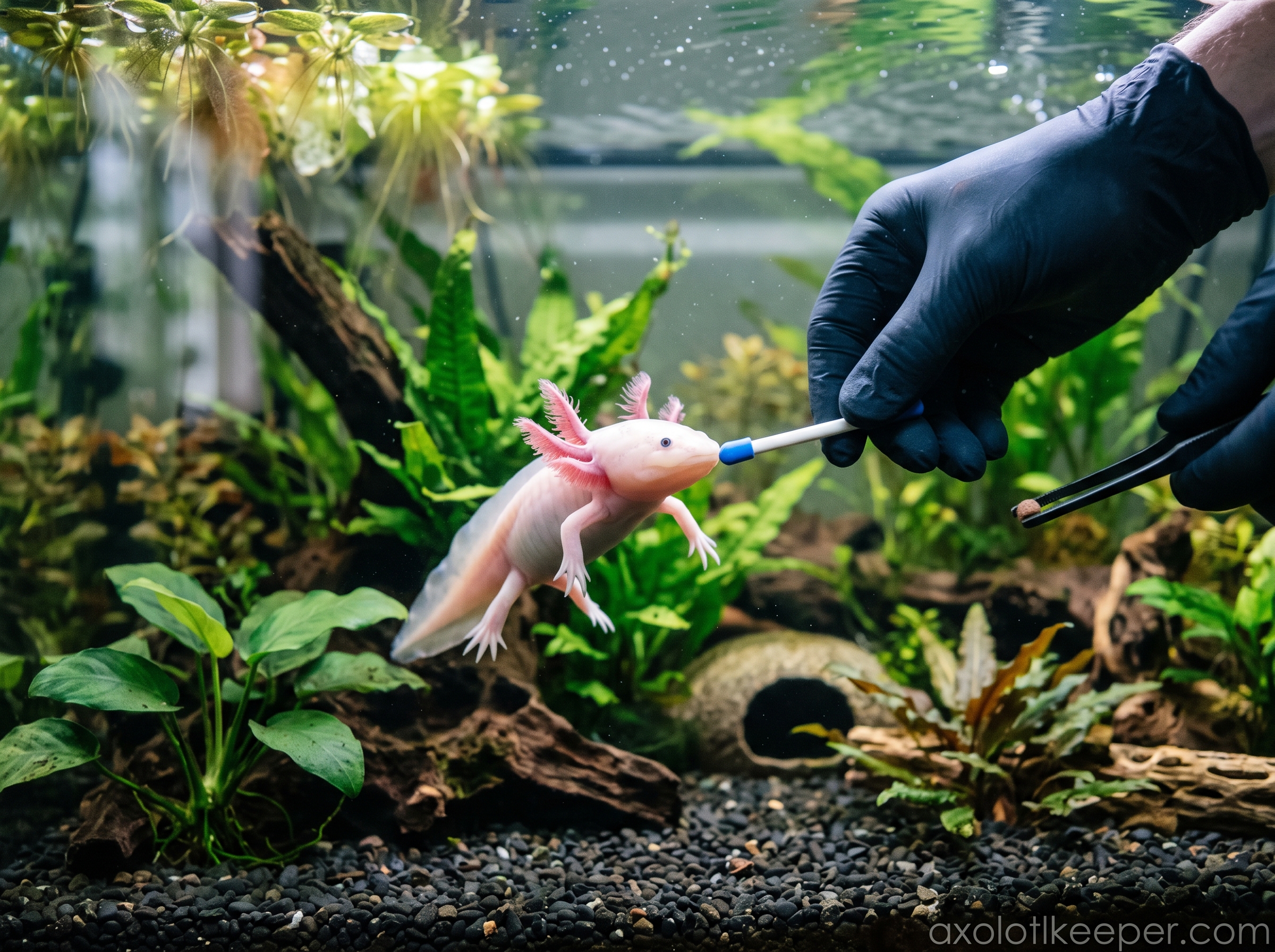
The axolotl, a unique aquatic salamander, is not just a marvel of nature due to its regenerative abilities but also a fascinating subject when it comes to learning and cognition. This extraordinary creature has captured the interest of scientists and enthusiasts alike, prompting research into how these animals learn and adapt. Understanding axolotl learning tricks can provide insights into their behavior and the broader field of animal cognition.
In this article, we will delve into the various learning mechanisms of axolotls, exploring how they can be trained and the implications of their learning abilities. Whether you are a pet owner or a biology enthusiast, these insights will enhance your appreciation for these incredible creatures.
Understanding Axolotl Learning Tricks
Axolotls possess a range of cognitive abilities that allow them to learn from their environment. Unlike many other amphibians, axolotls show a remarkable capacity for learning through both classical and operant conditioning. This adaptability is crucial for their survival in the wild, where they need to navigate complex aquatic environments. For instance, researchers have noted that axolotls can adapt their behavior based on previous experiences, which is a significant indicator of their cognitive flexibility.
Research indicates that axolotls can be conditioned to associate certain stimuli with specific outcomes, which is a fundamental aspect of their learning process. For instance, they can learn to associate the sound of a feeding bell with food, demonstrating their ability to remember and respond to cues. This kind of associative learning is vital for their survival, as it allows them to optimize foraging strategies in the wild. Understanding these tricks not only helps in their care but also opens avenues for further research into their behavior.
Here are seven notable learning tricks that axolotls exhibit:
Conditioned Responses
Axolotls can be trained to respond to specific stimuli through conditioning. For example, if a light is turned on before feeding, they may begin to associate the light with food, showing excitement when it appears. This response is not just a simple reflex; it indicates that axolotls can learn to predict outcomes based on environmental signals, which is a sophisticated cognitive process.
Moreover, conditioned responses in axolotls can extend beyond feeding. Studies have shown that they can learn to associate various environmental changes with specific rewards or dangers, which enhances their ability to thrive in dynamic ecosystems. This adaptability is indicative of a more complex understanding of their surroundings than previously thought.
Escape Learning
In experimental settings, axolotls have shown the ability to learn escape routes from predators. By repeatedly placing them in a situation with a simulated threat, they learn to navigate towards safety more efficiently. This form of learning is critical, as it allows axolotls to develop strategies for avoiding danger, which could significantly impact their survival in the wild.
Furthermore, escape learning in axolotls is not merely instinctual; it involves cognitive processes where they analyze the threat and plan their movements accordingly. This indicates a level of problem-solving ability that is often underestimated in amphibians. The ability to adapt their escape routes based on previous experiences can be crucial for their survival in environments teeming with predators.
📖 Read also: Unlocking the Secrets of Axolotl Digging Behavior: What You Need to Know

Social Learning
Although axolotls are often solitary creatures, they can observe and learn from the actions of their peers. For instance, if one axolotl discovers a food source, others may follow its lead, showcasing social learning. This behavior is particularly interesting because it suggests that axolotls can communicate and share information within their species, which may enhance their collective survival strategies.
Social learning is a critical aspect of many animal behaviors, and axolotls demonstrate this ability in controlled environments. In studies, individuals that were exposed to a knowledgeable peer were more likely to successfully find food compared to those that were isolated. This indicates that social dynamics and interactions can play a significant role in the learning processes of axolotls, revealing a deeper layer of their cognitive abilities.
Spatial Memory
Axolotls have demonstrated spatial memory by navigating mazes. In studies, they can remember the layout of their environment and find their way to food rewards, indicating advanced spatial awareness. This ability to remember and utilize spatial information showcases their cognitive mapping skills, which are essential for survival in the wild.
Moreover, spatial memory in axolotls is not limited to simple navigation tasks; it also involves the ability to recall locations over time. Research has shown that axolotls can retain this spatial information for extended periods, which is indicative of a complex internal representation of their environment. This capability can be vital for locating breeding sites or food sources in their natural habitats.
Habituation
Axolotls can become accustomed to repeated stimuli, a process known as habituation. For example, they may initially react to loud noises but will eventually learn to ignore them if they do not pose a threat. This ability to habituate is essential for their well-being, as it helps them to differentiate between harmful and non-harmful stimuli in their environment.

Habituation is a fundamental learning process that allows axolotls to conserve energy and focus on more relevant challenges, such as finding food or avoiding predators. It highlights their capacity for learning through experience, as they can adjust their behavior based on their interactions with their surroundings. This dynamic adaptability is crucial for their survival in fluctuating environments.
Imitation Learning
There is evidence that axolotls can imitate the behaviors of other axolotls. This skill can be particularly useful in natural settings where learning from others can enhance survival chances. Imitation learning allows them to acquire new behaviors without direct experience, which can be a highly efficient way to learn.
In controlled experiments, axolotls have been observed mimicking the feeding techniques of their peers. This suggests that they possess the cognitive flexibility to learn from observation, which is a significant step beyond instinctual behavior. The capacity for imitation is often seen in more complex animals, making this trait in axolotls particularly noteworthy and indicative of their cognitive sophistication.
Operant Conditioning
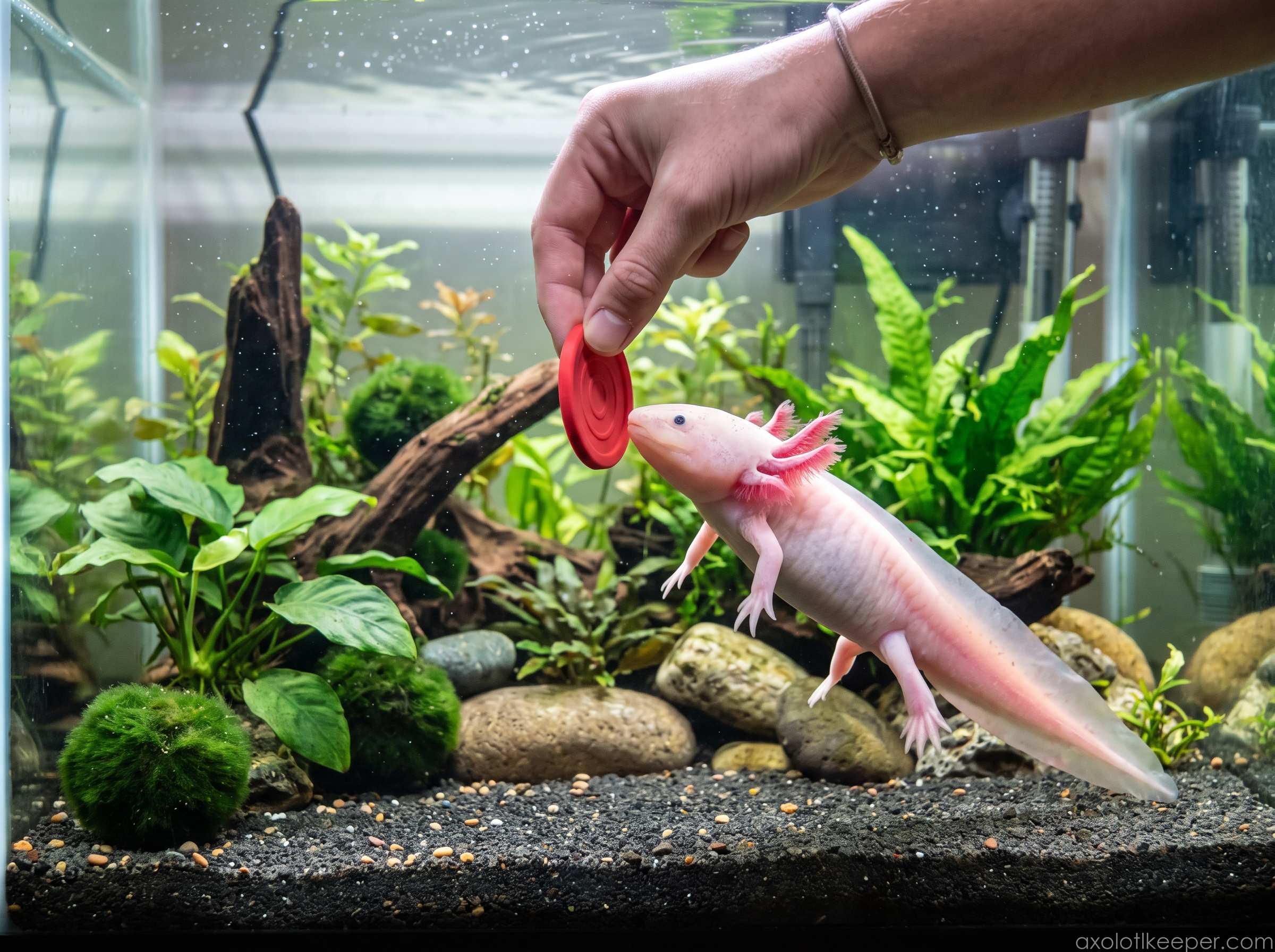
Through operant conditioning, axolotls can learn to perform specific actions to achieve rewards. For instance, they might learn to push a lever to receive food, highlighting their ability to engage with their environment actively. This form of learning emphasizes the role of consequences in shaping behavior, showing that axolotls can adapt their actions based on rewards and punishments.
📖 Read also: Unlocking the Secrets of Axolotl Memory Ability: What You Need to Know
Operant conditioning in axolotls also opens up possibilities for training these creatures in captivity. Understanding how they respond to various stimuli can help caregivers create enriching environments that promote their psychological well-being. By employing operant conditioning techniques, owners can engage axolotls in activities that stimulate their minds and encourage natural behaviors.
Importance of Understanding Axolotl Learning
The study of axolotl learning tricks is not only fascinating but also vital for several reasons. Firstly, understanding their cognitive abilities can improve the care and training of axolotls in captivity, ensuring their well-being and promoting healthy behaviors. This knowledge empowers pet owners and researchers to create environments that cater to the specific needs of axolotls, enhancing their quality of life.
Additionally, insights gained from axolotl learning can contribute to broader fields such as neurobiology and psychology. By examining how these creatures learn, researchers can draw parallels to other species, including humans, thereby enhancing our understanding of cognition across different life forms. The findings can inform evolutionary biology, providing insights into the development of learning and memory mechanisms in various animal lineages.
Moreover, as axolotls are increasingly popular in the pet trade and scientific research, knowledge about their learning capabilities can help in the development of enrichment activities that stimulate their minds and prevent boredom in captivity. This understanding fosters a deeper connection between humans and axolotls, promoting responsible pet ownership and ethical research practices.
Common Myths About Axolotl Learning
Despite the growing body of research on axolotl learning, several myths persist. One common misconception is that axolotls are simple creatures with no capacity for learning. This is far from the truth, as evidenced by their complex behaviors and learning tricks discussed earlier. These misconceptions can lead to underestimating their needs and disregarding their cognitive abilities, which is detrimental to their care.
Another myth is that axolotls do not require mental stimulation in captivity. In reality, providing a stimulating environment with opportunities for learning is crucial for their physical and mental health. Regular engagement through puzzles, social interactions, and varied habitats can significantly enhance their quality of life. Addressing these myths is essential to promote a better understanding of axolotls and ensure they receive the care they deserve.
Conclusion
In conclusion, axolotls are remarkable creatures with impressive learning abilities that challenge traditional views of amphibian cognition. Their capacity for conditioning, social learning, and memory showcases their adaptability and intelligence. By understanding axolotl learning tricks, we can enhance their care in captivity and contribute to ongoing research in animal cognition.
As we continue to explore the depths of animal intelligence, axolotls stand out as a unique example of how even the simplest creatures can possess complex learning capabilities. Embracing this knowledge not only enriches our relationship with these fascinating animals but also broadens our understanding of the natural world.