
Axolotls, often called “Mexican walking fish,” are enchanting amphibians that have captured the hearts of many. Known for their regenerative abilities and unique appearance, these creatures also exhibit intriguing behaviors, particularly when it comes to feeding time. Understanding how axolotls respond to feeding can enhance our appreciation of them and improve our care practices if we keep them as pets.
The feeding behaviors of axolotls are not just about satisfying hunger; they are influenced by various factors including their environment, health, and individual personalities. Observing these creatures during feeding can reveal fascinating insights into their instincts and reactions. This article will explore the different aspects of how axolotls respond to feeding time, providing valuable information for enthusiasts and caretakers alike.
Understanding Axolotl Feeding Behaviors
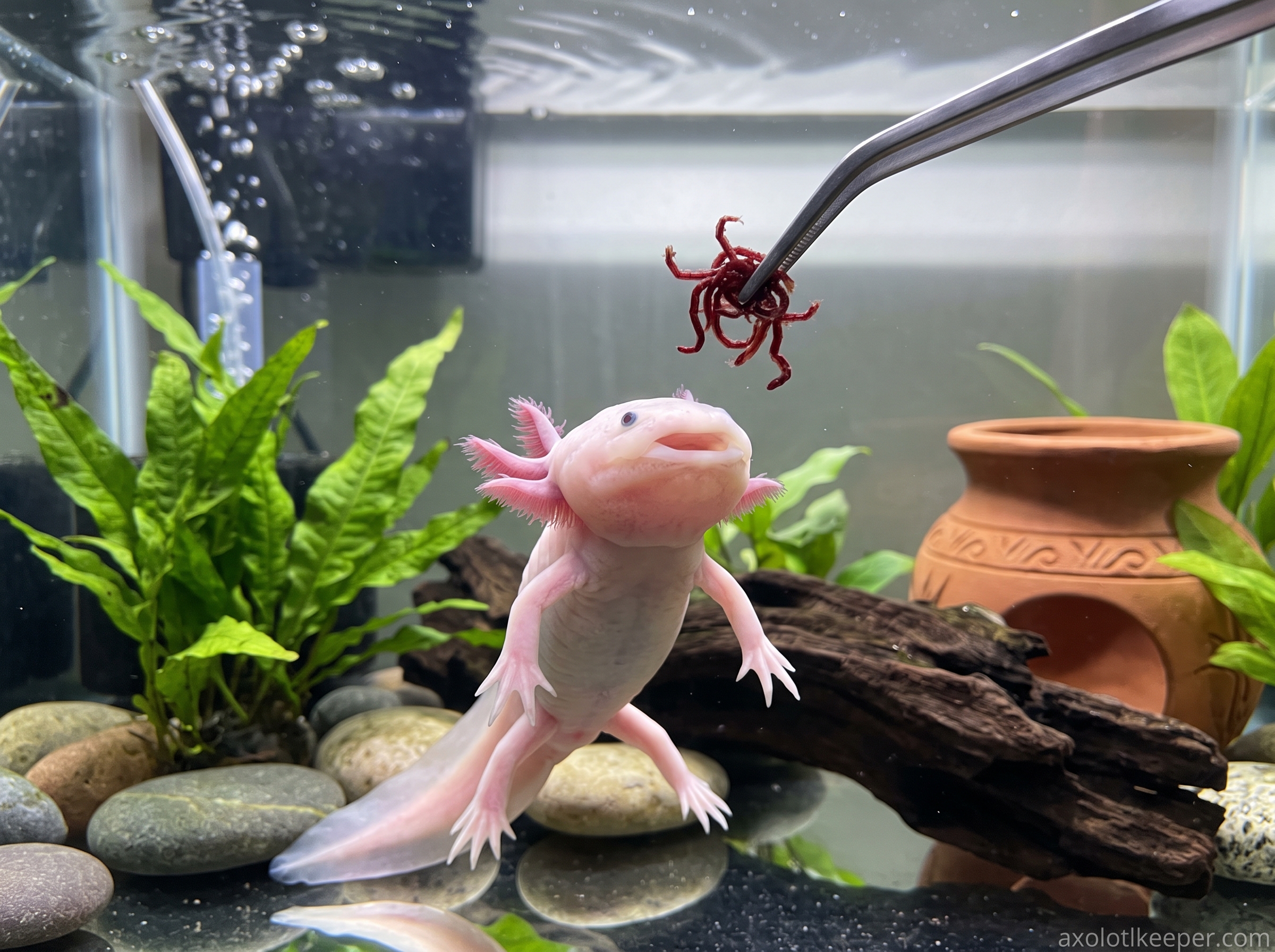
Feeding time is a critical moment for axolotls, showcasing their unique characteristics and behaviors. They may not have the same feeding cues as traditional pets like dogs or cats, but their responses are equally fascinating. When it comes to feeding, axolotls rely heavily on their sense of smell and sight, which are crucial in locating their food. Their olfactory senses are particularly acute, allowing them to detect food particles in the water even from a distance. This heightened sense of smell is essential for their survival in the wild, where they hunt for food in murky waters.
Axolotls primarily feed on small aquatic creatures such as worms, insects, and small fish. Their feeding behavior can be greatly influenced by the type of food offered, the time of day, and the overall environment they are in. For instance, they might become more active and excited when they sense food is nearby. This section will delve into key behaviors exhibited by axolotls during feeding times, highlighting the significance of their responses. Additionally, understanding these behaviors can aid in ensuring that axolotls receive adequate nutrition, which is vital for their growth and health.
Behavioral Cues When Food is Present
One of the most noticeable behaviors of axolotls during feeding time is their alertness. As soon as they detect the presence of food, they often display increased movement and activity. Their gills may flutter, and they may swim excitedly around their tank. This behavior is a clear indication of their anticipation and eagerness to feed. When food is introduced into the tank, axolotls may also exhibit a behavior known as “head-bobbing,” where they move their heads up and down as if assessing the food’s position, a natural instinct that reflects their hunting background.
In addition to swimming and head-bobbing, axolotls may also use their touch receptors to investigate their environment. As they approach the food, they might gently nudge it with their snouts before attempting to capture it. This tactile exploration is crucial as it helps them determine whether the object is indeed food. The combination of these behaviors not only highlights their excitement but also their instinctual methods of verifying potential prey. Observing these cues can be both entertaining and informative, offering insights into the natural behaviors of these unique creatures.

Importance of Food Type on Feeding Response
The type of food provided can significantly impact the axolotl’s response. For instance, live food tends to elicit a stronger reaction compared to freeze-dried options. When offered live worms or insects, axolotls often display hunting behaviors, such as stalking and snapping at their prey, showcasing their natural instincts. The movement of live food creates a stimulus that triggers their predatory instincts, making feeding time an engaging activity for them. In contrast, when presented with freeze-dried food, their response may be more subdued, as the lack of movement does not mimic natural prey behavior.
Furthermore, the nutritional value of the food offered plays a crucial role in their feeding response. High-protein foods tend to foster more vigorous feeding behaviors, while less nutritious options might not garner the same level of interest. Providing a varied diet that includes both live and prepared foods can stimulate their feeding responses and encourage a healthy appetite. Overall, understanding these preferences can help in creating a more engaging feeding experience for them, ensuring that they remain active and healthy.
Environmental Factors Affecting Feeding Behavior
The environment plays a crucial role in how axolotls respond at feeding time. Factors such as water temperature, tank cleanliness, and the presence of hiding spots can influence their mood and appetite. A clean and well-maintained tank tends to encourage more active feeding responses, while a dirty environment may lead to decreased activity and interest in food. For example, if the water is too warm, axolotls may become lethargic, affecting their willingness to feed. Ideal water temperatures for axolotls typically range from 16°C to 18°C (60°F to 64°F).
📖 Read also: Discover the Nighttime Secrets of Axolotls: Why They Thrive After Dark
Additionally, the presence of hiding spots can create a sense of security for axolotls, which may encourage them to be more active during feeding times. When they feel safe, they are more likely to explore their environment and seek out food. Conversely, if they feel threatened or stressed, they may hide more and show little interest in feeding. Keeping the tank clean and providing appropriate hiding spots are vital for maintaining a healthy feeding environment for axolotls.

Creating an Ideal Feeding Routine
Establishing a consistent feeding routine is vital for the health and well-being of axolotls. A regular schedule helps these creatures anticipate feeding times, leading to more enthusiastic responses. This section will provide tips on how to create an effective feeding routine and what to consider for optimal axolotl care. Having a predictable feeding schedule not only benefits the axolotls but also makes it easier for caretakers to monitor their eating habits and overall health.
Setting a Regular Feeding Schedule
Consistency is key when feeding axolotls. Aim to feed them at the same time each day, allowing them to develop a routine. This will not only make it easier for you to manage their care but will also help the axolotls recognize when food is available. Over time, they will become more responsive and active during feeding sessions, exhibiting behaviors of anticipation as they learn the routine. It can also help in preventing overfeeding, as a consistent schedule allows you to gauge their eating habits more effectively.
Moreover, it’s beneficial to feed them during the same part of the day, as axolotls are crepuscular creatures, meaning they are most active during dawn and dusk. Feeding them during these times can align with their natural behaviors, making them more likely to engage with food. Adjusting the feeding schedule to match their activity levels can enhance their dining experience and overall well-being.
Monitoring Portion Sizes
It’s important to provide appropriate portion sizes based on the age and size of your axolotl. Juveniles may require smaller, more frequent feedings, while adults can be fed larger portions less frequently. Monitor their feeding behavior to ensure they are showing interest and consuming the offered food, adjusting portion sizes as necessary. For younger axolotls, feeding them small amounts daily can promote healthy growth, while adult axolotls can thrive on 1-2 feedings per week with larger portions.
Furthermore, paying attention to their body condition is crucial. Overweight axolotls may become sluggish and less interactive, while underweight axolotls may show signs of stress or illness. Regularly assessing their physical appearance and feeding habits will help in adjusting their diet to meet their needs effectively. This proactive approach can prevent potential health issues and ensure your axolotl remains active and healthy.
Observing Changes in Behavior
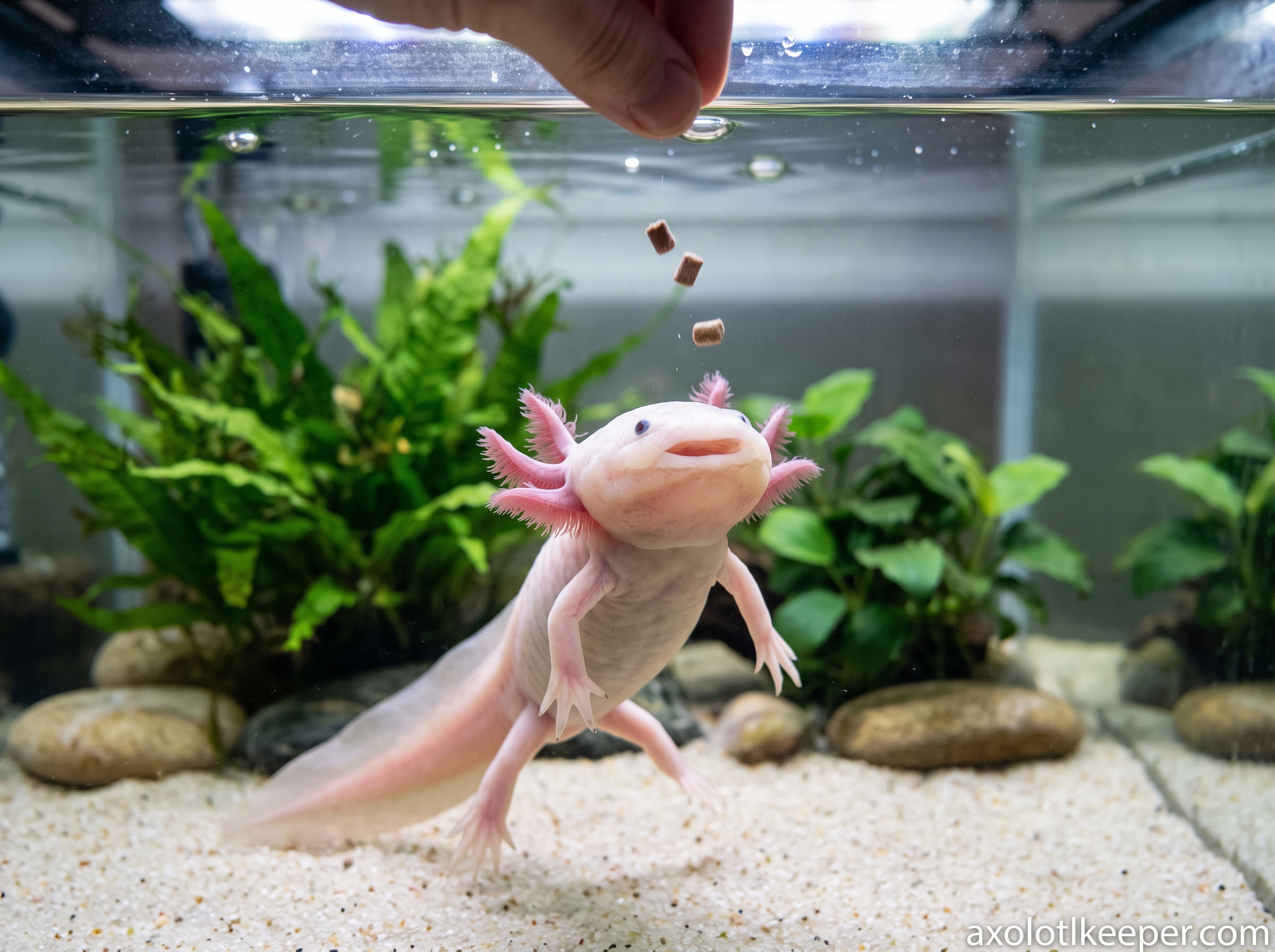
Pay attention to your axolotl’s behavior during feeding times. Any sudden changes in appetite or response may indicate health issues. If your axolotl becomes disinterested in food or shows signs of stress, it may be time to consult a veterinarian. Regular observation will help you catch potential problems early and ensure your pet remains healthy. Behavioral changes can be subtle, so being attentive to their usual feeding habits is essential for detecting any anomalies.
Additionally, keeping a feeding log can also be helpful. Documenting the types of food offered, portion sizes, and any notable changes in behavior can provide valuable insights into their health and preferences. This information can be beneficial when discussing your axolotl’s care with a veterinarian, allowing for tailored advice based on your observations. By being vigilant and proactive, you can ensure that your axolotl’s feeding experiences are positive and conducive to their overall well-being.
Fascinating Facts about Axolotls and Feeding
Beyond their unique feeding behaviors, axolotls have several intriguing characteristics that further enhance their appeal. Understanding these facts can deepen our appreciation of these remarkable creatures and their feeding habits. Axolotls are not just fascinating due to their appearance and regenerative abilities; their feeding habits also reflect their evolution and adaptation to their environment.
📖 Read also: Discover How Axolotls Change Color Over Time: A Fascinating Journey
Regeneration and Feeding
One of the most fascinating aspects of axolotls is their ability to regenerate lost body parts. This remarkable trait extends even to their mouths. If an axolotl loses a part of its jaw, it can regrow it, which may impact its feeding abilities temporarily. Observing how they adapt during this process can be quite enlightening. During the regrowth phase, axolotls may exhibit different feeding behaviors as they adjust to their changing anatomy, which can be a crucial period for them.
Moreover, this ability to regenerate has implications for their feeding habits in the wild. When faced with predation or injury, their capacity to regrow parts enables them to recover and resume feeding without significant long-term effects. This resilience is a key factor in their survival in their natural habitat. Understanding this aspect of their biology not only highlights their uniqueness but also emphasizes the importance of proper care during their recovery periods in captivity.
Social Interactions during Feeding
Axolotls are generally solitary creatures, but they can exhibit social behavior during feeding times in a shared environment. They may compete for food, showcasing their natural instincts and behaviors. Watching their interactions can provide insights into their social dynamics, even if they are not pack animals. If multiple axolotls are present in the same tank, competition can sometimes lead to aggressive behaviors, especially if food is limited, highlighting the importance of providing sufficient food and space for each individual.
Furthermore, social interactions can also be beneficial for younger axolotls. Observing older axolotls during feeding can provide learning opportunities for juveniles, as they mimic the feeding techniques and behaviors. This imitative behavior can enhance their chances of survival in the wild, where learning from others can be crucial. Understanding these dynamics can help caretakers create a more enriching environment for their axolotls, promoting healthy social interactions when appropriate.
Impact of Stress on Feeding
Stress can significantly affect an axolotl’s feeding response. Factors such as water quality, tank mates, and environmental disturbances can lead to stress, causing a decrease in appetite. Understanding the signs of stress and how to alleviate them can ensure a healthier feeding experience for your axolotl. Common stress indicators include erratic swimming, hiding, and changes in color. Maintaining optimal water conditions and providing a stable environment can mitigate stress levels.
Moreover, the introduction of new tank mates or changes in the tank setup can also create stress. Gradually acclimating axolotls to new environments or companions can help reduce anxiety. Recognizing that stress can have a profound impact on their feeding habits is essential for caretakers. By ensuring a calm and clean environment, you can promote healthy feeding behaviors and overall well-being in your axolotl.
Conclusion: The Enigmatic Feeding Responses of Axolotls
In conclusion, understanding how axolotls respond to feeding time allows us to appreciate their unique behaviors and needs as aquatic pets. From their keen sense of smell to their enthusiastic reactions, every aspect of their feeding behavior tells us more about their natural instincts and health. By creating a consistent feeding routine and being aware of the factors that influence their responses, we can ensure that our axolotls thrive and remain happy.
As we continue to explore the world of axolotls, let us not forget the importance of providing them with the best care possible. Their feeding responses are not just a reflection of their hunger but also a window into their overall well-being. By observing their behaviors and adapting our care practices accordingly, we can create a nurturing environment that supports their health and happiness.