
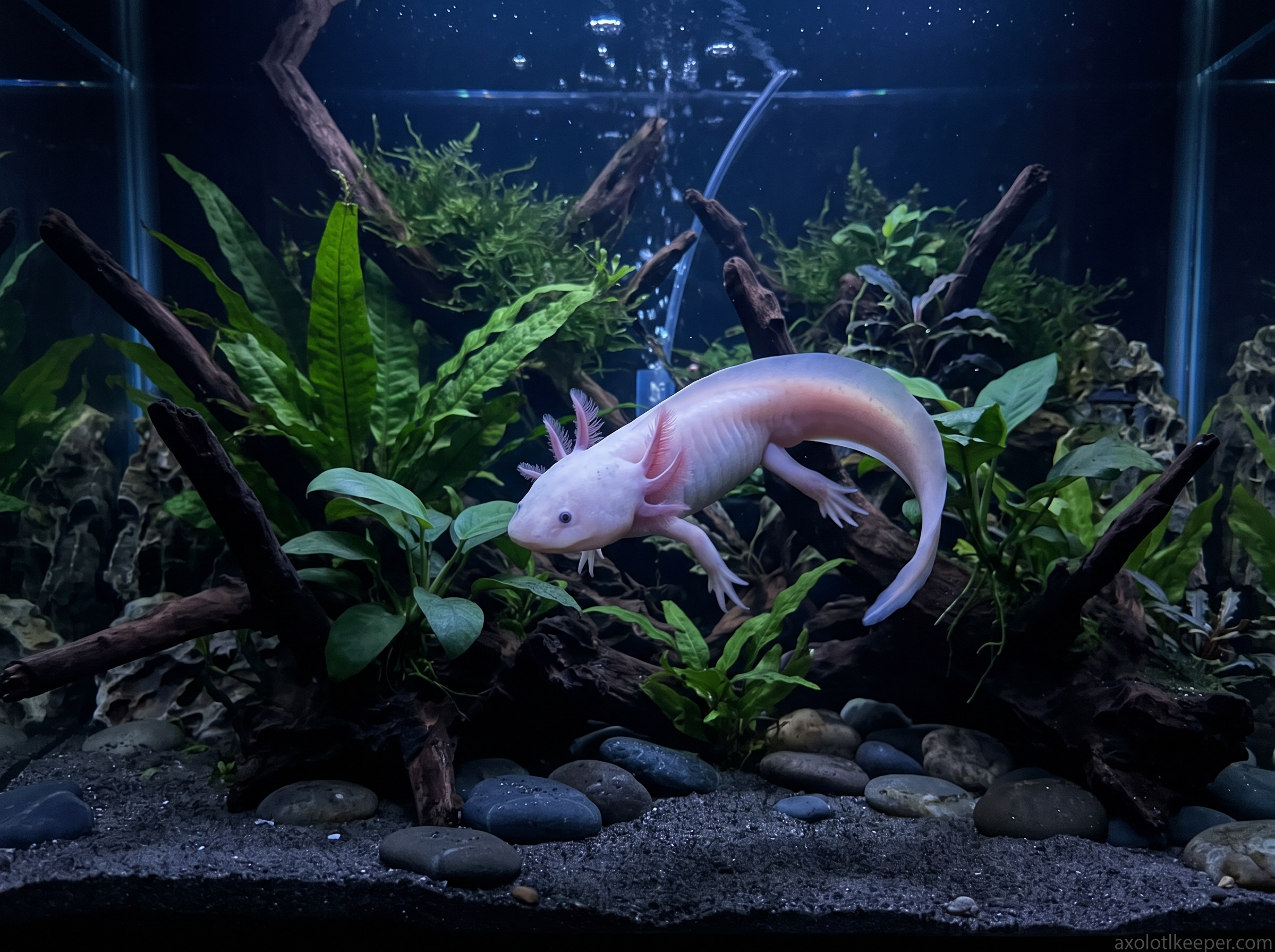
Axolotls, the fascinating amphibians known for their regenerative abilities, have a unique lifestyle that intrigues many. One of the most interesting aspects of these creatures is their nocturnal behavior. This article delves into why axolotls are more active at night, the implications of their nighttime activities, and what this means for their care in captivity. Understanding their habits can help aquarists provide a better environment for these remarkable animals.
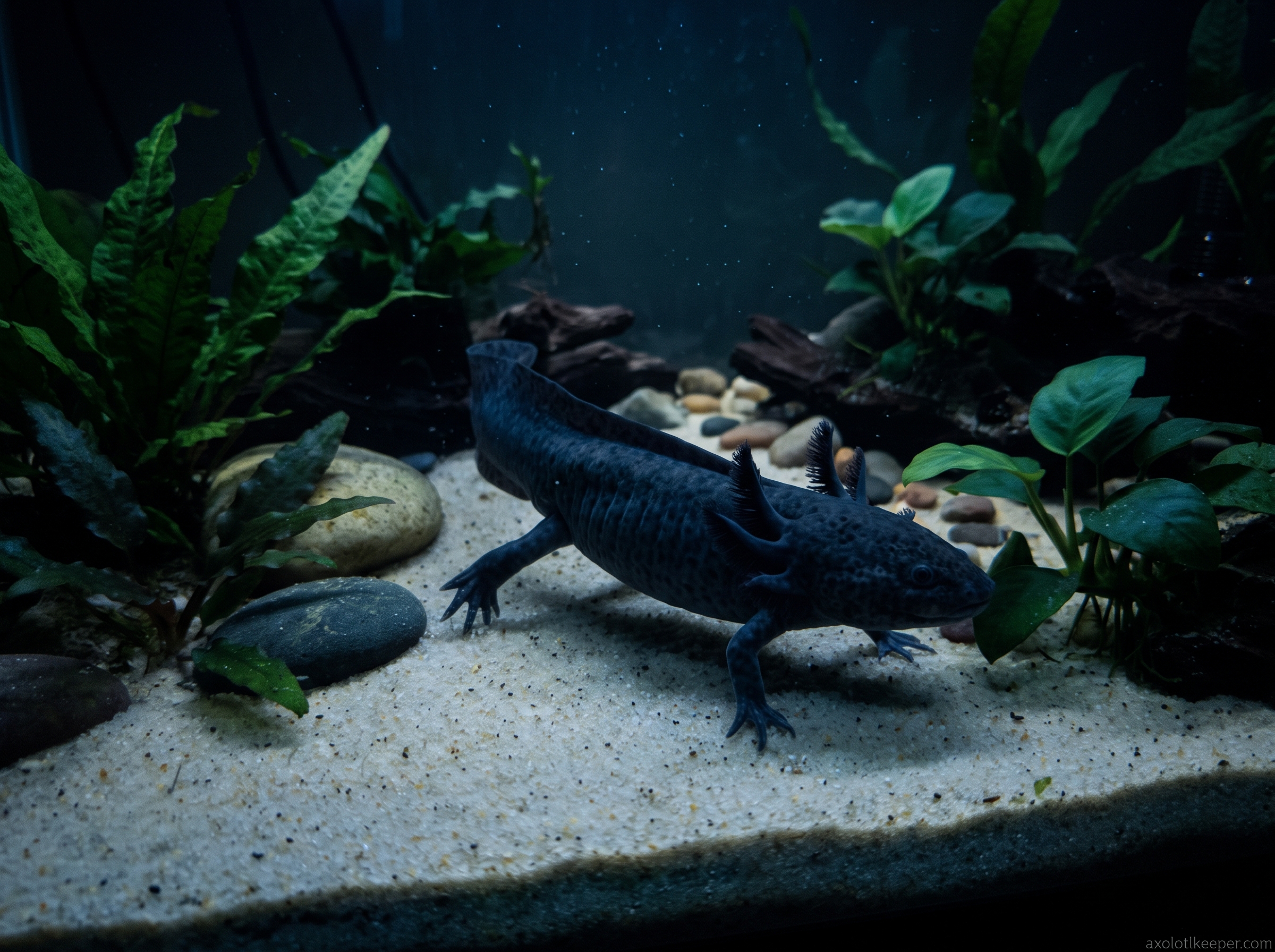
The Nocturnal Nature of Axolotls
Axolotls are primarily nocturnal, meaning they are most active during the night. This behavior is not just a random trait; it is a survival mechanism evolved over time. Being active at night allows axolotls to avoid predators and take advantage of cooler water temperatures, which are crucial for their well-being. Unlike many fish that thrive in daylight, axolotls prefer the calm and quiet of the night to hunt and explore their surroundings.
In their natural habitat, which includes the lakes of Xochimilco near Mexico City, axolotls face various threats during the day. By being nocturnal, they reduce their exposure to potential dangers. This adaptation is essential for their survival, especially considering their vulnerable status in the wild. For example, diurnal predators such as birds and larger fish pose significant threats. By emerging at night, axolotls can utilize their environment more effectively without the constant fear of being hunted.
For pet owners and aquarists, recognizing this behavior is vital. It means that during the day, axolotls may appear sluggish or inactive, leading to misconceptions about their health. Understanding their nocturnal habits can help owners create a more suitable environment that caters to their natural instincts. Providing a dark environment during the day can prevent stress and encourage more natural behaviors during their active hours.
Advantages of Nocturnal Activity
There are several advantages to being active at night, particularly for axolotls. These benefits extend beyond simple predator evasion and can enhance their overall health and well-being. Understanding these advantages can provide insights into how best to care for these unique creatures.
Temperature Regulation
Axolotls are ectothermic creatures, meaning their body temperature is regulated by their environment. Warmer water temperatures during the day can be stressful for them. By being active at night, they can exploit cooler temperatures, which helps maintain their metabolic rates and overall health. Studies have shown that elevated temperatures can lead to stress responses in axolotls, making nocturnal behavior a crucial aspect of their survival strategy.
The cooler night temperatures allow axolotls to conserve energy, which is essential for their growth and development. In the wild, these temperature fluctuations can significantly affect their feeding patterns and metabolic functions. Keeping their environment cooler during the day, perhaps by using shading or cool water circulation, can mirror these natural conditions and promote healthier behaviors.
Reduced Competition
At night, axolotls face less competition for food. Many aquatic predators and competitors are diurnal, meaning they are active during the day. This allows axolotls to hunt for prey, such as small fish and worms, without the threat of being outcompeted. Their nocturnal feeding habits give them an edge in their natural habitat, where food resources are limited.
This reduced competition also allows axolotls to exploit different niches within their ecosystem. By being active at night, they can hunt in areas that are less frequented by other species, thus broadening their diet and enhancing their adaptability. This behavior is critical for their survival, especially in environments where food sources fluctuate seasonally.
📖 Read also: Unveiling the Secrets: How Axolotls Sleep and Their Unique Positions
Enhanced Hunting Opportunities
Nighttime provides axolotls with an advantage when hunting. Many of their prey are also less active at night, making it easier for axolotls to catch them. Their keen sense of smell and the ability to detect vibrations in the water help them locate food sources effectively in the dark. This sensory adaptation is particularly important for axolotls, as their eyesight is not as developed as their other senses.
Moreover, the low light conditions of their nocturnal environment allow axolotls to rely on their other senses. They can utilize their lateral line system, which detects water movement and pressure changes, to locate prey even in complete darkness. This ability highlights their evolutionary adaptations to thrive in low-visibility conditions, making them efficient hunters.
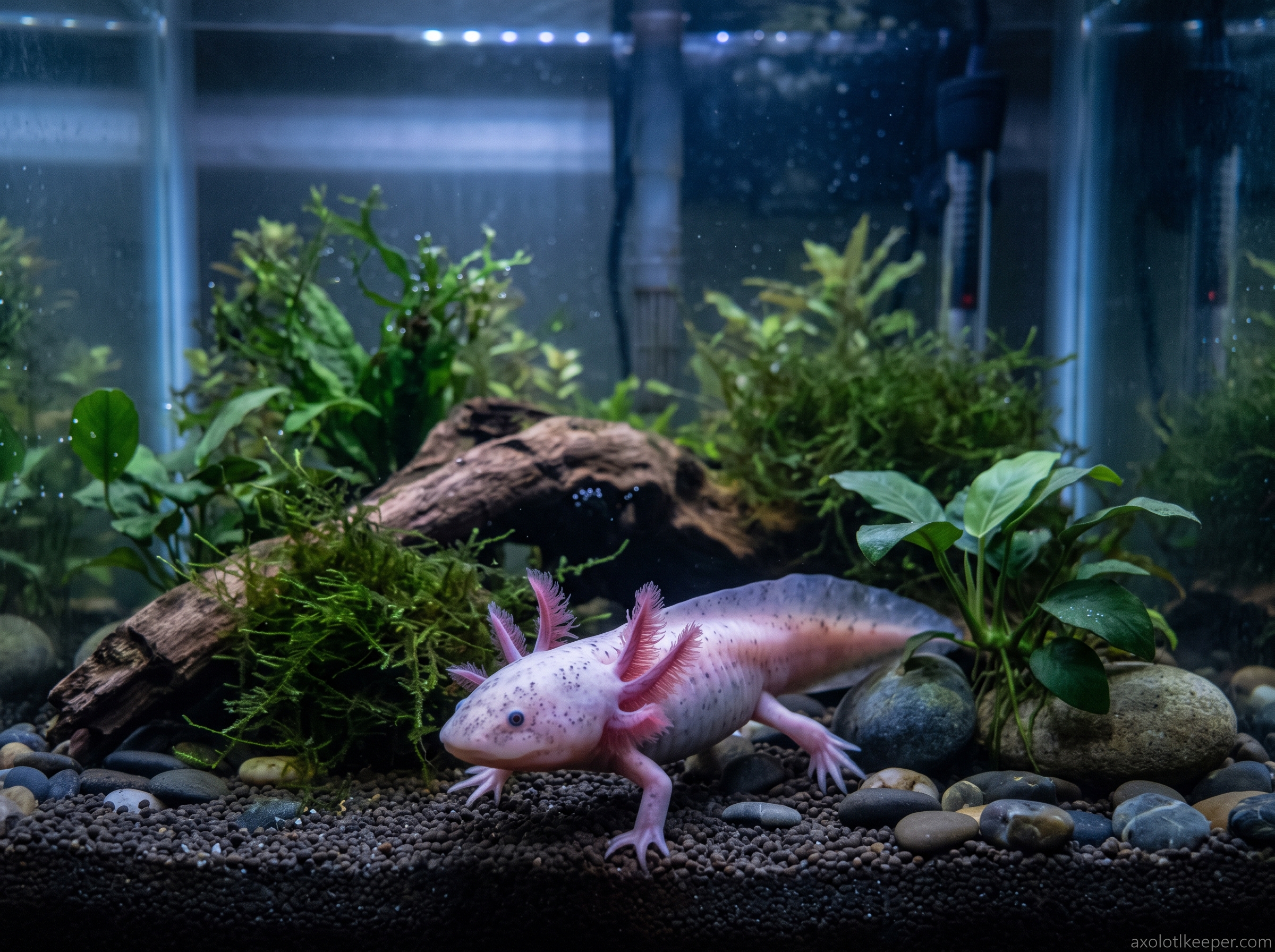
Creating a Night-Friendly Environment
For those keeping axolotls as pets, it is essential to create an environment that mimics their natural nocturnal habitat. This can significantly impact their health and behavior. Here are some tips to ensure your axolotl thrives:
Use Dim Lighting
Keeping the tank dimly lit or using blue light can simulate nighttime conditions. Bright lights can stress axolotls and disrupt their natural behaviors. Consider using timers to ensure that lights are turned off at night. Some aquarists even recommend using colored LED lights that can provide minimal illumination without disturbing the axolotls’ natural cycles.
Additionally, it is beneficial to observe the axolotls’ behavior during different lighting conditions. This can help owners determine the best lighting setup that encourages activity and reduces stress. Providing a gradual transition from light to dark can also help axolotls adjust to their environment more comfortably.
Provide Hiding Spaces
Adding plants, caves, or other hiding spots in the tank can replicate the natural environment of axolotls. These spaces give them a sense of security and places to explore during their active hours. Live plants can not only serve as hiding spots but also improve water quality by providing oxygen and absorbing harmful toxins.
Creating a complex environment with various substrates and decorations allows axolotls to exhibit more natural behaviors such as foraging and exploring. This enrichment is vital for their mental stimulation and overall well-being, leading to healthier and more active pets.
Maintain Water Quality
Consistent water quality is crucial for the health of axolotls. Regular testing and maintenance of temperature, pH levels, and ammonia levels can help create a suitable habitat for their nocturnal activities. Ensure that the water temperature remains within the ideal range to prevent stress. Axolotls thrive in water temperatures between 16 to 18 degrees Celsius, and fluctuations outside this range can lead to health issues.
📖 Read also: Unlocking the Secrets of Axolotl Tank Lids: Your Ultimate Guide
In addition to temperature, maintaining stable pH levels is essential. The ideal pH for axolotls is between 6.5 to 8.0. Regular water changes and the use of high-quality filtration systems can help maintain these parameters, ensuring a healthy environment for your axolotl.
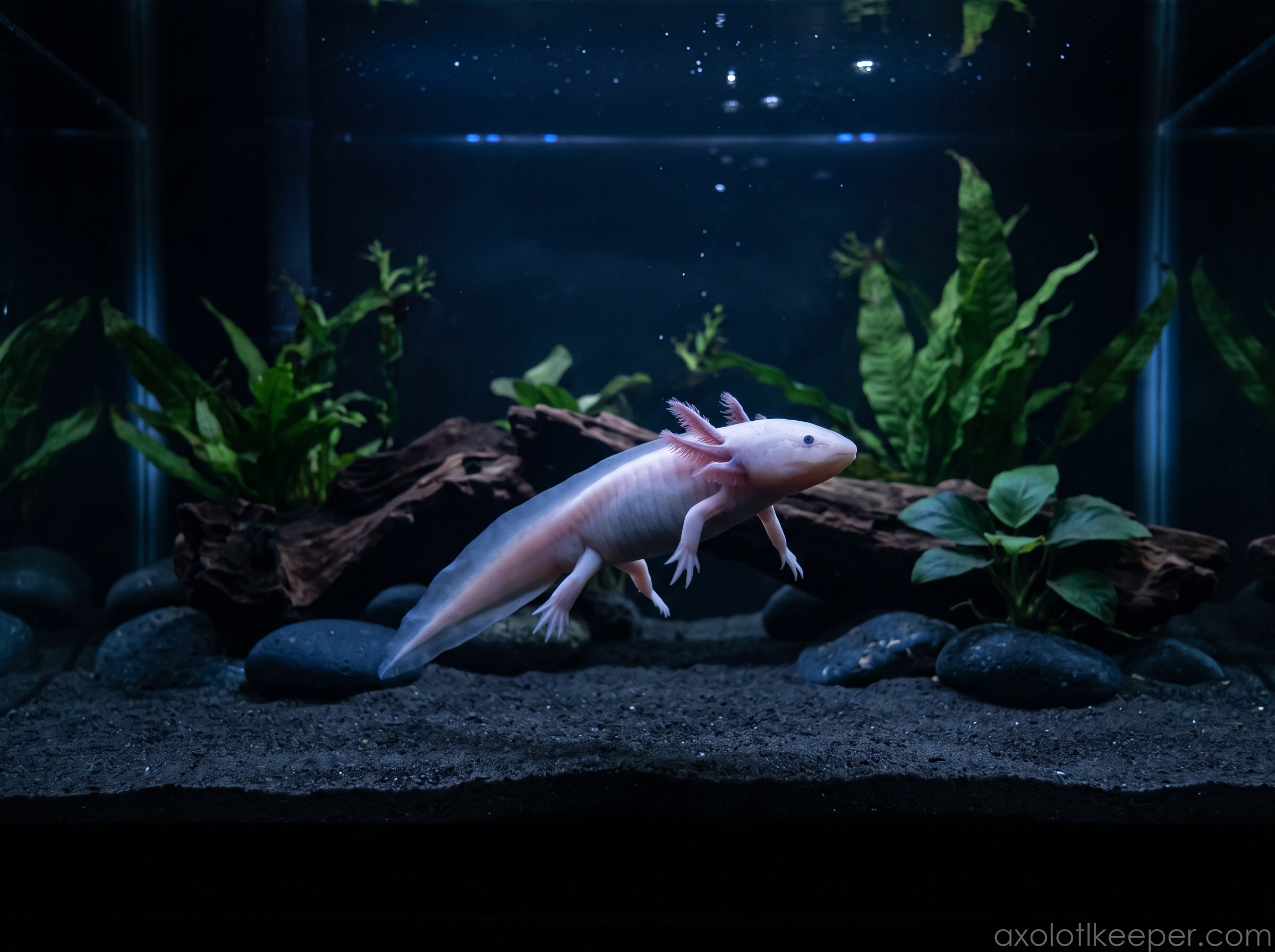
Interesting Facts About Axolotls
Axolotls are full of surprises, and their nocturnal behavior is just one of many fascinating aspects of these creatures. Here are some interesting facts that highlight their uniqueness:
- Axolotls can regenerate lost limbs, tail, and even parts of their heart and brain. This regenerative ability is a subject of extensive scientific research, with potential implications for regenerative medicine in humans.
- They never undergo metamorphosis like other amphibians, remaining in their larval form throughout their lives. This trait, known as neoteny, allows them to retain their gills and aquatic lifestyle.
- Axolotls have the ability to breathe through both their gills and skin, allowing them to adapt to different environments and oxygen levels in the water.
- These creatures have a remarkable variety of colors, including wild type, leucistic, and albino, making them popular in the pet trade. Their unique appearances contribute to their appeal and the growing interest in their conservation.
Conclusion
Understanding that axolotls are active at night is essential for their care and well-being. By creating a suitable environment that caters to their nocturnal nature, owners can enhance the quality of life for these unique amphibians. Their nighttime activities not only allow them to thrive but also showcase the incredible adaptations that have allowed them to survive in their natural habitats.
As we continue to learn about these fascinating creatures, we appreciate the importance of preserving their natural environments and ensuring their survival for future generations to admire. Conservation efforts are crucial to protect their habitats in Xochimilco and maintain the delicate balance of their ecosystem. Educating others about axolotls and their needs can contribute to a broader understanding and appreciation of these remarkable animals.
Frequently Asked Questions (FAQ)
Why are axolotls nocturnal?
Axolotls are nocturnal to avoid predators and take advantage of cooler water temperatures, which are beneficial for their health.
What do axolotls eat at night?
At night, axolotls hunt for small fish, worms, and other aquatic creatures that are less active, making it easier for them to catch prey.
How can I make my axolotl feel safe at night?
Providing hiding spaces, such as plants and caves, can help axolotls feel secure during their active nighttime hours.
Is it normal for axolotls to be inactive during the day?
Yes, it is normal for axolotls to be less active during the day. They are naturally nocturnal and may appear sluggish when the lights are on.