

Axolotls, the fascinating aquatic creatures known for their regenerative abilities, are also highly sensitive to their environment. One crucial aspect of their habitat is the substrate, which can significantly impact their health and well-being. As a pet owner, understanding what substrates axolotls can’t eat is essential for creating a safe and healthy environment. In this article, we will explore six substrates that axolotls should never consume, along with the reasons behind this caution.
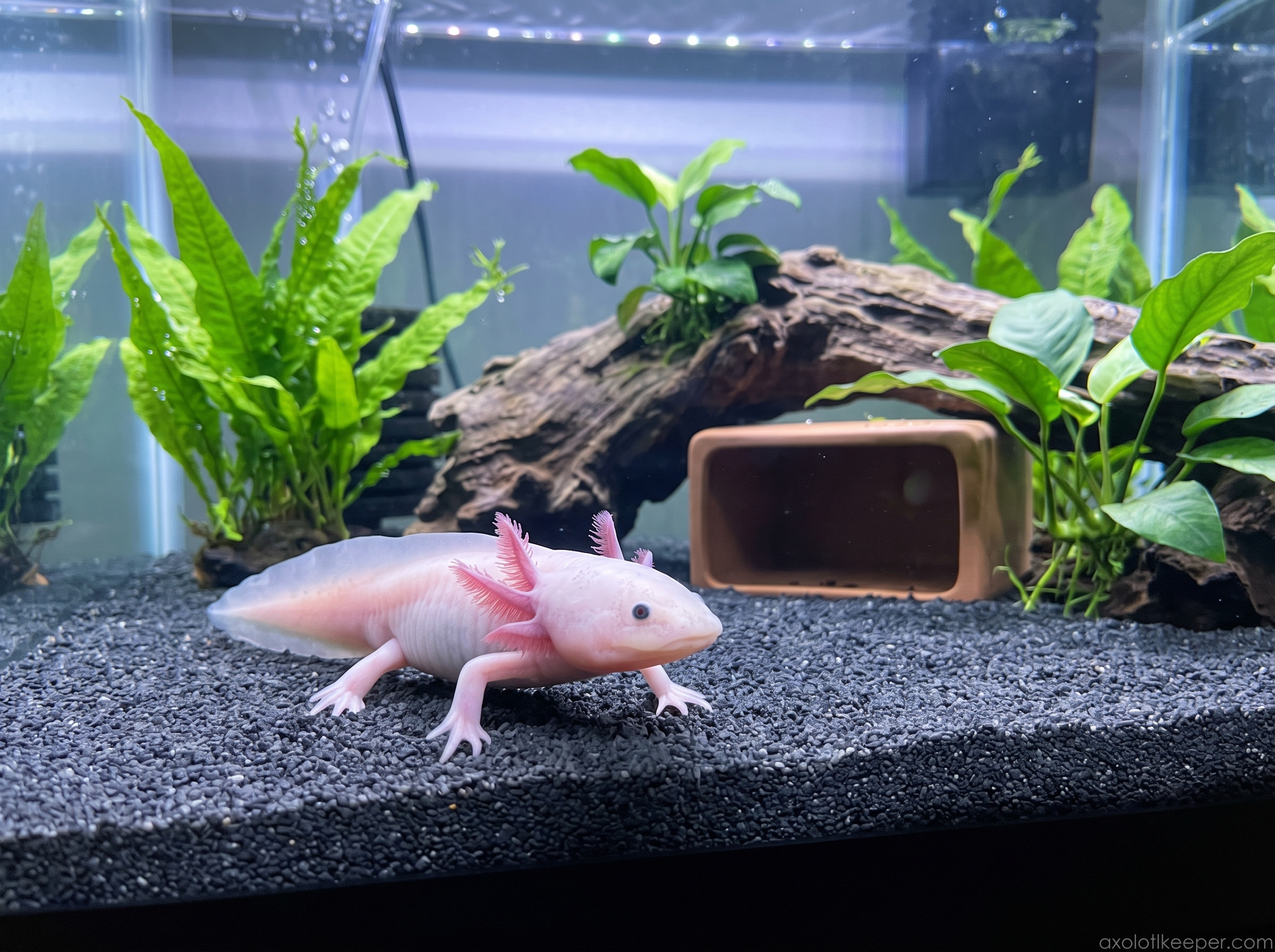
Understanding the Axolotl’s Diet and Habitat
Before diving into specific substrates, it’s important to understand what axolotls naturally eat and how their habitat influences their diet. In the wild, axolotls primarily consume small fish, worms, and other aquatic organisms. They have a unique feeding mechanism that involves sucking in food, which can lead to accidental ingestion of substrate materials. This feeding behavior necessitates a careful selection of substrate to avoid potential health risks.
Additionally, axolotls are opportunistic feeders, meaning they will consume anything that resembles food within their environment. This characteristic can inadvertently result in the ingestion of harmful substrates. Therefore, creating a controlled feeding environment is vital. A well-structured habitat not only ensures that axolotls can access their food easily but also minimizes the risk of them swallowing inappropriate materials.
Natural Environment of Axolotls
Axolotls inhabit the waterways of Xochimilco near Mexico City, where they are accustomed to a muddy, soft substrate. This natural habitat allows them to forage easily for food while minimizing the risk of ingesting harmful materials. The soft substrate aids in their locomotion and provides a safe space for them to hide from predators. Replicating a similar environment in captivity is crucial for their health.
In addition, the natural substrate in their habitat supports a diverse ecosystem of microorganisms that contribute to their overall health. These microorganisms help break down organic matter and maintain water quality, which is vital for axolotls’ survival. Thus, incorporating elements that mimic their natural habitat can lead to a more balanced and healthy tank environment.
Dietary Needs of Axolotls
Axolotls require a diet rich in protein, which they typically obtain from live or frozen foods. This diet does not include any solid substrates, emphasizing the importance of providing the right materials in their tanks. Axolotls thrive on a diet that includes earthworms, brine shrimp, and specially formulated pellets designed for amphibians. These food sources not only meet their nutritional needs but also encourage natural foraging behavior.
Using inappropriate substrates can lead to digestive issues and even death. For example, if an axolotl ingests gravel or sand while feeding, it can result in gastrointestinal blockages, which may require surgical intervention. Consequently, understanding the dietary needs of axolotls is essential for selecting safe substrates that do not pose a risk to their health.
Importance of Substrate Selection
The substrate in an axolotl’s tank should facilitate easy cleaning, not harbor harmful bacteria, and prevent accidental ingestion. Choosing the right substrate can significantly affect their health, growth, and overall well-being, making it crucial for pet owners to be informed. A well-maintained substrate not only contributes to the aesthetic of the tank but also plays a key role in the biological filtration process.
Moreover, the right substrate can promote natural behaviors in axolotls, such as burrowing and foraging, which are essential for their mental stimulation and overall happiness. Therefore, selecting an appropriate substrate is not just about safety; it’s also about enhancing the quality of life for these unique creatures.
Substrates Axolotls Can’t Eat
Now, let’s delve into the six specific substrates that axolotls cannot eat, along with the potential risks associated with each. Understanding these substrates is vital for maintaining a safe and healthy environment for your axolotl.
Gravel
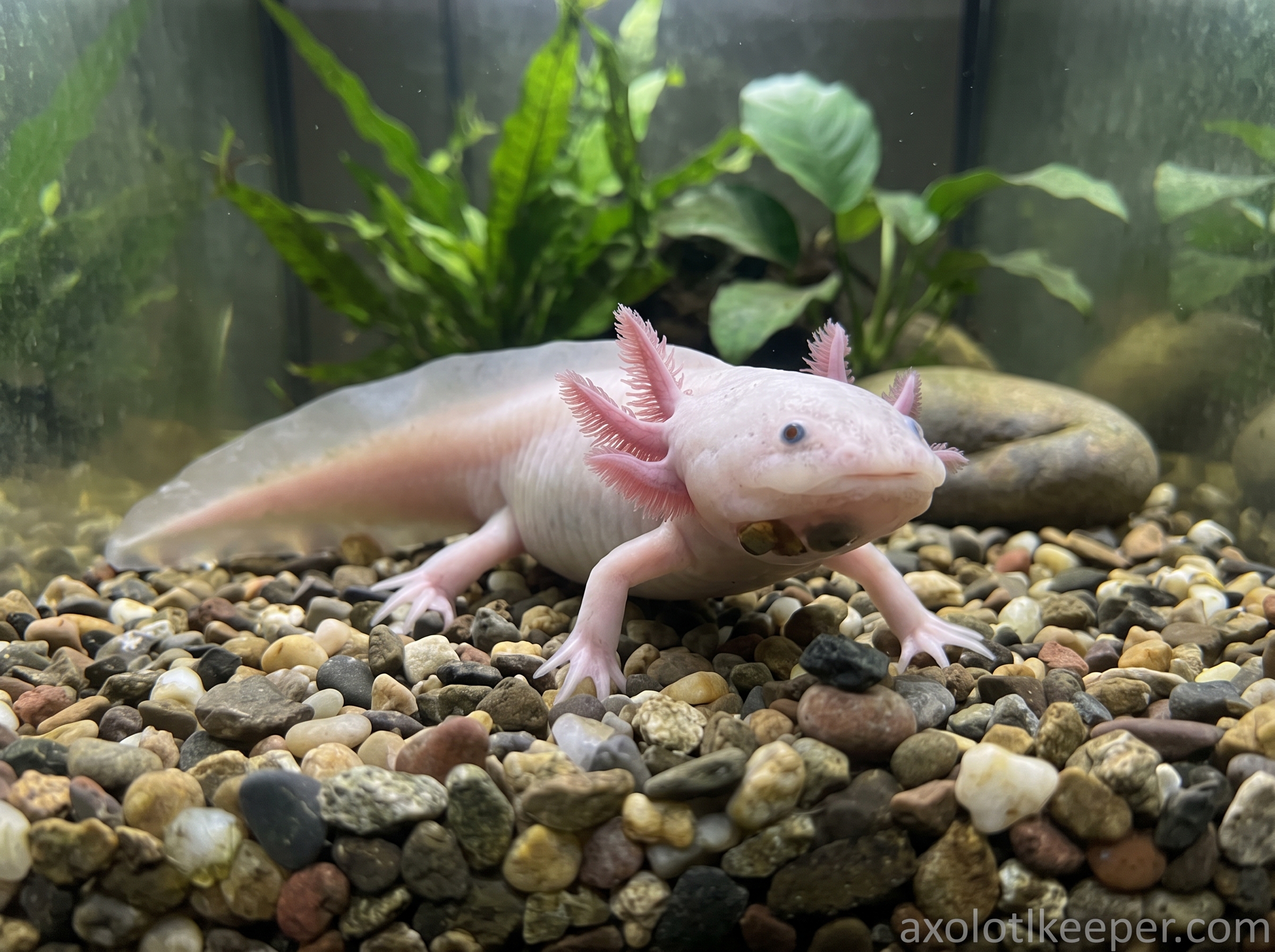
Gravel is a popular substrate choice for many aquarium enthusiasts, but it poses a significant danger for axolotls. Due to their feeding behavior, axolotls may accidentally ingest small gravel pieces, leading to gastrointestinal blockages. These blockages can be life-threatening and often require surgical intervention to resolve. The sharp edges of gravel can also cause cuts or abrasions in the mouth or digestive tract, leading to infections.
Moreover, gravel can trap uneaten food and waste, leading to poor water quality. The accumulation of organic matter can create a breeding ground for harmful bacteria, which can adversely affect the health of your axolotl. Therefore, opting for a safer substrate is crucial in preventing both physical and environmental hazards.
Sand
While sand might seem like a natural choice for aquatic environments, it can also be harmful to axolotls. Fine sand can be ingested during feeding, leading to impaction, which can be a serious medical condition requiring veterinary intervention. If the sand clumps together, it can create blockages that prevent food from passing through the digestive system.
📖 Read also: 5 Essential Reasons to Choose Axolotl Sand Substrate for Your Tank
Moreover, sand can harbor bacteria and parasites if not cleaned regularly, posing additional health risks. Over time, the accumulation of waste and organic material in the sand can lead to a decline in water quality, which can be detrimental to axolotls. Therefore, while sand may appear aesthetically pleasing, it is essential to weigh its risks against the health of your pet.
Decorative Pebbles
Decorative pebbles, often used for aesthetic purposes, can be quite hazardous. Similar to gravel, these larger stones can be accidentally swallowed, causing blockages. They also provide no nutritional value and can create sharp edges that may injure axolotls. Furthermore, the irregular shapes of decorative pebbles can be difficult to clean, leading to a buildup of waste and bacteria.
In addition to the physical risks, decorative pebbles can also alter the tank’s chemistry if they are not made from aquarium-safe materials. Some stones can leach harmful substances into the water, affecting the overall health of your axolotl. Therefore, it is vital to choose substrates that are not only safe but also contribute positively to the tank environment.
Wood Chips
Wood chips are another substrate that should be avoided. While they can provide a natural look, they can splinter and cause internal injuries if ingested. Axolotls may accidentally consume wood chips during feeding, leading to potential blockages and injuries in the digestive tract. Additionally, wood chips can decay and release harmful substances into the water, further threatening the axolotl’s health.
Moreover, as wood chips decompose, they can alter the pH level of the tank, creating an unstable environment that can stress your axolotl. Maintaining a consistent water chemistry is crucial for the health of these creatures, making the use of wood chips a risky choice.
Coconut Fiber
Coconut fiber is an organic substrate that some aquarists use, but it can be problematic for axolotls. When ingested, it can clump together in the digestive tract, leading to blockages. Furthermore, like any organic material, it can decompose and alter water quality. The breakdown of coconut fiber can release tannins into the water, which can affect the water’s clarity and quality, potentially harming your axolotl.
In addition, coconut fiber can become a breeding ground for bacteria if not properly maintained. Regular cleaning and monitoring are essential if this substrate is used, which can be a burden for many owners. Therefore, it’s crucial to consider safer alternatives that provide similar aesthetic benefits without compromising your axolotl’s health.
Plastic Substrates
Plastic substrates may seem convenient due to their easy maintenance, but they can be dangerous for axolotls. If ingested, they can cause severe health issues, including blockages and potential toxicity. Additionally, plastic substrates do not support beneficial bacteria that help maintain water quality, which is essential for the health of your axolotl.
Furthermore, plastic substrates can retain heat differently than natural substrates, leading to fluctuations in water temperature that can stress your axolotl. Maintaining a stable environment is crucial for the well-being of these creatures, making the choice of substrate particularly important. In light of these factors, it is advisable to avoid plastic substrates in favor of more natural options.
Why Choosing the Right Substrate Matters
Choosing the right substrate is not just about aesthetics; it’s about the health and safety of your axolotl. The wrong substrate can lead to serious health complications, which can be costly and distressing for both the pet and the owner. Understanding the risks associated with unsuitable substrates can help prevent accidents and ensure a thriving environment.
Moreover, the right substrate can promote natural behaviors, such as foraging and burrowing, which are essential for the psychological well-being of axolotls. A substrate that mimics their natural habitat can foster a sense of security and comfort, leading to a more active and vibrant pet.
Long-term Health Implications
Ingesting inappropriate substrates can lead to chronic health issues, including malnutrition and digestive disorders. These conditions can manifest in various ways, including lethargy, poor growth, and a weakened immune system, making it crucial to select the right substrate from the beginning. Long-term exposure to harmful substrates can also lead to a gradual decline in overall health, which may not be immediately noticeable.
📖 Read also: Unlock the Secrets: Creating the Perfect Bare Bottom Axolotl Tank
Additionally, the stress caused by an unsuitable substrate can impact an axolotl’s ability to regenerate and heal. Stress can weaken their immune response, making them more susceptible to diseases and infections. Therefore, prioritizing substrate safety is essential for the long-term health and vitality of your axolotl.
Creating a Safe Environment
By avoiding harmful substrates, you create a safer habitat that allows your axolotl to thrive. A well-maintained tank with appropriate substrate promotes natural behaviors, encourages foraging, and reduces stress, ultimately leading to a happier and healthier pet. Implementing regular maintenance routines, such as water changes and substrate cleaning, can further enhance the living conditions for your axolotl.
Moreover, creating a safe environment extends beyond substrate selection. It also involves providing adequate hiding spots, maintaining stable water parameters, and ensuring a balanced diet. By taking a holistic approach to axolotl care, you can create a thriving ecosystem that supports the health and well-being of your pet.
Enhancing Tank Aesthetics Without Risk
There are many safe substrate options that can enhance the aesthetics of your tank while posing no risk to your axolotl. Consider using soft, fine sand that is not easily ingested, or bare-bottom tanks that are easy to clean. These alternatives allow for a beautiful setup without compromising your pet’s safety. Additionally, incorporating live plants can enhance the visual appeal of the tank while also providing shelter and foraging opportunities for your axolotl.
By prioritizing safety in your substrate selection, you can create a visually stunning aquarium that reflects your care for these remarkable creatures. Ultimately, the goal is to balance aesthetics with functionality, ensuring that your axolotl’s health remains the top priority.
Conclusion: Prioritizing Axolotl Health
Understanding which substrates axolotls can’t eat is fundamental to their care. By avoiding gravel, sand, decorative pebbles, wood chips, coconut fiber, and plastic substrates, you can help ensure a safe and healthy environment for your axolotl. Prioritizing their health not only enhances their quality of life but also provides peace of mind for you as a pet owner.
In the world of axolotl care, knowledge is your best tool. Always research and choose wisely to create the best possible environment for these remarkable creatures. The right substrate choice is a significant step towards ensuring the health and happiness of your axolotl for years to come.
Frequently Asked Questions (FAQ)
What type of substrate is best for axolotls?
The best substrate for axolotls is a bare bottom tank or fine sand that minimizes the risk of ingestion.
Can axolotls eat food that falls into the substrate?
Yes, but it’s essential to monitor their feeding to prevent them from ingesting harmful substrate materials.
How often should I change the substrate in my axolotl tank?
Substrate should be changed regularly, ideally every few months, to maintain water quality and prevent bacterial growth.
Are there any safe decorative options for axolotl tanks?
Yes, consider using smooth rocks or live plants that do not pose a risk of ingestion or injury to your axolotl.