
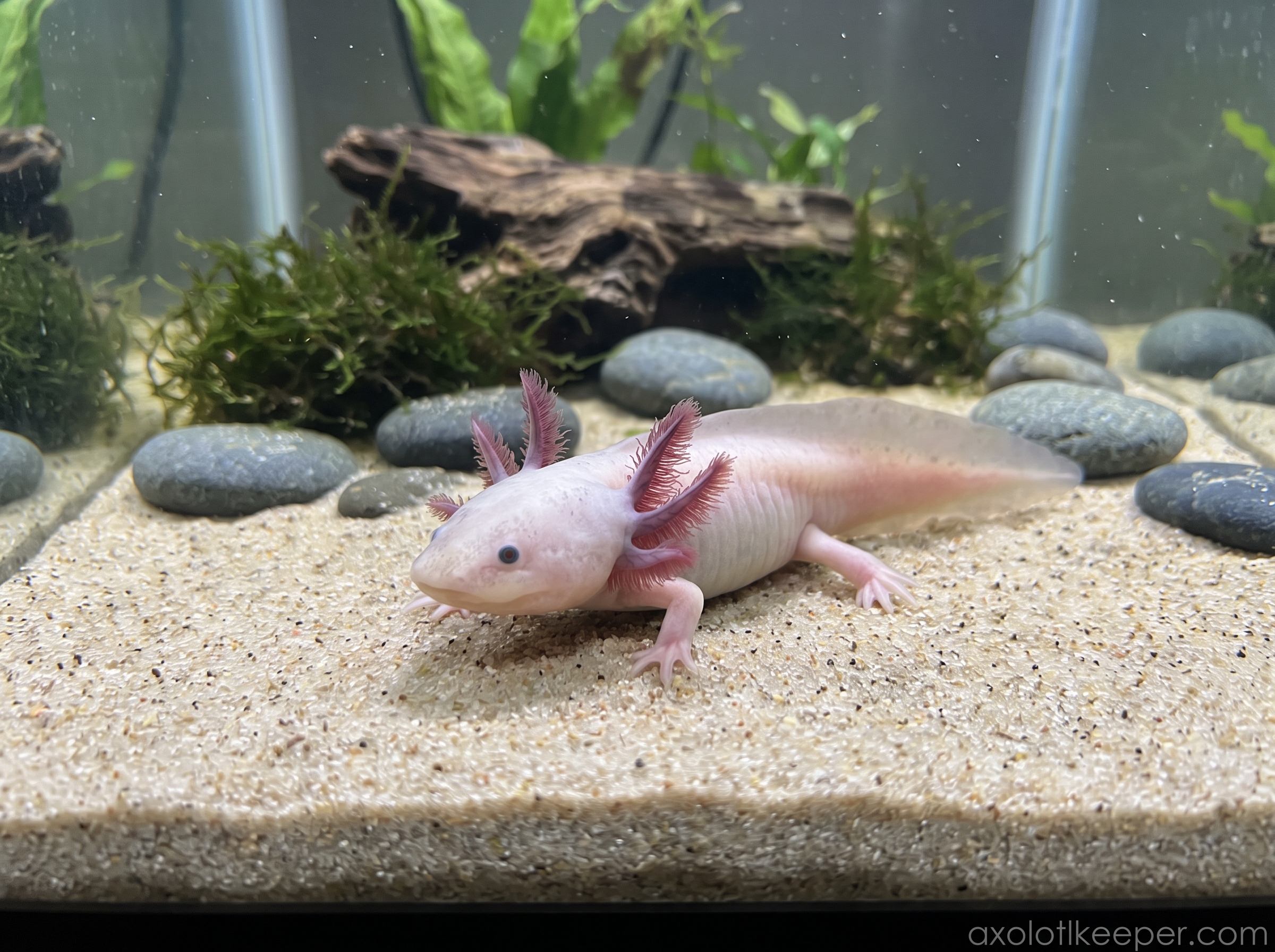
Axolotls, often referred to as “Mexican walking fish,” are fascinating amphibians known for their ability to regenerate limbs and their unique appearance. One of the crucial elements in creating a suitable habitat for these creatures is the choice of substrate. Among the various options available, axolotl sand substrate stands out for its numerous benefits. But why exactly should you consider using sand for your axolotl tank? Let’s dive into the essential reasons.
Understanding Axolotl Sand Substrate
Before discussing the reasons to use sand, it’s important to understand what axolotl sand substrate is. Unlike gravel or pebbles, sand is a fine material that provides a soft and natural environment for axolotls. This substrate mimics the axolotls’ natural habitat, which is often filled with soft sediments in the wild. Sand is not only aesthetically pleasing but also functional for the health and well-being of your axolotls. It allows them to engage in natural behaviors, such as digging and sifting, which are essential for their mental and physical health.
Moreover, the use of sand can enhance the overall visual appeal of your aquarium. The fine texture of the sand creates a serene underwater landscape, providing a backdrop that highlights the vivid colors of your axolotls. This natural look not only benefits the axolotls but also makes for an attractive display that can be enjoyed by viewers. The combination of functionality and aesthetics makes sand a compelling choice for axolotl owners.

Natural Habitat Mimicry
In their native waters of Lake Xochimilco in Mexico, axolotls live in areas with a sandy bottom. Using sand substrate in captivity helps replicate this natural environment, which can reduce stress and promote more natural behaviors. Axolotls are bottom dwellers, and they often sift through substrate to find food, so sand provides a more engaging environment for them. This mimicking of their natural habitat not only contributes to their overall well-being but can also encourage breeding behaviors, as the environment becomes more familiar to them.
Furthermore, when axolotls are housed in an environment that closely resembles their natural habitat, they tend to display more natural behaviors. This might include foraging and exploring their surroundings more thoroughly, which can also lead to a healthier lifestyle. The soft texture of the sand allows them to dig and burrow comfortably, which is an instinctual behavior that can help reduce stress levels in captivity.
Improved Water Quality
Sand can contribute to better water quality in your tank. Unlike gravel, which can trap debris and waste, sand allows for easier cleaning. You can use a siphon to remove waste without disturbing the substrate too much. This minimizes harmful bacteria growth and helps maintain a healthier environment for your axolotls. Additionally, the finer texture of sand can create a more stable environment for beneficial bacteria, which are crucial for a balanced aquarium ecosystem.
Maintaining good water quality is vital for the health of your axolotls, as poor water conditions can lead to stress and disease. Sand substrate allows for better filtration and circulation of water, promoting a healthier environment. Regular maintenance practices, such as siphoning and water changes, become more effective with sand, ensuring that your axolotls live in optimal conditions.
Safety Considerations
One of the most significant advantages of sand is that it poses fewer risks to axolotls. Larger substrates like gravel can cause injuries to their delicate gills or be accidentally ingested, leading to serious health issues. Sand, being fine and soft, reduces these risks significantly. It ensures that your axolotls can move around safely without the danger of sharp edges or choking hazards. The smooth texture of sand allows axolotls to navigate their environment comfortably, minimizing the risk of abrasions or cuts.
Furthermore, the risk of ingestion of substrate is a common concern among pet owners. With sand, if an axolotl accidentally ingests some, it is less likely to cause an impaction compared to larger substrates. This is particularly important for younger axolotls, which tend to be more curious and may ingest substrate while exploring. Overall, the safety profile of sand makes it a preferred choice for many axolotl enthusiasts.

Choosing the Right Sand for Your Axolotl
Not all sand is suitable for axolotls. When selecting a sand substrate, it’s essential to choose the right type that is both safe and beneficial. Here are some key factors to consider when making your selection.
Type of Sand
Look for aquarium-grade sand, which is specifically designed for use in fish tanks. This type is often free of harmful chemicals and is safe for aquatic life. Avoid using sand from construction sites or beach sand, as these can contain contaminants that may harm your axolotls. Aquarium-grade sand is processed to eliminate dust and sharp particles, ensuring it is safe for your pets.
Additionally, consider the impact of the sand’s origin on your axolotls. Some sands may include additives or impurities that could leach into the water and affect the health of your axolotls. Using high-quality, tested aquarium sand guarantees that you are providing a safe environment for your pets. Make sure to read labels and conduct research to find reputable brands that prioritize the health of aquatic life.
📖 Read also: The Ultimate Guide to Choosing the Best Substrate for Your Axolotl Tank
Granule Size
The granule size of the sand is critical. A fine-grained sand is ideal because it allows for easy digging and sifting. Larger granules can be uncomfortable for axolotls and may cause irritation or injury to their skin and gills. Ensure that the sand you choose is soft and smooth to facilitate a comfortable environment. Fine sand also allows for better water flow and filtration, which is essential for maintaining a healthy tank.
When selecting sand, consider how it interacts with your tank’s filtration system. Fine sand can sometimes clog filters if not maintained properly, so ensure you have a good cleaning routine in place. Regular monitoring of the tank’s water quality can help you address any issues arising from the substrate, ensuring your axolotls remain healthy and happy.
Color and Aesthetics
While the color of the sand may not directly impact the health of your axolotls, it can affect the overall look of your aquarium. Natural colors like beige or light brown can help create a serene and realistic environment. Additionally, consider how the color of the sand contrasts with your axolotl’s coloration to enhance visual appeal. A well-chosen sand color can make your axolotls stand out, allowing their vibrant colors to shine.
Moreover, aesthetics play an important role in the enjoyment of your aquarium. A visually pleasing setup can enhance your experience as an aquarist, making it more rewarding to maintain and observe. Experimenting with different sand colors in small areas can help you decide what looks best in your aquarium before committing to a full substrate change.

Maintenance of Axolotl Sand Substrate
Maintaining sand substrate in your axolotl tank is relatively straightforward, but it does require some specific practices to ensure a clean and healthy environment. Understanding these maintenance techniques can significantly enhance the longevity of your substrate and the overall well-being of your axolotls.
Regular Cleaning
To keep the sand clean, perform regular siphoning to remove uneaten food and waste. Using a gravel vacuum can help, but it’s essential to do this gently to avoid stirring up the sand too much. A gentle approach will help maintain the beneficial bacteria that contribute to a healthy ecosystem. Regular cleaning not only keeps the tank looking good but also prevents the buildup of harmful substances that could affect the health of your axolotls.
In addition to siphoning, consider using a fine mesh net to skim the surface of the sand occasionally. This will help remove any visible debris or waste that may not be easily suctioned away. Establishing a regular cleaning schedule will help you stay on top of maintenance tasks and ensure that your axolotls have a clean and safe environment.
Water Changes
Frequent water changes are crucial in any aquaristic setup, especially with sand substrate, as it can accumulate organic matter over time. Aim to change 20-30% of the water weekly to keep parameters stable and reduce pollutants. This practice will help ensure your axolotls thrive in a clean environment. Consistent water changes play a vital role in maintaining the overall health of the tank and its inhabitants.
When performing water changes, remember to treat any new water with a dechlorinator to remove harmful chemicals that could affect your axolotls. Using a water conditioner every time you change the water helps ensure that the new water is safe and suitable for your pets. Keeping a detailed log of water changes and tests can help you track the health of your aquarium over time.
Monitoring Parameters
Finally, regularly monitor the water parameters such as pH, ammonia, nitrite, and nitrate levels. Sand can affect these parameters subtly, so keeping an eye on them will help you catch any issues early. A well-maintained tank leads to healthier axolotls and a more enjoyable aquarium experience. Regular testing can help you identify trends in your water quality and make necessary adjustments before issues arise.
Investing in a good water testing kit will allow you to easily monitor these parameters. Aim to test the water at least once a week during routine maintenance. Additionally, if you notice any changes in your axolotls’ behavior or health, it’s essential to test the water immediately to rule out any potential water quality issues.
📖 Read also: Unlock the Secrets: Creating the Perfect Bare Bottom Axolotl Tank

Common Myths About Axolotl Sand Substrate
As with many aspects of pet care, there are several myths surrounding the use of sand substrate for axolotls. Let’s debunk some of the most common misconceptions that can lead to confusion among owners.
Myth: Sand Causes Impaction
One widespread myth is that using sand leads to impaction in axolotls. While it’s true that any substrate can be ingested, sand poses a significantly lower risk compared to gravel. When properly maintained and if the axolotl is fed appropriately, the risk of impaction is minimal. This is particularly relevant for axolotls that are provided with a balanced diet and are not overly curious about their substrate.
Additionally, proper feeding techniques, such as feeding in a designated area away from the substrate, can further reduce the chances of ingestion. Educating yourself about the feeding habits of axolotls will help you create a safe feeding environment, mitigating the risk of any dietary issues related to substrate ingestion.
Myth: Sand is Harder to Clean
Another misconception is that sand is more challenging to clean than gravel. In reality, sand can be easier to maintain since it doesn’t trap debris as gravel does. With the right cleaning techniques, sand can provide a cleaner environment for your axolotls. The ability to siphon waste effectively without disturbing the substrate too much is a significant advantage of using sand.
Furthermore, since sand does not have the same crevices and spaces that gravel does, it is less likely to harbor harmful bacteria and waste. This makes the cleaning process more efficient, allowing you to keep your tank in optimal condition with minimal effort. Consistent maintenance and utilizing suitable cleaning tools are key to keeping your sand substrate clean and healthy.
Myth: All Types of Sand are Safe
Not all sand is created equal. Some may contain harmful substances or be too coarse for axolotls. It’s essential to choose high-quality aquarium sand to avoid any adverse effects on your pets. Always do your research before making a selection. While it may be tempting to use inexpensive or readily available sand, the potential risks may outweigh the benefits.
Look for sand that is specifically labeled for aquarium use and comes from reputable suppliers. Prioritizing the safety of your axolotls means investing in the right materials, ensuring that your pets thrive in a safe and healthy environment. Remember, the right substrate is a crucial aspect of your axolotl’s habitat and overall health.
Frequently Asked Questions (FAQ)
Is sand safe for axolotls?
Yes, when using aquarium-grade sand, it is safe for axolotls. It poses fewer risks of injury and impaction compared to larger substrates like gravel. The smooth texture and fine granules make it a suitable choice for these delicate amphibians.
How often should I clean sand substrate?
Regular cleaning is recommended, ideally through siphoning once a week, to remove debris without disturbing the sand excessively. A consistent cleaning schedule will help maintain the health of your axolotls.
What type of sand is best for axolotls?
Aquarium-grade, fine-grained sand is best. Avoid beach or construction sand, as they may contain contaminants. Choosing the right type of sand ensures a safe and healthy environment for your pets.
Can I mix sand with other substrates?
While it is possible to mix sand with other substrates, it is generally recommended to use sand alone for better maintenance and safety. Mixing substrates can complicate cleaning and may introduce risks associated with different substrate types.