
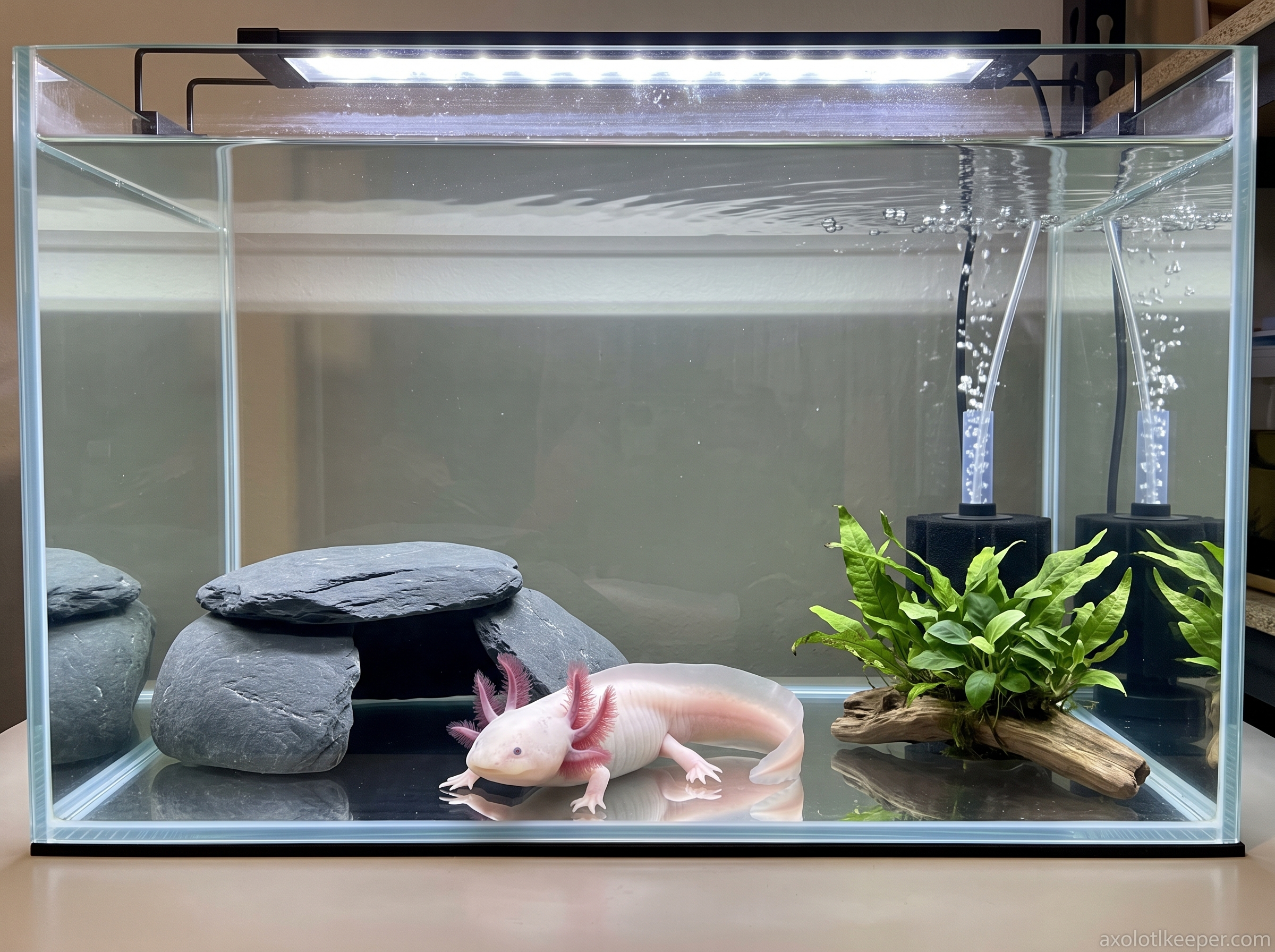
The axolotl, a unique and fascinating amphibian, has captured the hearts of many aquarium enthusiasts. One popular setup among axolotl keepers is the bare bottom axolotl tank. This type of tank eliminates substrate, making it easier to maintain water quality and visibility. However, to create an optimal environment for these creatures, there are several key factors to consider. Let’s dive into the essentials of setting up a bare bottom axolotl tank.
Many axolotl owners opt for a bare bottom tank to simplify maintenance and provide an easier way to monitor water conditions. Unlike traditional tanks with substrate, a bare bottom setup allows for efficient cleaning, reducing the risk of debris accumulation that can lead to poor water quality and health issues for your axolotl. Understanding how to create this environment can enhance your axolotl’s well-being and longevity.
In this article, we will explore seven critical tips for establishing a bare bottom axolotl tank that is not only functional but also visually appealing. From selecting the right equipment to ensuring proper tank conditions, we’ll cover everything you need to know.

Understanding the Basics of Axolotl Care
Before setting up a bare bottom axolotl tank, it’s important to understand the basic needs of your axolotl. These creatures thrive in cool, freshwater environments and can be sensitive to changes in water parameters. Maintaining a stable environment is crucial for their health. Axolotls are particularly vulnerable to temperature fluctuations and poor water quality, which can lead to stress, illness, or even death.
Axolotls require a temperature range of 60-68°F (15-20°C) and a pH level between 6.5 and 7.5. Regular monitoring of these factors will help prevent stress and disease. Additionally, axolotls are best kept in tanks with a minimum capacity of 20 gallons to allow for proper swimming space and filtration. The larger the tank, the more stable the environment will be, making it easier to maintain the ideal conditions for these delicate creatures.
When setting up your bare bottom tank, ensure that it is equipped with a reliable filtration system. A sponge filter is often recommended for axolotls as it provides effective filtration without creating strong currents that could stress these delicate creatures. Moreover, sponge filters promote the growth of beneficial bacteria that help break down waste products, contributing to a healthier tank environment.
Choosing the Right Tank Equipment
Setting up a bare bottom axolotl tank requires specific equipment to create a safe and comfortable environment. Here are some essential items to consider:
- Tank Size: A minimum of 20 gallons is recommended for a single axolotl. Larger tanks can accommodate multiple axolotls but ensure that you follow the general guideline of 10 gallons per additional axolotl. This will prevent overcrowding and reduce stress among tank mates.
- Filter: A sponge filter or a gentle canister filter is ideal for maintaining clean water without creating turbulence. It’s essential to choose a filter designed for lower flow rates to ensure that your axolotl is comfortable and not subjected to strong currents.
- Heater: Depending on your local climate, a heater may be necessary to maintain the optimal temperature range. Always use a thermometer to monitor the water temperature closely, as sudden changes can be detrimental.
- Lighting: Low-intensity lighting is best to avoid stressing your axolotl. Consider using LED lights that mimic natural daylight while being energy-efficient. It’s also advisable to provide a day/night cycle to help regulate your axolotl’s activity.
- Water Conditioner: Use a high-quality water conditioner to remove harmful chemicals from tap water before adding it to the tank. This step is crucial in preventing chlorine and chloramines from harming your axolotl.
Each of these components plays a vital role in ensuring a healthy environment for your axolotl. Be sure to invest in quality equipment to avoid potential issues down the line. Investing in reliable equipment not only enhances the health of your axolotl but also reduces the frequency of maintenance required, leading to a more enjoyable experience.
📖 Read also: 5 Essential Benefits of Using an Axolotl Tank Divider You Didn’t Know About!

Setting Up the Tank
Once you have gathered all necessary equipment, it’s time to set up your bare bottom axolotl tank. Start by rinsing the tank with warm water to remove any residues from manufacturing. Avoid using soap or chemicals, as these can harm your axolotl. After rinsing, place the tank in an appropriate location, away from direct sunlight to prevent overheating.
Install the filtration system according to the manufacturer’s instructions, ensuring that it is positioned to create gentle water movement. Fill the tank with dechlorinated water, and use a thermometer to monitor the temperature as you adjust it to the appropriate range. Keep in mind that the cycling process is crucial for establishing beneficial bacteria within the tank, which will help break down waste products.
Once the tank is filled, allow it to cycle for at least a week before introducing your axolotl. This cycling process allows beneficial bacteria to establish in the filter, helping to break down waste and maintain water quality. During this time, regularly test the water parameters to ensure everything is within the ideal range for your axolotl’s health.
Enhancing the Environment
While a bare bottom tank may seem sparse, there are plenty of ways to enhance the environment without compromising the benefits of a substrate-free setup. Adding decorations can provide hiding spots and enrichment for your axolotl. Consider introducing items like smooth rocks, driftwood, or aquatic plants, which not only beautify the tank but also offer essential cover for your axolotl.
Be sure that any decorations are free of sharp edges to prevent injury. Live plants can also improve water quality by absorbing excess nutrients and providing oxygen. However, choose low-light plants that can thrive in cooler water temperatures, such as Anubias or Java Fern. These plants not only contribute to the aesthetics of the tank but also create a more natural habitat for your axolotl.
Creating a visually appealing environment can also enhance your enjoyment of the tank. Use your creativity to design a space that reflects your style while keeping your axolotl’s needs in mind. Additionally, consider incorporating elements like caves or tunnels, which can serve as both hiding spots and enrichment activities for your axolotl.
📖 Read also: Transform Your Axolotl’s Home: 7 Stunning Tank Decoration Ideas

Regular Maintenance and Monitoring
Maintaining a bare bottom axolotl tank is straightforward but requires regular attention. Weekly water changes are essential to remove waste and maintain water quality. Aim to change 20-30% of the water weekly, using a siphon to remove debris from the bottom. This practice not only helps to keep the tank clean but also prevents the buildup of harmful toxins in the water.
In addition to water changes, regularly check the filter and clean it as needed to ensure optimal performance. Monitor water parameters, including temperature, pH, ammonia, nitrite, and nitrate levels, with aquarium test kits. These tests are vital for ensuring that the environment remains stable and suitable for your axolotl’s health.
By staying on top of maintenance, you can ensure a healthy environment for your axolotl. Regular monitoring will help you catch any potential issues before they escalate. Keeping a log of your water parameters can also be helpful in tracking changes over time and identifying any trends that may require attention.
Frequently Asked Questions (FAQ)
What are the benefits of a bare bottom axolotl tank?
A bare bottom axolotl tank simplifies cleaning and maintenance, allows for easy monitoring of water quality, and prevents the accumulation of waste that can harm your axolotl. This setup is particularly beneficial for beginners who may not yet be familiar with the intricacies of aquarium maintenance.
Can I add substrate later?
While it’s possible to add substrate later, it’s generally recommended to keep the tank bare for the first few months to establish a stable environment. If you decide to add substrate later, ensure it is a fine, smooth type that won’t pose a risk of impaction.
How often should I feed my axolotl?
Feed your axolotl 2-3 times a week, offering a diet of high-quality pellets, earthworms, or other protein-rich foods suitable for their species. It’s important to avoid overfeeding, as uneaten food can pollute the water and harm your axolotl.
Is a bare bottom tank suitable for other fish?
While a bare bottom tank can accommodate other fish, ensure that any tank mates are compatible with axolotls, as they can be territorial and may eat smaller fish. Research potential tank mates thoroughly to ensure a peaceful coexistence.