
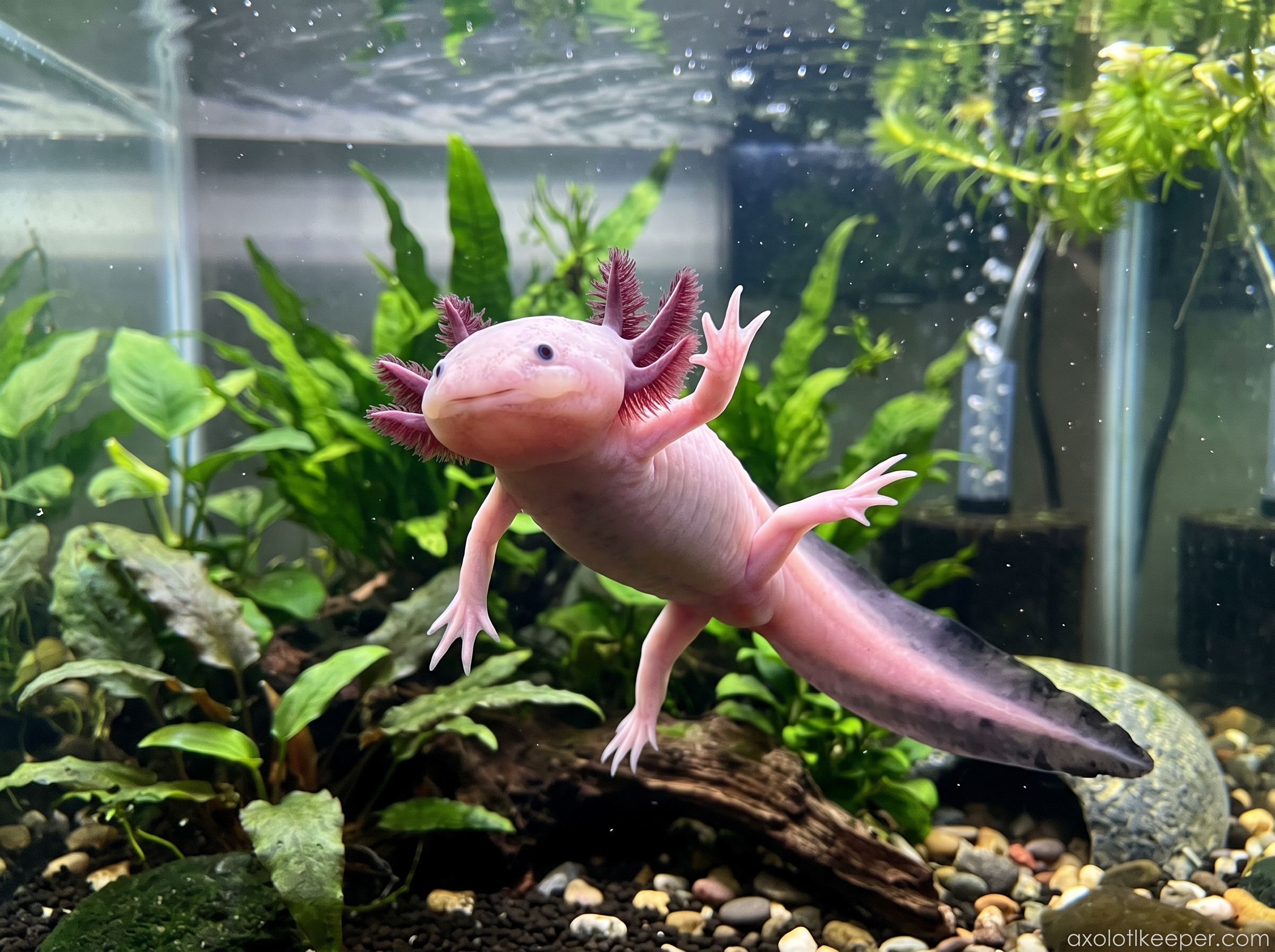
The axolotl, a unique and captivating aquatic creature, is known not only for its remarkable regenerative abilities but also for its charming behavior, particularly when it comes to its waving legs. This intriguing action has piqued the interest of scientists and pet owners alike, sparking curiosity about why these amphibians exhibit such behavior. In this article, we will delve into the reasons behind the axolotl’s waving legs, its implications for their health and well-being, and what it can teach us about these fascinating creatures.
Waving legs in axolotls is not just an adorable quirk; it serves various purposes that are essential for their survival and interaction within their aquatic environment. Understanding these behaviors can enhance our appreciation of these unique animals and improve their care in captivity. Let’s explore the various aspects of this captivating phenomenon.

Understanding Axolotl Waving Legs
Axolotls are known for their delicate and whimsical movements, one of which is their characteristic leg waving. But what exactly does this behavior signify? Waving legs can be a form of communication, a way to navigate their environment, or even a method to attract mates. Each of these aspects reveals something important about their lifestyle and biology.
Communication is key in the animal kingdom, and axolotls are no exception. Through their leg movements, they can signal to other axolotls, expressing excitement or distress. Additionally, the waving motion helps them maneuver through their aquatic habitat with grace and ease, allowing them to explore their surroundings effectively. The environment in which they live is often complex, filled with various obstacles and potential threats. Thus, their leg waving not only aids in communication but is also a practical adaptation that supports their navigation and exploration.
Moreover, during the breeding season, male axolotls may wave their legs to attract potential mates, showcasing their vitality and readiness to reproduce. This behavior is not only a spectacle but also a vital component of their reproductive strategy. By understanding these behaviors, we can enrich our knowledge of axolotls and emphasize the importance of their natural habitats, which are crucial for their survival.
Communication Through Movement
One of the primary functions of axolotl leg waving is communication. Axolotls are social creatures and engage in various forms of interaction, particularly during mating seasons. Their leg movements can indicate a range of emotions, from excitement to stress. For instance, when they feel threatened, they may wave their legs more vigorously as a way of signaling to others that they are in distress and may need assistance or protection. This form of non-verbal communication is essential in maintaining social structures within axolotl populations.
This behavior also serves as a mechanism for establishing dominance among males. By displaying their waving legs prominently, they can assert their presence in a group, making it clear that they are healthy and strong. This might deter weaker rivals and attract potential mates, thus playing a crucial role in their social dynamics. The subtle nuances in the speed and intensity of the leg movements can convey different messages, adding complexity to their interactions.
In captivity, understanding this communication method can help pet owners create a more enriching environment for their axolotls. Providing them with ample space and hiding spots can reduce stress and encourage natural behaviors, including leg waving. Additionally, observing these movements can give owners insights into the emotional states of their pets, allowing for better care and support of their well-being.
📖 Read also: The Fascinating World of Axolotls: Why They Walk on Tank Floors
Navigation and Exploration
Another significant aspect of axolotl leg waving is its role in navigation. Axolotls are often found in murky waters where visibility is limited. The waving of their legs aids them in feeling their surroundings, helping them navigate through plants and other obstacles. This tactile exploration allows them to understand their environment better and find food sources, which is critical for their survival in the wild.
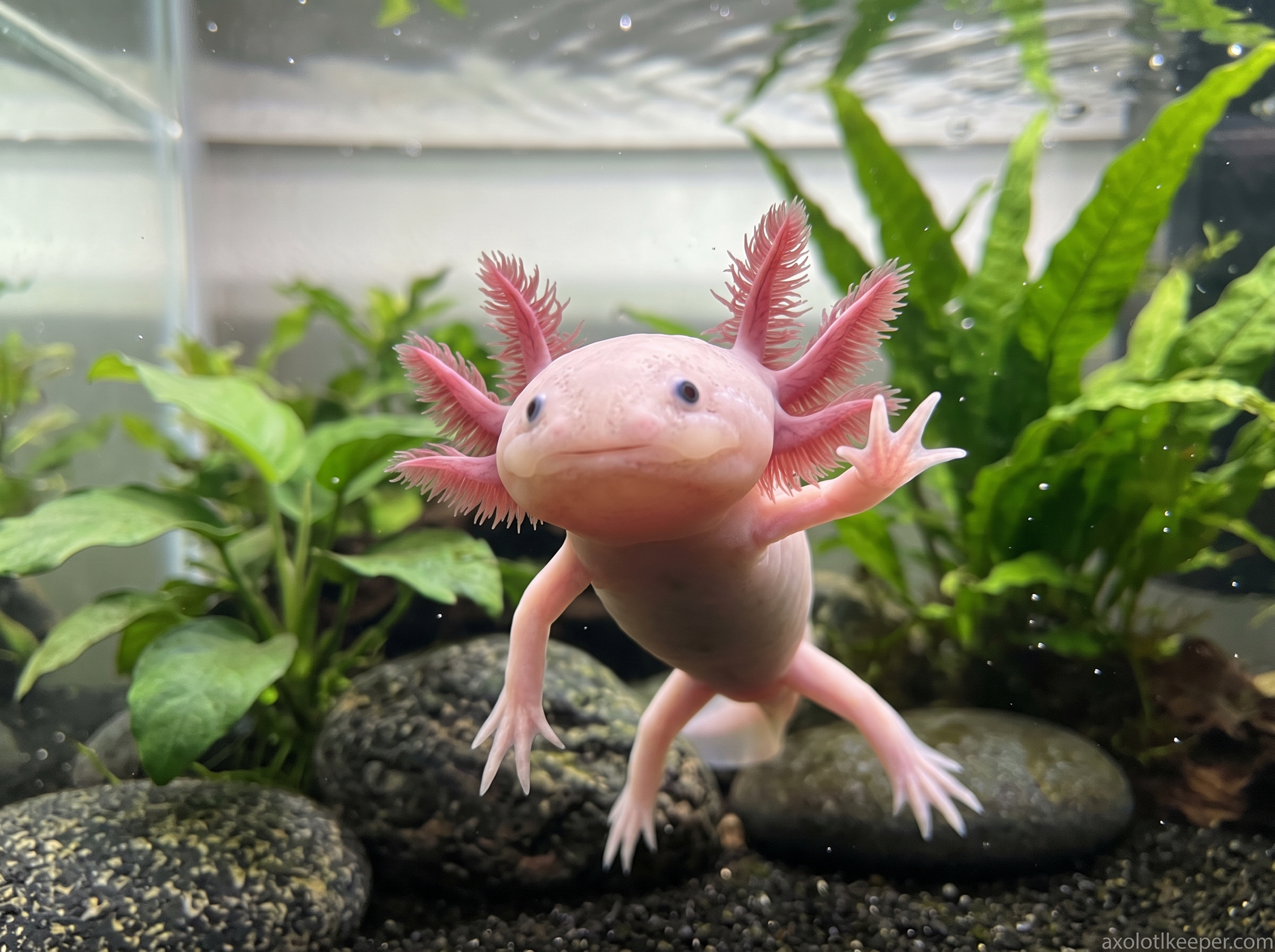
In addition to physical navigation, leg waving can also help axolotls interact with their environment more effectively. For example, they can use their legs to stir up sediment or uncover hidden prey, enhancing their foraging capabilities. This behavior highlights the adaptability of axolotls and their ability to thrive in diverse aquatic ecosystems. Their reliance on leg waving for exploration emphasizes how integral this behavior is to their daily lives.
Encouraging exploration in a captive setting is essential for their well-being. Creating a habitat with varied textures and structures can stimulate natural leg waving behaviors, promoting a healthier and more active lifestyle. Incorporating elements such as natural plants, rocks, and substrate variations can mimic their natural environment and encourage these essential behaviors.
Mating Rituals and Attraction
During mating season, male axolotls often engage in elaborate displays of leg waving to attract females. This is a crucial part of their courtship rituals, showcasing their fitness and genetic quality. The more pronounced and rhythmic the leg movements, the more appealing they may appear to potential mates. This display not only demonstrates their vitality but also serves as an indicator of their overall health and genetic robustness.
Females, in turn, may respond to these displays with their own movements, creating a fascinating dance of attraction. Such interactions can vary widely, with some females exhibiting a preference for more vigorous displays, while others may be drawn to subtler movements. The success of these mating rituals can significantly impact the reproductive success of axolotls in the wild, emphasizing the importance of these behaviors in their life cycle. The dynamics of these courtship displays reflect the complex social structures and mating strategies that exist among axolotls.
For those keeping axolotls as pets, understanding these mating behaviors can be beneficial. Providing suitable breeding conditions and recognizing the signs of mating can lead to successful breeding experiences, contributing to the conservation of this unique species. This includes ensuring that both males and females are healthy and that their environment is optimized for breeding, thus fostering a thriving population.

The Importance of Leg Waving in Axolotls
The significance of leg waving in axolotls goes beyond mere entertainment. It plays a vital role in their communication, navigation, and mating strategies. Recognizing and understanding these behaviors can enhance our ability to care for these remarkable creatures, whether in the wild or in captivity. The study of these behaviors not only enriches our understanding of axolotls but also sheds light on the broader aspects of amphibian biology and ecology.
📖 Read also: Unlocking the Secrets: Understanding Axolotl Personality Differences
Moreover, studying these behaviors can offer insights into the evolutionary adaptations of axolotls. Their unique regenerative abilities and social behaviors provide a fascinating glimpse into the complexities of amphibian life. As researchers continue to explore these aspects, we gain a deeper appreciation for the intricate relationships between behavior and survival in the animal kingdom. Understanding how these behaviors have evolved can also inform conservation strategies aimed at protecting these vulnerable species.
In an era where many species face the threat of extinction, understanding the behaviors of creatures like the axolotl is crucial. Their leg waving is not only a charming aspect of their personality but also a reminder of the delicate balance within ecosystems and the importance of conserving biodiversity. By promoting awareness and appreciation of axolotls and their unique behaviors, we can contribute to their protection and the preservation of their habitats.
Conclusion
In summary, the axolotl’s waving legs are a fascinating behavior rich with meaning. From communication and navigation to mating rituals, these movements reveal much about the life of this extraordinary amphibian. By learning more about these behaviors, we can enhance our appreciation of axolotls and contribute to their conservation efforts. So the next time you observe an axolotl, take a moment to appreciate the complexity behind those charming, waving legs!
Frequently Asked Questions (FAQ)
What does it mean when axolotls wave their legs?
Waving legs in axolotls can indicate communication, navigation, and mating behaviors. It helps them signal to others, explore their environment, and attract potential mates.
Can axolotl leg waving indicate stress?
Yes, vigorous leg waving can be a sign of stress or excitement. Understanding these signals is crucial for providing a suitable environment for axolotls.
How can I encourage natural behaviors in my pet axolotl?
Providing a varied habitat with plenty of hiding spots and structures can encourage natural leg waving and exploration behaviors in pet axolotls.
Is leg waving common in all axolotls?
Yes, leg waving is a common behavior among axolotls, although the frequency and intensity may vary based on individual personalities and environmental conditions.