
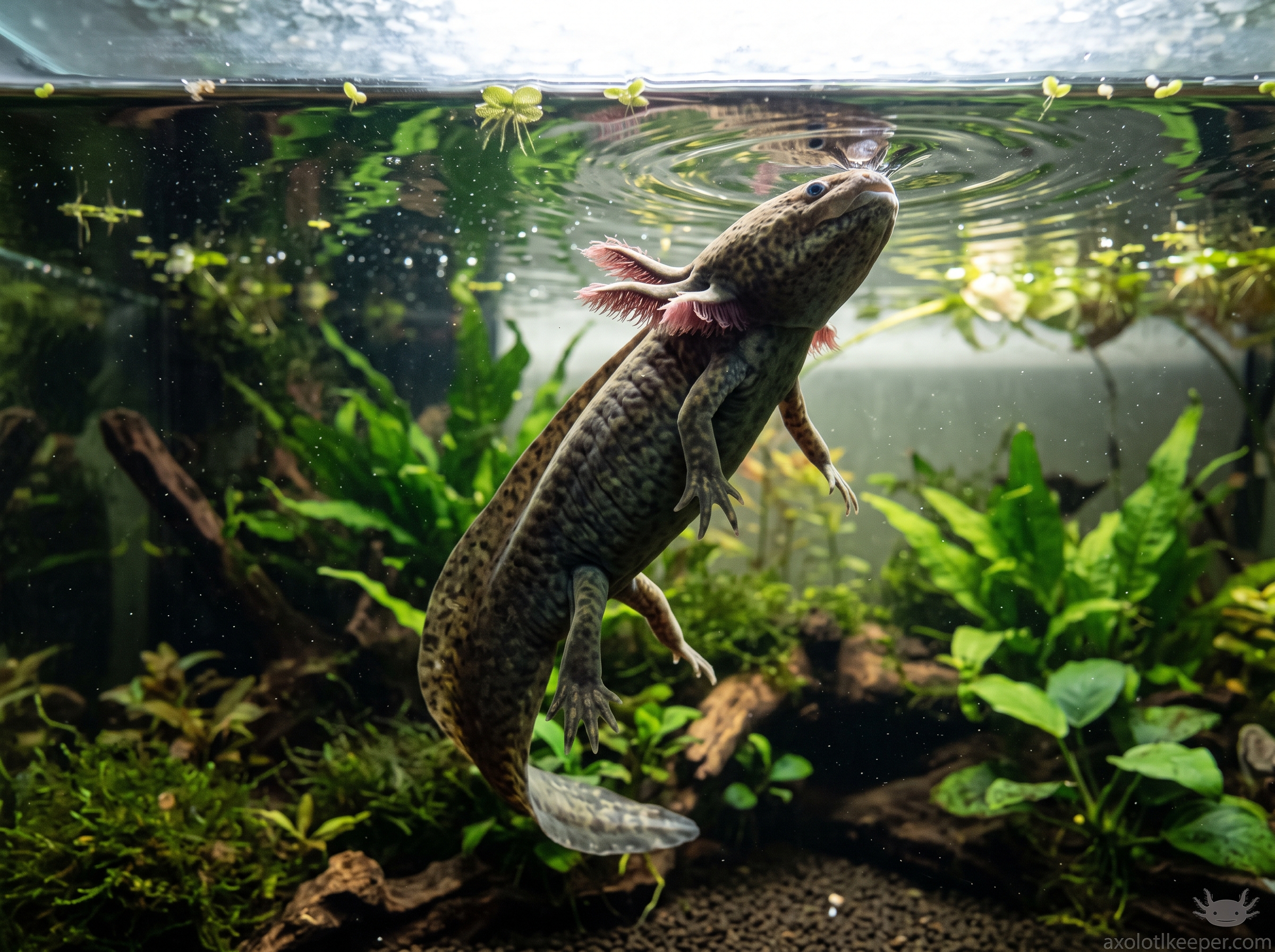
Axolotls, the enchanting aquatic creatures known for their regenerative abilities, have piqued the curiosity of researchers and enthusiasts alike. One fascinating aspect of their behavior is their tendency to swim to the surface of the water. This behavior is not merely a whimsical act; it serves essential physiological functions that are crucial for their survival. In this article, we will explore the reasons behind axolotls swimming to the surface, the significance of this behavior, and what it means for their health and habitat.
To understand why axolotls engage in this behavior, it is important to delve into their biology and natural habitat. Axolotls are a type of salamander that remains in a larval state throughout their lives, retaining their gills and aquatic lifestyle. This unique characteristic makes their need for oxygen particularly important. As we explore the intricacies of their surface swimming, we will uncover the underlying factors that drive this fascinating behavior.
In addition to discussing the biological aspects, we will also highlight some interesting facts about axolotls that enhance our understanding of these creatures. Join us as we dive into the world of axolotls and discover the reasons behind their surface swimming.

Reasons for Axolotls Swimming to the Surface
The behavior of axolotls swimming to the surface can be attributed to several key factors. Understanding these reasons is crucial for anyone interested in maintaining their health and wellbeing. Below, we will outline the primary reasons that explain this intriguing behavior.
1. Oxygen Acquisition
One of the most essential reasons axolotls swim to the surface is to obtain oxygen. While axolotls have both gills and lungs, they rely heavily on their lungs for breathing when they are in a low-oxygen environment. Swimming to the surface allows them to gulp air directly, which is vital for their survival. This behavior is particularly common when the water is stagnant or contains high levels of pollutants, reducing the oxygen available.
2. Temperature Regulation
Axolotls are ectothermic, meaning their body temperature is influenced by their environment. Swimming to the surface can help them find a more suitable temperature range. Warmer temperatures are often found at the surface, and axolotls may seek these areas to help regulate their body heat. This behavior is crucial for their metabolic processes and overall health.
📖 Read also: Unlocking the Mysteries of Axolotl Swimming Patterns
3. Social Interaction
Another interesting aspect of surface swimming is its role in social interaction. Axolotls are social creatures, and swimming to the surface can be a way to interact with other axolotls. This behavior can be observed during mating rituals or when establishing social hierarchies within a group. Understanding these social dynamics is important for those who keep axolotls in captivity.

Interesting Facts About Axolotls
Beyond their swimming behavior, axolotls are full of surprises and unique traits that make them fascinating. Here are some intriguing facts that highlight their exceptional nature:
1. Regenerative Abilities
Axolotls are renowned for their remarkable regenerative capabilities. They can regenerate not only limbs but also parts of their heart and brain. This ability has made them a subject of extensive scientific research, as scientists aim to understand the mechanisms behind their regeneration.
2. Neoteny
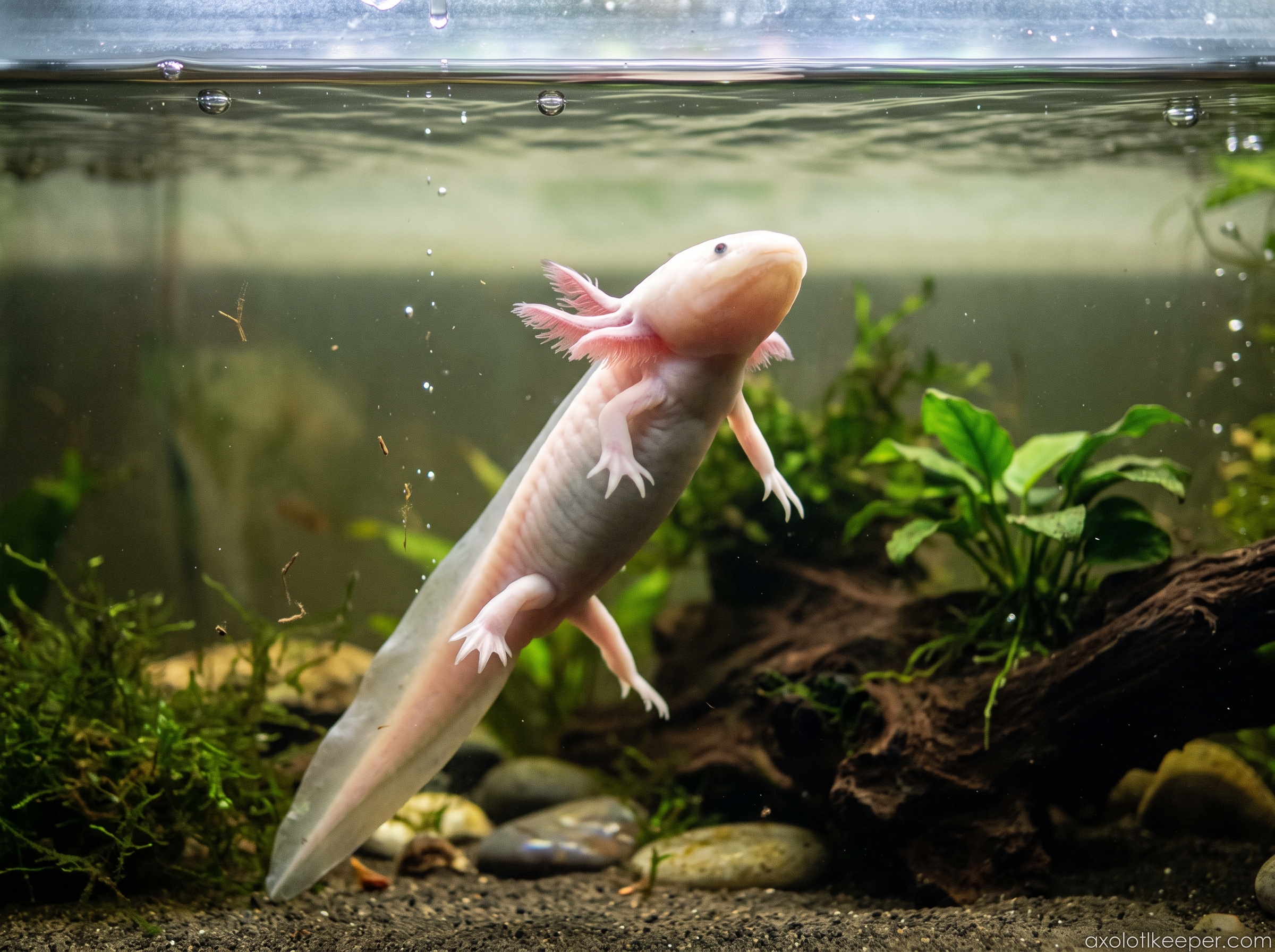
Axolotls exhibit a phenomenon known as neoteny, where they retain juvenile features into adulthood. Unlike most salamanders that undergo metamorphosis, axolotls remain in their larval form, complete with gills and a finned tail. This unique characteristic allows them to thrive in aquatic environments.
3. Endangered Status
Axolotls are critically endangered in the wild, primarily due to habitat loss and pollution. Conservation efforts are underway to protect their natural habitats and raise awareness about their plight. Understanding their behavior, including swimming to the surface, can aid in their conservation.
📖 Read also: Unlocking the Secrets: Understanding Axolotl Personality Differences
Conclusion
In conclusion, the behavior of axolotls swimming to the surface is a fascinating aspect of their biology that serves multiple purposes, from oxygen acquisition to social interaction. By understanding these behaviors, we can better appreciate these unique creatures and the challenges they face in their natural habitats. Whether you are a researcher, a pet owner, or simply an admirer of axolotls, recognizing the significance of their surface swimming can deepen your connection to these remarkable amphibians.
Frequently Asked Questions (FAQ)
What do axolotls eat?
Axolotls are carnivorous and primarily eat small fish, worms, and other aquatic invertebrates. A balanced diet is crucial for their health.
How long do axolotls live?
In captivity, axolotls can live for 10 to 15 years, while their lifespan in the wild tends to be shorter due to environmental threats.
Can axolotls regenerate limbs?
Yes, axolotls have extraordinary regenerative abilities and can regrow limbs, tails, and even parts of their organs.