
Have you ever wondered what it takes to create the perfect habitat for an axolotl? These unique aquatic creatures not only captivate with their charming appearance but also require specific tank dimensions to thrive. In this article, we will explore the essential tank dimensions for axolotls, ensuring your pet enjoys a healthy and happy life.
Understanding the right tank size is critical for the well-being of your axolotl. Unlike many other fish, axolotls have specific needs when it comes to space, as they are known for their active swimming behavior and can grow quite large. This guide will help you navigate the essential aspects of axolotl tank dimensions, including ideal sizes, water requirements, and tank setup.

Why Tank Size Matters for Axolotls
Choosing the right tank size is crucial for several reasons. Firstly, axolotls can grow to be quite large, sometimes reaching up to 12 inches in length. A cramped environment can lead to stress and health issues, such as stunted growth or even behavioral problems. Stress can make axolotls more susceptible to diseases, which can drastically shorten their lifespan. Secondly, a larger tank allows for better water quality and stability, which is vital for the aquatic life of your axolotl. More water volume means that toxins can be diluted more effectively, creating a more stable environment.
Moreover, an appropriately sized tank can help simulate the axolotl’s natural habitat, which promotes healthier behavior and reduces the risk of aggression. Axolotls are territorial creatures, and having enough space allows them to establish their own areas without feeling threatened by their tank mates. This not only enhances their overall well-being but also improves their quality of life. In summary, providing the right tank dimensions is not just about aesthetics but is fundamental for your pet’s overall health.
Minimum Recommended Tank Size
The minimum recommended tank size for a single axolotl is 20 gallons. This size provides enough space for swimming, hiding, and exploring, which are important for their mental stimulation. A larger tank encourages more natural behaviors, as axolotls are known to enjoy exploring their environment. If you plan to keep more than one axolotl, consider increasing the tank size to at least 40 gallons to accommodate their social behaviors and territorial instincts. This ensures that each axolotl has adequate space to move around without feeling cramped.
In addition to the minimum size, it’s important to think about the tank’s dimensions beyond just the gallons. A tank with longer dimensions, such as 30 inches long by 12 inches wide, will provide more horizontal swimming space than a taller tank, which can be less beneficial for axolotls. The layout of the tank can influence the axolotl’s activity levels and overall happiness, making it crucial to choose wisely.
Tank Dimensions for Multiple Axolotls
If you’re considering a multi-axolotl setup, it’s essential to understand how tank dimensions affect their interactions. A tank with dimensions of 48 inches long, 12 inches wide, and 18 inches high is often ideal for accommodating two axolotls. This setup allows them enough space to establish their territories while minimizing potential conflicts. Proper spacing not only prevents stress but also helps maintain water quality, as larger tanks are easier to keep stable than smaller ones.
When keeping multiple axolotls, it’s also a good idea to include several hiding spots and decorations. These can act as barriers that allow the axolotls to retreat when they feel threatened. For example, adding plants, caves, or other structures can provide both visual barriers and enrichment. The more complex the environment, the less likely they are to engage in aggressive behavior towards one another.
Vertical vs. Horizontal Space
When it comes to tank dimensions, horizontal space is more important than vertical space for axolotls. These creatures prefer to swim horizontally, so a long tank is much more beneficial than a tall one. Aim for a tank that is longer than it is tall, as this will provide more swimming area for your axolotl to thrive. A longer tank encourages natural swimming patterns and promotes exercise, which is essential for their health.
Additionally, while vertical space can be utilized for decorations and plants, axolotls rarely swim vertically. Therefore, a tank that prioritizes length will better suit their needs and allow them to feel secure in their environment. Keeping this in mind will help you create a suitable habitat that enhances your axolotl’s quality of life.
Water Conditions and Tank Setup
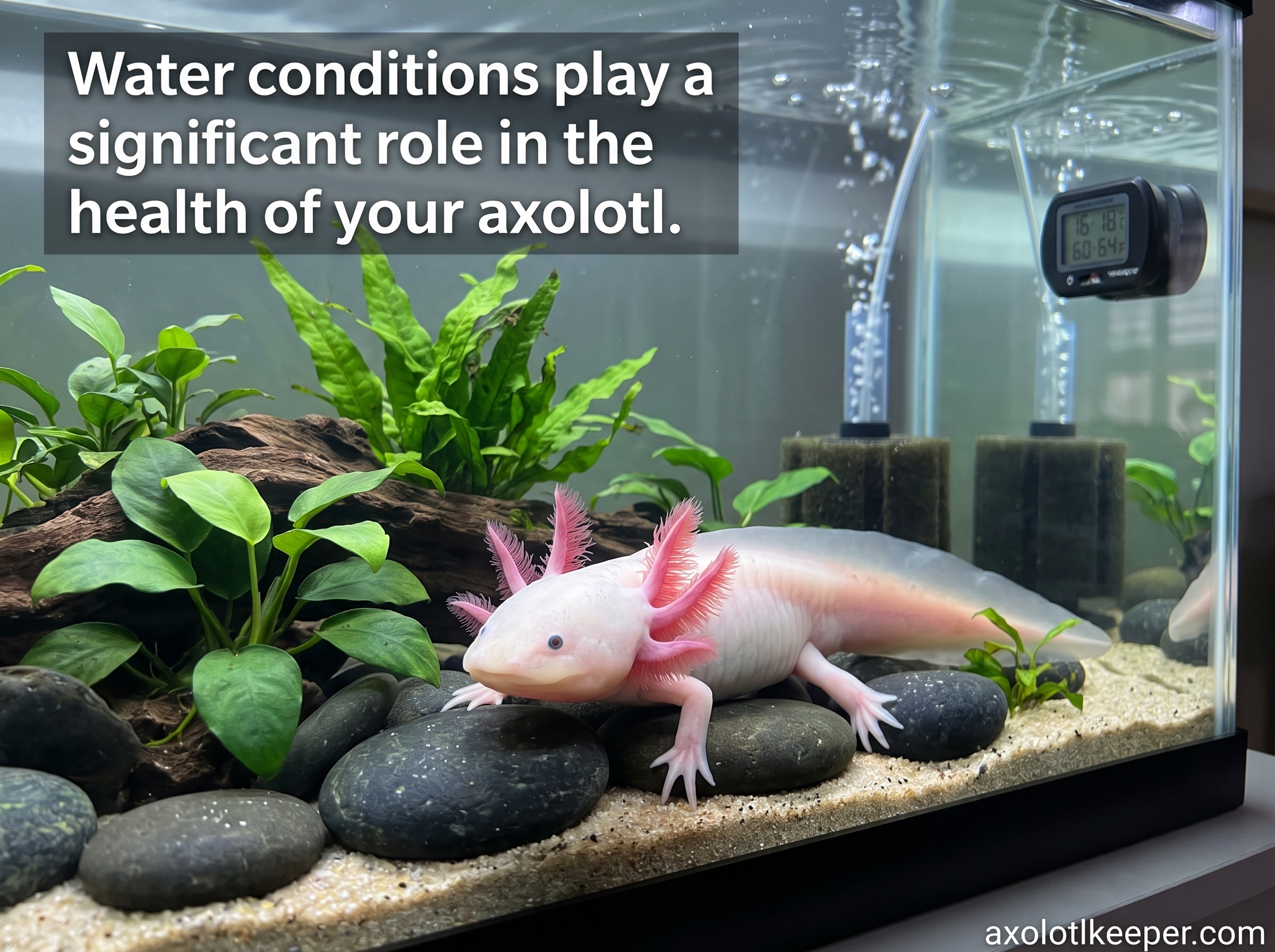
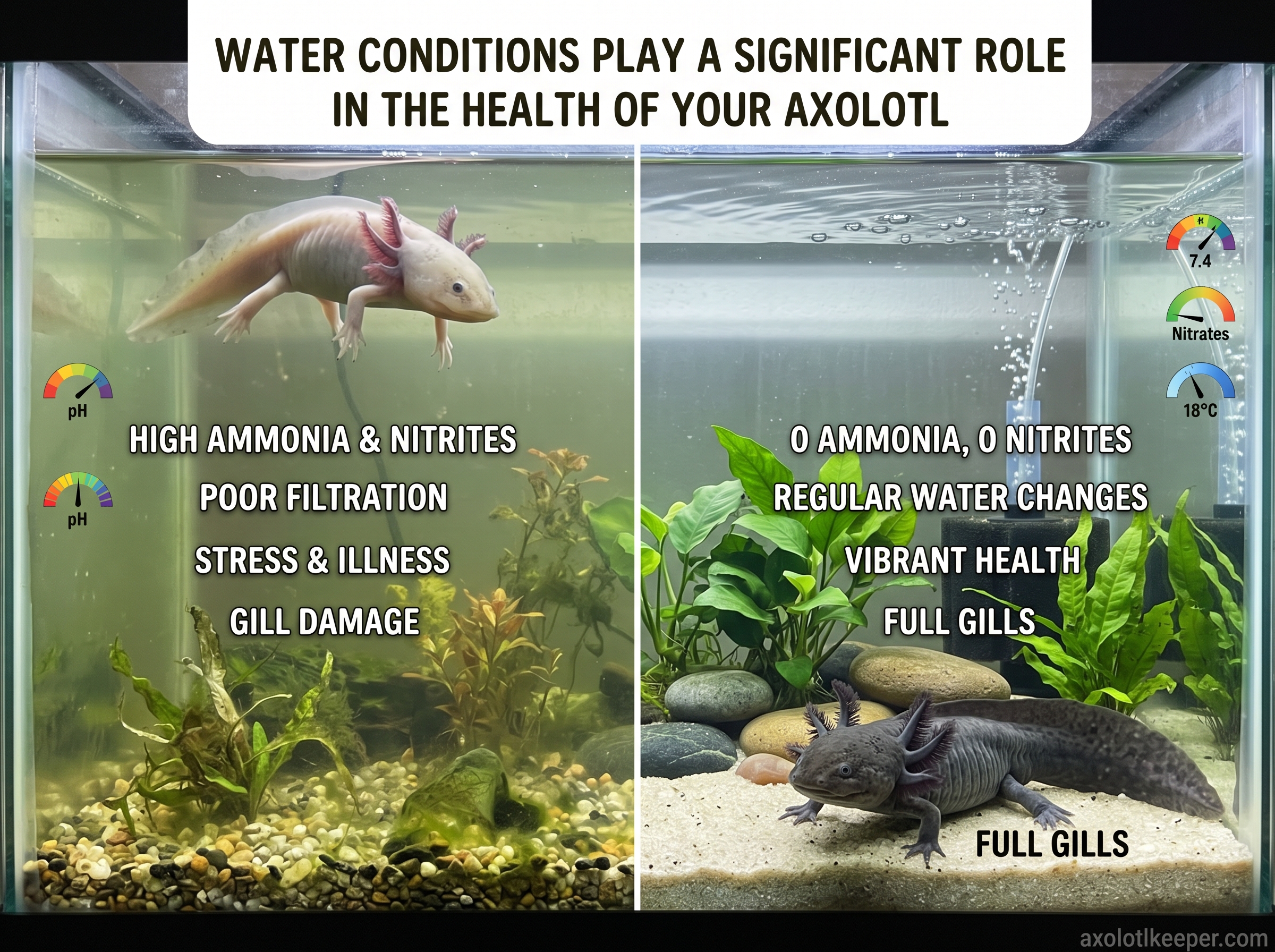
In addition to the size of the tank, water conditions play a significant role in the health of your axolotl. The water temperature should ideally be between 60°F to 68°F, and the pH level should be neutral, around 7.0. Regular water changes and filtration are necessary to maintain a healthy environment. Water quality directly influences how active and healthy your axolotl will be. A stable environment reduces stress and helps prevent illness.
📖 Read More: Transform Your Axolotl’s Home: The Ultimate Guide to a 40 Gallon Axolotl Tank
Moreover, it’s essential to create a suitable habitat within the tank. This includes adding hiding spots using plants, rocks, or other decorations. Ensure that these items are smooth and free of sharp edges to prevent injury to your axolotl. The right tank setup can mimic the natural environment of axolotls, which enhances their comfort and encourages natural behavior. For example, using live or artificial plants can provide cover and reduce stress.
Filtration Systems
A good filtration system is vital for maintaining water quality. Look for filters that provide both mechanical and biological filtration to keep the water clean and safe for your axolotl. Mechanical filtration removes particles from the water, while biological filtration helps break down harmful ammonia and nitrites produced by waste. Remember, they are sensitive to water conditions, so investing in a reliable filtration system is worth it.
It’s also important to choose a filter that is appropriate for the size of your tank. Over-filtering can create strong currents that may stress your axolotl, while under-filtering can lead to poor water quality. Consider using sponge filters or gentle canister filters that can maintain water clarity without creating excessive water movement.
Substrate Choices
When selecting a substrate for your axolotl tank, consider using sand or bare-bottom tanks. Sand is a natural choice as it mimics their natural environment, but it should be fine enough to prevent ingestion. A bare-bottom tank is easy to clean and reduces the risk of impaction, which can be a serious health concern for axolotls. Both substrate options offer advantages and disadvantages, so it’s crucial to weigh them carefully.
Using sand can enhance the aesthetic appeal of the tank and provide a more natural look. However, it requires regular cleaning to prevent waste accumulation. On the other hand, a bare-bottom tank allows for easy maintenance but may not provide the same level of visual interest. Ultimately, the choice of substrate should be based on your preferences and how much effort you’re willing to invest in tank maintenance.
Lighting Requirements
Axolotls do not require bright lighting, as they are primarily nocturnal. If you decide to add lighting to your tank, opt for dim LED lights to enhance visibility without stressing your axolotl. Bright lights can cause stress and discomfort, so it’s best to keep the lighting subdued. Additionally, ensure that any plants you include are suitable for low-light conditions, as many aquatic plants thrive in dimmer environments.
Providing a natural day-night cycle can also be beneficial. Consider using a timer for your lighting system to simulate natural conditions. This can help regulate the axolotl’s internal clock and promote healthy behaviors like eating and resting. A proper lighting setup contributes to the overall well-being of your axolotl.
Common Mistakes to Avoid
Many new axolotl owners make common mistakes when it comes to tank dimensions and setup. One frequent error is choosing a tank that is too small. As previously mentioned, a minimum of 20 gallons is essential for a single axolotl. Another mistake is neglecting water quality and temperature, which can lead to serious health issues. Many owners may overlook the importance of regular water testing, which is crucial for maintaining a stable and healthy environment.
Additionally, overcrowding is a significant concern. Always ensure that your tank size can comfortably accommodate the number of axolotls you plan to keep. A common guideline is to add 10 gallons for each additional axolotl. Lastly, overlooking the importance of hiding spots can create stress for your axolotls, as they need places to retreat and feel secure. Creating a well-structured tank environment is key to their happiness.
Monitoring Water Parameters
Regularly monitoring your water parameters is crucial for maintaining a healthy environment. Invest in a reliable water test kit to check for ammonia, nitrite, nitrate, and pH levels. Keeping these parameters stable will help prevent health issues and ensure your axolotl thrives. Water quality directly impacts their immune system, and small fluctuations can have significant effects.
In addition to testing water parameters, consider keeping a log of your water changes and any treatments you administer. This can help you identify patterns and potential problems, allowing for timely interventions. Routine maintenance should include checking the filter and performing regular water changes to keep the environment optimal.
📖 Baca juga: Unlocking the Secrets of a 20 Gallon Axolotl Tank: A Complete Guide
Researching Tank Mates
If you plan to introduce tank mates, such as fish or other aquatic creatures, research their compatibility with axolotls. Many fish species are not suitable due to size or temperament, so it’s essential to choose compatible tank mates to avoid stress and injury. Some fish may nip at the axolotl’s gills or fins, leading to significant harm.
It’s generally recommended to avoid keeping axolotls with small, fast-moving fish that may provoke them or large fish that could see axolotls as prey. Suitable tank mates include certain types of snails or shrimp, which can coexist peacefully without interfering with the axolotl’s behavior. Always monitor the tank closely when introducing new inhabitants to ensure that everyone is getting along.
Preventing Overfeeding
Overfeeding is another common mistake that can lead to health problems. Axolotls are generally low-maintenance when it comes to feeding; ensure you provide a balanced diet without overindulging. Monitor their eating habits and adjust feeding schedules accordingly. A good rule of thumb is to feed them only what they can consume in about 10-15 minutes, a few times a week.
Overfeeding can lead to obesity and other health complications, such as water quality issues due to excess waste. It’s important to provide a varied diet that includes high-quality pellets, live or frozen foods, and occasional treats. This balanced diet will support their overall health and keep them active and vibrant.
Conclusion
Creating the ideal axolotl habitat requires careful consideration of tank dimensions and setup. By following these guidelines, you can ensure that your axolotl enjoys a healthy and stimulating environment. Remember, the right tank size not only supports their physical health but also enhances their overall well-being. The investment of time and resources into creating a suitable habitat will pay off in the long run.
Investing time and effort into understanding axolotl tank dimensions is rewarding. Your pet will appreciate the spacious living conditions, and you will enjoy watching them thrive in their carefully curated habitat. A well-designed tank not only serves as a home for your axolotl but also as a beautiful focal point in your living space.
Pertanyaan Umum (FAQ)
What is the ideal tank size for a single axolotl?
The ideal tank size for a single axolotl is at least 20 gallons to ensure they have enough space to swim and thrive.
Can multiple axolotls live together?
Yes, multiple axolotls can live together, but it’s recommended to have a tank of at least 40 gallons for two or more axolotls to prevent overcrowding.
What type of substrate is best for an axolotl tank?
Fine sand or a bare-bottom substrate is best for axolotl tanks, as they are less likely to ingest it compared to gravel, which can lead to health issues.
How often should I change the water in the axolotl tank?
It’s advisable to change 20-30% of the water weekly to maintain optimal water quality and ensure a healthy environment for your axolotl.