Have you ever wondered how to create the perfect aquatic environment for your axolotl? These fascinating creatures, known for their unique regenerative abilities, require a specific habitat to thrive. A 40 gallon axolotl tank is an ideal choice for both novice and experienced aquarists looking to provide ample space for their pets while ensuring a balanced ecosystem. In this guide, we will explore the essential aspects of setting up and maintaining a 40 gallon axolotl tank.
Understanding the Basics of Axolotl Care
Before diving into the specifics of a 40 gallon tank, it’s crucial to understand the basic requirements of axolotl care. Axolotls are freshwater salamanders native to Mexico, and they have particular needs that must be met for them to live a healthy life. Understanding their natural habitat can provide insights into what they require in captivity. In the wild, axolotls inhabit lakes and canals with cool, slow-moving waters and plenty of vegetation, which helps them feel safe and secure. This knowledge is fundamental when creating a suitable environment in your home.
Axolotls are sensitive to their surroundings, and thus, their care routine should focus on maintaining stable water parameters. This includes temperature, pH, and cleanliness. Stressors such as high ammonia levels or drastic temperature changes can lead to health problems. Therefore, knowing how to monitor and adjust these factors is essential for any axolotl owner.

Water Quality and Temperature
Maintaining high water quality is paramount for the health of your axolotl. These creatures thrive in cool water, typically between 60°F and 68°F (15°C to 20°C). It’s important to regularly check the water temperature using an aquarium thermometer to ensure that it remains within this range. Invest in a reliable aquarium heater to keep the water temperature stable, as fluctuations can stress your axolotl, leading to health issues. Additionally, be conscious of the ambient temperature in the room where the tank is located, as this can affect water temperature.
Water quality goes beyond just temperature; it’s also critical to monitor parameters such as pH, ammonia, nitrite, and nitrate levels. The ideal pH levels for axolotls range from 6.5 to 7.5. Regular water testing will allow you to identify any abnormalities early on. If you find that the ammonia or nitrite levels are elevated, perform a partial water change immediately and check your filtration system to ensure it’s working effectively.
Filtration System
A proper filtration system is vital in a 40 gallon axolotl tank. Axolotls produce a significant amount of waste due to their size and diet, so a filter that can handle at least 5 times the tank volume per hour is recommended. Look for a canister or sponge filter that provides mechanical, chemical, and biological filtration to keep the water clean and clear. Canister filters offer the advantage of being able to accommodate larger filter media, which can enhance the biological filtration process.
In addition to choosing the right filter, it’s crucial to perform regular maintenance on the filtration system. This includes cleaning the filter media and ensuring that the pump is functioning properly. Clogged filters can lead to poor water quality, which can adversely affect your axolotl’s health. It’s also advisable to have a back-up filtration system or spare filter media on hand in case of emergencies.
Water Changes
Regular water changes are essential to maintain a healthy environment. Aim to change 20-30% of the water weekly. This practice helps to dilute any toxins that may accumulate in the tank over time. When performing water changes, ensure that the new water is dechlorinated and at the same temperature as the tank water. Using a water conditioner can neutralize harmful chemicals found in tap water, making it safe for your axolotl.
In addition to regular water changes, it’s important to monitor the overall cleanliness of the tank. Remove uneaten food and waste promptly to prevent the build-up of harmful substances. A clean tank not only provides a better environment for your axolotl but also reduces the risk of disease and stress.

Setting Up Your 40 Gallon Axolotl Tank
Creating the ideal setup for your axolotl requires careful planning and attention to detail. Here are the key components to consider when setting up your 40 gallon tank. Each aspect plays a significant role in ensuring that your axolotl has a comfortable and stimulating home.
Substrate Options
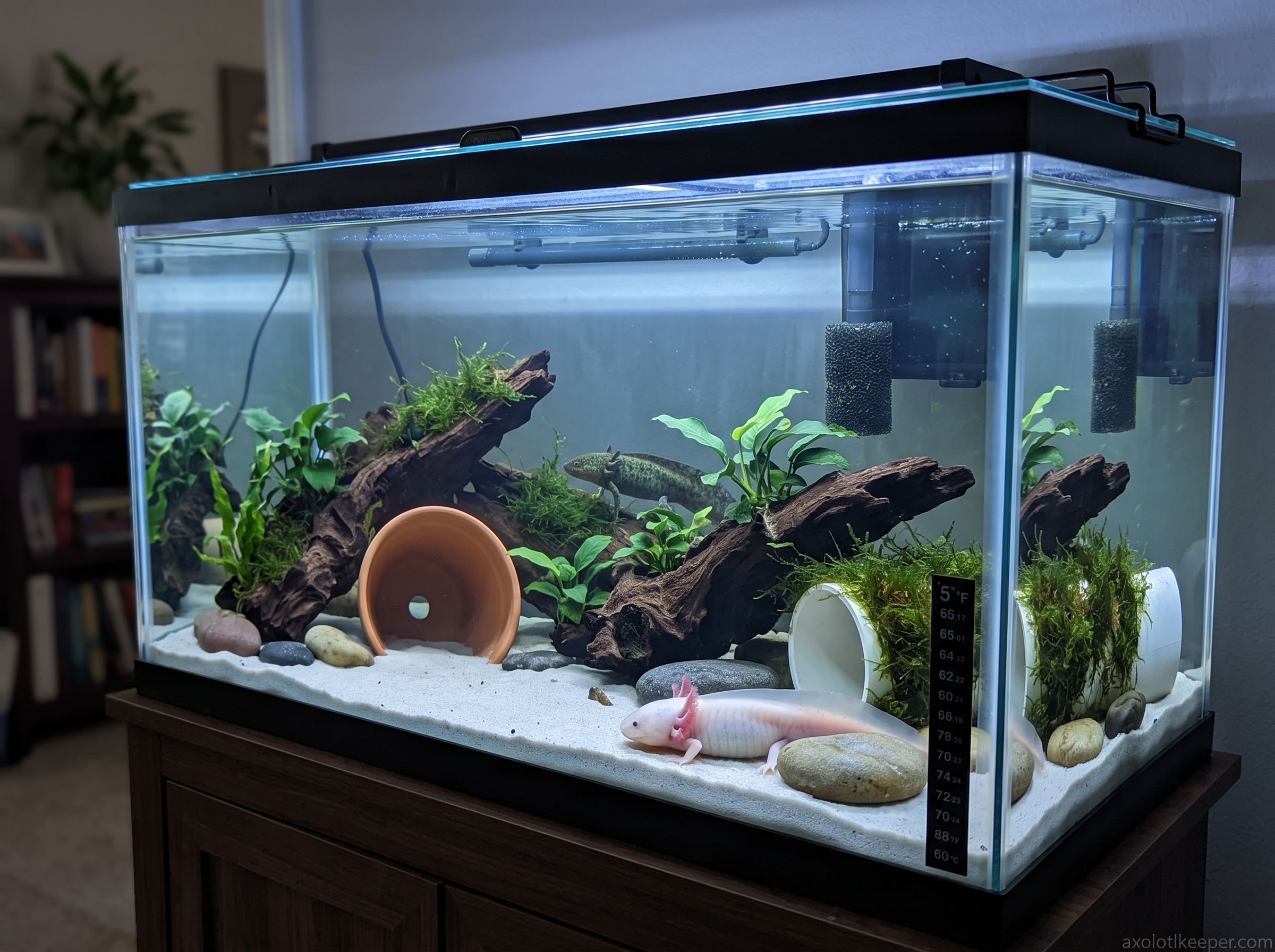
Choosing the right substrate is critical for your axolotl’s health and comfort. For axolotls, fine sand or bare-bottom tanks are often recommended. Fine sand is gentle on their sensitive skin and allows for easy cleaning, while bare-bottom tanks provide the simplest maintenance option. Avoid gravel, as axolotls can accidentally ingest it, leading to serious health issues such as impaction.
When using sand, ensure that it is aquarium-safe and free from sharp edges. You may also want to consider using a sand sifting tool to help keep the substrate clean. A bare-bottom tank, while easier to clean, lacks the natural look that some aquarists prefer. If you choose this option, consider adding decorations and plants to create a more visually appealing environment.
Tank Decor and Hiding Spots
Axolotls are shy creatures that appreciate hiding spots to feel secure. Use caves, PVC pipes, or aquarium-safe decorations to provide them with shelter. Ensure that any decorations are smooth, without sharp edges that could harm your axolotl. Additionally, live plants like java moss or anubias can enhance the tank’s aesthetic and provide additional hiding spots. Plants not only improve the tank’s appearance but also contribute to water quality by absorbing nitrates.
📖 Baca juga: Unlocking the Secrets of a 20 Gallon Axolotl Tank: A Complete Guide
Creating multiple hiding spots can reduce stress, especially in a tank with more than one axolotl. Be mindful of the layout and ensure that there are enough shelters for each axolotl in the tank. You can also rearrange decorations periodically to stimulate your axolotl’s curiosity and provide them with a changing environment.
Water Parameters and Testing
Monitoring water parameters is crucial for maintaining a healthy tank. Regularly test for ammonia, nitrite, nitrate, and pH levels. Ideal pH levels for axolotls range from 6.5 to 7.5. Invest in a reliable water testing kit to keep track of these parameters and make adjustments as necessary. Many aquarists find that keeping a log of their water parameters helps them identify trends and respond proactively to any issues.
In addition to the standard tests, consider testing for water hardness and temperature fluctuations. A stable environment is critical for axolotls, as they do not cope well with rapid changes. If you notice any abnormalities in your water parameters, take immediate action by performing water changes or adjusting your filtration system.

Feeding Your Axolotl in a 40 Gallon Tank
Feeding your axolotl properly is essential for its growth and health. A 40 gallon tank allows for easy feeding routines and maintaining a clean environment. Understanding what to feed your axolotl and how often can lead to a happier and healthier pet.
Dietary Needs
Axolotls are carnivorous and thrive on a diet of high-quality pellets, earthworms, and live or frozen foods such as brine shrimp and bloodworms. Ensure that their diet is varied to provide all the necessary nutrients. High-quality axolotl pellets are formulated specifically to meet their dietary needs and should be a staple in their diet.
In addition to pellets, incorporating a variety of protein sources can prevent nutritional deficiencies. Earthworms are a favorite among axolotls and can be easily sourced from bait shops or bred at home. It’s essential to avoid over-reliance on any single food source, as this can lead to imbalances in their diet.
Feeding Frequency
Young axolotls should be fed daily, while adults can be fed every 2-3 days. Monitor their eating habits; if they are consistently leaving food uneaten, consider reducing the portion size. It’s important to provide enough food for them to consume in a few minutes to prevent overfeeding and maintain water quality.
Feeding routines can also be adjusted based on the axolotl’s growth and activity level. During warmer months, axolotls may be more active and require more food, while in cooler temperatures, their metabolism slows down. Keep an eye on your axolotl’s weight and overall condition to determine if adjustments to their feeding schedule are necessary.
Avoiding Overfeeding
Overfeeding can lead to obesity and related health issues in axolotls. It’s essential to provide the right amount of food that they can consume in a few minutes. Remove any uneaten food promptly to maintain water quality. An overabundance of uneaten food can lead to spikes in ammonia levels, which can be detrimental to your axolotl’s health.
Additionally, be cautious of the size of the food items you offer. Too large of a portion can not only lead to waste but can also pose a choking hazard for your axolotl. If you’re unsure about the appropriate food sizes, consulting with a veterinarian or experienced axolotl keeper can provide valuable guidance.
Common Mistakes to Avoid with Your 40 Gallon Axolotl Tank
Setting up a 40 gallon axolotl tank can be straightforward, but there are common mistakes that new owners often make. Being aware of these pitfalls can enhance your experience and improve the quality of life for your axolotl.
Ignoring Water Quality
One of the biggest mistakes is neglecting water quality. Regular testing and maintenance are crucial to prevent toxic buildups. Ensure that you cycle your tank properly before introducing your axolotl. A properly cycled tank will have beneficial bacteria that help break down waste and maintain stable water conditions.
📖 Baca juga: The Ultimate Guide to the Best Tank for Your Axolotl: Create the Perfect Habitat!
Failing to monitor water parameters can lead to stress and health issues for your axolotl. Make it a routine to check the water quality weekly and make necessary adjustments. Keeping a water testing kit handy enables you to react quickly if any changes occur.
Incompatible Tank Mates
Axolotls are best kept alone or with other axolotls of similar size. Avoid keeping them with fish or other aquatic creatures, as they may become aggressive or stressed. Tank mates can also compete for resources, leading to stress and poor health.
If you decide to keep multiple axolotls in one tank, monitor their interactions closely. Sometimes, even axolotls of similar size can exhibit aggressive behavior, especially during feeding times. Be prepared to separate them if necessary to prevent injuries or stress.
Providing Inadequate Hiding Spots
Failing to provide enough hiding spots can lead to stress and anxiety in axolotls. Make sure your tank has ample shelter options to help them feel secure. Hiding spots can be created using natural decorations, store-bought caves, or even homemade options like PVC pipes.
In addition to enhancing their sense of security, hiding spots can encourage natural behaviors, such as exploring and foraging. A well-decorated tank not only looks appealing but also enriches the axolotl’s environment, promoting overall well-being.
Conclusion: Creating a Thriving Environment
Setting up a 40 gallon axolotl tank can be a rewarding experience. By understanding their needs and creating a suitable environment, you can ensure a long and healthy life for your axolotl. Remember to prioritize water quality, provide adequate space and hiding spots, and maintain a balanced diet. With proper care and attention, your axolotl will thrive in its new home. The joy of watching these unique creatures flourish is well worth the effort you put into their care.
As you embark on this journey, don’t hesitate to seek out resources and communities of fellow axolotl enthusiasts. Sharing experiences and tips can be incredibly beneficial as you learn how to provide the best possible care for your aquatic friend.
Pertanyaan Umum (FAQ)
What is the ideal temperature for an axolotl tank?
The ideal temperature for an axolotl tank is between 60°F and 68°F (15°C to 20°C) to ensure their health and well-being.
Can I keep multiple axolotls in a 40 gallon tank?
Yes, a 40 gallon tank can accommodate multiple axolotls, provided they are similar in size to prevent bullying or cannibalism.
How often should I change the water in my axolotl tank?
It’s recommended to change 20-30% of the water weekly to maintain optimal water quality.
What type of substrate is best for axolotls?
Fine sand or a bare-bottom tank is best for axolotls, as it prevents ingestion and is easy to clean.