
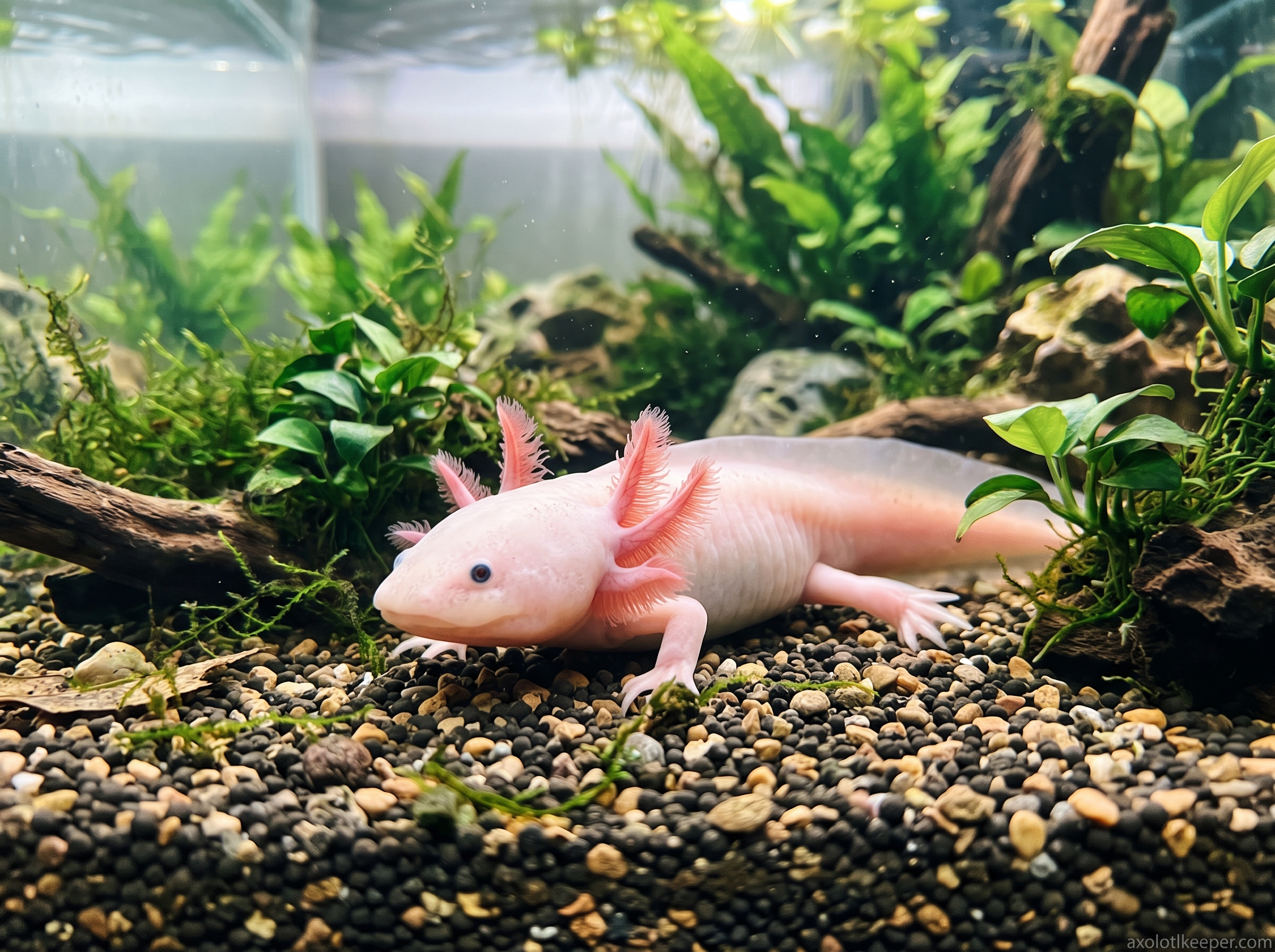
Axolotls, often referred to as Mexican walking fish, are a unique species of salamander known for their remarkable regenerative abilities and their distinctive appearance. One of the most intriguing aspects of these aquatic creatures is their behavior, particularly when they are seen resting on the bottom of their aquatic habitats. This article delves into the reasons why axolotls choose to rest on the bottom and what it signifies about their health and environment.
Understanding the behavior of axolotls resting on the bottom is crucial for both aquarium enthusiasts and researchers alike. It provides insights into their wellbeing, environmental conditions, and social interactions. Let’s explore seven key insights into this fascinating behavior.

Insights into Axolotls Resting on the Bottom
When observing axolotls in their natural habitats or in captivity, it’s common to see them resting on the bottom of the tank or body of water. This behavior can be attributed to several factors, including their energy levels, environmental conditions, and even their social dynamics. Below, we will explore seven significant insights into this behavior.
1. Natural Behavior and Habitat Preference
In the wild, axolotls inhabit lakes and canals in Mexico where they often find refuge on the bottom. This resting position is not only a natural behavior but also a strategic choice for survival. By staying close to the substrate, axolotls can avoid predators and conserve energy. This behavior reflects their adaptation to their environment, allowing them to thrive in their native habitat.
Furthermore, the bottom of their natural habitat provides access to a rich source of food, including small invertebrates and organic material that settles there. Axolotls have evolved to exploit these resources effectively. Consequently, resting on the bottom allows them to remain in close proximity to food sources while minimizing energy expenditure.
Additionally, the substrate offers axolotls a sense of security. The natural environment often includes various forms of cover, such as rocks and plants, which provide hiding spots from predators. This innate behavior signifies their adaptation to a life where being low to the ground enhances their survival chances.
2. Energy Conservation
Axolotls are ectothermic animals, meaning their body temperature and metabolic rate are influenced by their environment. Resting on the bottom allows them to conserve energy, especially when water temperatures are cooler. During colder months or in less active periods, resting becomes essential for maintaining their energy levels and overall health.
In aquatic ecosystems, temperature fluctuations can greatly affect the activity levels of ectothermic organisms. During colder seasons, axolotls instinctively reduce their activity to conserve energy, as their metabolic processes slow down in response to lower temperatures. This behavior ensures that they do not expend unnecessary energy in search of food or movement when conditions are not optimal.
Moreover, this energy conservation strategy is crucial during periods of low food availability. By minimizing their movement and resting more often, axolotls can survive longer periods without food, demonstrating their remarkable adaptability to changing environmental conditions.
3. Health Indicator
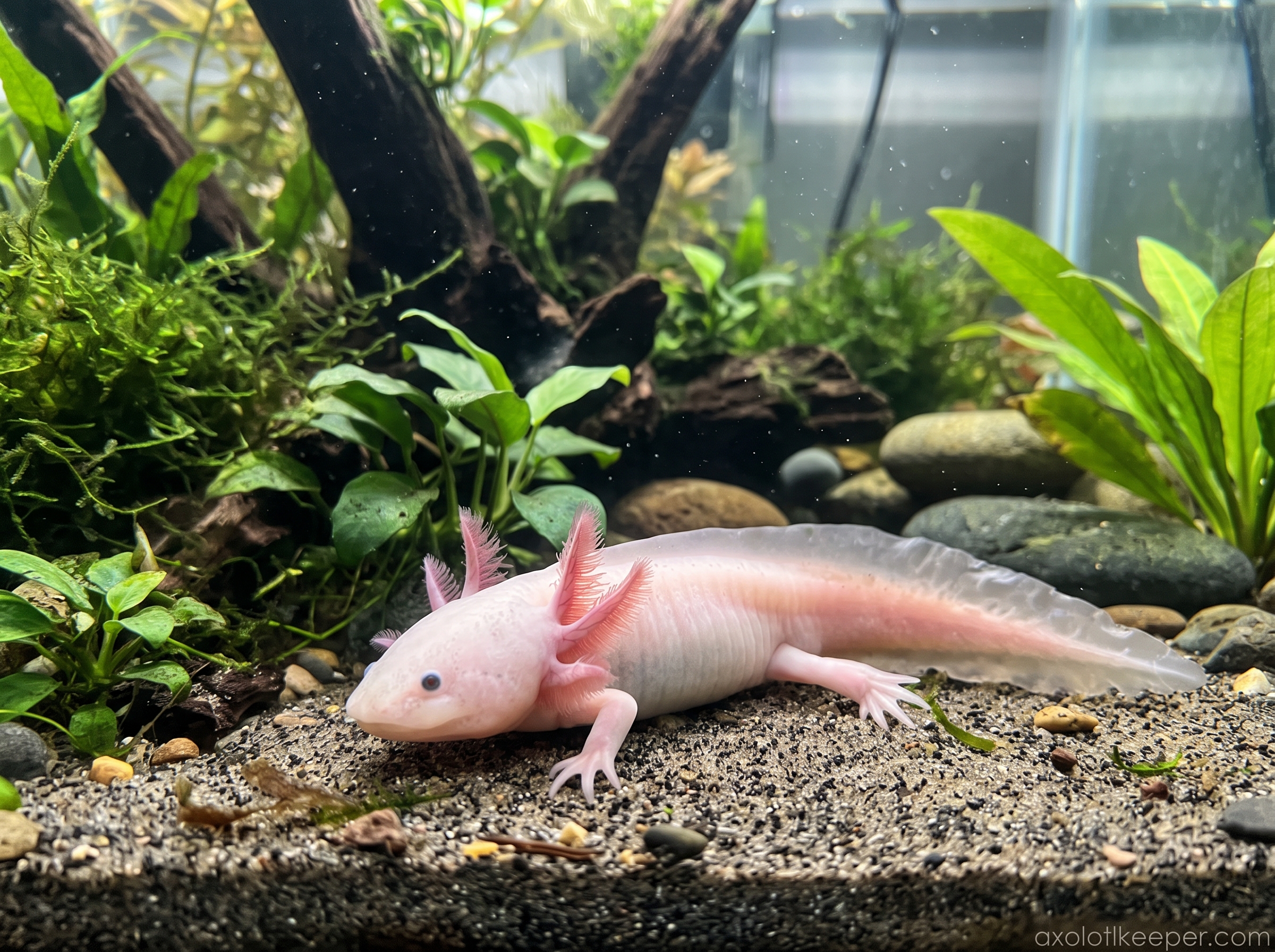
The position of an axolotl can serve as an indicator of its health. If an axolotl is consistently found resting on the bottom, it may be a sign of stress, illness, or poor water conditions. Healthy axolotls are typically more active and will explore their environment rather than remain stationary. Therefore, observing their behavior can provide valuable information for caretakers regarding their wellbeing.
📖 Read also: Unlock the Secrets: Creating the Perfect Bare Bottom Axolotl Tank
In particular, axolotls that are lethargic and spend excessive time at the bottom could be experiencing underlying health issues, such as infections or parasites. It’s essential for aquarists to monitor for other symptoms, such as changes in appetite, color, or physical appearance, to assess the overall health of their axolotls.
Additionally, environmental factors play a significant role in the health of axolotls. Poor water quality can lead to stress and illness, prompting axolotls to seek refuge at the bottom. Regular water testing and maintenance are crucial for ensuring a healthy living environment, which in turn promotes active and healthy behaviors.
4. Social Dynamics
Axolotls are generally solitary creatures, but they can exhibit social behaviors, especially in captivity. When resting on the bottom, an axolotl may be asserting its territory or signaling its comfort level to other axolotls. Understanding these social interactions can help aquarists create a more harmonious environment for their pets.
In scenarios where multiple axolotls are kept together, resting behaviors can indicate social hierarchies. An axolotl that consistently occupies a particular area of the tank may be demonstrating dominance or territorial behavior. This behavior is common among animals that establish a social structure, and recognizing it can help in managing tank dynamics.
Moreover, the presence of hiding spots and territorial boundaries can influence how axolotls interact with one another. Providing adequate space and environmental enrichments can reduce stress and aggression, allowing axolotls to feel secure while resting, thus promoting a healthier social environment.

5. Environmental Factors
The quality of water in which axolotls reside plays a crucial role in their behavior. High levels of ammonia, nitrate, or nitrite can lead to lethargy, causing axolotls to spend more time resting on the bottom. Regular monitoring of water parameters is essential to ensure a healthy habitat and to encourage active behavior.
In addition to chemical parameters, physical factors such as water temperature, pH, and oxygen levels also significantly affect axolotl behavior. For instance, water that is too warm can stress axolotls, leading them to seek cooler depths at the bottom where the temperature may be more suitable. Conversely, water that is too cold may also result in decreased activity levels as axolotls become less metabolically active.
Creating a balanced aquatic environment not only supports the physical health of axolotls but also encourages natural behaviors. Tank owners should strive for a well-maintained aquarium with appropriate filtration systems and regular water changes to foster a thriving habitat.
6. Breeding Behavior
During breeding seasons, axolotls may change their behavior, including resting more frequently. Females may spend time on the bottom to lay eggs, while males may engage in courtship displays. This variation in resting behavior can provide insight into their reproductive cycles and health.
The act of laying eggs typically occurs on surfaces such as plants or rocks, but females often spend time on the bottom prior to and after egg deposition. This behavior is critical as it allows females to rest and recuperate after the energy-intensive process of egg-laying. For males, engaging in courtship rituals may involve swimming around the female and displaying their physical attributes, but they too will spend time resting to regain strength.
📖 Read also: 10 Interesting Facts in Axolotl Behavior Guide: What’s Normal?
Understanding these breeding behaviors enhances the knowledge of axolotl reproduction. It helps aquarists recognize the signs of breeding readiness and the subsequent changes in behavior that indicate reproductive cycles, which can inform better care practices during these periods.
7. Stress Factors
Stress is a common issue for axolotls, especially in captivity. Factors such as tank mates, water quality, and environmental changes can contribute to stress levels. When stressed, axolotls are likely to retreat to the bottom, where they feel safer. Identifying and mitigating these stress factors is vital for their health and longevity.
Common sources of stress for axolotls include aggressive tank mates, inadequate space, and sudden changes in water conditions. Aquarists must carefully select compatible tank mates and ensure that the habitat is spacious enough to prevent competition and aggression. Additionally, maintaining stable water parameters is essential in preventing stress-related behaviors.
Monitoring behavior for signs of stress can help aquarists make necessary adjustments to improve the axolotl’s environment. Observing their interactions and resting patterns can provide insights into their comfort levels, allowing for interventions that promote a more peaceful and healthy living space.
In conclusion, the behavior of axolotls resting on the bottom is influenced by a variety of factors that reflect their natural instincts, environmental conditions, and health status. By understanding these behaviors, aquarists can provide better care and create an optimal habitat for these unique creatures. Observing axolotls in their resting state not only adds to the fascination of these remarkable animals but also serves as a window into their overall wellbeing.
Frequently Asked Questions (FAQ)
Why do axolotls rest on the bottom?
Axolotls rest on the bottom primarily for energy conservation, safety from predators, and as a natural behavior in their habitat. This position helps them maintain their health and wellbeing.
What does it mean if my axolotl is always at the bottom?
If your axolotl is consistently resting at the bottom, it could indicate stress, poor water conditions, or health issues. It’s important to monitor their environment and consult a vet if necessary.
Can axolotls become inactive due to stress?
Yes, stress can lead to inactivity in axolotls. Factors such as tank mates, water quality, and environmental changes can contribute to their stress levels.
How can I improve my axolotl’s habitat?
To improve your axolotl’s habitat, ensure clean water with appropriate parameters, provide hiding spots, and avoid aggressive tank mates. Regular maintenance and monitoring can lead to a healthier environment.