
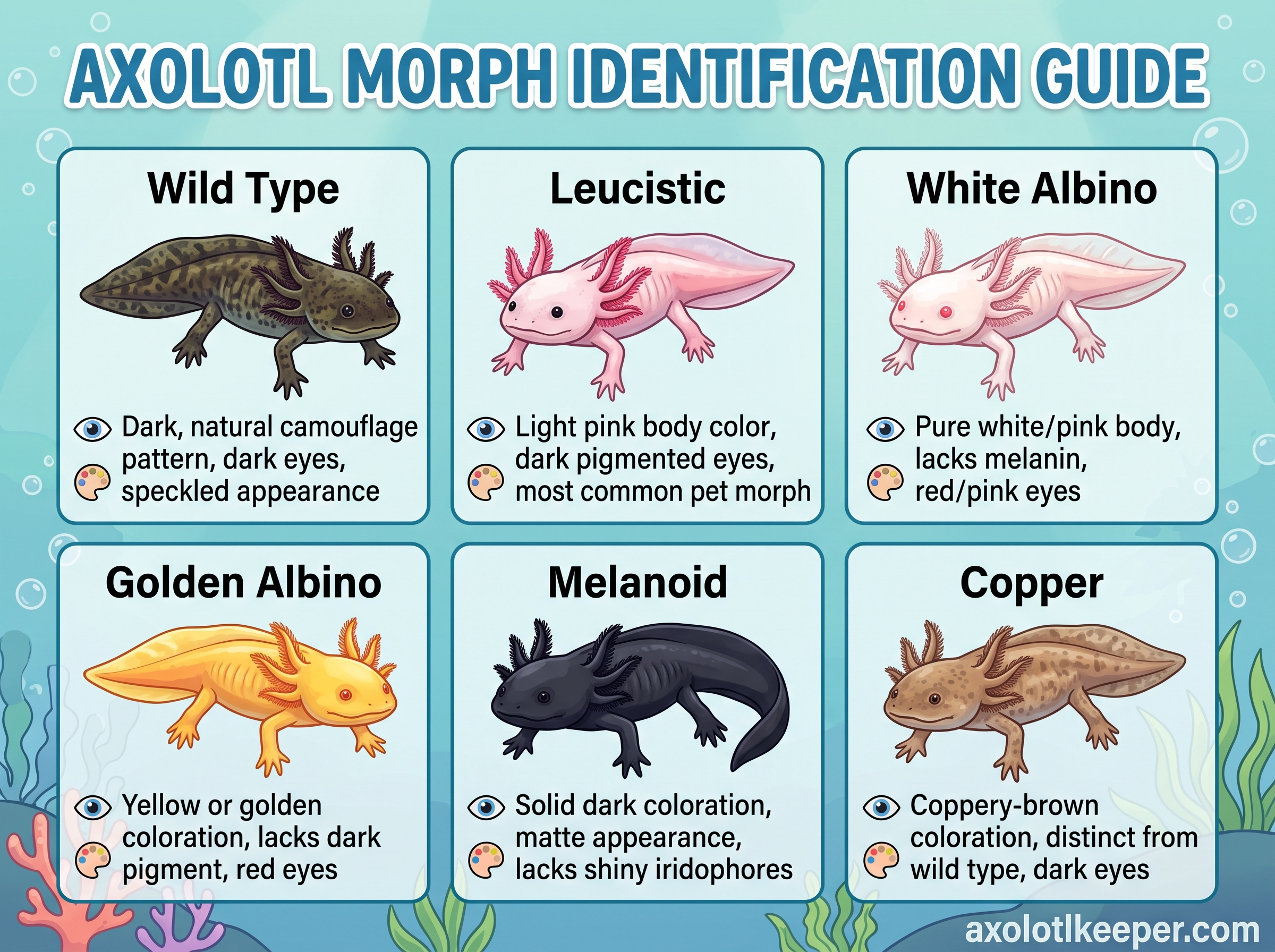
The axolotl, a fascinating amphibian known for its regenerative abilities, comes in various morphs that captivate both enthusiasts and researchers alike. Identifying these unique variations can be an intriguing journey, whether you’re a potential owner or a seasoned breeder. This comprehensive guide will help you navigate through the different axolotl morphs, their characteristics, and how to properly identify them.
In this guide, we will delve into the most common morphs you’ll encounter, tips for identification, and the significance of each morph in the axolotl community. Get ready to enhance your knowledge and appreciation for these remarkable creatures!
Understanding Axolotl Morphs
Axolotls are not just your average pet; they exhibit a stunning array of colors and patterns, which are classified into different morphs. Each morph is a result of genetic variations, and understanding these can be crucial for breeders and hobbyists. The most common morphs include the wild type, leucistic, golden albino, and melanoid. These morphs arise from mutations that influence pigment production, leading to the diversity we see today.
Each morph has its unique charm and appeal, leading to different preferences among pet owners. For instance, some may prefer the classic wild type for its connection to nature, while others are drawn to the striking visuals of the leucistic or golden albino variants. Knowing the differences not only enhances your understanding but also assists in making informed decisions if you plan to purchase or breed axolotls.
Wild Type Morph
The wild type morph is characterized by its dark pigmentation and is the most common form found in nature. These axolotls typically have a dark brown or black color with a mottled appearance. This morph is often used as a standard for comparison against other morphs and is considered the original form of the axolotl. They exhibit a natural beauty that many enthusiasts appreciate, often showcasing how these animals appear in their native habitat.
Wild types also have an interesting genetic background. The dark pigmentation serves a purpose in the wild, helping them blend into the muddy waters of their natural environment, providing camouflage from predators. This morph’s genetic makeup is vital for conservation efforts, as it represents the original lineage of axolotls and is essential for maintaining genetic diversity in breeding programs.
Leucistic Morph
are known for their pale pink or white skin and red or pink gills. Unlike albino axolotls, leucistics have some pigmentation, giving them a unique appearance. This morph is highly sought after due to its striking looks and is often considered a favorite among pet owners. The leucistic morph displays a softer, more ethereal appearance that captivates many, making it a popular choice for aquarists.
The leucistic axolotl’s color is due to a genetic mutation that limits melanin production, allowing for a lighter skin tone. Their vivid pink gills stand in stark contrast to their skin, creating an eye-catching feature that is often highlighted in photos and exhibitions. Furthermore, the leucistic morph tends to have a more docile nature, making them easier to handle for beginners, which adds to their popularity in the pet trade.

Golden Albino Morph
Golden albino axolotls feature a bright yellowish hue and are completely devoid of melanin, resulting in their white skin and pink gills. They are particularly popular in the pet trade and are celebrated for their vibrant appearance. Identifying a golden albino is easy due to its distinct coloration, which makes them stand out in any aquarium setting.
The golden albino morph’s genetic traits do not just influence color; they also affect its overall health and behavior. Due to their lack of melanin, they are more sensitive to light, which can impact their habitat needs. Owners must ensure that golden albinos have adequate shelter within their tanks to protect them from intense lighting. This morph serves as a beautiful representation of how genetic variations can lead to stunning physical attributes in axolotls.

Identifying Axolotl Morphs: Key Characteristics
When trying to identify axolotl morphs, there are several key characteristics to consider. These include color, texture, and even behavior. Each morph has distinct features that set it apart from others, making identification easier. Understanding these characteristics can enhance your identification skills and appreciation for the diversity among axolotls.
In addition to color and texture, recognizing differences in body shape and size can further aid in identification. Some morphs may exhibit slightly different body proportions, which can be subtle but noticeable to the trained eye. This attention to detail can be crucial for breeders looking to produce specific morphs or for hobbyists wanting to expand their collections.
Color Patterns
The color of an axolotl is often the first indicator of its morph. Wild types are dark, leucistics are pale, and golden albinos shine with a bright yellow tone. Observing the color patterns can provide immediate clues about the morph. Moreover, variations within these colors can occur, such as the presence of spots or speckles, particularly in wild types, which can add an additional layer of complexity to identification.
📖 Baca juga: Unlocking the Secrets of Axolotl Morph Genetics: A Beginner’s Guide
Additionally, some axolotls may undergo color changes as they mature. For instance, juvenile axolotls might display different hues compared to their adult forms. This is particularly relevant for breeders who need to understand how these color changes may affect their breeding programs and the final appearance of offspring.
Skin Texture
Alongside color, the texture of the skin can also hint at the morph. Some axolotls have smooth skin, while others may appear more rugged or bumpy due to their genetic makeup. Noting these differences can assist in accurate identification. For example, wild types often have a more textured appearance due to their natural habitat, while leucistics and golden albinos tend to have smoother skin, which may make them more appealing to touch.
Skin texture can also indicate the overall health of the axolotl. A healthy axolotl typically has hydrated, smooth skin, while rough or flaky skin may signal health issues. Understanding these nuances can be vital for both identification and care, ensuring that axolotls are kept in optimal conditions.
Behavioral Traits
Interestingly, certain morphs may exhibit different behaviors. For example, wild types are often more active and curious compared to their leucistic counterparts. Observing behavior can provide additional context when identifying morphs. Wild types tend to explore their environments more frequently, which can be attributed to their instinctual behaviors as they would naturally encounter various stimuli in the wild.
In contrast, leucistic and golden albino axolotls may display more cautious behavior, particularly in bright lighting conditions. This difference in behavior can also affect how each morph interacts with their surroundings and their feeding patterns. Understanding these behavioral traits not only aids in identification but also enriches the experience of keeping axolotls as pets.
Tips for Proper Identification
Accurate identification of axolotl morphs requires careful observation and sometimes even experience. Here are some practical tips to enhance your identification skills. By honing these skills, you can confidently identify and appreciate the various types of axolotls.
It’s also essential to note that while visual characteristics are crucial, understanding the genetics behind each morph can further enhance your identification skills. Familiarizing yourself with basic genetic principles can help you predict potential offspring appearances in breeding scenarios, adding another layer to your understanding of axolotl morphs.
Research and Compare
Before making any identification, it’s beneficial to research the specific morphs. Utilize images and descriptions from reliable sources to compare with your axolotl. This can help solidify your understanding and increase identification accuracy. Online databases and axolotl-specific websites often provide extensive galleries showcasing each morph, which can be a valuable resource for hobbyists and breeders alike.
Moreover, engaging with literature related to axolotl genetics and care can deepen your knowledge. Books and academic articles can provide insights into the development of various morphs and their implications in breeding practices. The more informed you are, the easier it will be to distinguish between similar morphs.
Join Axolotl Communities
Engaging with online axolotl communities can be invaluable. Many enthusiasts share their experiences and knowledge, which can aid in identifying different morphs. Forums and social media groups are great platforms for learning and asking questions. By participating in discussions and sharing photos of your axolotls, you can receive feedback from experienced breeders and hobbyists, enhancing your identification skills.
Additionally, these communities often organize events, such as virtual meetups or local gatherings, where members can share their axolotl morphs and offer hands-on guidance. Such interactions not only improve your knowledge but also foster a sense of camaraderie among axolotl enthusiasts.
Consult with Experts
When in doubt, don’t hesitate to reach out to experts or breeders. They can provide insights and confirm your identifications, helping you to become more confident in your understanding of axolotl morphs. Experienced breeders can offer guidance on subtle differences that may not be immediately obvious to a novice, helping to refine your skills.
Moreover, attending workshops or seminars hosted by axolotl experts can provide deeper insights into the nuances of morph identification. These opportunities allow for direct interaction with knowledgeable individuals who can answer specific questions and provide practical demonstrations of identifying various morphs.

The Importance of Axolotl Morph Identification
Identifying axolotl morphs is not just an academic exercise; it plays a crucial role in breeding and conservation. Understanding these morphs can help ensure genetic diversity and the overall health of axolotl populations. This understanding is particularly important in light of the axolotl’s status as a critically endangered species in the wild.
📖 Baca juga: Unveiling the Secrets of Axolotl Color Morphs Explained (Guide + Visual) – A Must-Read for Enthusiasts!
By recognizing the importance of morph identification, enthusiasts and breeders can contribute positively to conservation efforts. Each morph carries unique genetic traits that may be vital for the survival of the species, and preserving these traits is essential for maintaining a healthy population in both captivity and the wild.
Breeding Considerations
For breeders, knowing the different morphs is essential in producing healthy offspring. Certain morphs can carry specific traits, and understanding these can improve breeding programs and contribute to more stable populations. Breeding two different morphs can lead to interesting outcomes, influencing not only the appearance but also the health and vigor of the offspring.
Moreover, responsible breeding practices require a good understanding of genetics. Breeders must consider potential genetic disorders that may arise from inbreeding or selective breeding of certain morphs. By maintaining a diverse genetic pool, breeders can promote healthier axolotls and reduce the risk of hereditary issues.
Conservation Efforts
In the wild, axolotls face numerous threats, and conservation efforts often focus on preserving genetic diversity. By identifying and understanding different morphs, conservationists can work towards protecting these unique creatures in their natural habitats. This knowledge allows for targeted conservation strategies, ensuring that specific morphs are preserved and that the overall genetic diversity of the species is maintained.
Moreover, public awareness campaigns can benefit from information about axolotl morphs. Educating the public on the significance of each morph can foster appreciation and support for conservation initiatives. The more people understand the unique qualities of axolotls, the more likely they are to engage in conservation efforts, whether through donations or active participation in preservation programs.
Enhancing Pet Ownership
For those keeping axolotls as pets, being able to identify morphs can enhance the overall experience. Knowing the specific morph can influence care, diet, and habitat requirements, leading to healthier and happier axolotls. For example, understanding the light sensitivity of golden albinos can guide owners in setting up appropriate lighting in their tanks.
Additionally, recognizing the unique behaviors of different morphs can lead to a more fulfilling interaction between owner and pet. By understanding their axolotl’s preferences and behaviors, owners can create enriching environments that cater to their pets’ needs, promoting overall well-being. This knowledge can also enhance the enjoyment of observing these remarkable creatures as they thrive in their carefully curated habitats.
Conclusion
In summary, identifying axolotl morphs is a rewarding endeavor that enriches your knowledge and appreciation for these remarkable creatures. Whether you are a hobbyist, breeder, or conservationist, understanding the various morphs can enhance your experience and contribute to the well-being of axolotls. By utilizing the information and tips provided in this guide, you’ll be well on your way to becoming an expert in axolotl morph identification.
Frequently Asked Questions (FAQ)
What are the most common axolotl morphs?
The most common axolotl morphs include wild type, leucistic, golden albino, and melanoid, each with distinct characteristics and appearances.
How can I identify a leucistic axolotl?
Leucistic axolotls are typically pale pink or white with red or pink gills, distinguishable from albino morphs by their slight pigmentation.
Why is axolotl morph identification important?
Identifying axolotl morphs is crucial for breeding, conservation, and enhancing the overall experience of pet ownership.
Can axolotl morphs change over time?
While the basic morph characteristics remain stable, environmental factors and health can influence an axolotl’s appearance, but significant changes are rare.