

Axolotls, the fascinating aquatic creatures known for their regenerative abilities, have captured the hearts of many enthusiasts and scientists alike. One of the most intriguing aspects of these unique amphibians is their morph genetics. Understanding axolotl morph genetics basics can help you appreciate their diversity and the science behind their various appearances. In this guide, we will delve into the fundamentals of axolotl morphs, explore the genetic factors influencing their traits, and provide valuable insights for both breeders and hobbyists.
Understanding Axolotl Morphs
Axolotls exhibit a remarkable variety of morphs, which are different physical forms that arise due to genetic variations. These morphs can range from colors and patterns to physical features. The most common morphs include leucistic, melanoid, golden albino, and wild-type. Each morph has its unique genetic makeup, influencing its appearance and characteristics. Understanding these differences is essential for anyone interested in keeping or breeding axolotls, as it allows for a deeper appreciation of their unique beauty and biology.
Moreover, the study of axolotl morphs offers insight into evolutionary biology and genetics. By examining how these morphs are expressed and inherited, researchers can better understand the underlying genetic mechanisms at play. This knowledge also aids in conservation efforts, ensuring that various morphs can thrive in both captivity and their natural habitats.
Common Axolotl Morphs
The diversity in axolotl morphs can be categorized into a few key types, each with its own distinct characteristics. Understanding these morphs not only enhances the experience of keeping axolotls but also provides essential information for breeding purposes:
- Leucistic: These axolotls have a pale pink or white appearance, with translucent skin that allows their internal organs to be visible. This unique look is due to the lack of pigmentation, and leucistic axolotls are often sought after in the pet trade due to their striking appearance.
- Melanoid: Melanoid axolotls are characterized by their dark pigmentation and lack of iridophores, giving them a solid black appearance. This morph is particularly captivating for those who appreciate a more dramatic coloration and can be more resilient to certain environmental stresses.
- Golden Albino: This morph displays a bright yellow coloration with red or pink eyes, resulting from a genetic mutation affecting pigmentation. Golden albinos are often favored by breeders for their vibrant color and unique eye appearance, making them stand out in any aquarium setting.
- Wild-Type: Wild-type axolotls have a darker coloration with speckles, resembling their natural habitat’s appearance. This morph is important for conservationists as it reflects the axolotls’ original state in the wild and serves as a reminder of the species’ natural beauty.
Each morph not only varies in color but also in behavior and adaptation to environments, making them fascinating subjects for study. Breeders can explore these differences to create hybrids that may exhibit traits from multiple morphs, leading to exciting new varieties.
The Role of Genetics in Morph Variations
Genetics plays a crucial role in determining which morph an axolotl will develop. Specific genes are responsible for the coloration and physical traits observed in these creatures. For example, the albino gene leads to the absence of melanin, resulting in lighter-colored axolotls. This genetic mechanism is a key factor in understanding how different environmental conditions and breeding practices can influence the traits of offspring.
Additionally, the interplay of multiple genes can lead to the expression of complex traits that are not immediately obvious. For instance, while one gene may control the base color, other genes can influence the presence of patterns or markings. This complexity makes axolotl genetics an exciting field of study, as breeders and researchers alike work to uncover the intricacies of these genetic interactions.
Understanding these genetic factors can help breeders select for desired traits in their breeding programs. By strategically pairing axolotls with specific morphs, breeders may enhance particular characteristics, leading to a more diverse array of offspring. This knowledge becomes increasingly valuable as the popularity of axolotls continues to grow in the aquarium hobbyist community.
How Morphs are Inherited
Axolotl morphs are inherited through a combination of dominant and recessive genes. Breeding two different morphs can produce offspring with varying appearances, depending on the genetic makeup of the parents. For instance, crossing a leucistic axolotl with a wild-type can yield a mix of leucistic and wild-type offspring, showcasing the complex interplay of genetics in these fascinating creatures.
To illustrate, if a breeder pairs a melanoid axolotl (which may carry recessive genes for lighter coloration) with a golden albino, the resulting offspring might exhibit a range of traits depending on the genetic contributions from both parents. Some may inherit the dominant traits, while others may show recessive characteristics, leading to an exciting variety of morphs in the offspring.
This unpredictability is part of what makes axolotl breeding such an engaging endeavor, as each generation can present new surprises. Breeders often keep detailed records of their breeding pairs and the traits of their offspring to better understand how characteristics are passed on and to refine their breeding strategies over time.

The Genetics Behind Axolotl Colors
Delving deeper into axolotl morph genetics, we can explore the specific genes that influence their colors. The understanding of these genetic components can empower enthusiasts to breed axolotls with particular traits. By identifying and manipulating these genes, breeders can create axolotls that not only meet aesthetic desires but also have enhanced health and resilience.
📖 Baca juga: Discover the Best Affordable Axolotl Morphs for Your Aquarium
Furthermore, the study of these genes provides valuable insights into evolutionary biology and how certain traits are favored or suppressed in natural populations. This knowledge can inform conservation efforts and improve breeding practices aimed at preserving the genetic diversity of axolotls.
Key Genes Influencing Coloration
Several key genes significantly influence the coloration of axolotls. Understanding these genes is crucial for anyone interested in breeding or studying axolotl morphs:
- Tyrosinase gene: This gene is vital for melanin production. Mutations in this gene can lead to albinism, resulting in lighter-colored axolotls. The tyrosinase gene’s role in melanin synthesis is a fascinating area of study, as it not only governs coloration but may also influence other physiological traits.
- Agouti gene: This gene affects the distribution of pigments in the skin, leading to variations in color patterns. The agouti gene’s interactions with other genes can create a spectrum of colors and patterns, adding to the complexity of axolotl morph genetics.
- Albino gene: The presence of this gene results in a complete lack of melanin, producing albino morphs. The albino gene’s dominance can significantly alter the appearance of offspring, making it a key target for breeders looking to develop specific color traits.
In addition to these genes, researchers are continually discovering new genetic factors that influence axolotl coloration. As genetic research advances, we may uncover additional genes that contribute to the stunning diversity seen in axolotls today.
Influence of Environmental Factors
While genetics is the primary determinant of axolotl morphs, environmental factors can also play a role in their development. Factors such as temperature, water quality, and diet can influence the expression of certain traits. For instance, stress during the early developmental stages may impact coloration and growth.
Research has shown that axolotls raised in optimal conditions, with stable temperature and high-quality water, tend to develop more vibrant colors. Conversely, poor environmental conditions can lead to duller coloration and stunted growth, highlighting the importance of habitat quality in the development of these unique amphibians.
Moreover, nutrition plays a critical role in their overall health and appearance. A diet rich in nutrients can enhance coloration and promote robust growth. Breeders who pay close attention to the dietary needs of their axolotls can achieve better outcomes in terms of both health and desirable traits.
Breeding for Specific Traits
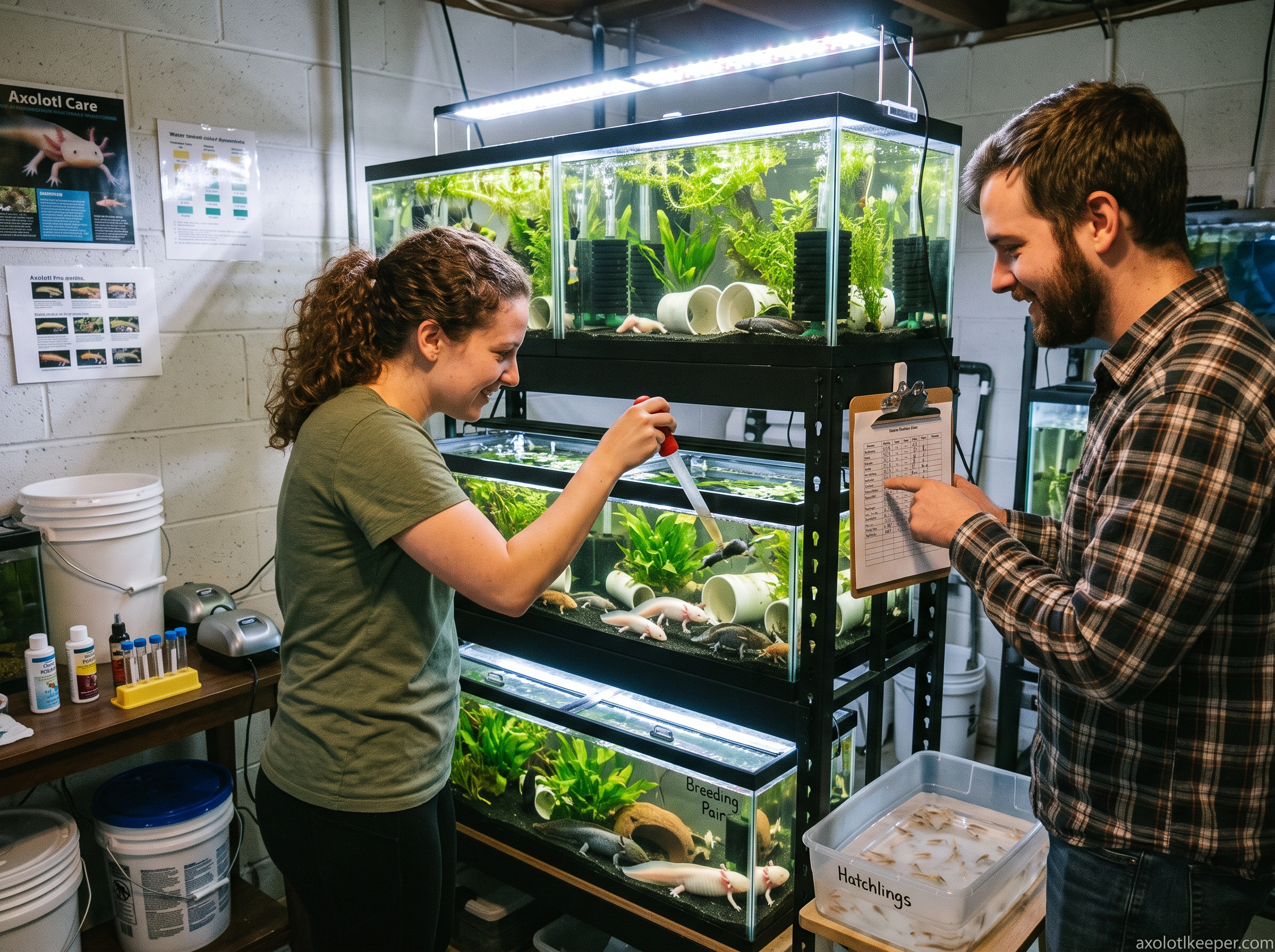
For those interested in breeding axolotls, understanding morph genetics is essential for achieving specific outcomes. By selecting parent axolotls with desired traits, breeders can enhance the likelihood of producing offspring that exhibit those same characteristics. This practice requires careful planning and knowledge of genetic inheritance patterns.
When embarking on a breeding program, it’s vital to consider not just the outward appearance of the axolotls but also their genetic backgrounds. Breeders should strive to understand how different genes interact and affect phenotypic expression. This understanding allows them to make informed choices about pairings that will maximize the likelihood of producing desired morphs.
Additionally, keeping meticulous records of breeding outcomes is essential for refining breeding strategies over time. By documenting which pairings yield the best results, breeders can develop a more systematic approach to achieving their goals, whether it’s producing a particular morph or improving the overall health of their axolotl population.

Tips for Aspiring Axolotl Breeders
If you’re considering breeding axolotls, here are some tips to help you get started:
- Research Genetics: Invest time in understanding axolotl genetics and morph inheritance to make informed breeding decisions. Knowledge of how traits are inherited will empower you to create specific morphs and understand the potential outcomes of different pairings.
- Choose Healthy Breeders: Select axolotls that exhibit good health and desirable traits to ensure the best outcomes for your breeding program. Healthy axolotls are more likely to produce viable offspring, and selecting breeders with strong genetic backgrounds can improve the overall quality of your axolotl population.
- Keep Records: Maintain detailed records of breeding pairs and their offspring to track genetic traits and improve your breeding strategy over time. This practice not only aids in understanding genetic inheritance but also helps identify successful pairings and outcomes.
Additionally, connecting with other axolotl breeders and enthusiasts can provide valuable insights and support. Online forums, social media groups, and local clubs can be excellent resources for sharing experiences, tips, and best practices.
📖 Baca juga: Discover the Fascinating World of Rare Axolotl Morphs!
The Future of Axolotl Morph Genetics
The field of axolotl genetics is continually evolving, with new discoveries and techniques emerging. Advances in genetic research and breeding practices offer exciting possibilities for the future of axolotl morphs. As scientists continue to investigate the genetic basis of these remarkable creatures, we may see even more diverse and unique morphs in the years to come.
Moreover, the application of genetic technologies, such as gene editing, holds promise for creating entirely new morphs that could not arise through traditional breeding methods. This could revolutionize the axolotl breeding landscape, allowing breeders to explore uncharted territories of coloration and morphology.
As research progresses, it may also lead to improved conservation strategies for wild axolotl populations, ensuring their survival in natural habitats. Understanding the genetic diversity of wild populations will be crucial for effective conservation efforts and for maintaining the health of these ecosystems.
Potential Genetic Research Developments
Future research may focus on:
- Gene Editing: Techniques like CRISPR may allow for precise modifications of genes to create new morphs. This could enable breeders to introduce traits that enhance resilience, coloration, or even disease resistance.
- Understanding Regeneration: Studying the genetics of axolotls could provide insights into regenerative medicine and potential applications for human health. The unique regenerative abilities of axolotls are closely tied to their genetic makeup, and understanding these mechanisms could lead to breakthroughs in medical science.
- Conservation Efforts: Genetic research can help in conserving wild populations of axolotls, which are threatened in their natural habitats. By understanding the genetic diversity within wild populations, conservationists can develop strategies to protect these unique creatures and ensure their survival.
The future of axolotl morph genetics promises to be an exciting journey filled with discoveries that could shape the future of both breeding practices and conservation strategies. As more enthusiasts and researchers become involved in the study of axolotls, the potential for learning and innovation will only continue to grow.
Conclusion
Understanding axolotl morph genetics basics opens a window into the fascinating world of these unique amphibians. By learning about the various morphs, the genetic factors that influence their traits, and the implications for breeding and conservation, enthusiasts can deepen their appreciation for axolotls. Whether you’re a seasoned breeder or a curious newcomer, the exploration of axolotl genetics offers endless possibilities for discovery and enjoyment.
As the interest in axolotls continues to rise, it is essential for enthusiasts to stay informed about advancements in genetics and breeding practices. Engaging with the community, participating in discussions, and sharing knowledge can contribute to the overall understanding and appreciation of these incredible creatures. The journey of unlocking the secrets of axolotl morph genetics is just beginning, and there is much more to explore in this captivating field.
Pertanyaan Umum (FAQ)
What are the most common axolotl morphs?
The most common axolotl morphs include leucistic, melanoid, golden albino, and wild-type. Each morph has distinct characteristics and genetic backgrounds.
How can I breed axolotls for specific traits?
To breed axolotls for specific traits, it’s essential to understand their genetic inheritance patterns and select parent axolotls with desired characteristics.
What role does environment play in axolotl genetics?
While genetics primarily determines axolotl traits, environmental factors such as temperature and diet can influence their development and expression of specific characteristics.
Are there any new advancements in axolotl genetics?
Yes, ongoing research in axolotl genetics includes potential gene editing techniques and studies on regeneration that may have broader implications for science and medicine.