

The axolotl, a fascinating creature often referred to as the Mexican walking fish, is not just renowned for its regenerative abilities but also for its unique mating behavior. Understanding how these amphibians mate can provide insights into their biology and the challenges they face in the wild and captivity. In this article, we will explore the intriguing aspects of axolotl mating behavior, shedding light on their courtship rituals, reproductive strategies, and what makes them such extraordinary creatures.
As a neotenic salamander, axolotls retain their larval features throughout their lives, which contributes to their unusual mating practices. Unlike many other amphibians that undergo metamorphosis, axolotls remain aquatic and gilled, making their reproductive habits quite distinctive. Let’s delve deeper into the fascinating world of axolotl mating behavior.
Understanding Axolotl Mating Behavior and Its Complexity
Axolotl mating behavior is a complex process that involves several stages, each crucial for successful reproduction. These stages include courtship displays, the actual mating process, and egg laying. Understanding these stages can help both researchers and enthusiasts ensure the well-being of axolotls in captivity and promote their conservation in the wild.
The courtship display is often the most visually captivating aspect of their mating behavior. Male axolotls engage in a unique dance to attract females, which involves swimming in circles and performing intricate movements. The male will often release pheromones to signal his readiness to mate, which can entice a female into his vicinity. Once a female shows interest, the male will lead her to a suitable location for mating.
It’s essential to know that axolotls are not monogamous; males can mate with multiple females. This polyandrous behavior increases genetic diversity, which is vital for the overall health of the population. The actual mating process involves the male depositing a sperm packet, known as a spermatophore, which the female then picks up with her cloaca to fertilize her eggs internally. This unique mating behavior helps ensure a greater survival rate for the offspring, as the genetic variation can lead to stronger, more resilient larvae.
The Courtship Rituals of Axolotls
During the courtship ritual, the male axolotl showcases his vibrant colors and physical prowess. He may change colors and puff up his gills to appear more appealing. The elaborate dance often includes swimming in circles around the female, nudging her gently, and sometimes even rubbing against her. This behavior is crucial as it helps the female assess the male’s fitness as a mate.
Interestingly, females may exhibit a range of responses to these courtship displays. Some may show immediate interest and follow the male, while others might take their time to evaluate potential mates. This selective process ensures that the female chooses the strongest and most vibrant males for mating, which is beneficial for the health of the offspring. The dynamics of this courtship can also vary based on environmental factors such as water temperature and the presence of other axolotls, which can influence their behavior significantly.
Once the female is ready, she will signal her acceptance by moving closer to the male and allowing him to lead her to a suitable spot for laying eggs. This stage is critical, as the location chosen can impact the survival of the eggs, making it essential for the female to select a safe and optimal environment.
📖 Read also: Unlocking the Secrets of Axolotl Digging Behavior: What You Need to Know
The Intricate Mating Process of Axolotls
The mating process itself is relatively quick but can be quite intricate. The male will position himself in front of the female and deposit the spermatophore on the substrate. The female, in turn, will pick up the spermatophore with her cloaca, fertilizing her eggs internally. This internal fertilization is a fascinating adaptation, allowing axolotls to retain their eggs in a protected environment until they are ready to hatch.
After successful mating, the female will begin laying her eggs. Axolotls can lay hundreds of eggs at once, often attaching them to plants or other surfaces in their aquatic environment. This strategy increases the chances of survival for the young, as they have access to food and shelter. The eggs are typically laid in clusters, which can further enhance protection from predators in the wild.
Moreover, the timing of breeding is also influenced by environmental conditions, such as water temperature and quality. Research has shown that optimal conditions can lead to higher rates of successful mating and egg development, reinforcing the connection between their habitat and reproductive success.
Egg Laying and Care for Axolotl Offspring
Egg laying in axolotls is a critical stage in their reproductive cycle. The female can lay anywhere from 200 to 1,000 eggs, with the number often depending on her age and health. The eggs are usually laid in clusters and can take anywhere from two to three weeks to hatch into larvae, depending on environmental conditions such as temperature and water quality. This variability means that axolotl breeders need to monitor their environmental conditions closely to ensure successful hatching.
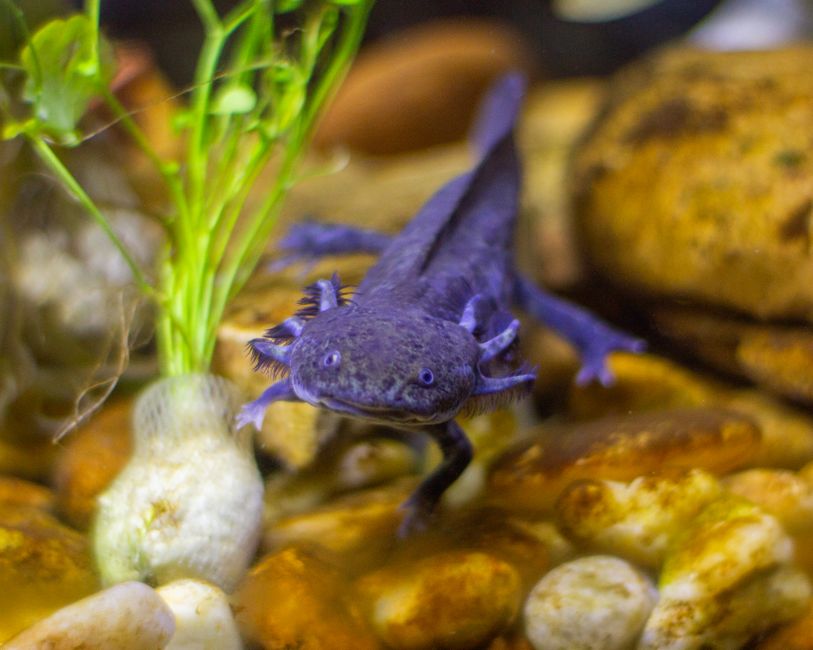
Once the eggs hatch, the larvae will initially rely on their yolk sacs for nourishment before transitioning to a diet of small live foods, such as brine shrimp and daphnia. Proper care during this stage is essential for ensuring a healthy population of axolotls, particularly in captivity. This involves maintaining clean water conditions, providing appropriate food sources, and ensuring that the larvae have enough space to grow.
Understanding the entire mating process, from courtship to egg care, is vital for anyone interested in breeding axolotls, whether for personal enjoyment or conservation efforts. Capturing the nuances of their reproductive habits can significantly impact the success of breeding programs aimed at preserving this unique species.
Challenges in Captivity and Conservation of Axolotls
While axolotls are fascinating creatures, their populations are declining in the wild due to habitat loss and pollution. Understanding their mating behavior is crucial for conservation efforts aimed at preserving this unique species. Captive breeding programs play a significant role in increasing their numbers and ensuring genetic diversity. However, these programs must be carefully managed to replicate the conditions that axolotls experience in their natural habitats.
In captivity, it is important to replicate the natural conditions to encourage successful mating. This includes maintaining appropriate water conditions, temperature, and providing hiding spots for the females to feel secure during the mating process. Breeders must also be aware of the signs of readiness in both males and females, which can help facilitate successful mating encounters. For instance, males may exhibit more vibrant colors and increased activity as they approach the breeding season.
📖 Read also: Unlocking the Secrets of Axolotl Hiding Behavior: What You Need to Know
Moreover, conservationists are working to protect the natural habitats of axolotls, ensuring they have the necessary resources to thrive. By understanding their mating behavior and the challenges they face, we can contribute to the preservation of this remarkable species. Protecting their natural environments is as crucial as understanding their biology, as both aspects are interlinked in the survival of axolotls.
Conclusion: The Importance of Understanding Axolotl Mating Behavior
Axolotl mating behavior is a captivating subject that highlights the complexities of these unique amphibians. From their elaborate courtship rituals to the intricate processes of mating and egg laying, understanding these behaviors can provide valuable insights into their biology and conservation needs. As we continue to learn more about axolotls, we can better appreciate and protect these extraordinary creatures for future generations.
By fostering a greater understanding of axolotl mating behavior, we can enhance efforts in conservation, ensuring that these remarkable animals continue to thrive in both the wild and captive environments. Educating the public about their unique reproductive strategies and the challenges they face is essential for fostering appreciation and support for their conservation.
Frequently Asked Questions (FAQ)
What is the mating season for axolotls?
Axolotls can mate year-round, but their mating activity tends to increase during warmer months when water temperatures rise. This is typically when they are most active and interested in mating.
How do I know if my axolotls are ready to mate?
Signs that axolotls are ready to mate include increased activity, color changes, and males performing courtship displays. Observing these behaviors can indicate that they are in the breeding mood.
Can axolotls breed in captivity?
Yes, axolotls can successfully breed in captivity if their environmental needs are met, including proper water quality, temperature, and adequate space for both males and females.
What should I do with axolotl eggs?
Once axolotl eggs are laid, it is essential to maintain clean water conditions and provide gentle aeration to prevent fungal growth. Monitor the eggs closely until they hatch, and provide appropriate food for the larvae once they emerge.