

In the enchanting realm of aquatic life, few creatures capture our imagination quite like the axolotl. Known for its unique appearance and regenerative abilities, this aquatic salamander also boasts a fascinating courting dance that is as intricate as it is mesmerizing. Understanding this ritual not only sheds light on the axolotl’s behavior but also highlights the importance of courtship in the animal kingdom.
The axolotl courting dance is a captivating display of movement and color, showcasing the intricate mating behaviors of these creatures. This dance serves as a vital part of their reproductive process, influencing mate selection and increasing the chances of successful fertilization. In this article, we will delve into the details of this unique courtship ritual, exploring its significance and the factors that contribute to its success.
Let’s explore the world of axolotl courting dance and unravel the mysteries behind this underwater ballet.
Understanding the Axolotl Courting Dance
The axolotl courting dance is a ritual performed by these remarkable creatures to attract mates and ensure successful reproduction. During this ritual, male axolotls initiate a series of movements that are both elaborate and strategic. The dance begins with the male showcasing his vibrant colors, which are intended to impress potential female partners.
As part of the courting process, males often engage in a behavior known as ‘tail fanning,’ where they flutter their tails to create currents in the water. This not only helps to spread pheromones but also serves to attract the attention of nearby females. The female axolotls, in turn, respond to these signals by displaying their own colors and engaging in a synchronized dance.
Research indicates that the male axolotl’s movement is not random but rather a calculated performance aimed at maximizing visibility and appeal. The combination of tail fanning, circling, and rapid movements creates a dynamic spectacle that captivates the females. Observing these interactions in a controlled environment, scientists have noted that the duration and intensity of the dance correlate with the likelihood of successful mating. The significance of this dance extends beyond mere attraction. It plays a crucial role in ensuring genetic diversity and the overall health of the axolotl population. By carefully selecting mates based on their performance during the courting dance, females can choose partners that exhibit desirable traits, thus enhancing the chances of producing healthy offspring.
The Role of Color in Courtship
Color plays a pivotal role in the courting dance of axolotls. Males often exhibit brighter and more vibrant hues during the mating season, signaling their health and vitality. This visual display not only attracts females but also serves as a competitive advantage against other males. The brighter colors can be attributed to a variety of factors, including genetics and environmental conditions.
Additionally, the intensity and pattern of coloration can indicate the genetic fitness of an axolotl. Females are more likely to choose mates with vivid colors, as this is often associated with superior health and better survival skills in the wild. By selecting mates with bright colors, females increase the likelihood of passing on favorable traits to their offspring. Some studies have utilized spectrophotometry to measure the color intensity in axolotls, revealing that those with more saturated colors had higher levels of reproductive success.
Interestingly, environmental factors can influence the coloration of axolotls. Changes in water quality, temperature, and even diet can affect the pigment production in their skin. For instance, a diet rich in carotenoids can enhance the vibrancy of their colors, making them more attractive to potential mates. This adaptability allows axolotls to modify their appearance to suit their environment, further enhancing their courtship displays. The ability to change color intensity based on environmental cues is not just a fascinating trait; it is a survival strategy that plays a significant role in their reproductive success.
📖 Read also: The Fascinating Dance of Axolotls: Twirling in Water Like No Other
Behavioral Patterns During the Dance
During the courting dance, male axolotls exhibit a variety of behaviors that are both fascinating and complex. These behaviors include spinning, circling, and even nudging the female to encourage a response. The male typically leads the dance, guiding the female through a series of movements that create a visually stunning spectacle. This leadership is crucial as it demonstrates the male’s confidence and vitality, traits that are highly sought after by females.
The dance can last for several minutes, allowing both partners to assess each other’s suitability as mates. The more synchronized their movements become, the more likely it is that they will engage in mating. This dance is not just a display of physical prowess; it is a critical part of the axolotl’s reproductive strategy. Male axolotls employ various tactics during the dance to maintain the female’s interest, such as performing more vigorous movements or altering their speed and rhythm to match the female’s responses.
Moreover, the courting dance is often accompanied by vocalizations and subtle body language, adding another layer of complexity to the interaction. These sounds and movements help to establish a connection between the pair, facilitating mutual understanding and enhancing the chances of successful mating. The combination of visual and auditory cues enriches the courtship experience, making it more engaging for both parties. Observers have noted that successful pairs often exhibit a high degree of coordination, which can be interpreted as a sign of compatibility and mutual interest.
Environmental Influences on Courtship
The environment plays a significant role in the success of the axolotl courting dance. Factors such as water temperature, quality, and habitat structure can influence the behavior and health of the axolotls involved in the courtship process. Warmer water temperatures, for instance, often stimulate increased activity levels, making the courting dance more vigorous and appealing. Studies have shown that axolotls are more likely to engage in courtship behaviors during periods of optimal temperature, highlighting the connection between environmental conditions and reproductive strategies.
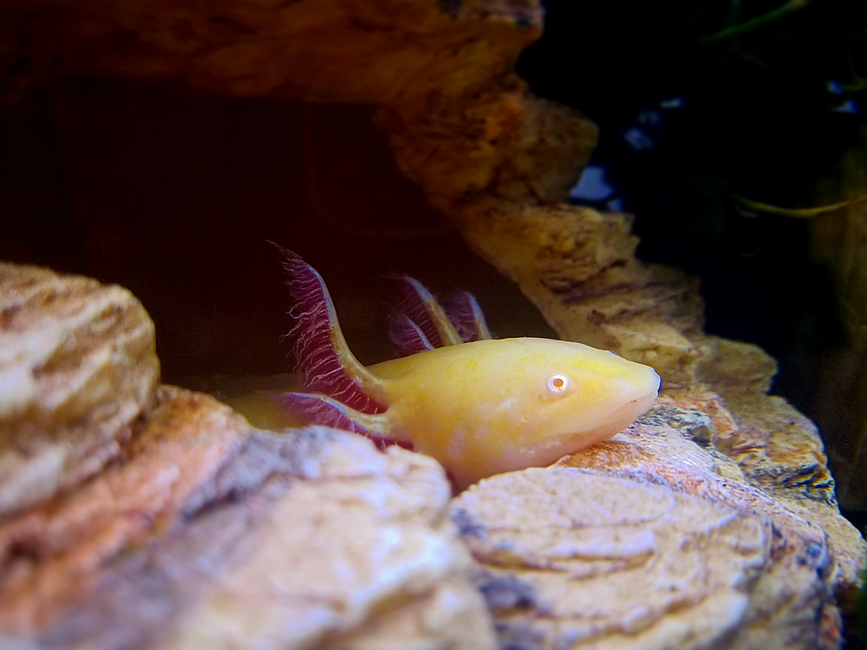
Additionally, the presence of hiding spots and vegetation can impact the dynamics of courtship. Axolotls tend to perform their dances in areas where they feel secure, as this allows them to focus on attracting a mate without the threat of predators. Therefore, maintaining a suitable habitat is crucial for the success of their reproductive behaviors. Natural habitats rich in aquatic plants provide both visual cues for courtship and safe zones for the axolotls, contributing to a robust mating environment.
Furthermore, environmental stressors, such as pollution and habitat destruction, can negatively affect the axolotl population and their courting rituals. Protecting their natural habitats is essential for ensuring that these fascinating creatures can continue to engage in their unique courting dance. Conservation efforts aimed at preserving aquatic ecosystems directly benefit axolotls by ensuring they have access to clean water and suitable breeding grounds. Additionally, public awareness campaigns can educate the community about the importance of maintaining healthy aquatic environments for these charming creatures.
The Importance of Axolotl Courting Dance
The courting dance of axolotls is not merely an elaborate spectacle; it serves vital functions in the ecosystem. By facilitating mate selection, this dance helps to maintain genetic diversity within the population, which is crucial for the long-term survival of the species. Genetic diversity is essential as it enables populations to adapt to changing environmental conditions, resist diseases, and maintain healthy reproductive rates.
Moreover, understanding the intricacies of the axolotl courting dance can provide insights into the broader context of animal behavior and reproduction. It illustrates how various species employ unique strategies to attract mates and ensure the continuation of their lineage. By studying these behaviors, researchers can uncover the evolutionary pressures that shape mating rituals across different species, contributing to our understanding of biodiversity.
📖 Read also: Unlocking the Secrets of Axolotl Mating Behavior: What You Need to Know
Additionally, studying these behaviors can have implications for conservation efforts. By recognizing the factors that influence axolotl mating success, conservationists can develop targeted strategies to protect their habitats and promote healthy populations. For instance, habitat restoration projects that address water quality issues may directly enhance the success of courtship rituals, leading to increased reproductive rates. The connection between courtship behavior and conservation highlights the importance of integrated approaches to species management.
Conclusion: Embracing the Wonder of Nature
The axolotl courting dance is a remarkable example of nature’s creativity and complexity. Through their vibrant displays and intricate movements, these creatures not only attract mates but also contribute to the health and sustainability of their populations. As we continue to explore the wonders of the natural world, the behaviors of the axolotl serve as a reminder of the intricate connections that exist within ecosystems.
By appreciating the beauty and significance of the axolotl courting dance, we can foster a deeper understanding of the importance of conservation and the preservation of habitats that support these extraordinary creatures. Each dance serves as a testament to the resilience of life in aquatic environments and highlights the need for continued efforts in conservation to ensure that future generations can witness this enchanting ritual.
Frequently Asked Questions (FAQ)
What is the axolotl courting dance?
The axolotl courting dance is a ritual performed by male axolotls to attract females during the mating season. It involves a series of elaborate movements and color displays that signal health and vitality.
Why is color important in axolotl courtship?
Color plays a significant role in axolotl courtship as brighter colors indicate health and genetic fitness. Females are more likely to choose mates with vivid colors, increasing the chances of healthy offspring.
How do environmental factors influence the courting dance?
Environmental factors such as water temperature, quality, and habitat structure can affect the behavior and health of axolotls, influencing the success of their courting dance and mating opportunities.
What are the benefits of understanding axolotl courting behavior?
Understanding axolotl courting behavior helps in recognizing the importance of genetic diversity, supporting conservation efforts, and appreciating the intricate connections within ecosystems.