
Axolotls, known for their unique appearance and fascinating regenerative abilities, have captured the hearts of pet enthusiasts and researchers alike. Among the various morphs available, some stand out not only for their beauty but also for their rarity and price. In this article, we will explore the most expensive axolotl morphs, their characteristics, and what makes them so sought after. If you’re considering adding one of these magnificent creatures to your aquarium or simply want to learn more, keep reading!
Understanding Axolotl Morphs
Before diving into the world of high-priced axolotls, it’s essential to understand what morphs are. Morphs refer to the different physical variations within a species, often caused by genetic mutations. In axolotls, these morphs can present in various colors and patterns, making them appealing to collectors and hobbyists. These variations are not just superficial; they can affect the axolotl’s health, behavior, and adaptability in captivity.
The most common axolotl morphs include the wild type, leucistic, golden albino, and melanoid. Each of these morphs has distinct traits, such as color patterns and skin texture, which contribute to their aesthetic appeal. For example, the leucistic axolotl is characterized by its pale pink color and dark eyes, while the golden albino is known for its bright yellow appearance. Each morph has its own dedicated following among enthusiasts, further driving the interest in axolotl breeding and collection.
With that foundation, let’s take a closer look at some of the most expensive axolotl morphs available today. Understanding their unique characteristics and care needs will help potential buyers make informed decisions.
The Rarest and Most Expensive Morphs
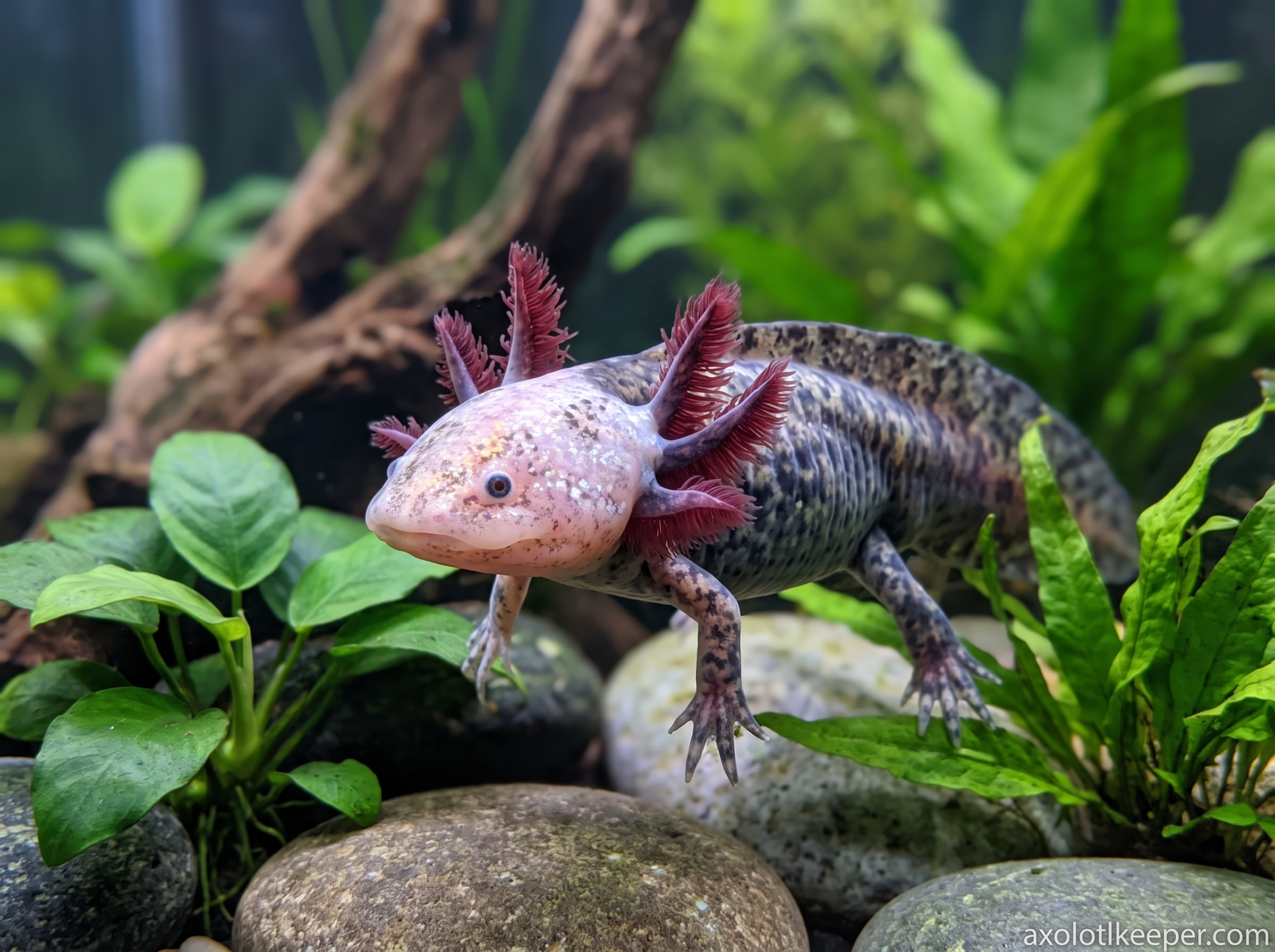
When it comes to axolotls, some morphs stand out due to their rarity and beauty. Here are some of the most expensive axolotl morphs that are currently in demand:
- GFP Axolotls: These axolotls have a green fluorescent protein that makes them glow under UV light. Their unique appearance and genetic rarity can command prices upwards of $1000. GFP axolotls are often used in scientific research due to their fluorescence, which allows researchers to track developmental processes and genetic expressions more easily.
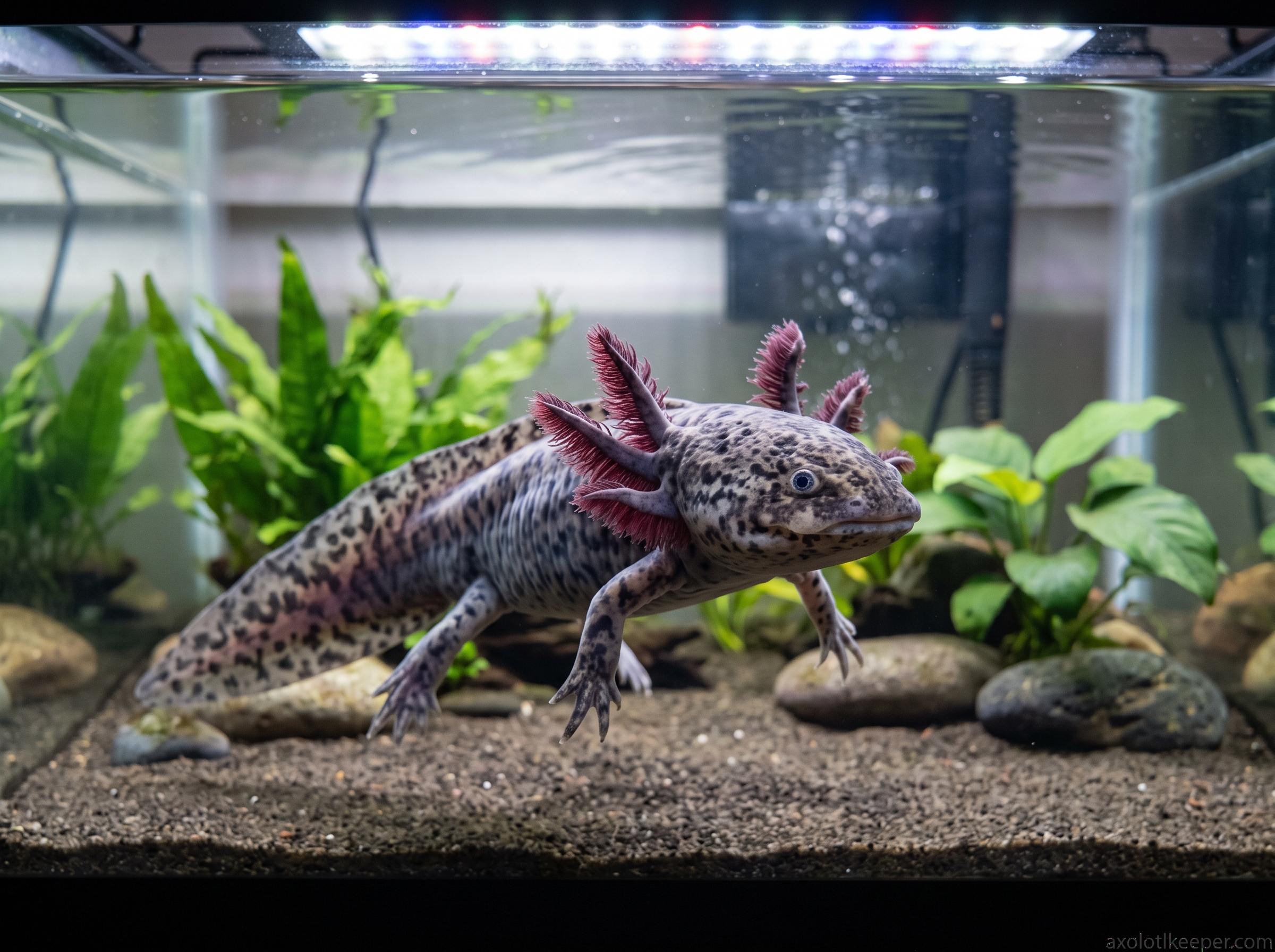
- Dark Melanoid: With a deep black coloration, dark melanoids are highly sought after. Their striking look can lead to prices ranging from $200 to $500. This morph’s solid black color is particularly appealing for aquarists who appreciate the dramatic contrast it provides in an aquarium setting.
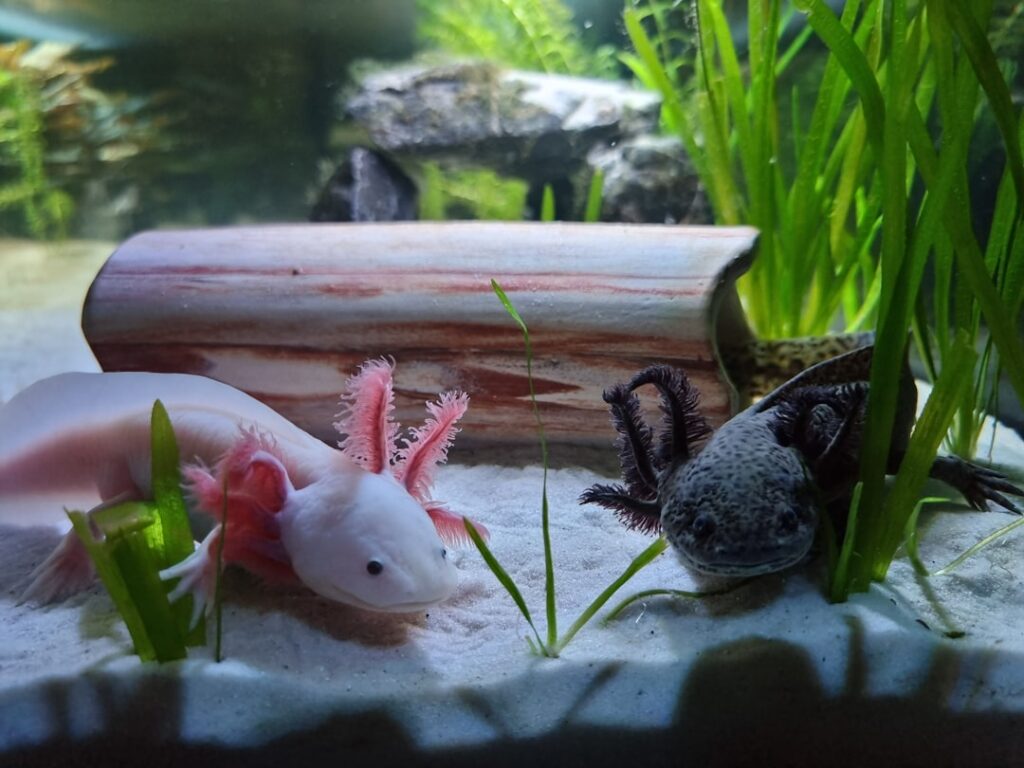
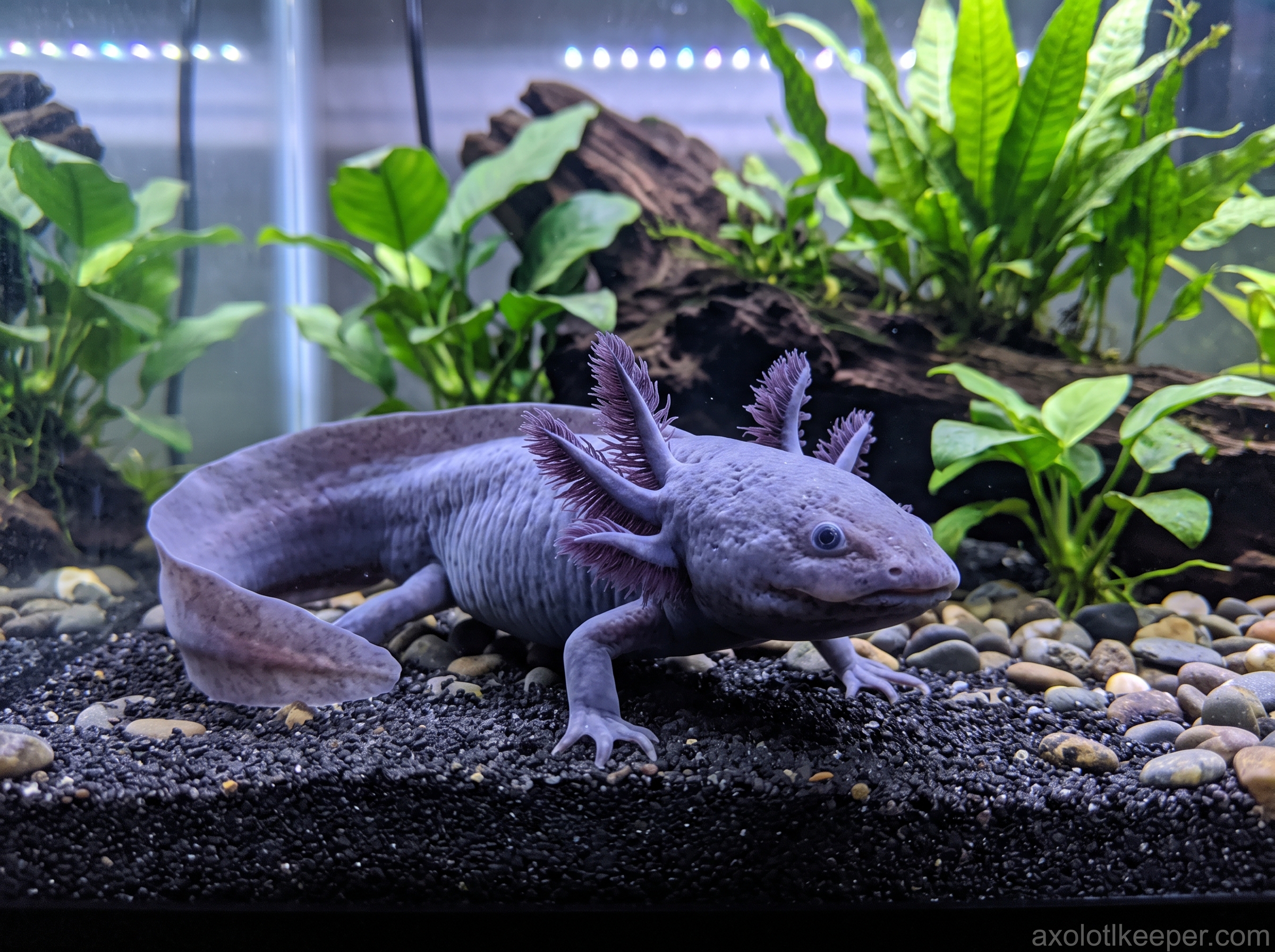
- Lavender Axolotls: This morph showcases a beautiful lavender hue, making them quite popular among collectors. Prices can reach $800 or more. The lavender color is due to a specific genetic mutation that affects pigmentation, resulting in a soft purple shade that is both rare and visually stunning.
These morphs are not only expensive but also require special care and attention. Understanding their needs, such as water quality and dietary requirements, is crucial for potential owners. Additionally, the rarity of these morphs often means that they have a unique set of health considerations that need to be monitored closely.
Factors Influencing the Price of Axolotl Morphs
Several factors contribute to the pricing of axolotl morphs. Here are some key aspects to consider:
📖 Baca juga: Unveiling the Secrets of Axolotl Color Morphs Explained (Guide + Visual) – A Must-Read for Enthusiasts!
Genetic Rarity
One of the primary reasons certain morphs are more expensive than others is their genetic rarity. Breeders often spend years developing specific traits through selective breeding, and the fewer individuals available, the higher the price. For instance, a morph that requires extensive selective breeding will cost more than a common variety. The process of developing these rare traits involves a deep understanding of genetics and a commitment to ethical breeding practices, which can add to the overall cost of these morphs.
Color and Pattern
The appearance of an axolotl can significantly impact its price. Unique colors and patterns, such as the vibrant hues of the lavender or the striking glow of GFP axolotls, attract buyers willing to pay a premium. The more visually appealing the morph, the higher the demand and price. Moreover, patterns such as spots, stripes, or gradients can also influence desirability. Collectors often seek out axolotls with specific patterns, causing price fluctuations based on current trends and preferences.
Market Demand
The popularity of certain morphs can fluctuate based on trends within the pet community. Social media platforms and online forums often influence which morphs are in demand. For instance, a sudden surge in interest in lavender axolotls can drive up their prices, making them a hot commodity. Furthermore, seasonal trends or events, such as pet expos or online auctions, can create spikes in demand, leading to variations in pricing. Understanding market trends is crucial for potential buyers and sellers alike.
Tips for Caring for Expensive Axolotl Morphs
Investing in a rare axolotl morph comes with responsibilities. Here are some tips for proper care:
Tank Setup
Provide a spacious tank with clean, cool water. Axolotls thrive in a temperature range of 16-18°C (60-64°F). Ensure that the tank is equipped with a proper filtration system to maintain water quality. It’s also essential to include hiding spots and enrichment items in the tank to reduce stress. Axolotls are naturally curious and benefit from a well-decorated environment that simulates their natural habitat.
Diet and Nutrition
Feeding your axolotl a balanced diet is crucial. They primarily eat high-quality pellets, worms, and small fish. Proper nutrition will help maintain their health and vibrant coloration. Additionally, it’s important to vary their diet to prevent nutritional deficiencies. Some owners also incorporate live food into their axolotl’s diet, which can stimulate natural hunting behaviors and promote overall well-being.
📖 Baca juga: Discover the Fascinating World of Chimera Axolotl: Nature’s Unique Marvels
Regular Monitoring
Keep an eye on your axolotl’s behavior and health. Regular water changes and monitoring parameters like pH and ammonia levels are essential. Any signs of illness should be addressed immediately. Regularly observing your axolotl can help you catch potential health issues early, such as changes in appetite or unusual swimming patterns. Establishing a routine for care and monitoring can greatly enhance the quality of life for your axolotl.
Conclusion
The world of axolotls is as diverse as it is fascinating, with some morphs commanding astonishing prices. The most expensive axolotl morphs, like GFP and lavender, are not just pets; they are unique creatures that require dedicated care. If you’re considering adding one of these rare beauties to your collection, ensure you are well-prepared for the responsibility that comes with it. Their rarity and beauty are matched only by the joy they bring to their owners. Investing in a rare axolotl morph can be a rewarding experience, provided you are knowledgeable and committed to their care.
Frequently Asked Questions (FAQ)
What are the most expensive axolotl morphs available?
The most expensive axolotl morphs include GFP axolotls, dark melanoids, and lavender axolotls, with prices ranging from $200 to over $1000.
How can I care for my expensive axolotl?
Caring for an expensive axolotl involves providing a suitable tank setup, a balanced diet, and regular monitoring of their health and environment.
Why are some axolotl morphs more expensive than others?
Some axolotl morphs are more expensive due to their genetic rarity, unique colors and patterns, and market demand influenced by trends in the pet community.
Where can I buy high-priced axolotl morphs?
High-priced axolotl morphs can be purchased from specialized breeders, aquarists, or online pet stores that focus on exotic pets.