
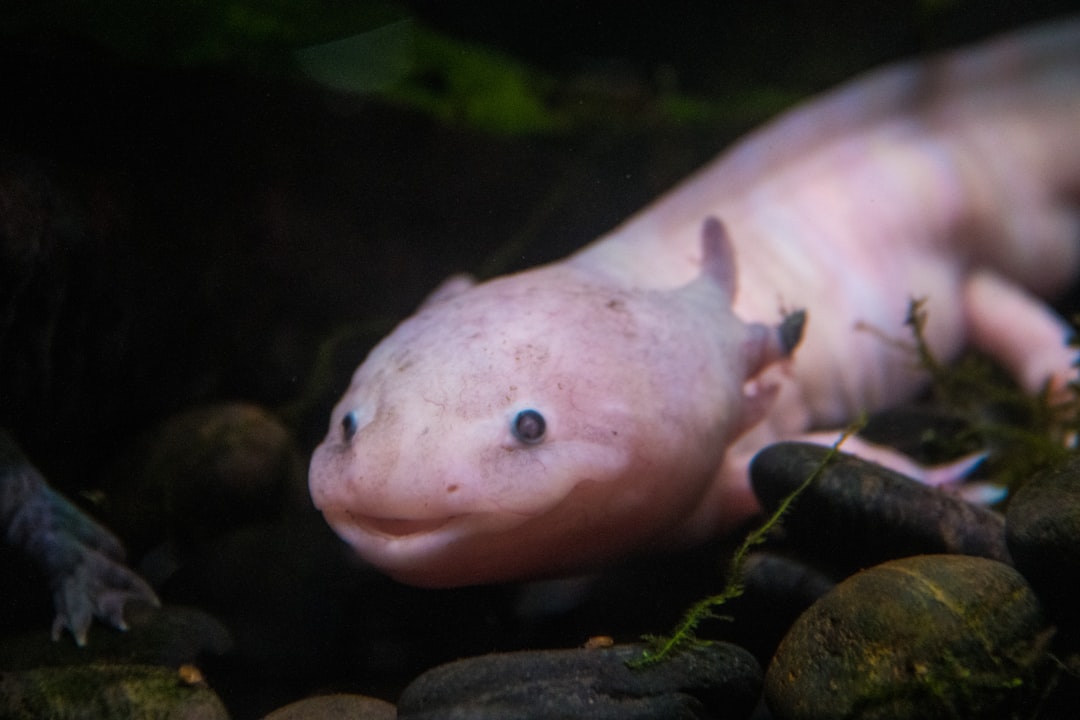
Axolotls are fascinating creatures that have captivated aquarists and animal lovers alike. Known for their unique appearance and regenerative abilities, these aquatic salamanders require specific care to thrive. One of the most critical factors in ensuring a healthy axolotl is maintaining the ideal water temperature. In this article, we will explore the optimal temperature range for axolotls, why it matters, and how to achieve it effectively.
Understanding the ideal water temperature for your axolotl is essential because it affects their health, behavior, and overall well-being. Axolotls are cold-water animals that thrive in cooler environments, typically ranging between 16°C to 18°C (60°F to 64°F). Temperatures higher than this can lead to stress, illness, and even death in extreme cases. Let’s dive deeper into the specifics of axolotl water temperature and how to maintain it.
Understanding the Ideal Axolotl Water Temperature
The ideal water temperature for axolotls is crucial for several reasons. First, it influences their metabolism. At optimal temperatures, axolotls are more active and exhibit healthier behaviors. For instance, a well-regulated temperature can encourage axolotls to explore their environment and engage in natural hunting behaviors, such as foraging for food.
Second, maintaining the right temperature helps prevent the growth of harmful bacteria and parasites, which can thrive in warmer water. Research has shown that pathogens like Aeromonas hydrophila, which can cause infections in axolotls, are more prevalent in elevated temperatures.
Lastly, proper temperature control can enhance the axolotl’s immune system, making them less susceptible to diseases. Studies have indicated that axolotls kept in their ideal temperature range not only have better growth rates but also exhibit stronger immune responses. Axolotls are ectothermic animals, meaning their body temperature is regulated by the surrounding environment. This characteristic makes them particularly sensitive to temperature changes. A stable, cool environment not only supports their health but also mimics their natural habitat, giving them a sense of security.
Why Temperature Affects Axolotl Health
When the water temperature rises above the ideal range, axolotls can experience stress. This stress manifests in several ways, including lethargy, loss of appetite, and increased susceptibility to diseases. For example, an axolotl exposed to temperatures above 20°C (68°F) may become less active and refuse to eat, which can lead to further health complications if not addressed. High temperatures can also lead to a condition known as hyperthermia, which can be fatal if not addressed promptly. Hyperthermia can cause metabolic rates to skyrocket, leading to organ failure and death.
Conversely, water that is too cold can also pose risks. While axolotls can tolerate lower temperatures, prolonged exposure to extremely cold conditions can slow their metabolism, affecting their growth and reproduction. A temperature drop below 10°C (50°F) can lead to hibernation-like states, where axolotls may become inactive and stop feeding altogether. Therefore, it’s essential to strike the right balance for optimal health, ensuring that the water temperature does not fluctuate too drastically.
 📖 Read also:
The Ultimate Guide to Axolotl Water Temperature: What You Need to Know

How to Measure and Maintain Water Temperature
To ensure your axolotl’s environment remains within the ideal temperature range, regular monitoring is crucial. Using an aquarium thermometer is the best way to keep track of the water temperature. Digital thermometers are particularly useful for their accuracy and ease of reading. It’s advisable to place the thermometer at a location in the tank where it can provide a consistent temperature reading, away from direct heat sources or cold drafts.
If you find that your water temperature fluctuates too much, consider investing in a reliable aquarium heater. However, it’s essential to choose a heater designed for use with cold-water species. Avoid using heaters that can raise the temperature above 20°C (68°F), as this can be harmful. Additionally, implementing a cooling system, such as ice packs or fans, can help regulate temperatures during hotter months. Regularly checking the temperature, especially during seasonal changes, is vital for maintaining a stable environment.
Signs That Your Axolotl is Uncomfortable
It’s vital to be aware of the signs that your axolotl may be uncomfortable due to temperature issues. Look for behaviors such as lethargy or hiding more than usual. An axolotl that is consistently hiding may be trying to escape the discomfort caused by unsuitable water temperatures. Loss of appetite is another significant indicator; if your axolotl refuses food for more than a day or two, it’s time to investigate further.
Unusual swimming patterns or floating at the surface can also signal distress. Healthy axolotls typically swim at mid-water levels; however, if they are excessively floating or struggling to maintain depth, it may indicate temperature stress. Visible signs of stress, such as gaping or rapid gill movement, should never be overlooked. If you notice any of these signs, check the water temperature immediately and make adjustments as necessary to restore comfort to your axolotl.
Additional Factors Influencing Axolotl Care
While temperature is a crucial aspect of axolotl care, several other factors contribute to their overall health. Water quality, tank size, and diet all play significant roles in their well-being. Maintaining clean water through regular changes and using a quality filtration system can help keep your axolotl healthy. High ammonia levels, often resulting from inadequate filtration or infrequent water changes, can cause more harm than temperature fluctuations. Aim for water changes of about 20% weekly to maintain optimal conditions.
Additionally, providing a spacious tank with hiding spots can reduce stress and promote natural behaviors. Axolotls are naturally solitary creatures, and a larger tank allows them to establish their territory and feel secure. Incorporating plants, rocks, and other decorations can create a more stimulating environment. Feeding your axolotl a balanced diet that includes high-quality pellets, earthworms, and bloodworms will also support their health and vitality. Always ensure that food is appropriate for their size and age, as overfeeding or underfeeding can lead to health issues.
Common Myths About Axolotl Temperatures
There are several misconceptions regarding axolotl temperature needs. One common myth is that axolotls can thrive in warm temperatures, which is far from the truth. Many owners assume that since axolotls are often sold in stores without clear temperature guidelines, they can adapt to higher temperatures. However, this misunderstanding can lead to serious health issues, including stress and disease outbreaks. It’s essential for potential axolotl owners to research and understand the specific needs of these animals before bringing them home.
 📖 Read also:
Essential Guide to Axolotl Water Parameters: Temperature, pH, and Ammonia Levels

Another myth is that axolotls do not require temperature regulation if kept in a cool room. While cooler ambient temperatures may help, it’s still essential to monitor the water temperature directly, as it can vary significantly from the room temperature. During the warmer months, the temperature in the tank can rise, even if the room temperature is comfortable. Therefore, it’s important to always keep a close eye on the water temperature to ensure a healthy environment.
Conclusion: Prioritizing Your Axolotl’s Environment
In conclusion, maintaining the ideal water temperature for your axolotl is paramount to their health and happiness. Aim for a temperature range of 16°C to 18°C (60°F to 64°F) and monitor it regularly with a reliable thermometer. Be aware of signs of discomfort and adjust the environment as needed. By prioritizing their temperature needs, you’ll ensure your axolotl thrives in a safe and healthy aquarium. Remember that a well-cared-for axolotl can live for over a decade, so investing in the right equipment and knowledge is crucial for their long-term well-being.
Frequently Asked Questions (FAQ)
What is the ideal temperature range for axolotls?
The ideal temperature range for axolotls is between 16°C to 18°C (60°F to 64°F). This range helps maintain their health and well-being.
Can axolotls survive in warmer water?
While axolotls can tolerate slightly warmer water, prolonged exposure to temperatures above 20°C (68°F) can lead to stress and health issues.
How often should I check the water temperature?
It’s best to check the water temperature daily to ensure it remains within the ideal range. Regular monitoring helps prevent sudden fluctuations that could harm your axolotl.
What signs indicate my axolotl is stressed?
Signs of stress in axolotls include lethargy, loss of appetite, unusual swimming patterns, and visible signs of distress such as rapid gill movement.