
Are you fascinated by the unique and adorable axolotl? This aquatic creature, known for its regenerative abilities and charming appearance, requires specific water conditions to thrive. One of the most critical aspects of axolotl care is maintaining the right water temperature. In this article, we will explore the ideal water temperature for axolotls, the reasons behind these requirements, and tips for ensuring your axolotl lives a healthy and happy life.
Understanding the axolotl’s natural habitat can give us valuable insights into their temperature preferences. Native to the lakes of Mexico, axolotls are accustomed to cooler waters. This preference is not just a quirk; it plays a crucial role in their metabolism, growth, and overall health. Let’s dive deeper into the optimal water temperatures for axolotls and how to achieve them.

Optimal Water Temperature for Axolotls
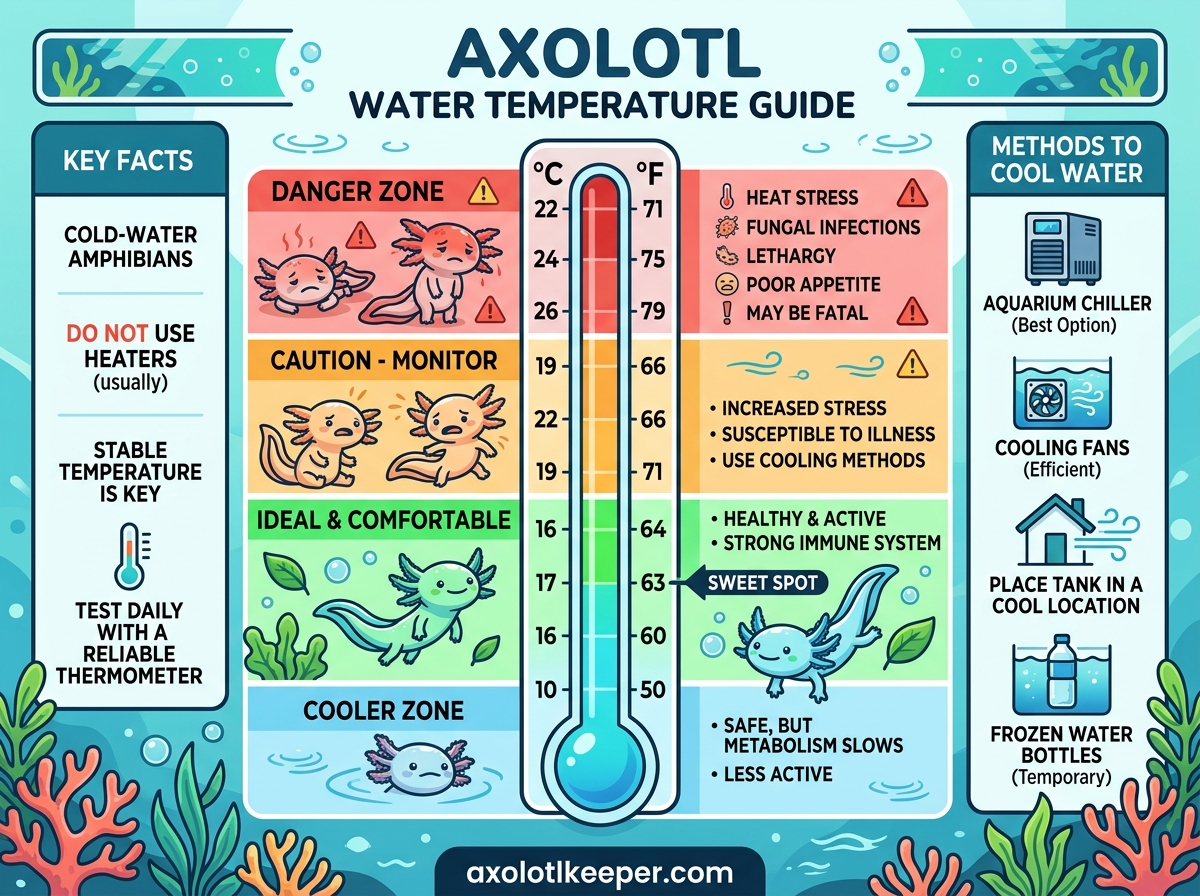
Keeping axolotls in the right water temperature range is essential for their well-being. The ideal temperature for axolotls is generally between 16°C to 18°C (60°F to 64°F). Temperatures above 20°C (68°F) can stress these creatures and lead to health complications. In this section, we’ll discuss why it’s crucial to maintain this temperature range and how you can achieve it.
The ideal temperature range for axolotls is vital for several reasons. Firstly, cooler temperatures help to slow down their metabolism, which is essential for preventing rapid growth and ensuring that they do not outgrow their environment too quickly. This slow metabolism allows axolotls to conserve energy and utilize their resources more effectively. Additionally, maintaining a stable temperature can prevent stress and susceptibility to diseases. Stress can compromise their immune systems, making them more prone to infections and other health issues.
Moreover, the right temperature is crucial for their reproductive health. If the water is too warm, it can negatively impact breeding success and the viability of eggs, which can lead to reduced population numbers in captive environments. Therefore, understanding and maintaining the ideal temperature is not just about keeping your axolotl comfortable; it’s about promoting their overall well-being and longevity.
Understanding the Ideal Temperature Range
As mentioned, the ideal temperature range for axolotls is between 16°C to 18°C (60°F to 64°F). Within this range, axolotls exhibit normal activity levels, and their feeding and growth rates remain optimal. When temperatures start to increase beyond this range, axolotls may become less active, spending more time at the bottom of the tank or hiding. This behavior can indicate stress or discomfort.
In terms of scientific research, studies have shown that axolotls kept at temperatures above 20°C experience increased metabolic rates, which can lead to quicker aging and a shorter lifespan. Conversely, temperatures that dip below 16°C can lead to a state of torpor, where the axolotl becomes lethargic and may refuse to eat. This emphasizes the importance of not only maintaining an ideal temperature but ensuring that it is stable and consistent as fluctuations can be harmful.
Consequences of Incorrect Temperatures
When axolotls are exposed to temperatures outside of their preferred range, they can experience various health issues. High temperatures can lead to increased stress, weakened immune systems, and even death. It’s important to note that axolotls are ectothermic, meaning their body temperature is regulated by their environment. Therefore, when the water temperature rises, so does their internal body temperature, leading to stress responses that can compromise their health.
Conversely, temperatures that are too low can cause lethargy and a slowdown in growth. In extreme cases, prolonged exposure to cold water can lead to hypothermia, which can be fatal. Additionally, low temperatures can hinder their ability to digest food properly, leading to potential nutritional deficiencies. Therefore, monitoring and adjusting the water temperature is crucial for axolotl owners to prevent these adverse effects.
How to Maintain the Right Temperature
Maintaining the right water temperature for your axolotl can be achieved through several methods. Firstly, investing in a reliable aquarium heater is essential, especially if you live in a location where water temperatures fluctuate significantly. A heater with a thermostat will help maintain a consistent temperature, ensuring that your axolotl remains comfortable.
 📖 Read also:
Essential Guide to Axolotl Water Parameters: Temperature, pH, and Ammonia Levels

It’s also crucial to use a thermometer to regularly check the water temperature. Digital thermometers offer quick readings and can be more accurate than traditional glass thermometers. Additionally, consider placing your tank in a stable environment away from direct sunlight, as this can cause temperature spikes. Positioning your aquarium in a room that remains at a stable ambient temperature will also help in maintaining a consistent water temperature.
Another effective method is to insulate your tank. Using insulating materials on the sides of the aquarium can help maintain the temperature, especially during colder months. Moreover, performing regular water changes with water that is at the same temperature as the tank can prevent sudden temperature shocks that may occur during maintenance.
Tips for Adjusting Water Temperature
Adjusting the water temperature for your axolotl can sometimes be necessary, especially during seasonal changes. Here are some effective tips to ensure that you can quickly and safely adjust the temperature of your axolotl’s habitat.
Whenever you need to adjust the temperature, do so gradually. Sudden changes can shock your axolotl and lead to severe stress or health issues. Aim for a change of no more than 1-2°C (1-3°F) per hour. For instance, if you need to lower the temperature, consider using a fan or adding ice packs wrapped in cloth to the tank to gently bring down the temperature over time.
If you live in a warmer climate, consider using a chiller specifically designed for aquariums. This can be an effective way to keep the water temperature within the ideal range without relying solely on heaters. Additionally, using a fan above the tank can help evaporate some water and cool the tank down. However, ensure that the fan is not blowing directly into the water, as this can cause unwanted evaporation and stress your axolotl.
Regular Monitoring
Consistently monitor the temperature using both a digital and a traditional thermometer. This dual approach can help you catch any fluctuations early and adjust as needed. Regular monitoring is crucial, especially after making adjustments or during seasonal changes when temperatures can fluctuate significantly.
In addition to monitoring the temperature, pay attention to your axolotl’s behavior. Changes in activity levels, feeding habits, or overall demeanor can indicate that the temperature may be off. If your axolotl appears lethargic or is not eating, it may be a sign that you need to reevaluate the water temperature.
Common Mistakes When Managing Axolotl Temperature
Even seasoned axolotl owners can make mistakes when managing water temperatures. Being aware of these common pitfalls can help you avoid them and ensure a healthier environment for your axolotl.
One of the most common mistakes is not regularly checking the water temperature. Small fluctuations can lead to significant health issues over time. Make it a habit to check the temperature daily. Keeping a temperature log can also be beneficial, allowing you to track any patterns or anomalies that may arise.
 📖 Read also:
Unlocking the Secrets: How Temperature Triggers Axolotl Breeding

Another mistake is placing your aquarium in direct sunlight, which can cause the water to heat up excessively. Ensure that your tank is in a shaded area or use curtains to block out direct light. Direct sunlight can not only raise the temperature but also promote algae growth, which can further complicate water quality management.
Relying Solely on Heaters
While heaters are essential, relying solely on them without monitoring can lead to overheating. Always have a thermometer in place to keep track of the temperature. Regularly inspect the heater itself to ensure it is functioning correctly and not malfunctioning, which can lead to dangerous temperature spikes.
Additionally, avoid placing the heater too close to the axolotl’s hiding spots, as this can create localized hot spots that can stress them. Instead, place the heater in a location that allows for proper water circulation, ensuring an even distribution of temperature throughout the tank.
Conclusion
Maintaining the proper water temperature for your axolotl is crucial for its health and happiness. By keeping the water temperature between 16°C to 18°C (60°F to 64°F), you can create a suitable environment for your axolotl to thrive. Regular monitoring, gradual adjustments, and avoiding common mistakes will help ensure that your axolotl lives a long and healthy life. Remember, a happy axolotl is a well-cared-for axolotl!
Understanding the specific needs of your axolotl, including their temperature preferences, is key to providing a nurturing environment. As you become more familiar with their behaviors and needs, you will be better equipped to create a habitat that promotes their health and well-being. With the right care, your axolotl can live a fulfilling life, showcasing its unique traits and charm.
Frequently Asked Questions (FAQ)
What is the ideal water temperature for axolotls?
The ideal water temperature for axolotls is typically between 16°C to 18°C (60°F to 64°F).
Can axolotls survive in warmer water?
Axolotls can survive in warmer water, but temperatures above 20°C (68°F) can cause stress and health issues. It’s crucial to monitor their environment closely to avoid potential risks.
How can I cool down my axolotl’s tank?
You can cool down your axolotl’s tank by using a chiller, placing the aquarium in a shaded area, and performing partial water changes with cooler water. Additionally, you might consider using frozen water bottles or ice packs to help bring down the temperature gradually.
Is it safe to use ice cubes in the tank?
While you can use ice cubes to cool the water, be cautious as they can cause sudden temperature drops. It’s better to use chilled water for gradual cooling, ensuring that you do not shock your axolotl with rapid temperature changes.