
Axolotls, the fascinating aquatic creatures known for their regenerative abilities, have sparked curiosity among scientists and enthusiasts alike. One intriguing aspect of these amphibians is how to determine their gender, which is essential for breeding and conservation efforts. Understanding the methods used for axolotl gender determination can enhance our knowledge of their biology and improve breeding practices. In this article, we will explore five effective methods for determining the gender of axolotls.
Methods for Determining Axolotl Gender
Determining the gender of axolotls is crucial for those involved in breeding or studying these unique animals. While axolotls do not exhibit external sexual dimorphism as clearly as some other species, there are several reliable methods to identify their gender. Below, we will discuss five key techniques that can be utilized to accurately determine whether an axolotl is male or female.

Observing Body Shape
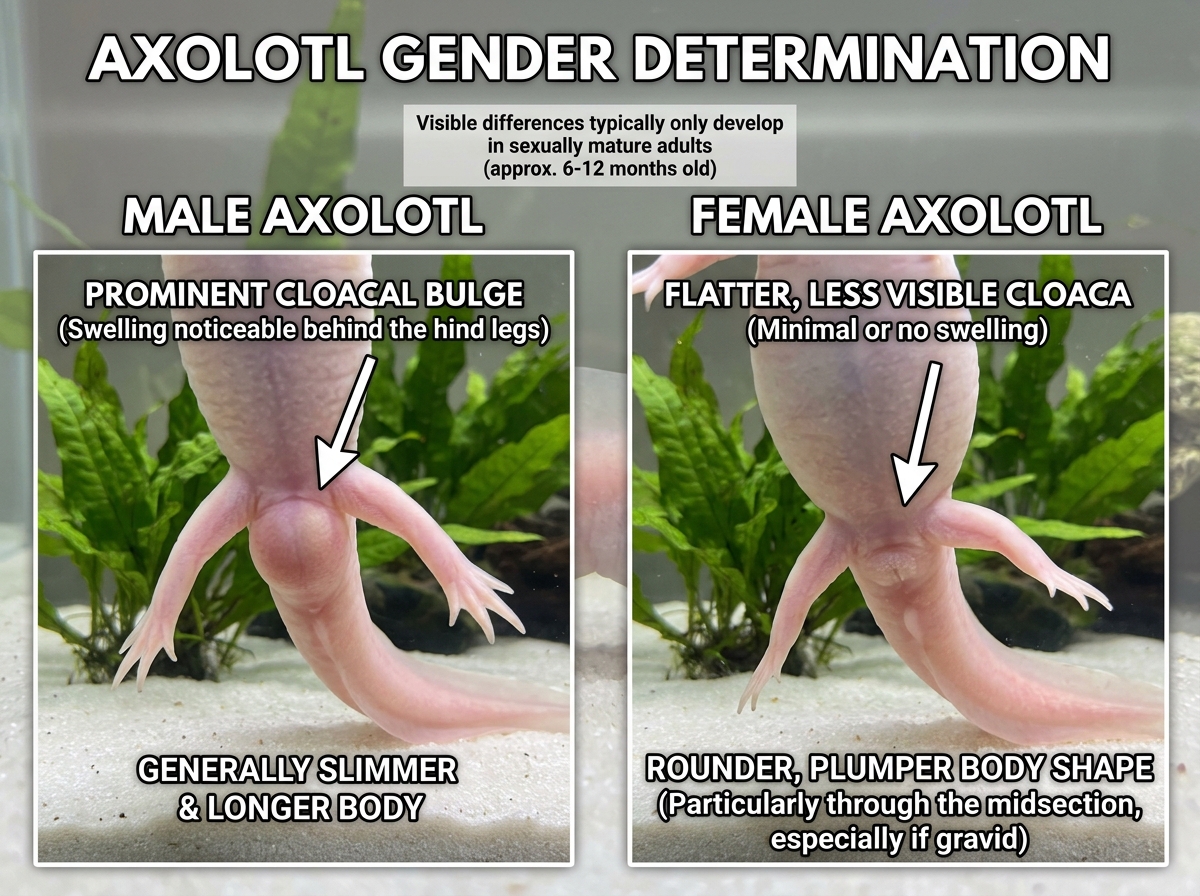
One of the simplest methods to determine an axolotl’s gender is by observing its body shape. Male axolotls tend to have a more slender and elongated body compared to females, who are generally stockier and rounder, especially when they are ready to breed. This difference in body shape is most noticeable during the breeding season when females develop a bulging abdomen due to the presence of eggs. This physical change is often accompanied by behavioral shifts, where females become more sedentary, preparing to lay eggs.
Additionally, males often have a more pronounced head and broader shoulders, which can further aid in gender identification. These features become particularly apparent as axolotls mature, and they can be observed in both juvenile and adult axolotls. However, this method may require some experience, as juvenile axolotls can be challenging to distinguish based solely on body shape. Factors such as diet and health can also influence body shape, making this method more reliable during the breeding season.
Examining Cloacal Region
The cloacal region of axolotls is another area to inspect for gender determination. Males possess a more pronounced cloaca, which appears larger and rounder, while females have a smaller and flatter cloaca. During the breeding season, the male’s cloaca may also exhibit a more prominent papilla, which is an indicator of maturity. This feature becomes particularly relevant when males are courting females, as a well-developed cloaca can signify readiness to breed.
This method is effective but may require some handling of the axolotl, so it’s important to do this gently to avoid stress. Proper handling techniques include supporting the axolotl’s body and minimizing time spent out of the water. Additionally, observing the cloacal region in different lighting conditions can help highlight the differences, making it easier to identify the gender accurately.
Behavioral Observations
Behavior can also provide clues about an axolotl’s gender, particularly during the mating season. Males are typically more active and may display courtship behaviors, such as swimming in circles around females, nudging, or even performing a dance-like display. These behaviors are designed to attract females and indicate that a male is ready to breed. During this period, males may also exhibit territorial behaviors, asserting dominance over other males, which can lead to aggressive interactions.
 📖 Read also:
Unlocking the Secrets: How to Tell Axolotl Gender with Ease
Conversely, females may appear more passive during this time, focusing on finding suitable breeding spots. Observing these interactions can offer valuable insights into the gender of your axolotls, especially in community tanks where multiple individuals are present. It’s essential to create an environment that allows for these natural behaviors to be observed, as they can serve as significant indicators of gender beyond physical characteristics.
Weight and Size Comparison
While less common, comparing the weight and size of axolotls can also aid in gender determination. Typically, females are larger and heavier than males, particularly when they are carrying eggs. This size difference is most pronounced when the axolotls are mature and at breeding age. It is important to note that female axolotls can weigh significantly more when they are gravid, as they carry a substantial number of eggs, which can lead to a noticeable increase in size.
However, it’s essential to note that size and weight can vary due to genetics and environmental factors, making this method less reliable than others. Environmental conditions such as water quality, temperature, and diet can influence growth rates and overall size. Therefore, while size comparisons can provide additional clues, they should be used in conjunction with other methods for the best results.
Genetic Testing
For the most accurate determination of axolotl gender, genetic testing is the most reliable method. By analyzing DNA samples, scientists can definitively identify the sex of an axolotl. This method is particularly useful in research settings where precise data is required. Genetic testing can also help uncover underlying genetic traits that may not be visible through physical examination alone, providing a deeper understanding of the axolotl’s biology.
While it may not be practical for casual keepers, genetic testing can provide valuable insights into the population dynamics of axolotls in conservation and breeding programs. This technique can also help identify potential genetic issues that may affect breeding outcomes, ensuring healthier offspring. As genetic testing technology advances, it may become more accessible for hobbyists interested in breeding axolotls.
Why Knowing Axolotl Gender Matters
Understanding the gender of axolotls is essential for several reasons. Firstly, it aids in effective breeding practices, ensuring that keepers can successfully pair males and females for reproduction. This is particularly important for conservation efforts, as many axolotl populations are endangered in the wild. By understanding the gender ratios in breeding programs, conservationists can better manage breeding pairs to enhance genetic diversity and population stability.
 📖 Read also:
Unlocking the Mystery: At What Age Can You Sex Axolotls?

Secondly, knowing the gender helps aquarists create more harmonious tank environments. Males may exhibit territorial behaviors, particularly during mating seasons, which can lead to aggression if multiple males are housed together. By understanding the gender dynamics, keepers can better manage their tanks to reduce stress and promote well-being among their axolotls. This knowledge also assists in selecting tank mates that are less likely to cause conflict, creating a more peaceful living environment for all inhabitants.
Conclusion
Determining the gender of axolotls can be achieved through various methods, including observing body shape, examining the cloacal region, behavioral observations, weight comparison, and genetic testing. Each method has its strengths and weaknesses, and understanding these can enhance the care and breeding of axolotls. As interest in axolotls continues to grow, so does the importance of employing accurate gender determination techniques to ensure the health and sustainability of these remarkable creatures. By utilizing these methods effectively, enthusiasts and researchers alike can contribute to the preservation and understanding of axolotls in both captivity and the wild.
Frequently Asked Questions (FAQ)
Can axolotls change their gender?
No, axolotls cannot change their gender. Their sex is determined genetically and remains fixed throughout their life.
What is the best time to determine the gender of axolotls?
The best time to determine the gender of axolotls is during the breeding season when physical characteristics, such as body shape and cloacal appearance, are more pronounced.
Is genetic testing for axolotls expensive?
Genetic testing can be relatively expensive and is typically reserved for research purposes or breeding programs where accurate sex determination is crucial.
How can I reduce stress when handling axolotls?
To reduce stress when handling axolotls, always wet your hands before touching them, and minimize handling time. Ensure the environment is calm and quiet during the process.