

Axolotls, those fascinating aquatic creatures known for their regenerative abilities, have a unique way of signaling their readiness to breed. One prominent indicator is cloaca swelling, a physiological change that can excite both novice and experienced axolotl enthusiasts. Understanding this sign can enhance breeding success and ensure the health of your axolotls during the mating process.
In this article, we’ll explore what cloaca swelling means, why it occurs, and how to recognize it, alongside other crucial aspects of axolotl breeding. This knowledge not only helps in breeding but also contributes to the overall well-being of these remarkable animals.
Whether you are a seasoned breeder or just starting, knowing the signs of readiness in your axolotls can make a significant difference. Let’s dive deeper into the fascinating world of axolotl breeding!

Understanding Cloaca Swelling in Axolotls
Cloaca swelling in axolotls is primarily observed in females during the breeding season. This swelling is a critical signal that indicates the female’s readiness to mate. The cloaca, a common opening for the excretory and reproductive systems, undergoes changes in size and appearance, which can help breeders identify the right time for mating.
During the breeding season, hormonal changes trigger physiological adaptations in females, leading to the swelling of the cloaca. These changes are influenced by environmental factors such as water temperature and light cycles, which can affect hormonal release. This process is essential for successful reproduction, as it helps in the transfer of sperm and ensures that the eggs are fertilized effectively. Recognizing this sign is vital for anyone looking to breed axolotls successfully.
Additionally, the swelling can vary in size and appearance depending on the individual axolotl. Some females may exhibit a prominent bulge that is clearly visible, while others may show a more subtle change. Factors such as the axolotl’s age, health, and genetic background can influence these variations. Understanding these nuances is crucial for breeders aiming to enhance breeding outcomes significantly.
Identifying Cloaca Swelling
To identify cloaca swelling, breeders should look for several key characteristics. Firstly, the cloaca will appear larger and more pronounced than usual. This change can be subtle, so careful observation is necessary. Breeders should also observe the overall body condition of the axolotl, as a well-fed and healthy female may exhibit more pronounced swelling compared to one that is malnourished or stressed.
Secondly, the area may exhibit a slight color change, becoming more vivid or darkened compared to the surrounding skin. This change can indicate increased blood flow to the area, driven by hormonal changes, and is a good sign that the axolotl is preparing for breeding. Moreover, the timing of swelling is typically aligned with the breeding season, which can vary based on environmental conditions and the age of the axolotl. Breeders should be aware of the signs of readiness that precede this swelling, such as increased activity levels or specific behavioral changes.
In addition to physical signs, breeders can benefit from keeping a breeding calendar to track the seasonal changes in their axolotls. This practice can help in predicting when cloaca swelling is likely to occur and prepare for the breeding process accordingly. By combining physical observations with a systematic approach to monitoring, breeders can significantly improve their chances of successful breeding.
Behavioral Signs of Readiness
Alongside cloaca swelling, certain behavioral changes can signal that an axolotl is ready to breed. Increased swimming activity, particularly in females, is a common sign. They may dart around the tank, exhibiting excitement and restlessness as they search for mates. This heightened activity can sometimes lead to interactions with males, which is a crucial part of the breeding ritual.
In addition to increased activity, females may show more exploratory behavior, interacting with their environment and potential mates more frequently. This can include nudging or rubbing against the male, which serves as an invitation for courtship. Males, on the other hand, may display their readiness through specific behaviors such as chasing females, performing elaborate swimming patterns, or exhibiting changes in coloration as part of their courtship display.
Understanding these behaviors in conjunction with physical signs can provide a comprehensive understanding of breeding readiness. Breeders should pay attention to the dynamics between males and females during this time, as positive interactions can lead to successful mating. Documenting these behaviors can also help in recognizing patterns over time, which can be beneficial for future breeding efforts.
 📖 Read also:
5 Intriguing Axolotl Breeding Season Signs That Indicate It’s Time to Mate

Preparing for Breeding
Once you have identified cloaca swelling and other signs of readiness, preparing for the breeding process is the next crucial step. Creating an optimal breeding environment is essential for successful mating and egg development. The breeding tank should be a safe and comfortable space that mimics the axolotls’ natural habitat as closely as possible.
Breeders should ensure that the water quality is suitable, with appropriate temperatures and pH levels. The ideal temperature for breeding axolotls ranges from 16°C to 20°C (60°F to 68°F), and the pH should be kept between 6.5 and 7.5. Regular testing of water parameters is essential to maintain a stable environment. Additionally, providing hiding spots and suitable substrates can help create a stress-free environment for the axolotls, promoting natural mating behaviors.
Feeding axolotls a nutritious diet leading up to the breeding season can also enhance their overall health and readiness to breed. Offering a mix of high-quality pellets, live food such as earthworms or brine shrimp, and supplements will ensure that the axolotls are in peak condition. Proper nutrition not only supports reproductive health but also contributes to the vitality of the offspring.
Setting Up the Breeding Tank
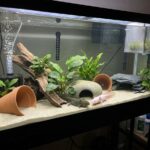
For successful breeding, setting up a dedicated breeding tank is advisable. This tank should be spacious enough to accommodate both the male and female axolotls while providing ample hiding spaces. A gentle filtration system is essential to maintain water quality without creating strong currents that could stress the axolotls. Additionally, the tank should be free of sharp objects that could injure the delicate skin of these creatures.
Consider adding plants and decorations that mimic their natural habitat, as this can encourage more natural behaviors during breeding. Live plants not only improve water quality but also provide additional hiding spots and surfaces for the female to lay her eggs. The right setup can significantly impact the success of axolotl breeding, as it fosters a comfortable atmosphere that encourages mating.
Lighting is another important factor; providing a natural light cycle can help regulate the breeding behavior of your axolotls. A consistent day-night cycle mimics their natural environment and can stimulate breeding behaviors. Setting up the breeding tank with these considerations in mind will greatly enhance the chances of successful mating and egg production.
Monitoring and Care During Breeding
During the breeding period, close monitoring is essential. Observe the behaviors of both the male and female axolotls to ensure they are interacting positively. If aggression or stress occurs, it may be necessary to separate them temporarily. This observation period is crucial to ensure that both axolotls feel safe and comfortable, which is vital for successful breeding.
It’s also important to monitor the water conditions regularly, ensuring that the parameters remain stable. Any fluctuations in water quality can lead to stress and health issues for the axolotls, which can negatively impact the breeding process. After breeding, the female will need extra care as she prepares to lay eggs, which can be an energy-intensive process. Providing a quiet, low-stress environment will help her conserve energy and focus on laying her eggs.
Breeders should also be prepared to intervene if necessary. In some cases, females may require assistance if they are having difficulty laying their eggs. Understanding the signs of distress and being ready to provide support can make a significant difference in the health and success of both the female and her eggs.
Post-Breeding Care and Expectations
After successful breeding, the next phase involves caring for the eggs and ensuring their proper development. Female axolotls can lay hundreds of eggs, which require specific conditions to thrive. These eggs are typically laid in clusters and adhere to surfaces in the tank, creating a beautiful sight for breeders.
Maintaining optimal water quality and temperature is crucial during this period. The ideal temperature for egg development is slightly warmer than that of the adult axolotls, ideally around 20°C to 22°C (68°F to 72°F). Additionally, removing any uneaten food and waste will help prevent fungal infections that could jeopardize the eggs. Regular water changes can help maintain a clean environment, reducing the risk of disease.
Breeders should also be prepared for the hatching process, which can take several weeks. Monitoring the eggs closely and being patient will pay off as you look forward to the arrival of new axolotl hatchlings. It’s advisable to have a separate rearing tank ready for the hatchlings, equipped with appropriate food and care to ensure their survival and growth.
 📖 Read also:
Unlock the Secrets to a Thriving Axolotl Breeding Tank Setup

Common Challenges in Axolotl Breeding
While breeding axolotls can be a rewarding experience, several challenges may arise. One common issue is the failure of eggs to fertilize, which can occur if the timing of mating is off or if the conditions are not optimal. Breeders should be aware of the signs of unsuccessful breeding, such as a lack of eggs or eggs that appear discolored or unhealthy.
Additionally, it’s essential to be aware of potential health issues that may arise during breeding, such as stress-related problems or infections. Keeping a close eye on the health of both the parents and the eggs can help mitigate these risks. Regular health checks and maintaining a clean environment are key factors in preventing diseases during this vulnerable time.
Another challenge can be the variability in egg development and hatching rates, which can differ significantly based on genetic factors and environmental conditions. Understanding these variables and being prepared for a range of outcomes can help breeders manage their expectations and adapt their care strategies accordingly.
Seeking Expert Advice
If you’re new to axolotl breeding or encounter difficulties, seeking advice from experienced breeders or professionals can be beneficial. Online forums, local aquarium clubs, and veterinary specialists can provide valuable insights and support. Many experienced breeders are willing to share their knowledge and tips, which can be invaluable for those new to the hobby.
Additionally, consider attending workshops or seminars focused on aquatic breeding and care. Networking with other axolotl enthusiasts can not only enhance your understanding but also provide a sense of community that can be encouraging during challenging times. Leveraging the experiences of others can help you navigate the complexities of axolotl breeding more effectively.
Conclusion
Understanding axolotl cloaca swelling as a breeding sign is crucial for anyone interested in breeding these unique creatures. Recognizing the physical and behavioral signs of readiness, preparing a conducive environment, and providing post-breeding care are all vital elements in successfully raising healthy axolotls. By following the guidelines outlined in this article and remaining attentive to your axolotls’ needs, you can enhance your breeding success and enjoy the fascinating journey of axolotl reproduction.
As you embark on this rewarding endeavor, remember that patience and observation are key. Each breeding cycle offers a unique learning opportunity, and by tuning into the specific needs and behaviors of your axolotls, you can create a thriving breeding environment that supports the next generation of these extraordinary amphibians.
Frequently Asked Questions (FAQ)
What does cloaca swelling in axolotls indicate?
Cloaca swelling in axolotls typically indicates that a female is ready to breed. This physiological change signals her readiness to mate with a male.
How can I prepare for axolotl breeding?
To prepare for axolotl breeding, ensure optimal water quality, provide a spacious breeding tank, and feed your axolotls a nutritious diet leading up to the breeding season.
What signs should I look for in male axolotls during breeding?
Male axolotls may exhibit increased swimming activity, chasing behaviors, and other courtship displays when they are ready to breed.
How long does it take for axolotl eggs to hatch?
Axolotl eggs typically take several weeks to hatch, depending on water temperature and conditions. Monitoring the eggs closely during this period is crucial.