
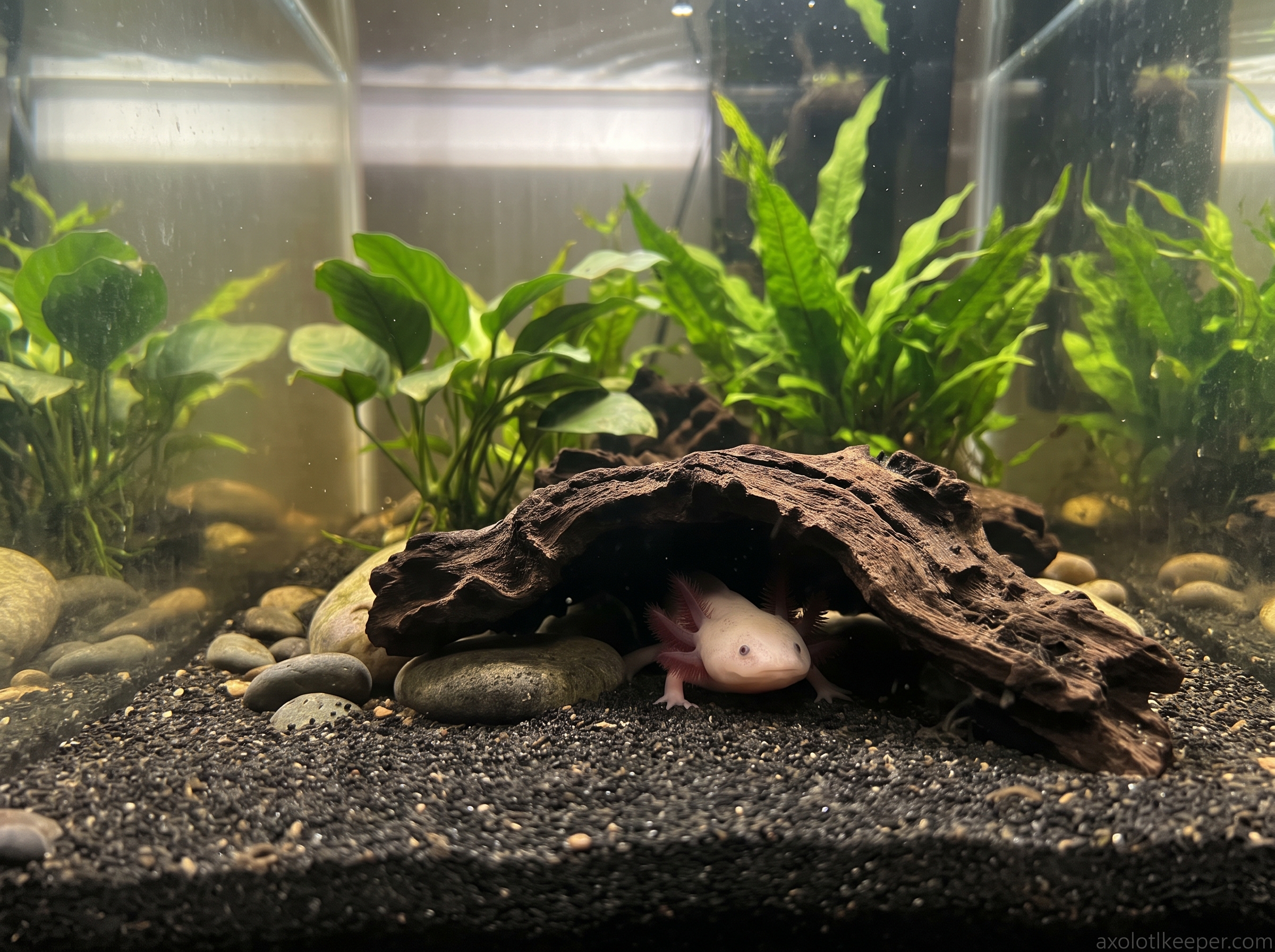
The axolotl, a fascinating amphibian known for its unique regenerative abilities, exhibits intriguing hiding behavior that captivates both researchers and pet owners alike. These creatures, native to the lakes of Mexico, have evolved to thrive in their aquatic environment, often using hiding as a crucial survival strategy. Understanding their hiding behavior not only sheds light on their natural instincts but also helps in creating a suitable habitat for them in captivity.
In this article, we will explore the various aspects of axolotl hiding behavior, including its significance, the factors influencing it, and how you can encourage natural behaviors in your pet axolotl. Through this exploration, you’ll gain valuable insights that can enhance both your understanding and your axolotl’s well-being.

The Importance of Hiding Behavior in Axolotls
Hiding is an essential behavior for axolotls, serving multiple purposes in their daily lives. For these creatures, who are often preyed upon by larger fish and birds, finding a safe space to retreat is vital. Hiding helps them avoid stress and potential threats, allowing them to conserve energy and maintain a healthy state. Additionally, being able to hide enhances their comfort level in their environment, which is particularly important in captivity.
Moreover, hiding behavior plays a crucial role in their feeding habits. Axolotls are ambush predators, and their ability to blend into their surroundings allows them to surprise prey effectively. This natural behavior not only aids in their survival in the wild but also has implications for their dietary habits in a captive setting. By understanding this behavior, owners can create environments that mimic their natural habitats, promoting healthy feeding practices and reducing stress.
Creating a habitat that encourages hiding can also improve the overall quality of life for your axolotl. This includes providing adequate hiding spots and ensuring that the tank environment is conducive to their natural behaviors. Ensuring that your axolotl feels secure and comfortable can significantly reduce anxiety levels, leading to a more active and healthy pet.
Factors Influencing Axolotl Hiding Behavior
Several factors influence how and when axolotls choose to hide. These factors can be categorized into environmental, social, and biological influences. Let’s delve deeper into each of these categories.
Environmental Factors
The environment significantly impacts an axolotl’s propensity to hide. Water quality, temperature, and the presence of suitable hiding spots are crucial. Axolotls thrive in cool, clean water, and any fluctuations in these parameters can cause stress, prompting them to seek refuge. For instance, if the water temperature rises above their preferred range of 16-18°C (60-64°F), axolotls may become lethargic and prone to hiding more often.
Additionally, providing items like rocks, plants, and caves can create a more enriching environment that encourages natural hiding behavior. The presence of live plants not only serves as a hiding spot but also improves water quality by absorbing harmful substances. Incorporating various structures and materials in the tank, such as driftwood or aquarium decorations, can significantly enhance the axolotl’s sense of security.
Social Factors
Axolotls are generally solitary creatures, and their social interactions can influence their hiding habits. When placed with other axolotls or different species, they may feel threatened, leading to increased hiding. In a shared tank, the presence of dominant individuals can create a stressful environment, prompting more timid axolotls to retreat into hiding spots.
Understanding the social dynamics within a tank is essential for maintaining harmony and ensuring that all creatures feel secure. If you observe aggressive behavior or excessive hiding among your axolotls, it may be necessary to separate them to reduce stress. Providing ample hiding spots can help mitigate conflicts and allow all axolotls to find refuge when needed.
Biological Factors
The biological makeup of axolotls also plays a role in their hiding behavior. Factors such as age, size, and health can affect how often they seek shelter. Younger axolotls, for instance, may hide more frequently as they are more vulnerable to predation. Their instinct to hide in the wild is a survival mechanism, and this behavior often continues into captivity.
📖 Read also: The Fascinating Behavior of Axolotls Resting on the Bottom: 7 Insights You Need to Know!
Additionally, sick or injured axolotls may exhibit increased hiding behavior as a response to stress or discomfort. Monitoring your axolotl’s health is crucial, as changes in hiding behavior can indicate underlying health issues. Regular check-ups and a keen eye on their activity levels can help ensure that your axolotl remains healthy and happy.

Encouraging Natural Hiding Behavior in Captivity
Creating an environment that mimics their natural habitat is essential for encouraging natural hiding behavior in captive axolotls. Here are several strategies you can implement to achieve this:
Providing Adequate Hiding Spots
Ensure that your axolotl’s tank contains various hiding spots. This can include caves, plants, and decorations that allow them to feel secure. The more options available, the more comfortable your axolotl will feel in its environment. Consider using both natural and artificial elements, such as terracotta pots or commercially available aquarium caves, to create a diverse habitat.
Moreover, placing the hiding spots in different areas of the tank can encourage exploration. Axolotls are curious creatures, and providing multiple hiding spots will allow them to roam and discover their environment while still feeling secure. This stimulation is essential for their mental health and can prevent boredom.
Maintaining Optimal Water Conditions
Regularly monitor and maintain the water quality and temperature within the tank. Keeping the water clean and at a stable, cool temperature will reduce stress and encourage your axolotl to explore rather than hide excessively. Using a high-quality filter and performing regular water changes are crucial steps in maintaining a healthy aquatic environment.
Additionally, test the water parameters regularly, including pH and ammonia levels, as these can greatly influence your axolotl’s behavior. A stable environment will help your axolotl feel secure and reduce the need to hide excessively due to environmental stressors.
Minimizing Stressful Interactions
Avoid overcrowding the tank and limit interactions with your axolotl to reduce stress. If you notice signs of aggression or stress from tank mates, consider separating them to create a more peaceful environment. Understanding the personality of your axolotl can also guide how much interaction they can handle without feeling threatened.
Moreover, providing a quiet space away from the tank’s activity can help your axolotl feel more secure. Limiting loud noises and disturbances around the tank will encourage a calm atmosphere, allowing your axolotl to thrive and exhibit natural behaviors.
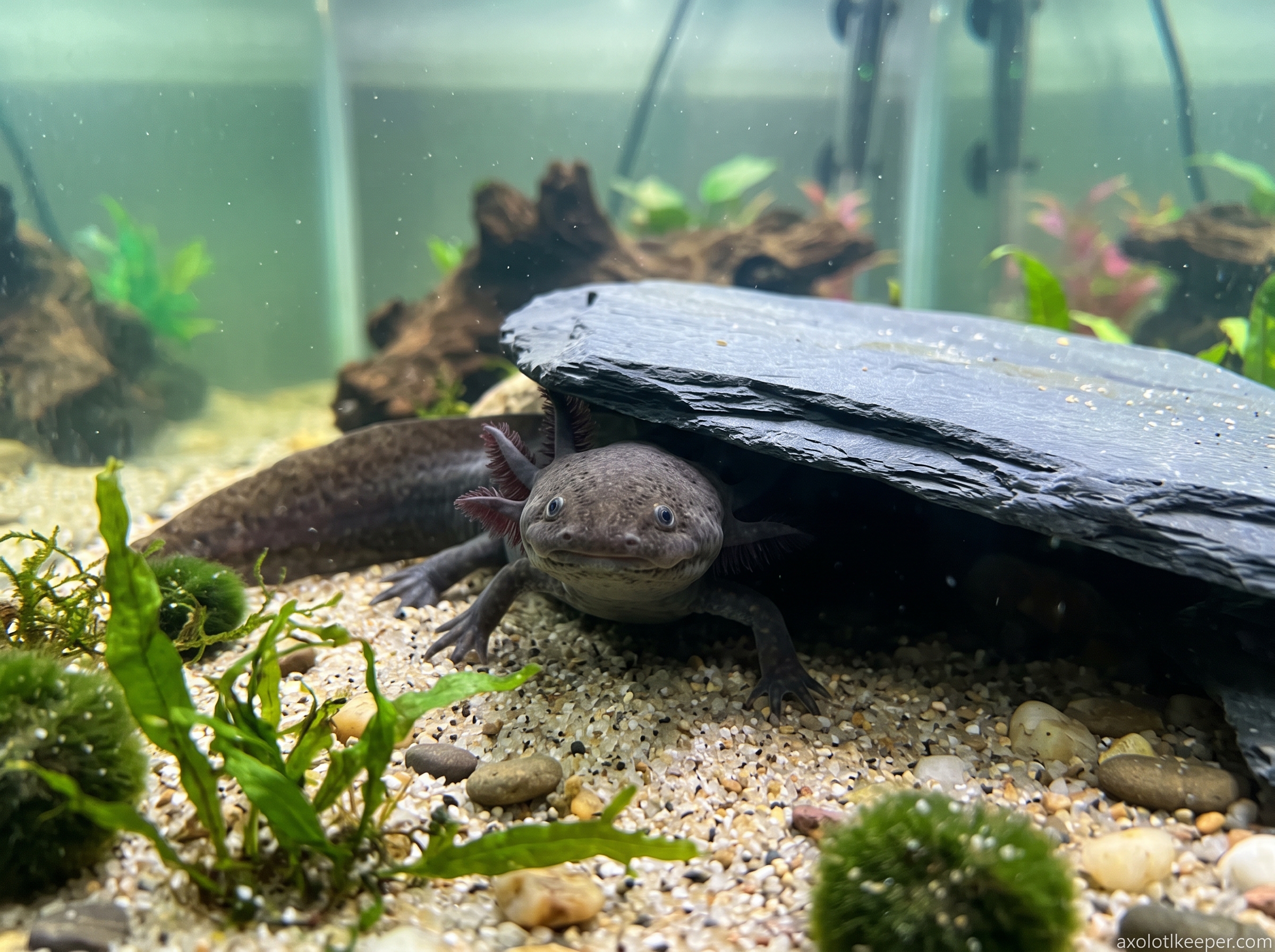
Common Myths About Axolotl Hiding Behavior
As with many aspects of animal behavior, misconceptions abound regarding axolotl hiding behavior. Here are a few common myths debunked:
Myth: Hiding Means the Axolotl is Sick
While axolotls do hide when they are unwell, hiding is also a natural behavior. It is essential to observe other signs of health, such as appetite and activity levels, before jumping to conclusions. A healthy axolotl may hide simply because it feels secure or is resting.
📖 Read also: Unveiling the Mysterious Nocturnal Behavior of Axolotls
To accurately assess your axolotl’s health, keep track of its eating habits and overall activity. If your axolotl is hiding but still eating and swimming normally, it may just be seeking comfort rather than showing signs of illness.
Myth: Axolotls Don’t Need Hiding Spots in Captivity
Many believe that axolotls can thrive without hiding spots in their tanks. However, providing hiding spots is crucial for their mental well-being and helps them feel secure in their environment. A tank without adequate hiding options can lead to increased stress and anxiety, affecting their overall health.
Research has shown that animals, including axolotls, benefit from environments that allow them to exhibit natural behaviors. This includes the ability to hide, which can significantly enhance their quality of life in captivity.
Myth: Hiding is a Sign of Stress
While excessive hiding can indicate stress, it is not always the case. Hiding is a natural behavior for axolotls, and they may simply be resting or feeling comfortable in their environment. It is essential to distinguish between normal hiding and excessive hiding that may indicate stress, which can be monitored by observing their overall behavior.
Encouraging a balanced environment that includes both hiding spots and open space for swimming can help ensure that your axolotl has the best of both worlds—security and the opportunity for exploration.
Conclusion
Understanding axolotl hiding behavior is essential for fostering a healthy and enriching environment for these unique creatures. By recognizing the importance of hiding, the factors influencing this behavior, and how to encourage it in captivity, you can significantly enhance your axolotl’s quality of life. Always remember that while hiding is a natural behavior, it is crucial to monitor your axolotl’s overall health and well-being to ensure they are thriving.
By creating a suitable habitat with adequate hiding spots and maintaining optimal water conditions, you can help your axolotl flourish in its aquatic home. A well-cared-for axolotl will not only exhibit natural behaviors but will also be a joy to observe and interact with.
Frequently Asked Questions (FAQ)
Why do axolotls hide so much?
Axolotls hide primarily for safety and comfort, as they are preyed upon in the wild. Hiding allows them to conserve energy and reduce stress. Their natural instinct to seek shelter is crucial for their well-being.
How can I tell if my axolotl is stressed?
Signs of stress in axolotls can include excessive hiding, loss of appetite, and unusual swimming patterns. Monitoring these behaviors can help identify stress levels and initiate adjustments to their environment.
What types of hiding spots are best for axolotls?
Natural items like rocks, caves, and aquatic plants work best as hiding spots for axolotls, as they mimic their natural habitat and provide security. The incorporation of various materials can enhance their sense of safety and comfort.