
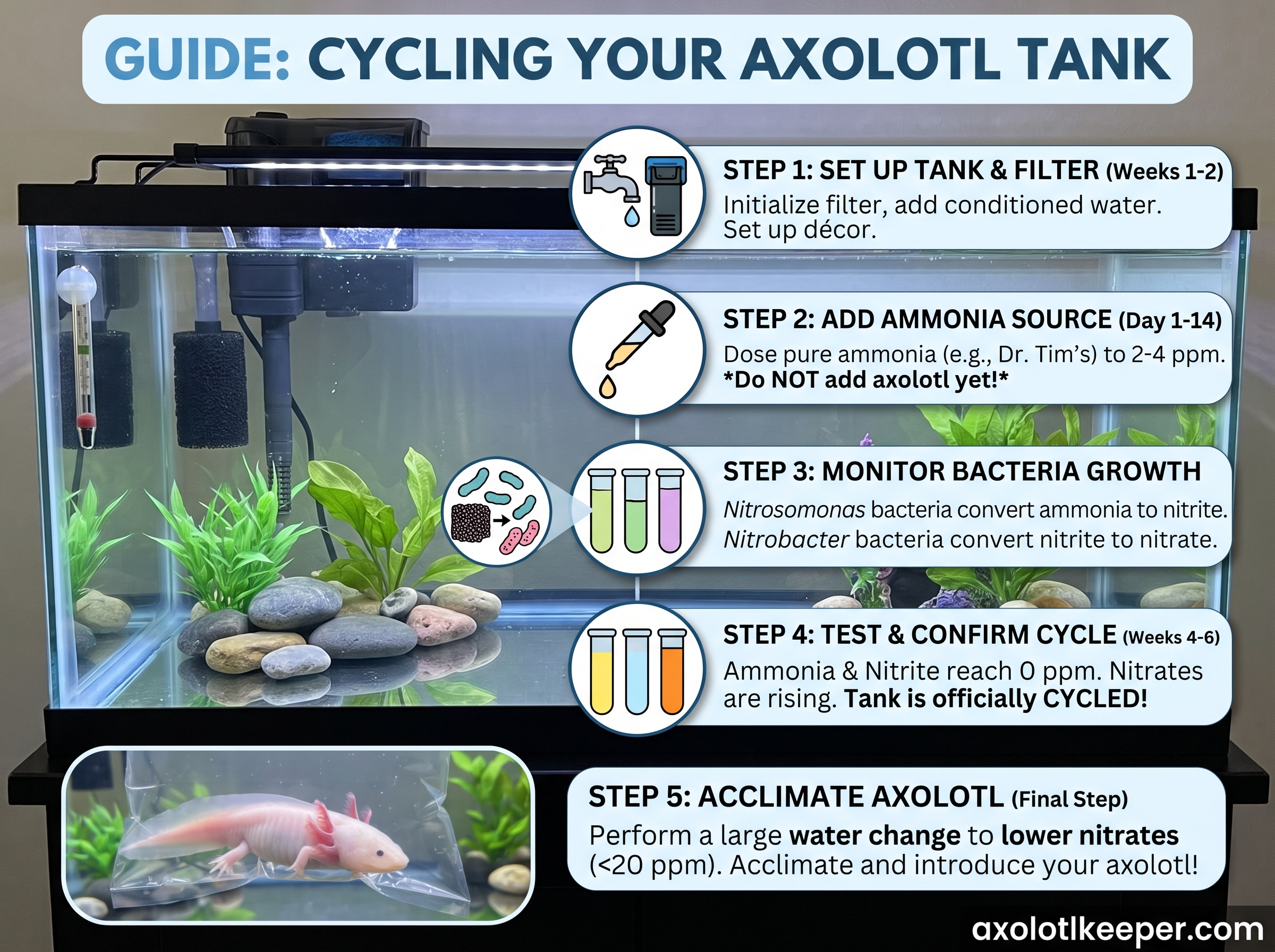
Setting up a proper habitat for your axolotl is crucial for their health and happiness. Cycling a tank is an essential step in this process, helping to establish beneficial bacteria that aid in breaking down waste. This article will explore the importance of cycling a tank specifically for axolotls, detailing practical steps and tips to ensure a thriving environment for these unique creatures.
Many new axolotl owners may not realize that simply filling a tank with water and adding these fascinating amphibians is not sufficient. In fact, without cycling, you risk exposing your pet to harmful toxins that can lead to stress or even death. Understanding the nitrogen cycle and how it affects your axolotl’s habitat is vital. Here, we will break down the cycling process and provide you with actionable tips for success.
By the end of this guide, you will have a comprehensive understanding of how to cycle a tank for your axolotl, ensuring a safe and nurturing environment for your beloved pet.
The Importance of Cycling a Tank for Axolotls
Cycling a tank is critical for maintaining water quality and ensuring the well-being of your axolotl. The cycling process involves establishing a colony of beneficial bacteria that convert toxic ammonia into less harmful substances. This is particularly important for axolotls, which are sensitive to water conditions. These amphibians are known to be particularly vulnerable to fluctuations in their environment, making a properly cycled tank essential.
When you first set up a tank, it is devoid of these beneficial bacteria. As your axolotl produces waste, ammonia levels will spike, creating a toxic environment. Cycling helps mitigate this risk by allowing good bacteria to flourish, effectively managing waste and maintaining a stable ecosystem. In the absence of these bacteria, ammonia can reach harmful levels quickly, leading to stress and potential health issues for your axolotl.
Moreover, a well-cycled tank reduces the need for frequent water changes, which can stress your axolotl. Establishing an effective nitrogen cycle means your pet will thrive in a stable environment, leading to better health and longevity. Furthermore, a stable environment can lead to more natural behaviors, allowing your axolotl to exhibit its unique characteristics without the stress of fluctuating water quality.
Steps to Cycle a Tank for Axolotls
Cycling a tank can be achieved through several methods, but the most effective ones are fishless cycling and using established media. Below are the steps you should follow to successfully cycle a tank for your axolotl. Each method has its advantages, and understanding them can help you choose the best one for your situation.
Understanding the Nitrogen Cycle
The nitrogen cycle is the process by which beneficial bacteria convert harmful ammonia from waste into nitrite, which is then converted into nitrate. Understanding this cycle is key to successful tank cycling. It’s a natural process that occurs in all aquatic environments, and replicating it in your aquarium is crucial for your axolotl’s health.
Initially, ammonia levels will increase due to fish waste, uneaten food, and decaying plant matter. Within a few weeks, nitrifying bacteria will start to colonize the tank, converting ammonia into nitrite. After a few more weeks, another type of bacteria will convert nitrite into nitrate, which is less harmful and can be removed through water changes. This progression is essential as it transforms toxic substances into less harmful compounds that can be managed in the aquarium.
📖 Read also: The Ultimate Axolotl Tank Checklist for Happy and Healthy Pets
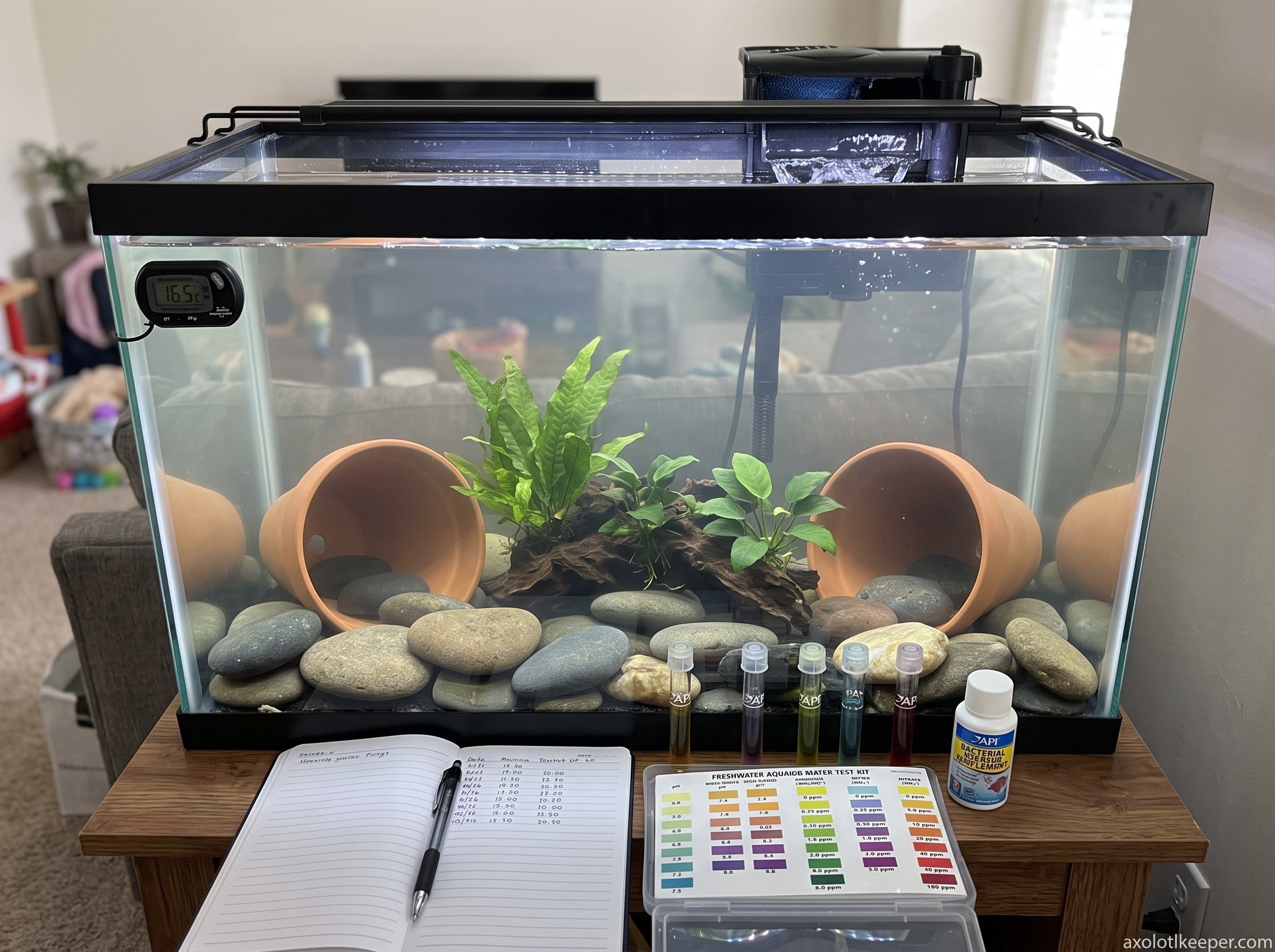
Monitoring water parameters is essential during this time. You can use an aquarium test kit to check ammonia, nitrite, and nitrate levels to ensure the cycle is progressing properly. Keeping a log of your readings can help you understand the cycling process and prepare for when your tank is fully cycled. Regular testing allows you to react promptly to any spikes in ammonia or nitrite, ensuring the safety of your axolotl.
Fishless Cycling Method
The fishless cycling method is widely recommended for axolotl owners as it eliminates the risk of harming fish during the cycling process. To begin, you will need to create an environment that allows beneficial bacteria to thrive without the stress of live animals. This method is not only humane but also effective in establishing a healthy aquarium ecosystem.
- Fill your tank with dechlorinated water. This is crucial as chlorine can harm beneficial bacteria.
- Introduce a source of ammonia, such as pure ammonia solution, to the tank. This will simulate fish waste and provide food for the bacteria.
- Monitor ammonia levels until they peak and then start to drop. During this time, you should also see nitrite levels begin to rise.
- Once nitrite levels rise and then fall, you can confirm that the cycle has completed. At this point, nitrate levels will also increase.
- Perform a water change to lower nitrate levels before introducing your axolotl. Keeping nitrate levels below 40 ppm is ideal for your pet’s health.
This method is efficient and safe, allowing for a healthy environment for your axolotl without the risk of exposing them to toxins. Additionally, it gives you the peace of mind that your axolotl will have a safe and stable environment upon introduction.
Using Established Media
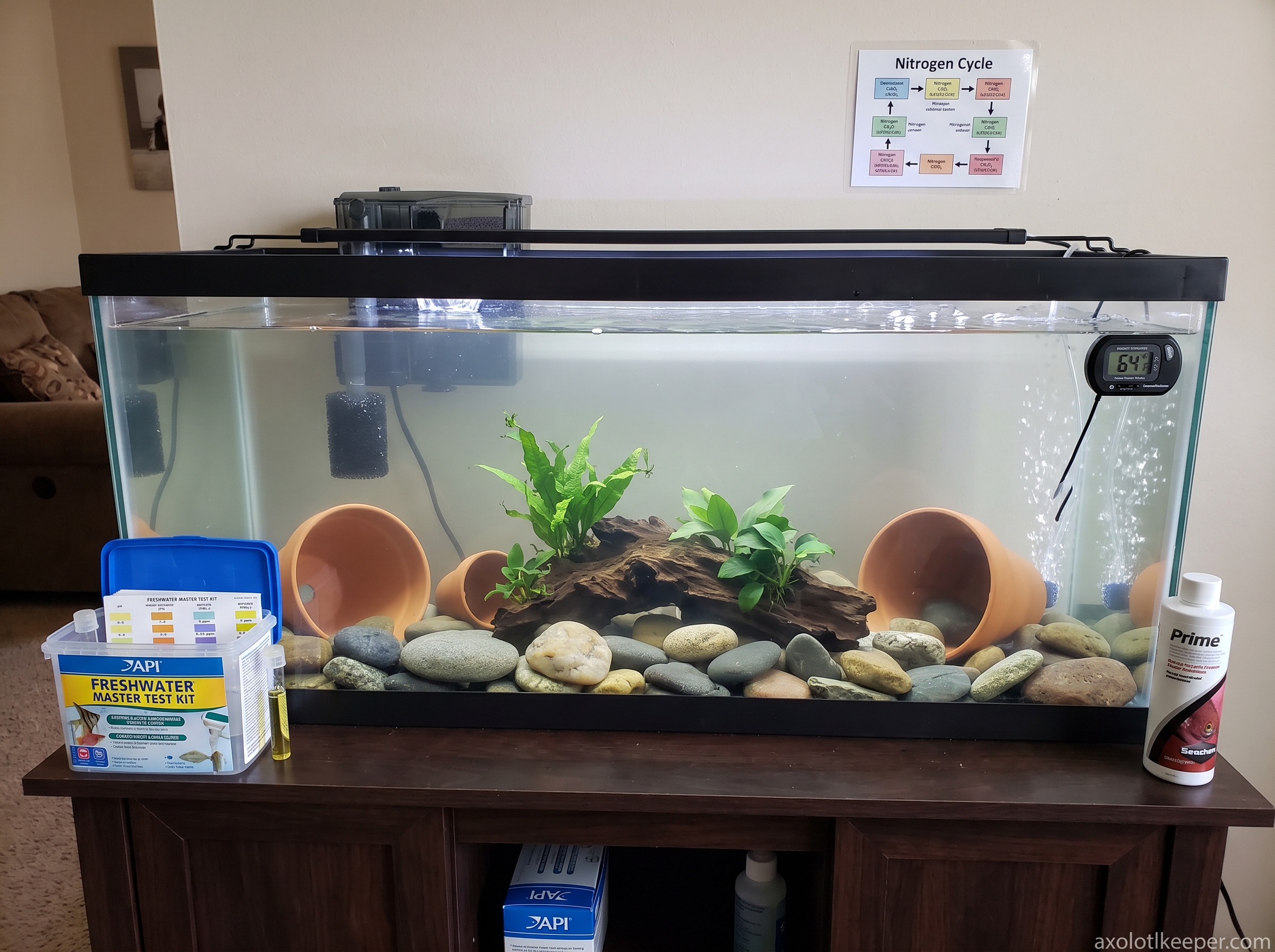
If you have access to an established aquarium, you can speed up the cycling process by using media from that tank. This includes items such as filter media, substrate from the bottom of the tank, and decorations or plants. These items are often teeming with beneficial bacteria that can be transferred to your new setup.
- Filter media (sponges, cartridges) are excellent sources of bacteria that can quickly help establish your new tank.
- Substrate from the bottom of the tank contains beneficial bacteria and organic matter that can aid in the cycling process.
- Decorations or plants that have been in a cycled tank can also bring beneficial bacteria to your new aquarium.
By transferring these items to your new tank, you introduce beneficial bacteria that can dramatically shorten the cycling time. Just be sure to monitor water parameters closely, as the new tank will still undergo the cycling process. This method can significantly reduce the time needed to achieve a fully cycled tank, sometimes completing it in just a couple of weeks.
Maintaining Water Quality During Cycling
While cycling your tank, it’s crucial to maintain optimal water quality for your axolotl. This includes keeping the temperature stable and ensuring proper filtration. Axolotls thrive in cooler water, ideally between 16-18°C (60-64°F). Monitoring the temperature is essential, as fluctuations can stress your axolotl.
Regularly testing water parameters is essential during this period. Aim for the following levels to ensure a healthy and balanced environment:
- Ammonia: 0 ppm
- Nitrite: 0 ppm
- Nitrate: Below 40 ppm
If you notice any spikes in ammonia or nitrite, consider performing partial water changes to prevent toxicity. Additionally, ensure your filtration system is functioning properly to help maintain water clarity and quality. A good filtration system will not only keep the water clear but also support the bacteria needed for the nitrogen cycle.
📖 Read also: Transform Your Axolotl Tank: The Benefits of Fake Plants

Common Mistakes to Avoid
Many new axolotl owners make common mistakes during the cycling process that can jeopardize their pet’s health. Here are a few pitfalls to watch out for, along with tips to avoid them. Recognizing these mistakes can help you set up a successful and healthy aquarium.
Skipping the Cycling Process
One of the biggest mistakes is not cycling the tank before adding an axolotl. This can result in toxic water conditions that can be fatal for your pet. Always cycle your tank first. Skipping this process may lead to ammonia poisoning, which can cause irreversible damage to your axolotl’s gills and overall health.
Using Fish to Cycle the Tank
Using fish to cycle the tank can lead to unnecessary stress and suffering. Fish can experience significant stress during the cycling process, and many may not survive. Utilize the fishless cycling method instead to protect your axolotl’s health. This method is not only more humane but also allows you to establish a safe environment without risking the lives of other aquatic creatures.
Neglecting Water Testing
Failing to monitor water parameters can lead to a toxic environment without your knowledge. Regular testing is crucial to ensure a safe habitat for your axolotl. Make a habit of checking your water parameters at least weekly during the cycling process, and more frequently if you notice any unusual behavior from your axolotl. Keeping a journal of your readings can help you identify trends and react quickly to any changes.
Conclusion
Cycling a tank for your axolotl is a vital step in creating a safe and healthy environment. By understanding the nitrogen cycle, using effective cycling methods, and maintaining water quality, you can ensure the well-being of your pet. Remember to avoid common mistakes and be patient during the cycling process. With the right approach, your axolotl will thrive in its new home. Establishing a well-cycled tank not only enhances the life of your axolotl but also makes for a more enjoyable aquarium experience for you as a pet owner.
Frequently Asked Questions (FAQ)
How long does it take to cycle a tank for axolotls?
Cycling a tank can take anywhere from 4 to 6 weeks, depending on the method used and the conditions of the tank. Some factors that can influence this timeframe include water temperature, the amount of beneficial bacteria introduced, and the overall tank conditions.
Can I add my axolotl immediately after cycling?
It is advisable to wait until ammonia and nitrite levels are at 0 ppm and nitrate levels are below 40 ppm before introducing your axolotl. This ensures that the tank is truly safe for your pet, minimizing the risk of exposure to harmful toxins.
What should I do if my water parameters are off during cycling?
If you experience spikes in ammonia or nitrite, perform partial water changes to stabilize conditions and protect your axolotl. Additionally, consider checking your filtration system to ensure it is functioning correctly and that your tank’s ecosystem remains balanced.