
Setting up an axolotl tank is an exciting venture for any aquatic enthusiast. However, it’s crucial to understand the nitrogen cycle, a key process that ensures a healthy environment for your unique pets. This article will guide you through the essentials of the nitrogen cycle, its importance for axolotls, and practical tips to maintain optimal water conditions.
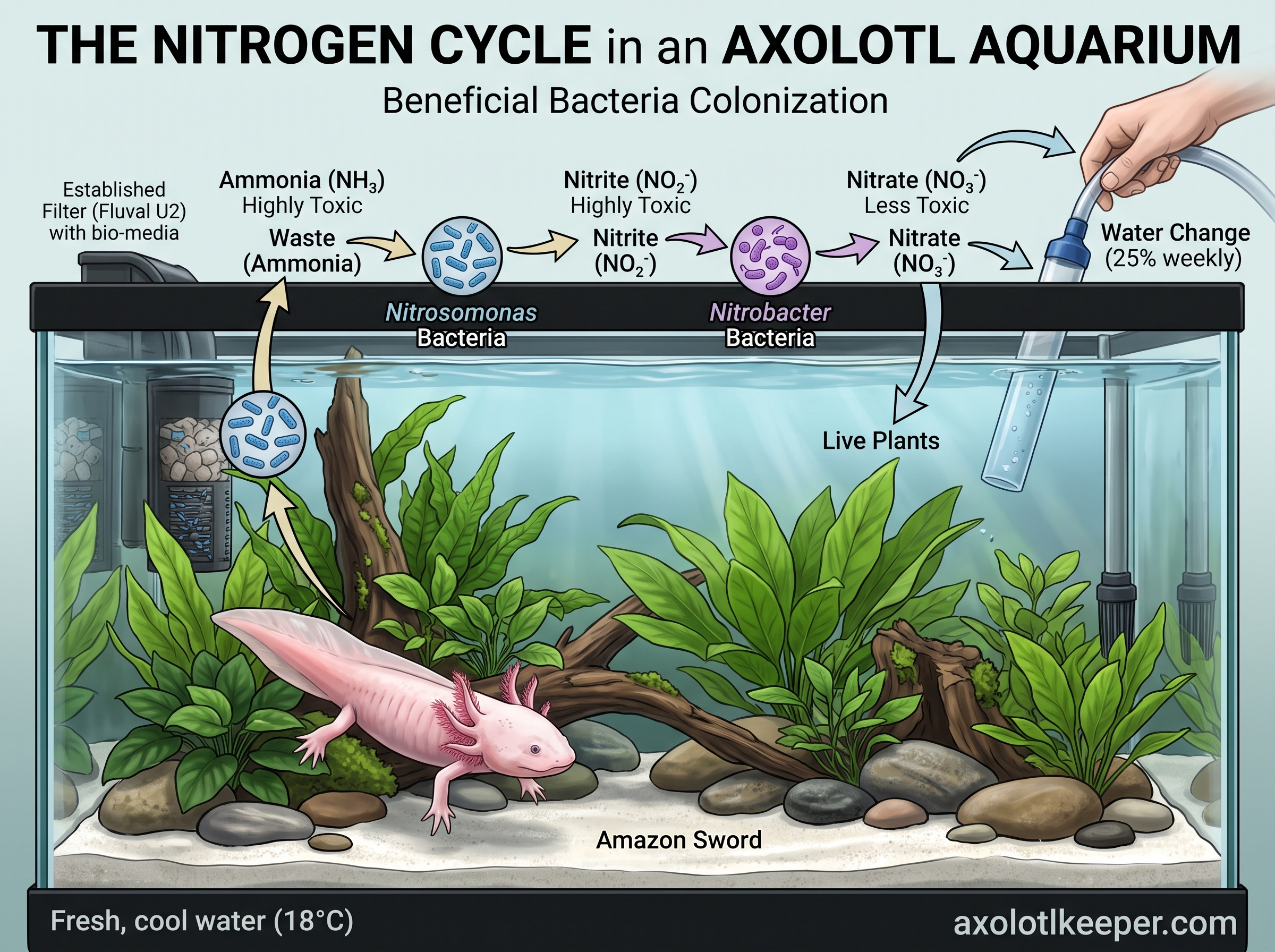
The nitrogen cycle refers to the process through which harmful ammonia in your tank’s water is converted into less harmful substances. This cycle consists of several stages involving beneficial bacteria that play a pivotal role in the health of your axolotl tank. Understanding this cycle not only helps in keeping your axolotl healthy but also reduces the risk of disease and stress. The nitrogen cycle is made up of three main stages: the conversion of ammonia to nitrite, nitrite to nitrate, and the eventual conversion of nitrate by plants or through regular water changes. Each of these components is vital for maintaining a balanced ecosystem within the tank.
In the following sections, we will delve into the core components of the nitrogen cycle and provide you with actionable tips to maintain your axolotl tank effectively.
Essential Tips for Managing the Nitrogen Cycle in Your Axolotl Tank
Managing the nitrogen cycle in your axolotl tank is crucial for ensuring a safe and healthy habitat. This process involves several steps, and consistency is key. Below, we outline essential tips that will help you effectively manage the nitrogen cycle and create a thriving environment for your axolotls.
Understanding Ammonia and Its Sources
Ammonia is a toxic compound that can accumulate in your tank from various sources, including fish waste, leftover food, and decaying plants. In a newly established tank, ammonia levels can spike dramatically, posing a serious risk to your axolotl’s health. Regular monitoring of water parameters is essential to prevent ammonia toxicity. Ammonia is particularly harmful because it can damage the delicate gills of axolotls, leading to respiratory issues and even death if not addressed quickly. Therefore, understanding the sources of ammonia and taking proactive measures to reduce its levels is vital.
In addition to the aforementioned sources, overfeeding your axolotl can significantly contribute to increased ammonia levels. It is important to feed your axolotl only what it can consume in a short time and remove any uneaten food promptly. Implementing a feeding schedule and keeping track of how much food is given can help manage ammonia levels effectively. Regular tank maintenance, including cleaning any debris and vacuuming the substrate, will also aid in controlling ammonia levels.
Establishing Beneficial Bacteria
Beneficial bacteria are crucial for breaking down ammonia into nitrites and then into nitrates. To establish these bacteria, you can either use a seeded filter from an established tank or add a commercial bacterial supplement. The cycling process typically takes 4 to 6 weeks, during which you should monitor ammonia and nitrite levels closely. These bacteria thrive in biofilters or on surfaces inside the tank, where they convert harmful ammonia into less harmful substances, maintaining a stable environment for your axolotls.
To further support the establishment of beneficial bacteria, consider incorporating materials that provide surface area for them to colonize. Items such as bio-balls, ceramic rings, or even well-established gravel can enhance the growth of beneficial bacteria. Patience is essential during this phase, as rushing the process or introducing axolotls too early can lead to disastrous consequences. Ensure that water parameters are stable and within safe ranges before introducing your axolotls.
Regular Water Changes
Performing regular water changes is a vital part of maintaining a healthy nitrogen cycle. While beneficial bacteria work to convert harmful substances, they can only do so effectively if the overall tank conditions are stable. Aim for a 10-20% water change weekly to dilute toxins and replenish essential minerals. These changes help to ensure that any accumulated nitrates are kept at manageable levels, reducing the risk of stress and illness in your axolotls.
When changing the water, it is essential to use a water conditioner to remove harmful chemicals, such as chlorine and chloramine, which can negatively affect your axolotls. Additionally, it is a good practice to match the temperature and pH of the new water to that of the existing tank water to minimize shock to your pets. Regular water changes not only help maintain water quality but also simulate natural conditions, which can be beneficial for the overall health and behavior of your axolotls.
📖 Read also: The Ultimate Axolotl Tank Checklist for Happy and Healthy Pets
Monitoring Nitrate Levels
Once the nitrogen cycle is established, nitrate levels will rise as a byproduct of the conversion process. While nitrates are less harmful, they can still affect your axolotl’s health in high concentrations. Regular testing of nitrate levels should be part of your maintenance routine, with a target of keeping them below 40 ppm. Elevated nitrate levels can lead to health issues such as lethargy, poor appetite, and increased vulnerability to diseases.
To manage nitrate levels effectively, consider incorporating live plants into your tank. These plants can absorb nitrates, helping to keep levels in check while also providing natural filtration and a more aesthetically pleasing environment. Additionally, regular water changes will aid in controlling nitrate levels, ensuring a healthy habitat for your axolotls. Using a reliable aquarium test kit will allow you to keep a close eye on nitrate levels and take corrective actions when necessary.
Using Live Plants
Incorporating live plants in your axolotl tank can assist in managing the nitrogen cycle. Plants absorb nitrates and can help to stabilize water conditions. However, ensure that the chosen plants are compatible with axolotls, as some may be toxic or require conditions that differ from those preferred by axolotls. Suitable plants for axolotl tanks include Java fern, Anubias, and hornwort, which are generally hardy and can thrive in cooler water temperatures.
Live plants not only help with nutrient absorption but also provide hiding spots and enrichment for your axolotls, promoting their natural behaviors and reducing stress. When adding plants to your tank, consider their growth rate and how much light they require, as this can impact the overall health of your aquarium. Additionally, avoid plants with sharp edges or those that may uproot easily, as axolotls may inadvertently damage them while exploring their environment.
Avoid Overcrowding
Overcrowding your tank can lead to excessive waste production, which in turn increases ammonia levels. It’s essential to adhere to the recommended stocking levels for axolotls to maintain a balanced ecosystem. A general rule is to have no more than one axolotl per 10-15 gallons of water. This guideline helps ensure that each axolotl has ample space to move, swim, and establish its territory, which is important for their well-being.
In addition to the number of axolotls, consider the size of your tank and the filtration system in place. A larger tank with a robust filtration system can support more axolotls, but always monitor water parameters closely to prevent overcrowding issues. If you wish to keep multiple axolotls, ensure that they are of similar sizes to prevent bullying or aggressive behavior, as smaller axolotls may be at risk in a crowded environment.
Testing Water Parameters Regularly
Consistent testing of water parameters is vital for successful nitrogen cycle management. Invest in a reliable water testing kit to monitor ammonia, nitrite, nitrate, and pH levels. Regular checks will allow you to catch any fluctuations early and take corrective actions promptly. Understanding the normal ranges for these parameters is essential for maintaining a healthy environment for your axolotls.
In addition to ammonia, nitrite, and nitrate levels, monitoring the pH is crucial, as axolotls thrive in slightly acidic to neutral water (around 6.5 to 7.5). Sudden changes in pH can stress your axolotls and lead to health issues. Keeping a log of your water parameters over time can help identify trends and potential issues before they become serious problems.

Common Mistakes to Avoid in Managing Your Axolotl Tank
Many new axolotl keepers make common mistakes that can disrupt the nitrogen cycle, leading to unhealthy conditions for their pets. Being aware of these pitfalls can help you maintain a thriving aquarium environment.
📖 Read also: Transform Your Axolotl Tank: The Benefits of Fake Plants
Skipping the Cycling Process
One of the most significant mistakes is trying to add axolotls to a new tank without allowing the nitrogen cycle to establish. This can lead to dangerous spikes in ammonia that can harm your pets. Always cycle your tank fully before introducing any axolotls. The cycling process allows beneficial bacteria to flourish, creating a safe environment for your axolotls to thrive.
To cycle your tank, you can either use a fishless cycling method, where ammonia is introduced to the tank to feed the bacteria, or a fish-in cycling method, where a small number of hardy fish are introduced to help establish the cycle. Regardless of the method chosen, patience is essential, as rushing the process can result in the loss of your axolotls. Always test water parameters regularly during the cycling phase to ensure that conditions remain safe.
Neglecting Regular Maintenance
Once the tank is established, some may think that maintenance becomes less important. However, ongoing monitoring and maintenance are crucial for keeping the nitrogen cycle in check and ensuring that your axolotl thrives. Regularly cleaning the tank, changing water, and testing parameters should be part of your routine to maintain a healthy aquatic environment.
Additionally, keep an eye on the filter and ensure it is functioning properly. A clogged or malfunctioning filter can lead to increased ammonia levels and disrupt the nitrogen cycle. Regular maintenance not only helps prevent issues but also promotes a thriving ecosystem for your axolotls, allowing them to live a long and healthy life.
Ignoring Signs of Stress in Axolotls
Pay attention to your axolotl’s behavior and appearance. Signs of stress, such as lethargy, loss of appetite, or unusual swimming patterns, can indicate problems with water quality. Address any issues as soon as they arise to prevent further complications. Understanding your axolotl’s normal behavior is key to detecting stress early and taking appropriate action.
In addition to behavioral changes, physical signs such as gill curling, discoloration, or lesions should not be overlooked. These symptoms may indicate poor water quality or disease, and immediate action should be taken to rectify the situation. Regular observation and interaction with your axolotl will help you build a better understanding of their needs and well-being.
Conclusion: Creating a Healthy Environment for Your Axolotl
Understanding and managing the nitrogen cycle in your axolotl tank is essential for creating a healthy and stable environment. By following the tips outlined in this article, you can ensure that your axolotl thrives and remains free from the harmful effects of ammonia and nitrites. Regular monitoring, maintenance, and attention to your axolotl’s needs will foster a vibrant aquatic ecosystem that benefits both you and your pet.
As you embark on your journey as an axolotl keeper, remember that patience and diligence are key. With proper care and understanding of the nitrogen cycle, your axolotls will flourish in their aquatic home. Investing time in learning about the nitrogen cycle and maintaining water quality will ultimately lead to a rewarding experience for both you and your axolotls.