
Setting up an aquarium for your axolotl is an exciting venture, but did you know that the right live plants can make a significant difference in their habitat? Not only do these plants enhance the aesthetic appeal of the tank, but they also provide essential benefits for the health and well-being of your axolotl. In this article, we will delve into the various live plants suitable for axolotl tanks, highlighting their unique advantages and how they can contribute to a thriving aquatic environment.
Live plants can help improve water quality by absorbing harmful nitrates, providing oxygen, and even offering hiding spots for your axolotl. Choosing the right plants is crucial, as some may not be compatible with the tank conditions or the axolotl’s needs. We will guide you through the selection process, ensuring you make informed choices for your aquarium.
Let’s explore the different types of live plants that thrive in axolotl tanks, their care requirements, and how to incorporate them into your setup for optimal results.
Choosing the Right Live Plants for Your Axolotl Tank
When selecting live plants for your axolotl tank, consider factors such as water temperature, lighting, and the plant’s growth habits. Some plants can be hardy and low-maintenance, while others may require more attention. Below are some of the best options that suit the unique environment of an axolotl tank.
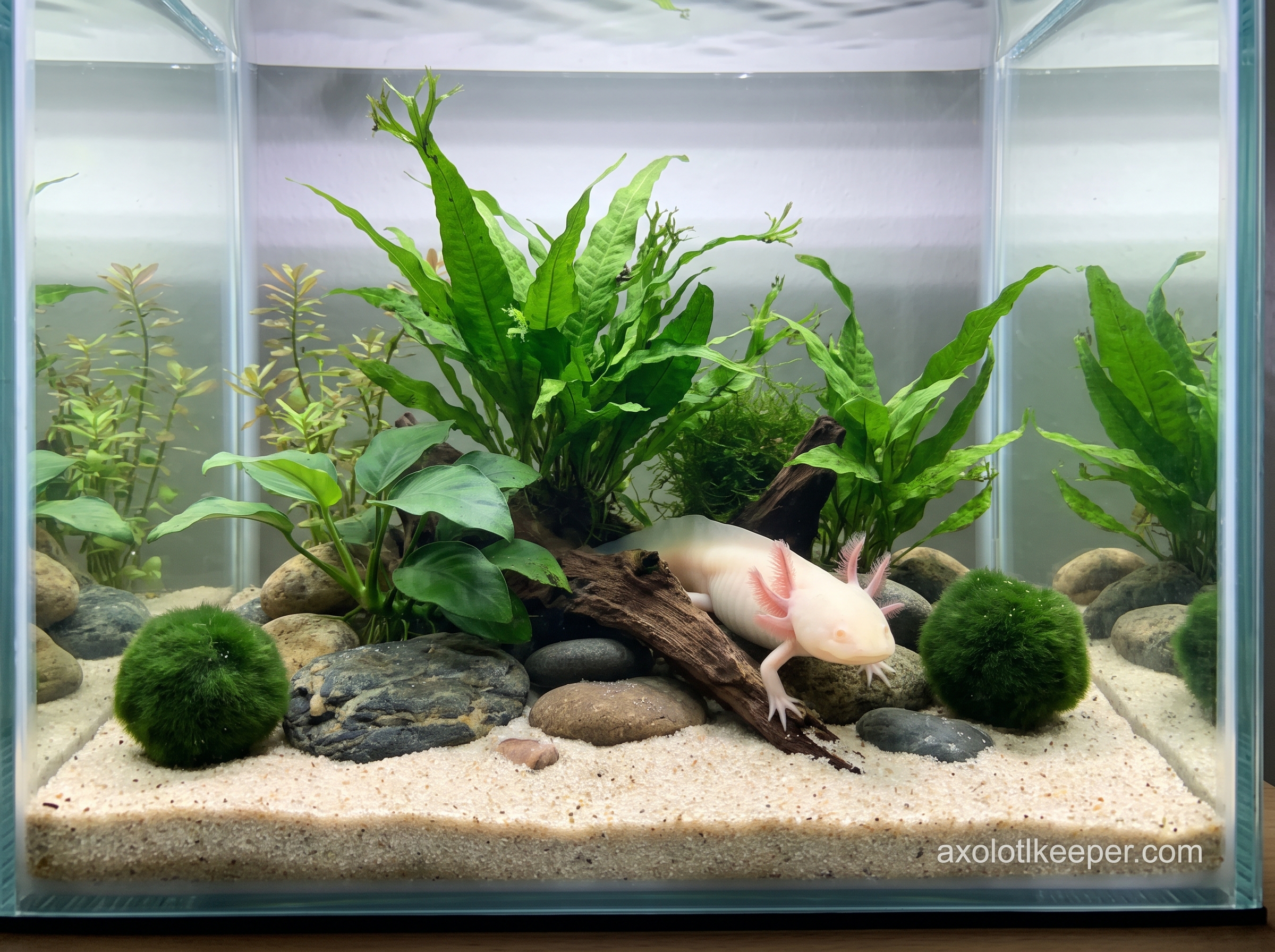
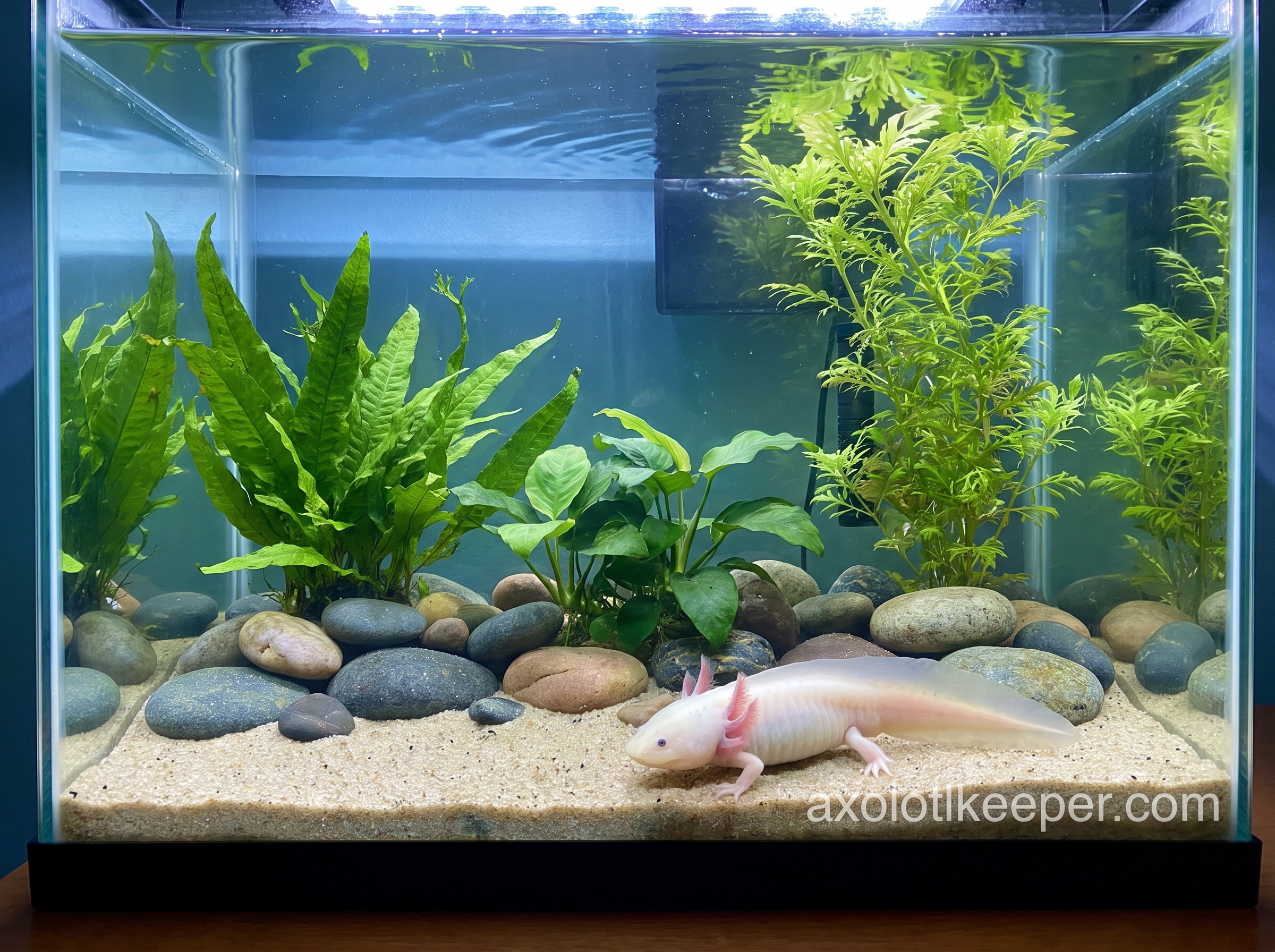
Java Fern, for instance, is a popular choice for axolotl tanks due to its hardiness and low light requirements. It can thrive in various water conditions and does not require substrate, making it easy to attach to rocks or driftwood. This plant provides excellent cover for your axolotl, allowing them to feel secure while exploring their environment. Additionally, Java Fern can help to enhance water quality, as it absorbs nutrients from the water, creating a balanced ecosystem.
Another excellent choice is Anubias, known for its thick leaves and slow growth rate. Anubias is less likely to be uprooted by the axolotl’s movements, making it a stable option for your tank. It can also be attached to hardscape elements like rocks and driftwood, which not only enhances the tank’s aesthetics but also contributes to the overall health of the environment. Furthermore, Anubias is a hardy plant that can tolerate varying water conditions, making it suitable for a range of aquarium setups.
Java Fern
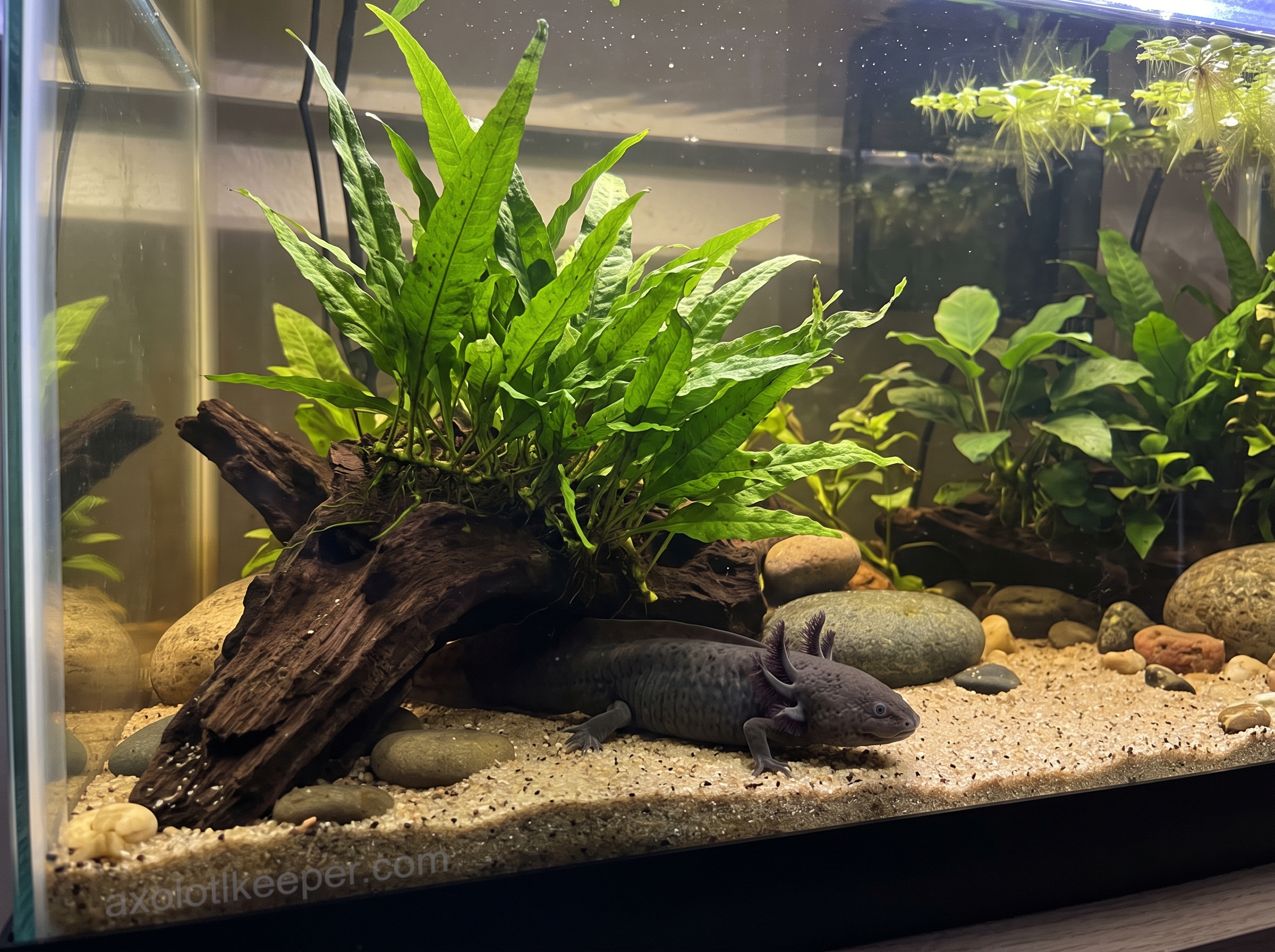
Java Fern is a popular choice for axolotl tanks due to its hardiness and low light requirements. It can thrive in various water conditions and does not require substrate, making it easy to attach to rocks or driftwood. This plant provides excellent cover for your axolotl, allowing them to feel secure while exploring their environment. Additionally, the Java Fern’s ability to absorb excess nutrients helps to reduce algae growth, promoting a cleaner tank environment.
Furthermore, Java Fern can grow in a variety of tank conditions, making it very versatile. It prefers a temperature range of around 60-80°F (15-27°C) and can thrive in both low and moderate lighting. This adaptability to different environments makes it a go-to choice for both novice and experienced aquarists. To propagate Java Fern, you can simply cut the rhizomes and attach them to other surfaces in your tank, allowing for a natural spread without much effort.

Anubias
Anubias is another robust plant that is ideal for beginners. With its thick leaves and slow growth rate, it is less likely to be uprooted by the axolotl’s movements. Anubias can also be attached to hardscape elements in the tank, providing a natural look while contributing to a healthy ecosystem. The leaves of Anubias are sturdy and can withstand the occasional nibble from your axolotl, making it a durable choice for your aquarium.
In addition to its resilience, Anubias plays a critical role in maintaining water quality. It absorbs nitrates and other harmful substances, which can help to keep the water clean and clear. It prefers low to moderate lighting and can thrive in a temperature range of 70-82°F (21-28°C). Regular maintenance, such as trimming any yellowing leaves, can help the plant remain healthy and vibrant in your tank setup.
Hornwort
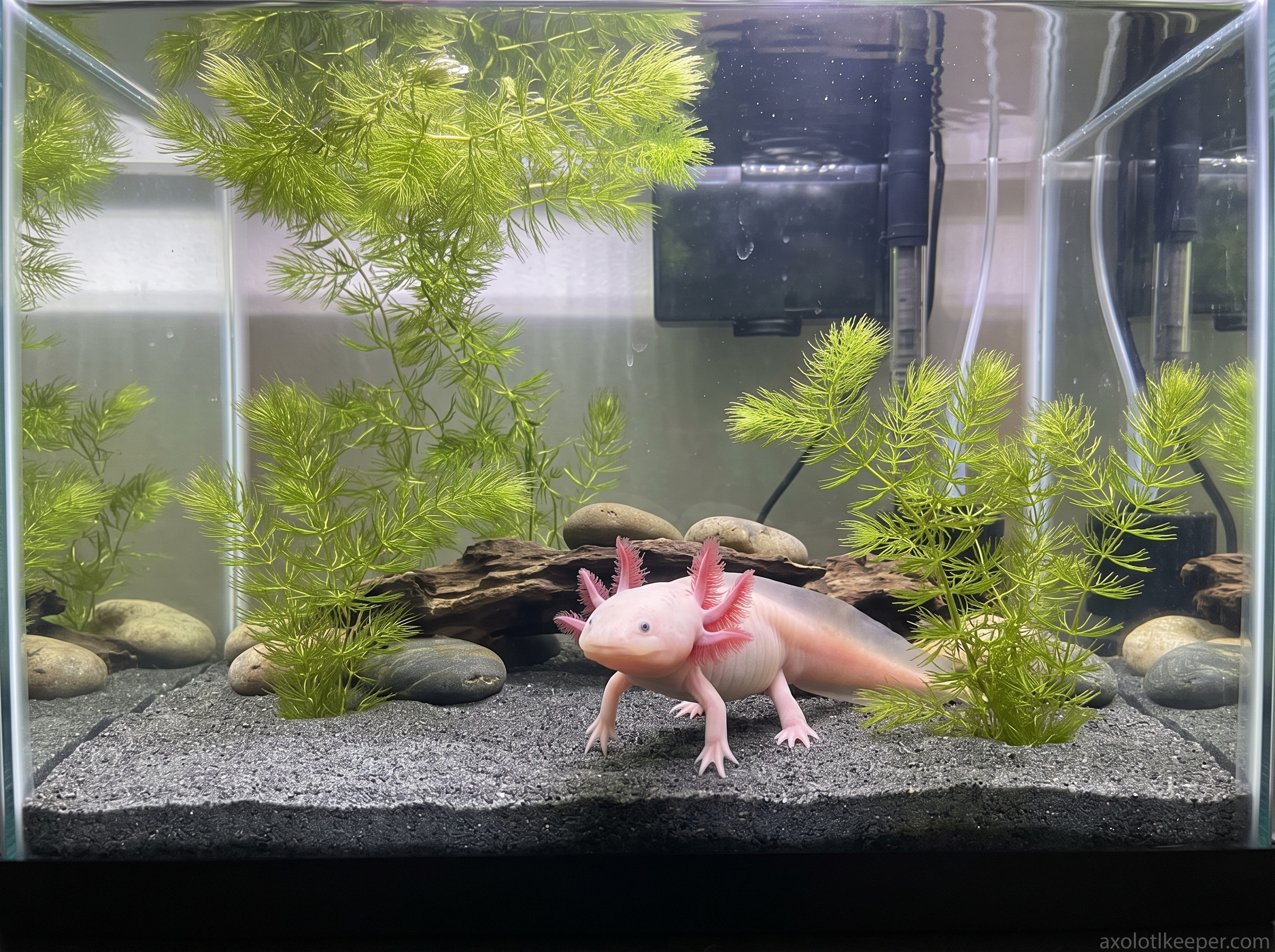
Hornwort is a floating plant that provides excellent filtration and oxygenation for the tank. Its flexible structure allows it to sway gently in the water, creating a calming effect. This plant can help absorb excess nutrients, reducing algae growth and maintaining water clarity. Hornwort is also an excellent choice for axolotl tanks because it can grow in a range of water conditions, making it adaptable and easy to care for.
Moreover, Hornwort can provide shelter for fry and smaller aquatic creatures, making it a great addition if you plan on breeding in your aquarium. It can tolerate varying temperatures, typically between 60-75°F (15-24°C), and does well under low to moderate lighting. Regular pruning of Hornwort is necessary to prevent it from becoming too dense, which can limit light penetration and affect the growth of other plants in the tank.
Benefits of Incorporating Live Plants
Adding live plants to your axolotl tank offers numerous benefits. They not only enhance the visual appeal of the aquarium but also contribute significantly to the overall health of the aquatic environment. Below are some of the key benefits of having live plants in your tank.
One of the most significant benefits is the improved water quality that live plants provide. They play a crucial role in maintaining water quality by absorbing nitrates, phosphates, and other harmful substances. This natural filtration process helps keep the water clean and reduces the frequency of water changes, providing a healthier environment for your axolotl. Healthy plants can also act as a buffer against fluctuating conditions, supporting a stable environment for your aquatic friends.
Additionally, live plants produce oxygen during photosynthesis, which is vital for the survival of aquatic life. By increasing the oxygen levels in the tank, plants help your axolotl breathe more easily, promoting better health and activity levels. This is particularly important in smaller tanks where oxygen levels can quickly deplete. Overall, the presence of live plants can lead to a more vibrant and sustainable ecosystem within your aquarium.
📖 Read also: 5 Essential Reasons to Choose Axolotl Sand Substrate for Your Tank

Improved Water Quality
Live plants play a crucial role in maintaining water quality by absorbing nitrates, phosphates, and other harmful substances. This natural filtration process helps keep the water clean and reduces the frequency of water changes, providing a healthier environment for your axolotl. In well-planted tanks, the plants work synergistically with beneficial bacteria to break down waste products, further enhancing water clarity and quality.
Plants like Hornwort and Java Fern are particularly effective at absorbing excess nutrients, which can help prevent the growth of harmful algae blooms. By keeping nutrient levels in check, these plants contribute to a balanced ecosystem where both your axolotl and the plants can thrive. Additionally, well-maintained plants can help stabilize pH levels and provide a natural buffer against sudden changes that could stress your axolotl.
Oxygen Production
During photosynthesis, live plants produce oxygen, which is vital for the survival of aquatic life. By increasing the oxygen levels in the tank, plants help your axolotl breathe more easily, promoting better health and activity levels. This is especially important in densely populated tanks where oxygen consumption can exceed production, leading to poor water quality and stress for your pets.
Moreover, higher oxygen levels can enhance the overall behavior of your axolotl. They tend to be more active and display natural behaviors when the oxygen levels are sufficient. Plants not only provide a source of oxygen but also create a more natural habitat that mimics their wild environment, which can reduce stress and foster well-being.
Natural Hiding Spots
Axolotls are naturally shy creatures and appreciate having places to hide. Live plants provide excellent cover, allowing your axolotl to feel safe and secure. This can reduce stress levels and contribute to their overall well-being. When axolotls feel threatened or exposed, they may exhibit signs of stress, including decreased appetite and lethargy; therefore, having adequate hiding spots is crucial.
Additionally, the presence of live plants can lead to more natural interactions within the tank. Axolotls can explore and interact with their environment, which is essential for their mental stimulation. Plants also serve as breeding grounds for beneficial microorganisms that contribute to the health of the tank, further enhancing the living conditions for your axolotl.
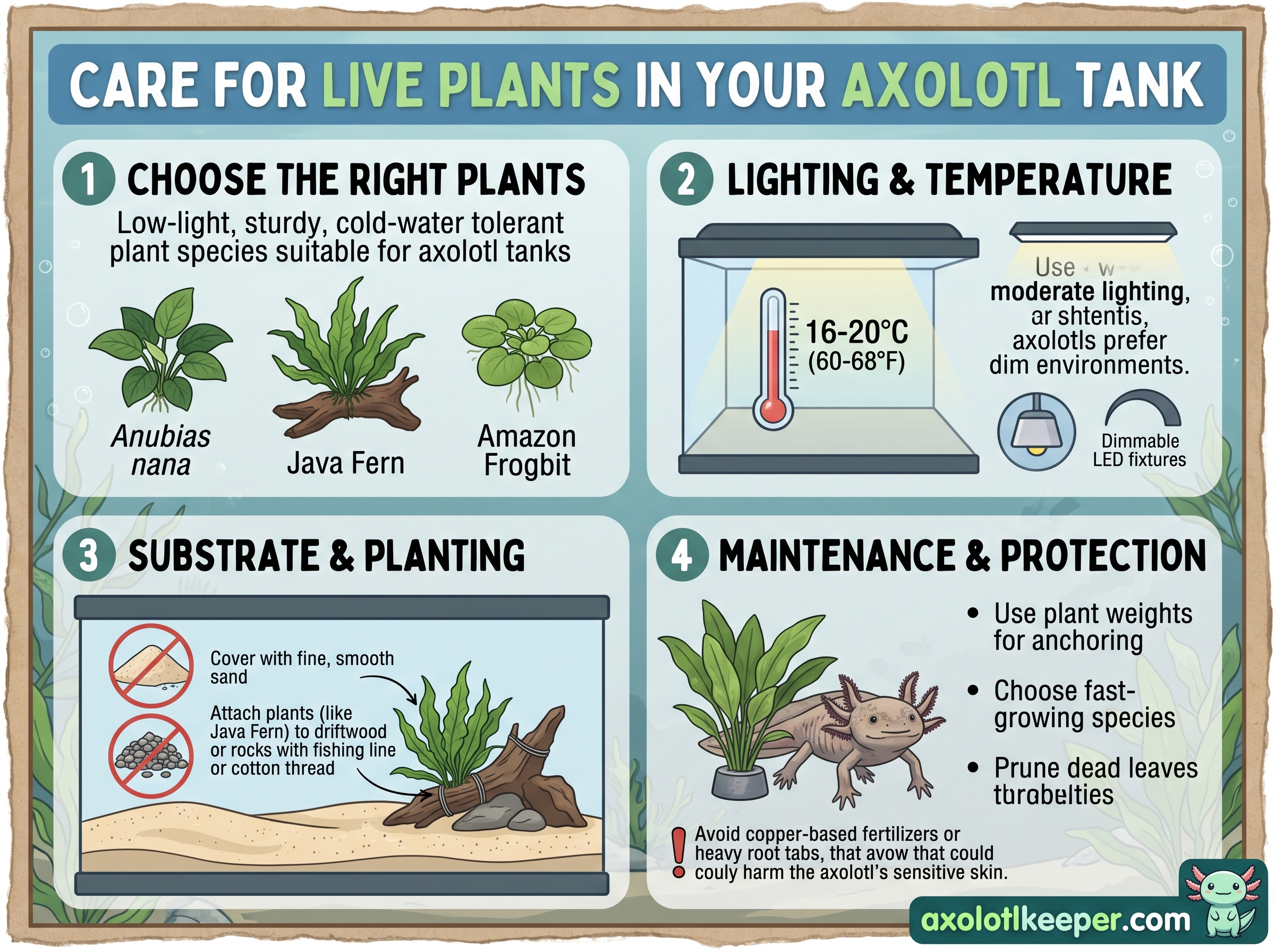
How to Care for Live Plants in Your Axolotl Tank
Caring for live plants requires some attention to detail, but it can be a rewarding experience. Here are some essential tips to help you maintain a healthy planted aquarium.
First and foremost, understanding the specific needs of each plant species is crucial. This includes their lighting requirements, water parameters, and substrate preferences. For instance, while many plants thrive in low light, some may require moderate lighting to flourish. Utilizing a timer for your aquarium light can help ensure that your plants receive consistent light exposure, which is essential for photosynthesis and growth.
Substrate considerations are also vital. While some plants, like Java Fern, can thrive without substrate, others may require nutrient-rich soil or gravel for optimal growth. Researching the specific substrate needs of your chosen plants will go a long way in helping them establish a healthy root system. Additionally, consider the placement of your plants to ensure they receive adequate light and do not block the growth of others in the tank.
Lighting Requirements
Most live plants thrive in moderate to low light conditions. However, understanding the specific light requirements for each plant is essential. Use an appropriate aquarium light and ensure that it is on for about 8-10 hours a day to mimic natural sunlight. Avoid placing your tank in direct sunlight, as this can lead to excessive algae growth and temperature fluctuations.
If you are unsure about the lighting needs of your plants, consider using a light meter or researching online for specific requirements. You can also experiment with different light intensities to find the optimal setup for your plants and axolotl. Regularly monitoring the health of your plants can provide insight into whether they are receiving adequate light or if adjustments are needed.
Substrate Considerations
While some plants can thrive without substrate, others may require nutrient-rich soil to grow effectively. Investigate the needs of the plants you choose and provide the right substrate for optimal growth. For plants that require substrate, consider using a mix of fine gravel and nutrient-rich soil to provide the necessary support and nutrients.
Additionally, it’s essential to avoid using substrates that could harm your axolotl. Fine sand or smooth gravel is often recommended, as it is less likely to cause injury. Regularly check the substrate for debris or waste buildup, as this can affect both plant growth and water quality. Maintaining a clean substrate will help create a healthy environment for both the plants and your axolotl.
Regular Maintenance
Regular maintenance is key to keeping your plants healthy. This includes trimming dead leaves, removing algae, and ensuring that the plants are not overcrowded. Regular observation will help you catch any potential issues early on. If you notice any signs of decay or unhealthy growth, take action promptly to prevent the spread of issues to other plants in your tank.
Moreover, consider rotating your plants occasionally to ensure even light distribution. This practice can help prevent stunted growth in areas that may not receive adequate light. Regular maintenance tasks, such as water changes and monitoring water parameters, will also contribute to a thriving aquatic environment.
📖 Read also: Transform Your Axolotl’s Home: 7 Stunning Tank Decoration Ideas
Common Mistakes to Avoid
While adding live plants to your axolotl tank can be beneficial, there are common mistakes that many aquarium owners make. Here are a few pitfalls to watch out for.
One of the most significant errors is choosing incompatible plants. Some plants may not be suitable for axolotl tanks due to their growth habits or care requirements. Avoid selecting plants that are highly toxic or those that require high light and temperature conditions that are not conducive to axolotls. Always research the specific needs of any plant you plan to introduce to your tank.
Another common mistake is overcrowding the tank. While plants are beneficial, overcrowding your tank with too many can lead to poor water quality and hinder the growth of each plant. Make sure to plan out your layout and give each plant enough space to thrive. This will not only enhance the aesthetic appeal of your aquarium but also contribute to a healthier environment for your axolotl.
Choosing Incompatible Plants
Some plants may not be suitable for axolotl tanks due to their growth habits or care requirements. Avoid selecting plants that are highly toxic or those that require high light and temperature conditions that are not conducive to axolotls. It’s essential to look for plants that are known to thrive in cooler waters and can tolerate a range of conditions.
Furthermore, some plants may grow too large or become invasive, which can take over the tank and outcompete other plants. Before introducing any new species, research their growth patterns and compatibility with axolotls to ensure you are making the best choice for your aquarium.
Overcrowding the Tank
While plants are beneficial, overcrowding your tank with too many can lead to poor water quality and hinder the growth of each plant. Make sure to plan out your layout and give each plant enough space to thrive. Overcrowding can result in competition for resources such as light and nutrients, which can stress both the plants and your axolotl.
To avoid overcrowding, consider the size of your tank and the mature size of the plants you intend to include. A well-planned layout not only improves the visual appeal of your aquarium but also ensures a balanced ecosystem where all inhabitants can thrive without stress.
Neglecting Water Parameters
Regularly monitoring water parameters is crucial for both your axolotl and the live plants. Ensure that the temperature, pH, and hardness levels are suitable for both to maintain a healthy ecosystem. Fluctuations in these parameters can stress both your axolotl and your plants, leading to poor health outcomes for both.
Utilizing a reliable test kit to check water parameters regularly will help you stay on top of any changes that may need to be addressed. Consistency in maintaining appropriate water conditions will ensure that your plants grow optimally while keeping your axolotl healthy and happy.
Conclusion
Incorporating live plants into your axolotl tank can significantly enhance both the visual appeal and health of the aquarium environment. By selecting the right plants, understanding their care requirements, and avoiding common mistakes, you can create a thriving habitat for your axolotl. Remember, a well-planted tank not only looks beautiful but also supports the overall well-being of your aquatic pet.
Now that you are equipped with the knowledge of live plants for axolotl tanks, it’s time to start planning your aquarium setup for a vibrant underwater world!
Frequently Asked Questions (FAQ)
Can axolotls eat live plants?
While axolotls may nibble on some plants, they generally do not eat them as a primary food source. It is essential to choose hardy plants that can withstand occasional nibbling. Some plants, like Anubias, are particularly resilient and can tolerate this behavior without significant damage.
How often should I trim my live plants?
Trimming should be done as needed, typically every few weeks, to remove dead or overgrown leaves. Regular maintenance will help keep the plants healthy and thriving. Additionally, trimming can encourage new growth and help maintain a balanced ecosystem within the tank.
Are there any plants that are toxic to axolotls?
Yes, some plants can be toxic to axolotls, such as certain species of lilies and ferns. Always research the plants you choose to ensure they are safe for your axolotl. It’s important to avoid any plants known to produce toxins that could harm your aquatic pets.