
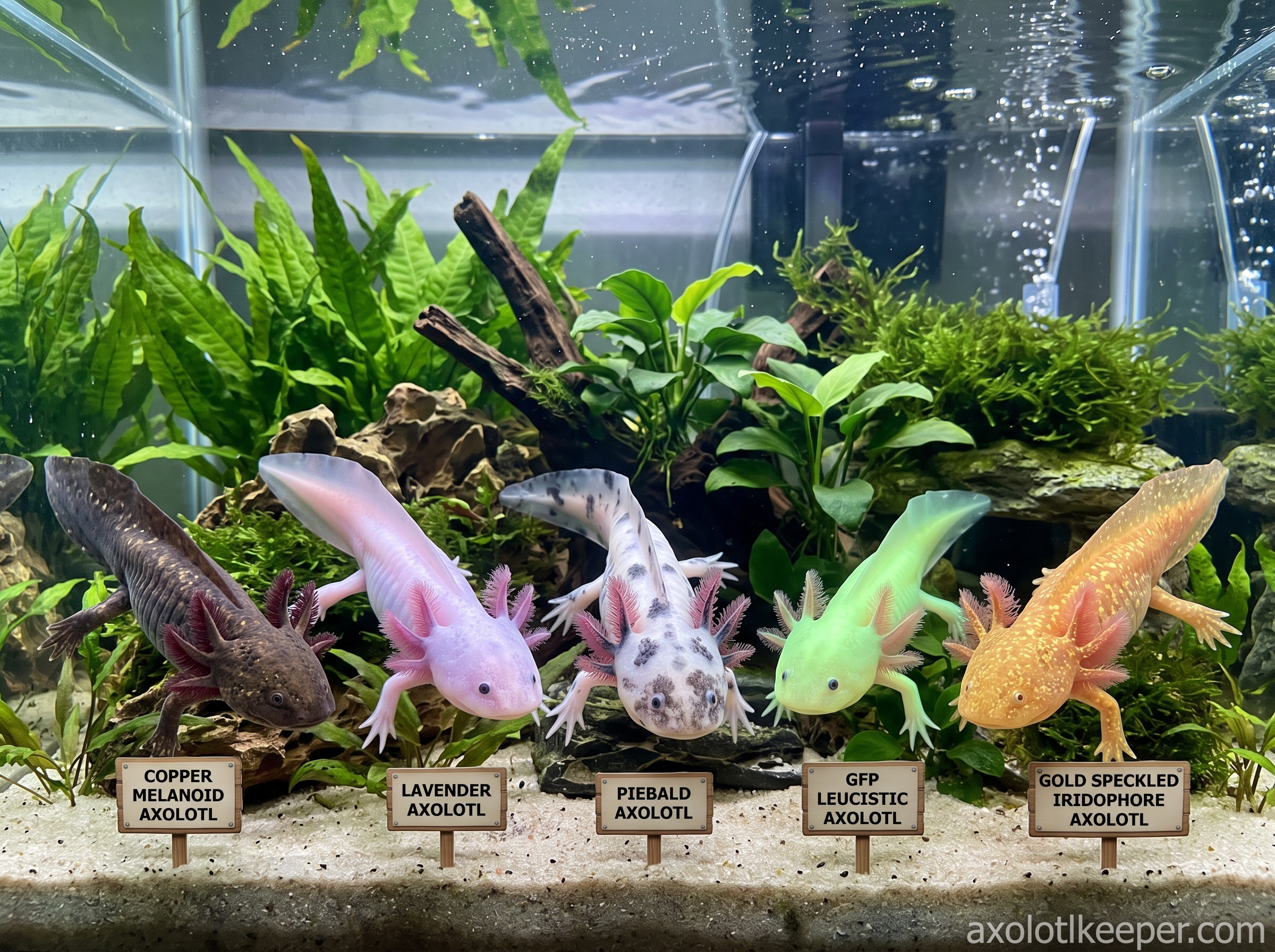
Axolotls, the enchanting aquatic creatures known for their regenerative abilities, have captured the hearts of many. Among the various types of axolotls, rare morphs stand out due to their unique colors and patterns, making them highly sought after by enthusiasts and collectors alike. In this article, we will explore the intriguing world of rare axolotl morphs, their characteristics, and why they are so captivating.
From the stunning leucistic axolotls with their pale pink bodies to the mesmerizing golden albino morphs, these creatures offer a visual spectacle that is hard to resist. Understanding these rare morphs not only enhances your knowledge but can also guide you if you are considering adopting one of these delightful pets.

Understanding Axolotl Morphs
Axolotls are a type of salamander that remain in their larval stage throughout their lives, a phenomenon known as neoteny. This unique aspect, combined with selective breeding, has led to the development of various morphs. Morphs refer to the different color variations and patterns that axolotls can exhibit. The genetic basis of these variations is quite complex; it involves multiple genes that interact in ways that can produce a broad spectrum of appearances.
The primary factors influencing these variations include genetic makeup and environmental conditions. Breeders have meticulously selected traits to create rare and desirable morphs, each with distinct features that appeal to both hobbyists and researchers. For instance, the presence or absence of specific pigments, such as melanin, can drastically change an axolotl’s appearance, leading to the creation of various morphs that are not only beautiful but also scientifically interesting.
The Most Popular Rare Morphs
While there are numerous morphs available, some stand out due to their rarity and unique characteristics. Here are a few of the most popular rare axolotl morphs:
- Leucistic: Characterized by a pale pink body with dark eyes, leucistic axolotls are often mistaken for albinos but have pigment in their eyes. This morph is particularly popular due to its striking appearance and friendly demeanor, making it a great choice for both novice and experienced owners.
- Golden Albino: This morph showcases a bright yellow body with red or pink eyes, making it a favorite among collectors. The golden albino axolotl is not only visually appealing but also has unique behavioral traits; they tend to be more active and inquisitive compared to other morphs, which adds to their charm.
- Melanoid: Melanoid axolotls are known for their dark coloration and lack of iridophores, giving them a solid black or dark brown appearance. This morph is fascinating not only for its aesthetic qualities but also for the genetic implications of its coloration, as it provides insights into the genetic mechanisms behind pigment production.
Additional Rare Morphs
Beyond the more commonly known leucistic, golden albino, and melanoid morphs, there are several other rare morphs that axolotl enthusiasts seek after. These include:
- GFP Axolotls: Genetically modified to fluoresce under UV light, GFP axolotls offer a unique visual experience. This morph is not only visually stunning but also serves as a valuable tool in scientific research, particularly in studies related to regenerative medicine.
- Pieball: Known for their unique patches of color, piebald axolotls have a combination of white and colored patterns that can vary significantly among individuals. This morph is particularly intriguing due to the unpredictability of its patterns, making each piebald axolotl a one-of-a-kind specimen.

How Rare Morphs are Created
The creation of rare axolotl morphs involves selective breeding practices. Breeders focus on specific traits that they wish to enhance, such as color, size, and pattern. This process requires a deep understanding of genetics, as certain traits are dominant while others are recessive. Breeders often keep detailed records of lineage, which helps in understanding how traits are inherited and in predicting the outcomes of future breeding pairs.
📖 Baca juga: Unveiling the Secrets of Axolotl Color Morphs Explained (Guide + Visual) – A Must-Read for Enthusiasts!
For example, to produce a leucistic axolotl, breeders would need to select parent axolotls that exhibit the leucistic gene. Over time, with careful selection and breeding, these traits can become more pronounced in the offspring, resulting in the emergence of rare morphs. This selective breeding is not without challenges, as maintaining genetic diversity while pursuing specific traits is crucial for the overall health of the axolotl population. Therefore, responsible breeders often introduce unrelated axolotls into their breeding programs to prevent inbreeding.
Care and Maintenance of Rare Axolotl Morphs
Owning rare axolotl morphs comes with its own set of responsibilities. Proper care is essential to ensure their health and longevity. These creatures thrive in a specific environment, which includes maintaining the right water temperature, pH levels, and tank conditions. Understanding their needs is not only important for their survival but also enhances their vibrant colors and unique characteristics.
Optimal Tank Conditions
Creating an ideal habitat for your axolotl is crucial. Here are some tips to provide optimal tank conditions:
- Maintain a water temperature between 16-18°C (60-64°F). Temperatures higher than this can lead to stress and health issues in axolotls, so it’s essential to monitor the temperature regularly.
- Ensure the pH level is between 6.5 and 7.5. A stable pH level is vital for their well-being, as fluctuations can lead to stress and potential health problems. Regular testing of the water can help maintain an ideal environment.
- Use a filtration system that does not create strong currents, as axolotls prefer still water. Sponge filters are often recommended, as they provide adequate filtration without disturbing the water too much.
Feeding Your Axolotl
Feeding is another important aspect of axolotl care. A balanced diet contributes to their overall health and vibrant colors. Common food options include:
- Worms (nightcrawlers or red wigglers) are a favorite among axolotls due to their natural behavior of hunting and consuming prey in the wild.
- Pellets designed for axolotls are formulated to meet their nutritional needs and can be a convenient feeding option.
- Small fish or shrimp can also be provided as occasional treats, ensuring variety in their diet.
It’s essential to feed them appropriately sized food to prevent choking and ensure they receive all necessary nutrients. Additionally, monitoring their feeding behavior can help detect any health issues early on. If an axolotl shows disinterest in food, it may indicate stress or illness, prompting further investigation.

Why Collect Rare Axolotl Morphs?
The allure of rare axolotl morphs goes beyond their unique appearances. Many collectors are drawn to the challenge of breeding and caring for these creatures, while others appreciate their beauty and rarity. The joy of nurturing these unique pets and witnessing their growth is a rewarding experience that many enthusiasts cherish.
Investment Potential
Rare axolotl morphs can also be seen as an investment. As the demand for these unique creatures increases, so does their market value. Collectors often see significant returns on their investment if they breed high-quality morphs. The rarity of certain morphs, combined with the growing interest in exotic pets, can lead to substantial price increases over time, making them appealing for those looking to invest in the pet market.
📖 Baca juga: Discover the Fascinating World of Chimera Axolotl: Nature’s Unique Marvels
Cultural Significance
In some cultures, axolotls hold a special place due to their connection to ancient mythology. They are often regarded as symbols of regeneration and resilience, adding a layer of significance to their ownership. In Mexican culture, for example, the axolotl is linked to the Aztec god Xolotl, who is associated with transformation and the underworld. This rich cultural history enhances the value of owning an axolotl, as it connects owners to a broader narrative of nature, mythology, and the significance of these remarkable creatures in our world.
Conclusion
Rare axolotl morphs are not just fascinating pets; they are a testament to the beauty of biodiversity and the wonders of selective breeding. Whether you are a seasoned collector or a newcomer to the world of axolotls, understanding these rare morphs can enhance your appreciation and care for these remarkable creatures. With proper care and attention, owning a rare axolotl can be a rewarding experience, both visually and emotionally. Their unique characteristics, coupled with the joy they bring, make them a worthwhile addition to any pet owner’s collection.
Frequently Asked Questions (FAQ)
What are rare axolotl morphs?
Rare axolotl morphs are unique color variations of axolotls that arise from selective breeding practices, resulting in distinct appearances like leucistic or golden albino. These morphs not only vary in appearance but also often exhibit different behaviors and preferences, adding to their intrigue.
How do I care for a rare axolotl?
Caring for a rare axolotl involves maintaining optimal tank conditions, providing a balanced diet, and ensuring a stress-free environment to promote health and longevity. Regular water quality tests and monitoring their behavior can help in identifying any potential issues before they escalate.
Are rare axolotl morphs more expensive?
Yes, rare axolotl morphs typically come with a higher price tag due to their uniqueness and demand among collectors. The investment in these creatures can be substantial, but many owners find the joy they bring to be worth the cost.
Can I breed rare axolotl morphs?
Yes, breeding rare axolotl morphs is possible, but it requires knowledge of genetics and careful selection of parent axolotls to achieve desired traits. Successful breeding can lead to the emergence of new morphs, further enriching the diversity within the axolotl community.