
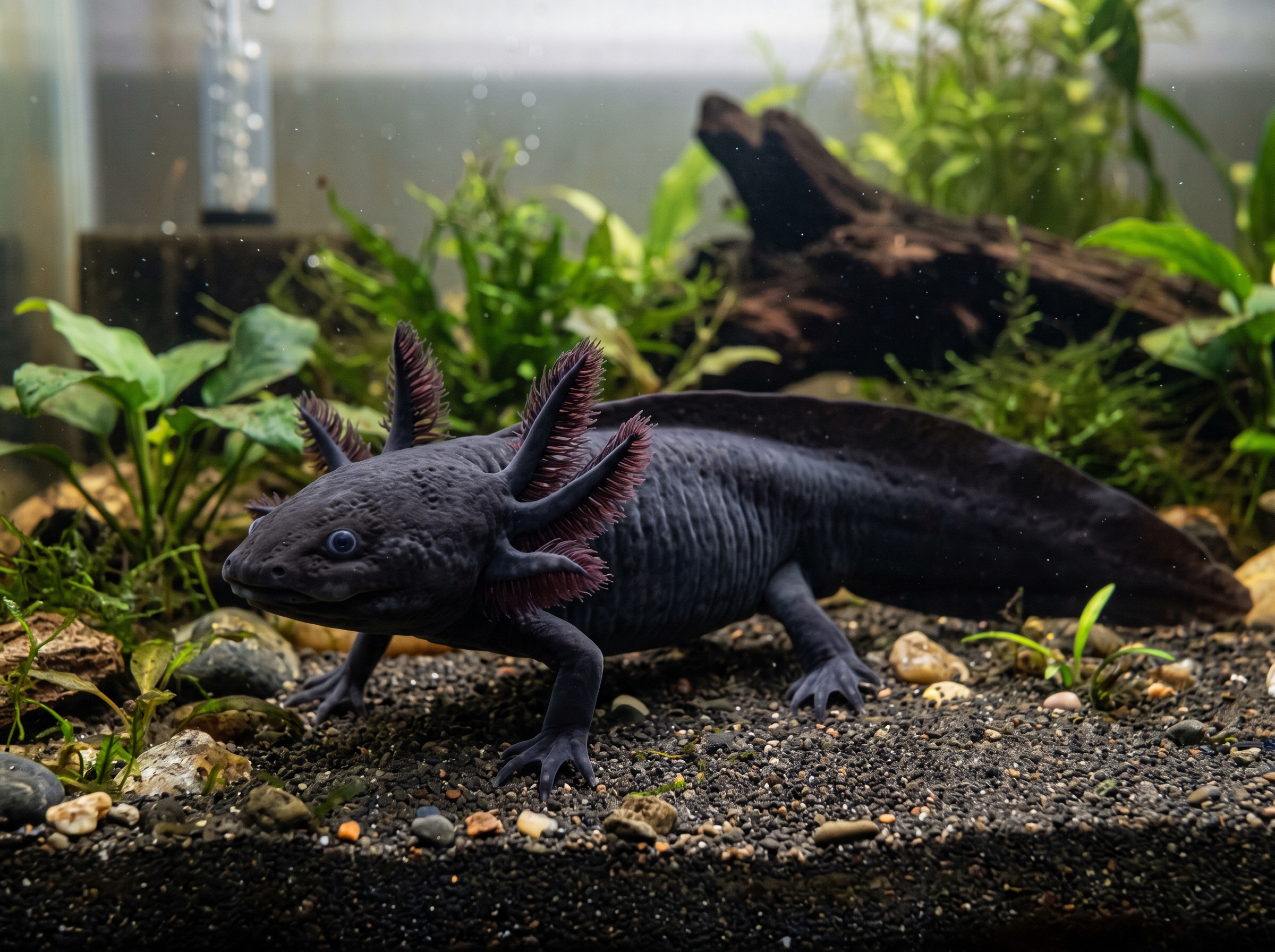
The black melanoid axolotl is not just a captivating amphibian; it represents a unique opportunity for pet lovers and aquarium enthusiasts alike. Known for its striking dark coloration and incredible regenerative abilities, this species has gained significant popularity in recent years. In this article, we will explore the characteristics, care requirements, and fascinating facts about these enchanting creatures.
What is a Black Melanoid Axolotl?
The black melanoid axolotl is a variant of the axolotl, a neotenic salamander native to Mexico. Unlike its more colorful relatives, the melanoid axolotl is characterized by its dark pigmentation, which gives it a sleek and mysterious appearance. This color variant results from a genetic mutation that affects the production of pigments in their skin. This mutation not only alters their color but also makes them less susceptible to certain environmental stresses, which is beneficial in captivity.
Axolotls, including the black melanoid variant, are known for their remarkable ability to regenerate lost body parts, making them a subject of scientific research. They are often referred to as “Mexican walking fish,” although they are not fish at all but amphibians. This unique classification is due to their gilled aquatic larval stage, which they maintain throughout their lives. The black melanoid axolotl’s distinctive appearance and fascinating biology make them an intriguing addition to any aquatic environment, appealing to both novice and experienced aquarists.
These amphibians are often studied for their regenerative capabilities, which can provide insights into healing processes that might be applicable to human medicine. As a result, they have become a favorite among researchers and enthusiasts alike, further enhancing their allure as pets.

Characteristics of Black Melanoid Axolotls
The black melanoid axolotl has several distinct characteristics that set it apart from other axolotl varieties. These features include:
- Coloration: The most notable characteristic of the black melanoid axolotl is its deep black color, which contrasts sharply with the lighter colors of other axolotls. This dark hue is not just aesthetic; it also helps them camouflage in their natural habitat, protecting them from predators.
- Size: Adult axolotls can grow up to 12 inches long, making them relatively large compared to other aquatic pets. Their size can vary based on genetics and environmental factors, but proper care can help them reach their full potential.
- Gills: They have feathery external gills that protrude from the sides of their heads, allowing them to breathe underwater. These gills are not only functional but also serve as an indicator of the axolotl’s health; vibrant, well-developed gills suggest a healthy specimen.
These characteristics not only make them visually appealing but also highlight their unique adaptations to their aquatic habitat. Black melanoid axolotls are equipped with a unique set of features that enhance their survival and make them fascinating subjects for study.
Furthermore, their distinct physical traits contribute to their popularity in the aquarium trade, as many enthusiasts seek out unique and exotic species to showcase in their tanks. Understanding these characteristics can help potential owners appreciate the beauty and complexity of these creatures.
Behavior and Temperament
Black melanoid axolotls are generally peaceful creatures that can coexist with other aquatic species, provided those species are not aggressive or small enough to be considered prey. They exhibit a calm demeanor and are often seen leisurely exploring their tank environment. Their scavenging behavior is an important aspect of their natural habitat, where they seek out food and investigate their surroundings to find hiding spots.
While they are relatively solitary, axolotls can be social with their own kind if given enough space. It’s essential to provide a suitable environment that allows them to exhibit natural behaviors without stress. In a properly sized tank, multiple axolotls can thrive together, though care must be taken to monitor their interactions to prevent any territorial disputes.
These amphibians are nocturnal, meaning they are most active during the night, which can be a fascinating aspect for owners who enjoy observing their pets. Their behavior during this active period can provide insights into their health and well-being, as they display natural hunting and foraging behaviors.

Care Requirements for Black Melanoid Axolotls
Caring for a black melanoid axolotl requires an understanding of their specific needs and habitat requirements. Here are some essential care tips:
Tank Setup
Creating a suitable habitat for your axolotl is crucial for its health and well-being. Here are the key components to consider:
- Tank Size: A minimum of 20 gallons is recommended for one axolotl, with larger tanks preferred for multiple axolotls. Sufficient space allows for swimming and reduces stress, which is vital for their overall health.
- Water Quality: Use a reliable filtration system to maintain clean and well-oxygenated water. Regular water changes are essential to keep toxins at bay. Testing water parameters regularly can help ensure that conditions remain stable and suitable for your axolotl.
- Substrate: Use a soft substrate like sand or bare bottom to prevent ingestion of harmful materials. Avoid gravel, as axolotls can accidentally swallow it, leading to serious health issues.
Providing a well-maintained tank will encourage healthy growth and reduce stress for your axolotl. Consider adding hiding spots using plants or decorations that are safe for aquatic creatures, as this can help create a more enriching environment.
📖 Baca juga: Discover the Fascinating World of Melanoid Axolotls: Unveiling Their Unique Traits
It’s also advisable to keep the tank away from direct sunlight to prevent overheating, as axolotls thrive in cooler waters. The introduction of plants can assist in maintaining water quality while providing additional shelter for these unique pets.
Dietary Needs
Feeding your black melanoid axolotl a balanced diet is vital for its health. Their diet should consist of:
- High-quality pellets designed for axolotls or amphibians. These pellets often contain the necessary nutrients for growth and maintenance.
- Live or frozen foods such as bloodworms, brine shrimp, and earthworms. These food sources mimic their natural diet and can enhance their overall vitality.
- Occasional treats like chopped fish or shrimp for variety. These treats can help stimulate their appetite and encourage natural hunting behaviors.
Be cautious not to overfeed, as axolotls can become obese, leading to health issues. Monitor their feeding habits and adjust portion sizes accordingly to maintain a healthy weight.
Additionally, it’s important to ensure that food items are appropriately sized for your axolotl to prevent choking or digestive issues. A varied diet not only promotes health but can also lead to more active and engaging behavior.
Temperature and Water Conditions
Black melanoid axolotls thrive in cooler water temperatures, ideally between 60°F to 68°F (15°C to 20°C). Warmer temperatures can lead to stress and health problems, including increased susceptibility to disease. It’s essential to monitor water temperature regularly and use an aquarium chiller if necessary to maintain appropriate conditions.
Additionally, maintain a pH level between 6.5 and 7.5 to ensure a stable and healthy environment for your axolotl. Regular testing of water chemistry can help prevent fluctuations that could harm your pet.
Keeping the water clean and well-oxygenated is crucial for the health of axolotls. Implementing a proper filtration system and performing routine maintenance will help create an ideal habitat for these fascinating creatures.

Fascinating Facts About Black Melanoid Axolotls
Here are some intriguing facts that make the black melanoid axolotl even more interesting:
- Regeneration: Axolotls can regenerate not only limbs but also vital organs and parts of their heart and brain. This remarkable ability continues to be a focal point of scientific research, with studies exploring the mechanisms behind their regenerative processes.
- Conservation Status: Axolotls are critically endangered in the wild due to habitat loss and pollution, making captive-bred axolotls essential for preservation efforts. Conservation initiatives are underway, focusing on habitat restoration and breeding programs to ensure the survival of this unique species.
- Unique Lifespan: They can live for over 10 years in captivity, making them long-term companions. Proper care, including a suitable diet and habitat, can significantly impact their lifespan and overall quality of life.
These facts highlight the importance of responsible ownership and conservation efforts for this remarkable species. By raising awareness about their plight, enthusiasts can contribute to efforts aimed at preserving the axolotl’s natural habitat and promoting ethical breeding practices.
Additionally, the unique biology and characteristics of the axolotl have made them a symbol of hope in scientific research, leading to potential breakthroughs in regenerative medicine that could benefit humans.
Choosing a Black Melanoid Axolotl as a Pet
Before bringing a black melanoid axolotl into your home, consider the following factors:
Research and Preparation
It’s essential to research and prepare adequately for axolotl ownership. Understand their care requirements and ensure you have the appropriate setup before bringing one home. This preparation includes selecting the right tank size, filtration system, and understanding their dietary needs.
Visit reputable breeders or pet stores that prioritize the health and well-being of their animals. Avoid purchasing from sources that do not provide proper care or information. Responsible breeders will also offer guidance on how to care for your new pet, ensuring a smooth transition into your home.
📖 Baca juga: Discover the Fascinating World of Chimera Axolotl: Nature’s Unique Marvels
Consider adopting from rescue organizations that may have axolotls in need of a home, supporting conservation efforts. This not only provides a home for a creature in need but also promotes ethical treatment and care within the pet trade.
Cost of Ownership
The initial cost of setting up a suitable tank can be significant, including expenses for the tank, filtration system, substrate, and decorations. Additionally, factor in ongoing costs for food and maintenance. Understanding these costs upfront can help potential owners prepare for the financial commitment of owning an axolotl.
Investing in quality supplies and regular veterinary care can help ensure a long and healthy life for your axolotl. Regular health check-ups can help catch any potential issues early, allowing for timely interventions that can prevent more serious health problems.
Overall, while the initial investment may seem high, the rewards of owning a healthy and thriving axolotl can far outweigh the costs, providing joy and fascination for many years.
Community and Support
Joining axolotl communities online or locally can provide valuable support and resources for new owners. These communities often share tips, experiences, and advice on axolotl care, making it easier to navigate potential challenges as a pet owner. Engaging with fellow enthusiasts allows for the exchange of knowledge and fosters a sense of camaraderie among axolotl owners.
Many online forums and social media groups are dedicated to axolotl care, where experienced owners can offer insights into common issues and best practices for maintaining a healthy environment. These platforms can also be a source of encouragement and motivation for new owners, especially when faced with challenges.
Participating in local meetups or events can also enhance your experience as an axolotl owner, allowing you to connect with others who share your passion and commitment to these remarkable creatures.

Conclusion
The black melanoid axolotl is a captivating and unique pet that can bring joy and fascination to any aquarium. With their striking appearance, incredible regenerative abilities, and relatively straightforward care requirements, they are an excellent choice for amphibian enthusiasts. By understanding their needs and providing a supportive environment, you can enjoy the company of these remarkable creatures for many years to come. The joy of watching them thrive and exhibit their natural behaviors can create a rewarding experience for any pet owner.
Pertanyaan Umum (FAQ)
What is the lifespan of a black melanoid axolotl?
The black melanoid axolotl can live for over 10 years in captivity when provided with proper care and a suitable environment.
Can black melanoid axolotls live with other fish?
While they can coexist with some non-aggressive fish, it’s essential to avoid species that may nip at their gills or fins. Careful selection of tank mates can ensure a peaceful environment.
How often should I feed my black melanoid axolotl?
Feed your axolotl 2-3 times a week, ensuring a balanced diet with a variety of foods. Monitoring their feeding habits can help determine the right frequency and portion sizes.
Are black melanoid axolotls easy to care for?
Yes, they have relatively straightforward care requirements, making them suitable for both novice and experienced pet owners. With the right knowledge and commitment, anyone can successfully keep an axolotl.